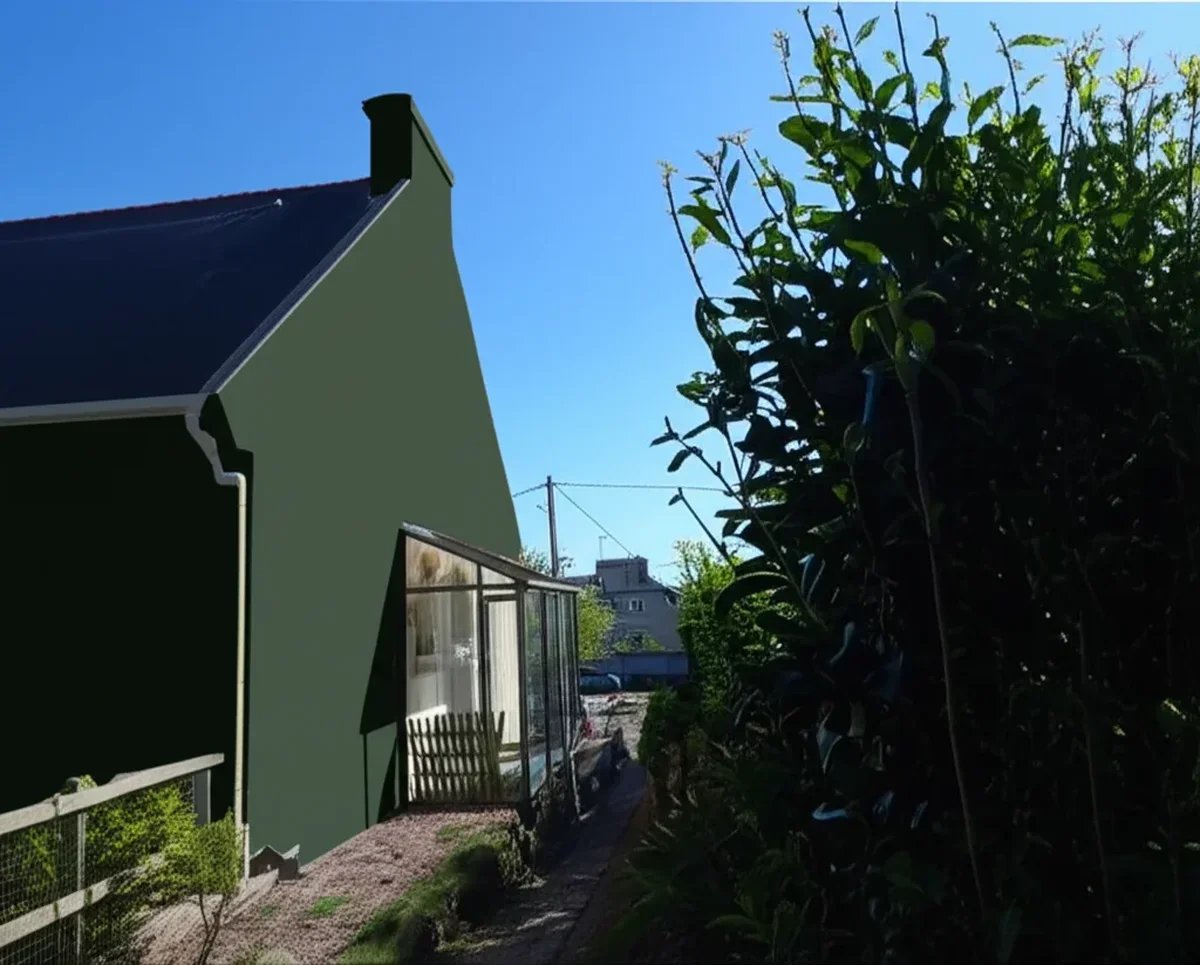
If your stucco exterior is cracking, peeling, or letting moisture in, elastomeric paint might be the solution you need. This specialty coating is 10 times thicker than standard paint, forming a flexible, waterproof membrane that bridges hairline cracks and shields stucco from wind-driven rain. But is it worth the higher price tag? In this guide, we break down the real costs, compare the top brands, and walk you through proper application so you can decide with confidence.
Whether you plan to hire a professional or tackle the project yourself, understanding elastomeric coatings is essential for any stucco homeowner. Before committing to a color, try our free AI house color visualizer to preview your stucco in any shade — no ladders or sample pots required.
What Is Elastomeric Paint and Why Does Stucco Need It?
Elastomeric paint is a high-build, 100% acrylic latex coating engineered to stretch and contract with your walls. While standard exterior paint applies at 3–5 mils dry film thickness, elastomeric coatings build up to 10–20 mils per coat — creating a rubber-like membrane over your stucco. This thickness is what allows the coating to bridge hairline cracks up to 1/16 inch and prevent water intrusion.
Stucco is especially prone to thermal cracking because it is a rigid cementitious material. As temperatures swing from summer heat to winter cold, stucco expands and contracts, creating micro-cracks that let water penetrate. Once moisture gets behind the stucco, it causes efflorescence, mold, and structural damage. Elastomeric paint addresses this by creating a seamless, waterproof barrier that flexes with the substrate. Leading products like Behr PREMIUM Elastomeric are tested to withstand 98 mph wind-driven rain, making them ideal for hurricane-prone regions like Florida and the Gulf Coast.
Elastomeric vs Standard Acrylic Paint: Head-to-Head
Before you invest in elastomeric, it helps to see exactly how it stacks up against a standard exterior acrylic paint on stucco:
| Feature | Elastomeric | Acrylic |
|---|---|---|
| Film thickness | 10–20 mils (10x thicker) | 2–5 mils |
| Crack bridging | Yes — up to 1/16" | No |
| Waterproofing | Full membrane | Water-resistant only |
| Lifespan on stucco | 10–15 years | 5–8 years |
| Material cost per gallon | $35–$115 | $25–$65 |
| Coverage per gallon | 75–125 sq ft | 250–400 sq ft |
| Breathability | Low — can trap moisture | High |
| Application difficulty | Moderate to difficult | Easy |
Important Warning
While elastomeric paint creates a superior waterproof membrane, it also traps moisture if the substrate is damp at the time of application. Always ensure your stucco is completely dry and free of trapped moisture before coating. Painting over a damp wall can lead to blistering and peeling within months.
How Much Does Elastomeric Paint Cost for Stucco?
The installed cost of elastomeric paint on stucco ranges from $1.50 to $5.00 per square foot, depending on your region, the condition of your stucco, and whether you hire a professional or go the DIY route. For a typical 2,000 sq ft home with approximately 1,600–2,000 sq ft of paintable stucco surface, expect to pay $3,000 to $8,500 for a full professional job.
| Brand | Price per Gallon | Coverage | Key Features |
|---|---|---|---|
| Behr PREMIUM Elastomeric | $20–$70 | 75–100 sq ft/gal | 100% acrylic, 98 mph rain resistance, crack bridging |
| Sherwin-Williams Exterior Elastomeric | $40–$115 | 75–125 sq ft/gal | High-build formula, excellent elongation, mildew resistant |
| Benjamin Moore | $45–$95 | 80–120 sq ft/gal | Premium finish, superior flexibility, low VOC |
| PPG Elastomeric | $35–$85 | 80–110 sq ft/gal | Professional grade, excellent adhesion, UV resistant |
Keep in mind that elastomeric paint covers only 75–125 sq ft per gallon compared to 250–400 sq ft for standard acrylic. You will need significantly more material, and with two coats required, paint costs alone for a 2,000 sq ft home can run $1,200–$2,800 before labor. However, because elastomeric lasts 10–15 years versus 5–8 years for standard acrylic, the cost per year is often comparable or even lower over the life of the coating.
Step-by-Step Application Process
Proper application is critical with elastomeric coatings. Because the product is so thick, mistakes are difficult to fix and improper technique can cause bubbling, uneven coverage, or premature failure. Here is the recommended process:
- Power wash the stucco: Remove all dirt, mildew, chalk, and loose paint. Use a pressure washer at 2,500–3,000 PSI. Allow the surface to dry completely — at least 48 hours in dry weather.
- Patch all cracks: Fill cracks wider than 1/16 inch with an elastomeric caulk or patching compound. Elastomeric paint can bridge hairline cracks, but larger gaps need pre-filling.
- Apply acrylic primer: Use a high-quality acrylic masonry primer to seal the surface and improve adhesion. This step is especially important on bare or previously unpainted stucco.
- Apply first coat of elastomeric paint: Use a 1-1/4 inch nap roller or an airless sprayer with a .031–.035 tip. Work in manageable sections and maintain a wet edge. Apply generously — do not spread the product thin.
- Wait 24 hours between coats: Elastomeric paint requires a full 24-hour cure time before recoating. Do not rush this step, even if the surface feels dry to the touch.
- Apply second coat: Apply the final coat in the opposite direction (cross-roll) for maximum coverage and uniform thickness.
Pro Tip
Only apply elastomeric paint when the temperature is between 50°F and 90°F with no rain expected for at least 24 hours. The thick film needs adequate dry time to cure properly. Painting in direct sun above 90°F can cause the surface to skin over before the interior cures, leading to blisters.
DIY vs Professional: Which Route Should You Take?
While it is technically possible to apply elastomeric paint yourself, most coating manufacturers and experienced contractors recommend professional application. Here is why:
- Thickness matters: Applying too thin defeats the purpose of the product. Professionals use mil gauges to verify proper film build.
- Equipment requirements: An airless sprayer capable of handling heavy-bodied coatings is the most efficient tool. Rental costs $75–$150 per day.
- Moisture testing: Pros use moisture meters to confirm the substrate is dry enough. Painting over trapped moisture causes catastrophic failure.
- Warranty concerns: Many elastomeric warranties require professional application. A botched DIY job could void your coating warranty and your stucco warranty.
That said, a handy homeowner with spray equipment experience can save $2,000–$4,000 on labor. If you go the DIY route, invest in a quality airless sprayer, buy 10–15% more material than calculated, and follow the manufacturer's data sheet to the letter.
HOA Considerations for Elastomeric Coatings
If you live in a homeowners association, do not skip this step. Most HOAs require Architectural Review Board (ARB) approval before any exterior modification, including paint color and type changes. Submit your application with your chosen color, brand, and product type before purchasing materials.
Interestingly, some stucco-heavy communities in the Southwest and Florida actually require elastomeric coatings because of their superior waterproofing and longevity. In these cases, using standard acrylic paint would violate the HOA guidelines. Check your CC&Rs or contact your HOA management company to confirm the requirements for your community.
Visualize Your Stucco Color Before You Paint
Choosing the right color for your stucco is just as important as choosing the right coating. Because elastomeric paint lasts 10–15 years, you will be living with your color choice for a long time. Use FacadeColorizer's free AI color visualizer to upload a photo of your home and preview any shade on your stucco — including warm whites, desert tans, Mediterranean terracottas, and modern grays. It takes 30 seconds, costs nothing, and eliminates the guesswork that leads to expensive repaints. Try it before you buy your first gallon.