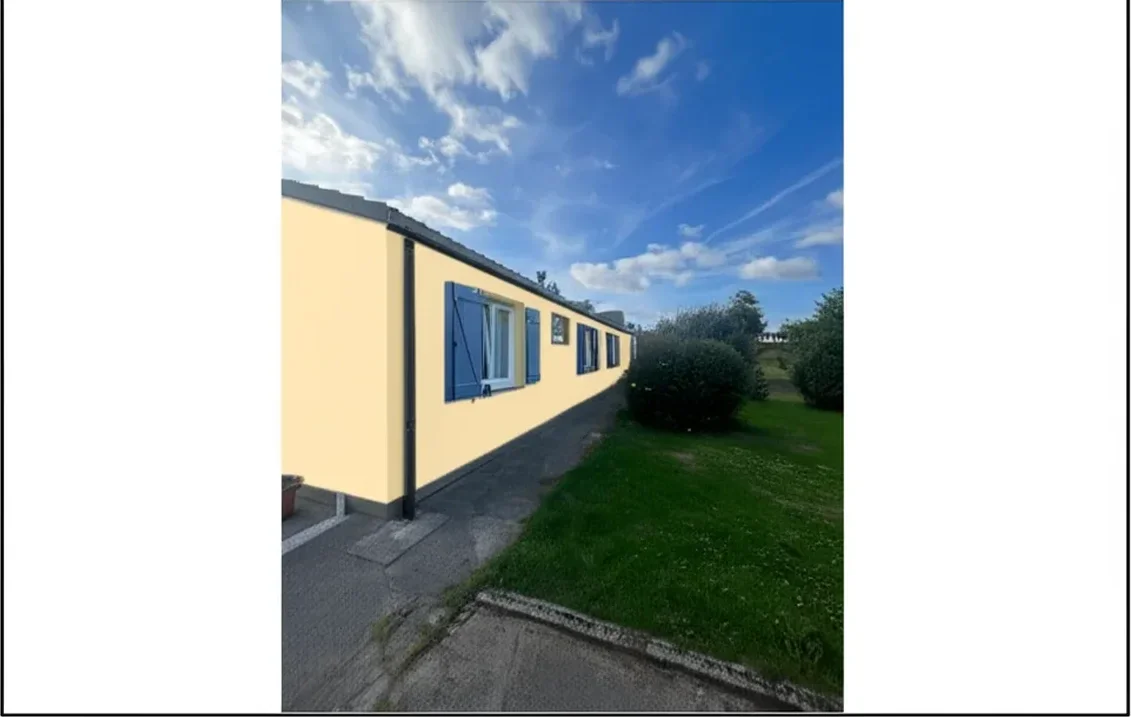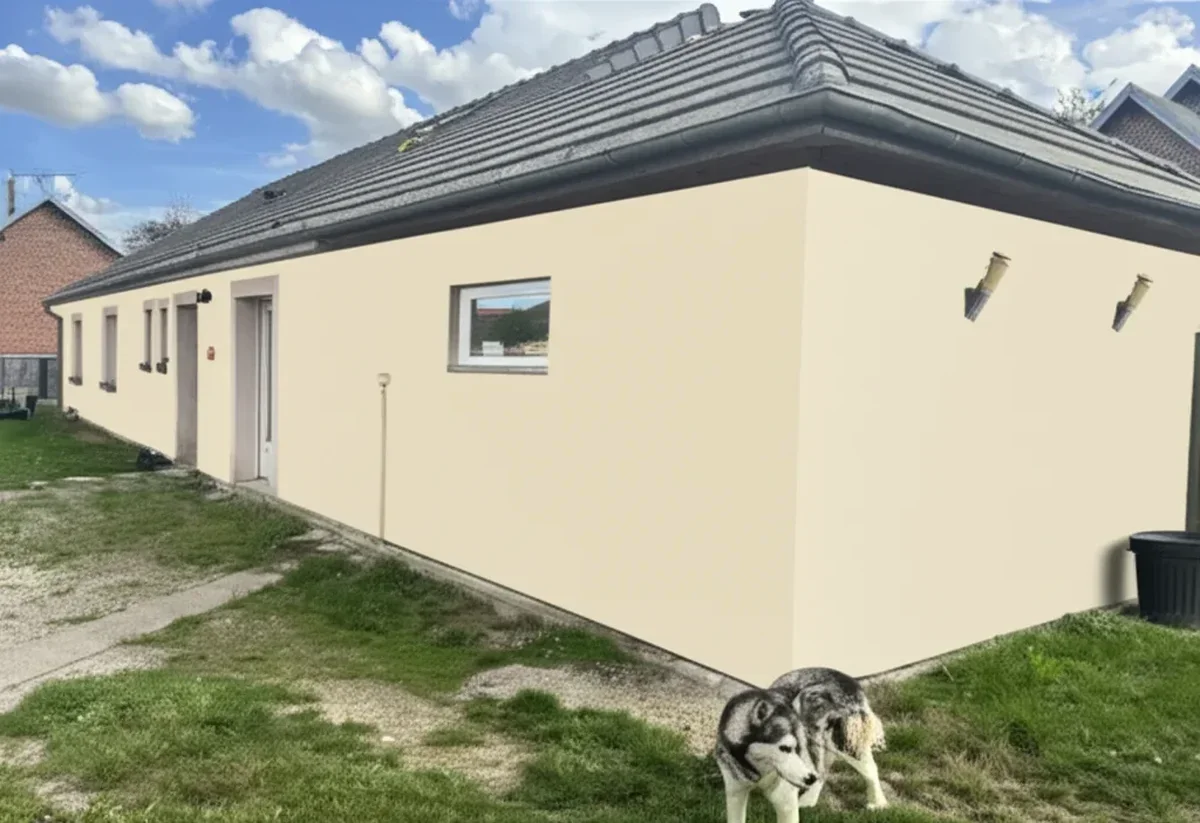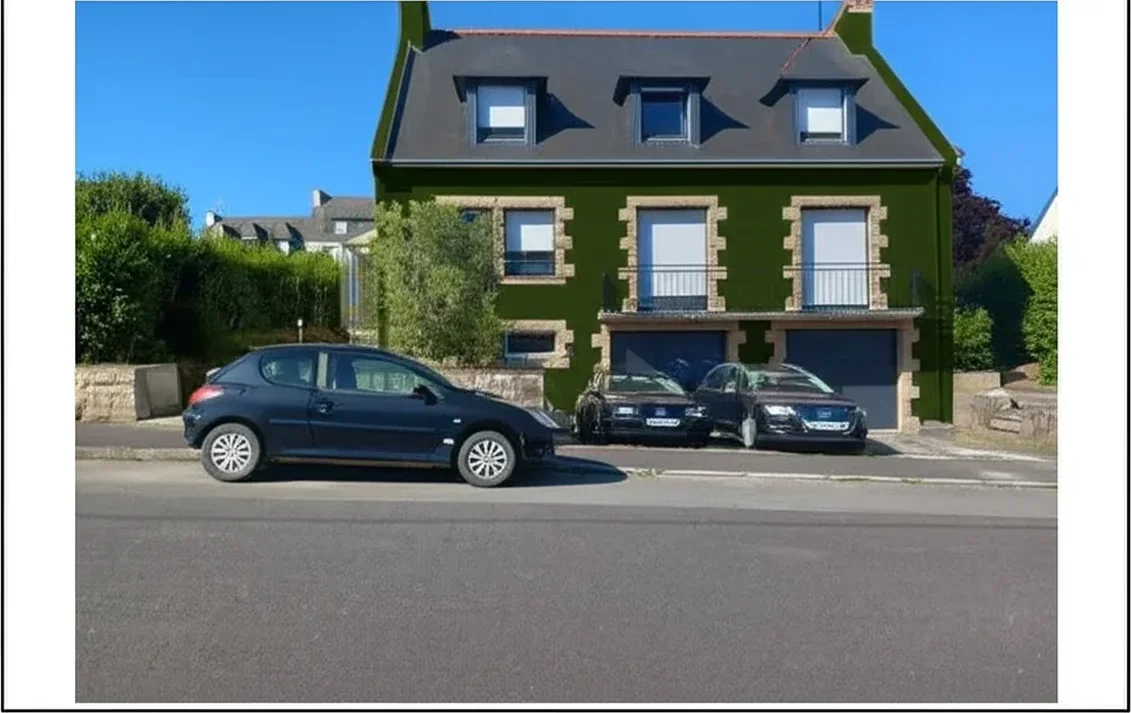
Liverpool’s architectural character is extraordinary — from the grand Georgian Quarter town houses around Falkner Square to the ornate Victorian terraces of Toxteth and Aigburth, the converted waterfront warehouses along the docks, and the new-build apartments rising in the Baltic Triangle. Each property type brings its own interior decorating challenges: high ceilings and intricate coving in period property homes, exposed brickwork and industrial finishes in dockside conversions, and modern open-plan layouts in new developments. This guide breaks down Liverpool interior decorator day rates, cost per room, and cost per m² for 2026, plus the local factors every homeowner and landlord should understand. Visualise your ideal colour scheme before hiring a painter and decorator at FacadeColorizer.
Liverpool Interior Decorator Day Rates in 2026
Interior decorator day rates in Liverpool range from £150 to £240 in 2026, sitting roughly 10% below the UK national average of £180–£280. This makes Liverpool one of the most affordable cities in England for professional interior painting, although prices vary sharply by neighbourhood. Premium areas such as the Georgian Quarter, Woolton, and Mossley Hill push rates toward £210–£240 per day, reflecting higher client expectations, conservation area sensitivities, and complex period property features. More competitive rates of £150–£190 are typical in Anfield, Walton, Old Swan, and outer suburbs. Hourly rates sit around £18–£25, though most Liverpool decorators prefer to quote per day or per room. Quoted rates typically cover surface preparation — sugar soap washing, sanding, filling, and caulking — plus dust sheets and application, but exclude paint and materials.
Room-by-Room Interior Decorating Costs in Liverpool
| Room Type | Liverpool Price | National Average | Duration |
|---|---|---|---|
| Small bedroom (walls + ceiling) | £260–£400 | £300–£450 | 1–1.5 days |
| Double bedroom | £350–£520 | £380–£550 | 1.5–2 days |
| Living room | £420–£650 | £450–£700 | 2–3 days |
| Kitchen painting | £320–£500 | £350–£550 | 1.5–2 days |
| Bathroom painting | £230–£380 | £250–£400 | 1–1.5 days |
| Hallway, stairs & landing | £480–£750 | £500–£800 | 2–3 days |
| Wallpaper hanging (per roll) | £22–£40 | £25–£45 | Varies |
| Feature wall (lining paper + paint) | £110–£200 | £120–£220 | 0.5–1 day |
Prices include emulsion paint for walls and ceilings and gloss or satinwood for woodwork. If the walls have never been painted, expect your decorator to apply a mist coat on bare plaster before the finish coats, which adds roughly half a day. For a full three-bedroom Victorian terrace in areas such as L8 or L15, budget £2,200–£3,800 for complete interior painting including all woodwork, door painting, skirting boards, and hallway. Liverpool’s lower labour costs compared with the national average mean homeowners can stretch their budget further here than in most English cities.
Liverpool-Specific Factors That Affect Pricing
Liverpool’s unique housing stock and climate create cost variables that homeowners should factor in when budgeting for interior decorating. The city’s Georgian Quarter — centred on Canning Street, Falkner Square, and Huskisson Street — contains some of the finest early 19th-century town houses in England. These properties feature soaring ceilings (often 3.5m+), deep window frames, elaborate plaster coving, ornamental dado rails, and tall skirting boards that require meticulous preparation and skilled application of eggshell or satinwood finishes. Expect decorating costs in the Georgian Quarter to run 15–25% above standard Liverpool rates. Strong Article 4 Directions also apply here, meaning any external colour changes visible from the street require planning approval from Liverpool City Council.
The Victorian terraces that dominate Toxteth (L8), Aigburth (L17), and Allerton (L18) present their own challenges. Many feature intricate ceiling roses, picture rails, and original timber door painting requirements. Damp is a persistent issue in older terraces, especially those with solid walls and no cavity — a breathable emulsion paint or specialist damp-seal primer may be needed before decorating can begin. Liverpool’s proximity to the Irish Sea drives high annual rainfall (870mm) and salt-laden winds that push indoor humidity levels up, making low-VOC, breathable, and washable finishes essential for kitchen painting and bathroom painting in particular.
Dockside conversions and new-build apartments in the Baltic Triangle, Albert Dock, and Royal Albert Dock present a different set of considerations. Open-plan layouts with exposed brickwork, steel beams, and floor-to-ceiling windows require a decorator experienced with industrial-to-residential finishes. Standard cost per m² rates apply, but the volume of wall space in open-plan living areas can push total costs higher than room-by-room estimates suggest. Many modern developments also stipulate approved colour palettes in their leasehold or management agreements — always check before committing to a scheme. Liverpool has 36 conservation areas in total, including Canning, Sefton Park, and Lark Lane, where external alterations require consent.
Popular Paint Brands Among Liverpool Decorators
Liverpool’s decorators favour brands that handle the city’s damp-prone climate while delivering a professional finish on period property surfaces. Dulux Trade is the market leader for larger contracts — its Diamond Matt range offers a washable, quick-drying, and low-VOC formulation that performs well in high-humidity rooms. Crown Trade is widely used for undercoat and primer products and offers excellent value on emulsion paint for standard rooms. Farrow & Ball is the go-to choice for homeowners in the Georgian Quarter and Sefton Park who want historically inspired colour trends and a chalky, heritage depth. Little Greene’s period colour palettes suit Edwardian and Victorian homes across Aigburth, Mossley Hill, and Woolton. Johnstone’s Trade remains popular for its affordability and reliable coverage, while Zoffany and Benjamin Moore are available through specialist Liverpool stockists for bespoke finishes. For damp-affected rooms, Zinsser B-I-N shellac-based primer is the local standard for sealing stains before applying finish coats.
Whole-Property Decorating Costs in Liverpool
| Property Type | Liverpool Cost (Full Interior) | Typical Duration |
|---|---|---|
| 1-bed flat / dockside conversion | £950–£1,500 | 3–5 days |
| 2-bed Victorian terrace | £1,500–£2,400 | 5–8 days |
| 3-bed Victorian terrace (L8/L15) | £2,200–£3,800 | 8–12 days |
| 4-bed Georgian town house | £3,800–£6,000 | 12–18 days |
| 5-bed detached (Woolton/Childwall) | £4,800–£7,500 | 15–22 days |
These estimates include standard emulsion paint for walls and ceilings, satinwood or gloss for woodwork and skirting boards, door painting, and basic surface preparation. Extras that increase the bill include stripping old wallpaper, applying lining paper, specialist wallpaper hanging, bare plaster mist coats, and any damp treatment. Liverpool’s average house price of £175,000 means a full redecoration typically represents 1–3% of property value — a worthwhile investment whether you are preparing for sale or refreshing a family home.
How to Save on Interior Decorating in Liverpool
Schedule your project between October and February when Liverpool’s decorators have quieter order books — you can often negotiate 10–15% off standard day rates during the off-peak months. Handle the basic surface preparation yourself: a thorough sugar soap wash, light sanding, small hole filling, and removing old wallpaper can save 4–6 hours of paid labour per room. Purchase paint directly from trade suppliers — Dulux Trade Decorator Centres on Edge Lane and Crown stockists across Merseyside offer trade pricing to the public. Bundle multiple rooms for a better overall rate, and always obtain at least three written, itemised quotes specifying undercoat, primer, number of emulsion paint coats, and gloss or satinwood finish type. For a colour consultation preview before committing, try the free visualiser at FacadeColorizer.com — upload a photo of your room or facade and experiment with colour trends in seconds.
For wider UK pricing comparisons, read our UK interior decorator cost guide 2026. You can also compare Liverpool with Manchester decorator costs and London decorator costs. The best season for exterior work in Liverpool runs from May to September when rainfall is lowest — ideal for combining indoor and outdoor projects on the same property.