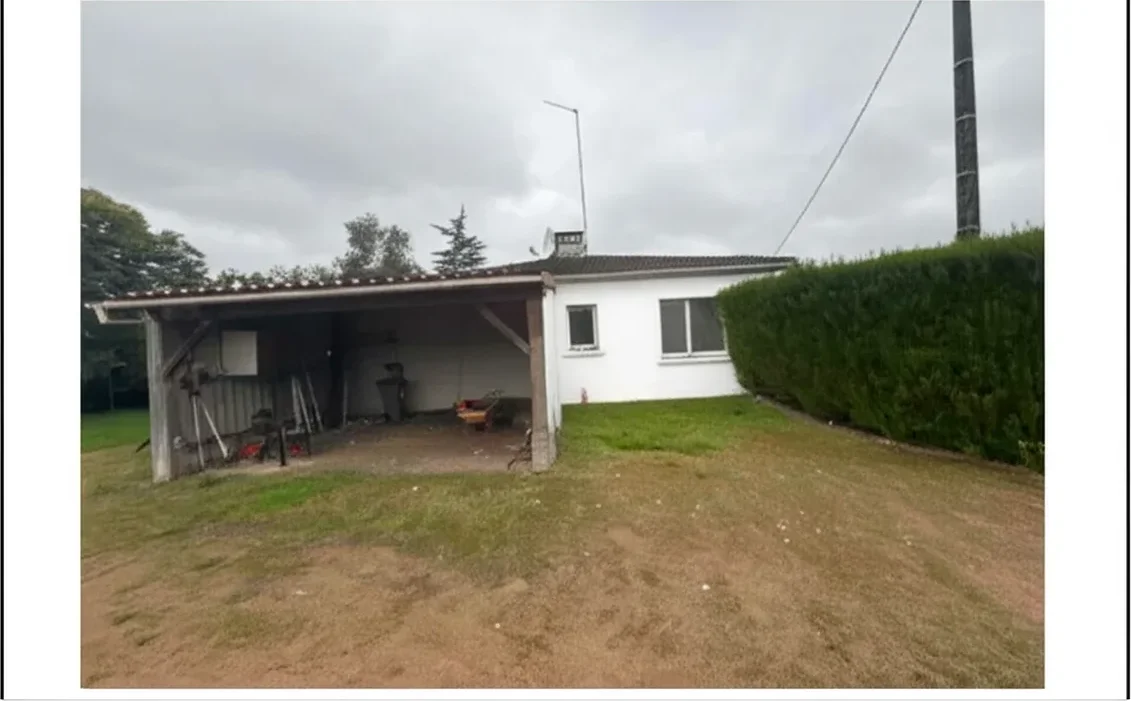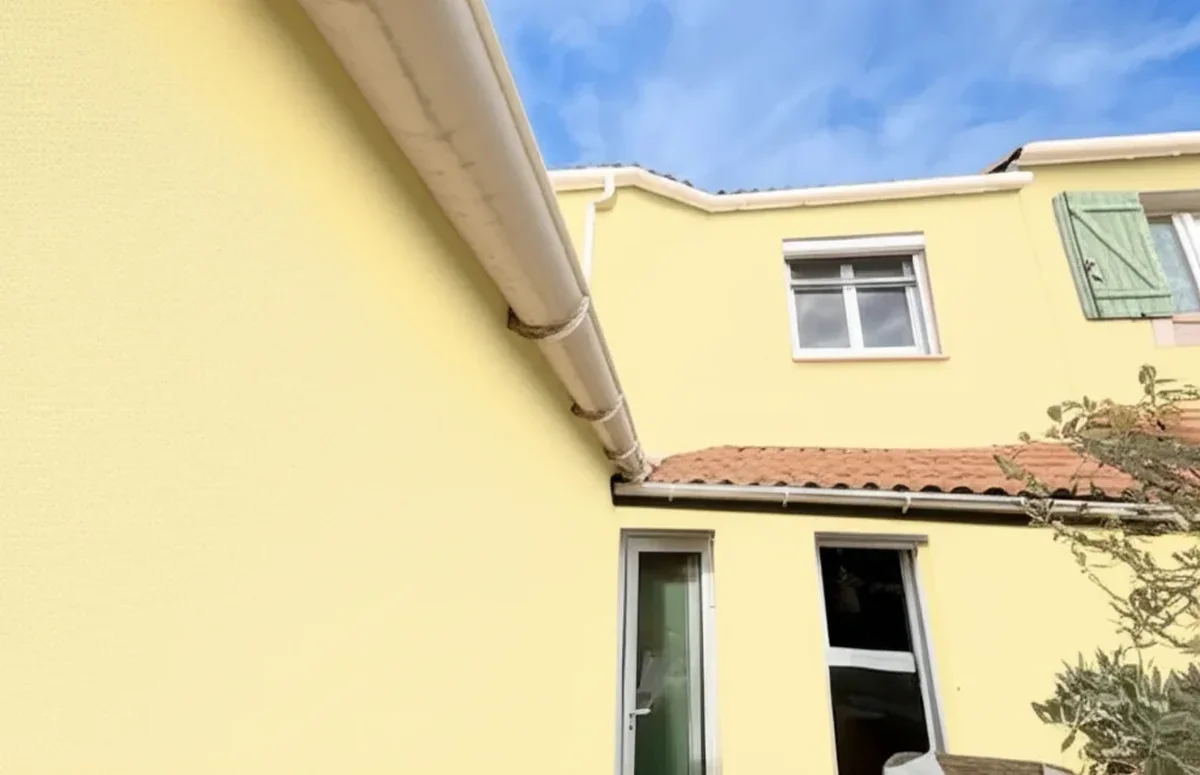
Try it on your room

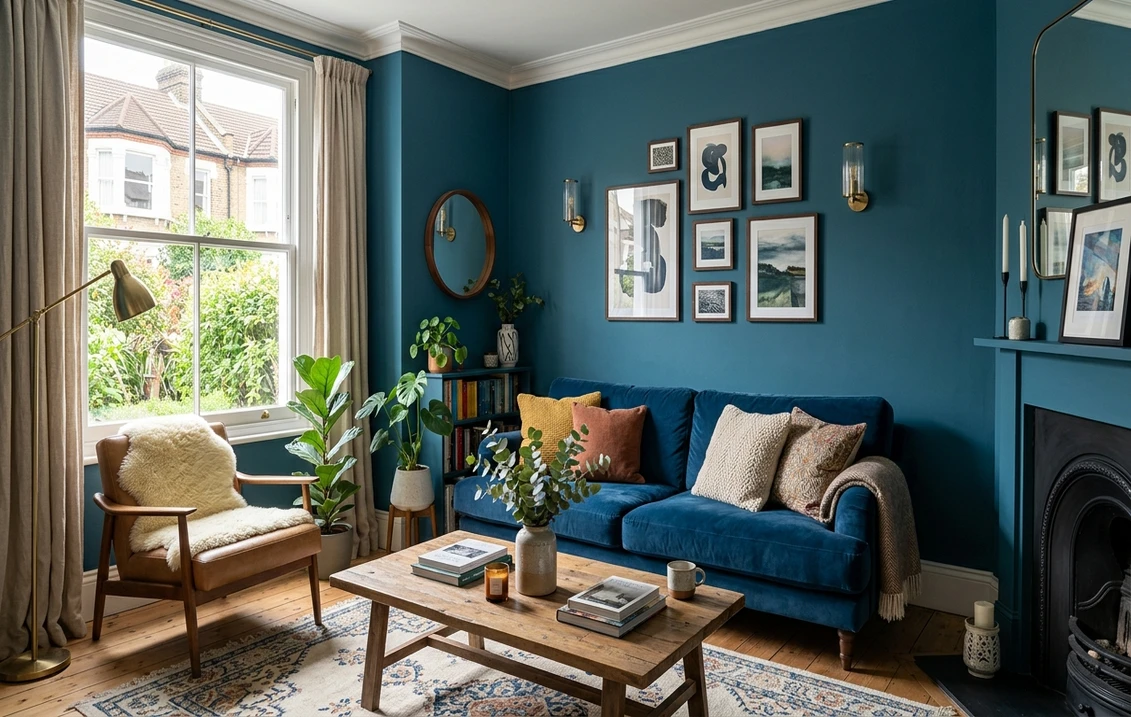
British living rooms in 2026 have shifted decisively away from the cool grey wash that dominated the last decade. According to the Dulux Colour Futures 2026 report and the Farrow & Ball retail trend index, homeowners are now specifying warmer, moodier and more saturated tones: deep teals, olive greens, clay-based pinks and soft chalky off-whites. Expect to spend £280 to £750 per room in materials and labour for a full two-coat refresh.
This designer-led guide ranks the 15 most requested living room paint colours UK-wide in 2026, with exact product codes, suggested finishes, and room-type recommendations for Georgian, Edwardian and modern flat interiors.
For full pricing, see our complete UK cost guide.
The 15 top living room paint colours UK 2026
Every shade below has been cross-referenced against decorator specification sheets from London, Manchester, Edinburgh and Bristol. Codes are the manufacturer's official references so you can order sample pots straight from the merchant.
| Rank | Colour | Brand & code | Best for | Recommended finish |
|---|---|---|---|---|
| 1 | Inchyra Blue | Farrow & Ball No.289 | Georgian drawing rooms, feature wall | Estate Emulsion |
| 2 | Green Smoke | Farrow & Ball No.47 | Edwardian bay windows, snugs | Modern Emulsion |
| 3 | Dead Salmon | Farrow & Ball No.28 | North-facing rooms, period flats | Estate Emulsion |
| 4 | Downpipe | Farrow & Ball No.26 | Modern flat feature wall | Modern Emulsion |
| 5 | Skimming Stone | Farrow & Ball No.241 | Open-plan living, small rooms | Estate Emulsion |
| 6 | Mid Azure Green | Little Greene 96 | South-facing Edwardian rooms | Intelligent Matt |
| 7 | Canvas | Little Greene 171 | Open-plan kitchen-diners | Absolute Matt |
| 8 | Chiswick White | Dulux Heritage DH00212 | Georgian ceilings and coving | Matt Emulsion |
| 9 | Dulux Heritage Deep Bronze Green | Dulux Heritage DH00205 | Traditional fireplace walls | Eggshell |
| 10 | Dulux Heritage Georgian Cream | Dulux Heritage DH00110 | Period terraces, hallway continuity | Matt Emulsion |
| 11 | Setting Plaster | Farrow & Ball No.231 | North-facing modern flats | Estate Emulsion |
| 12 | School House White | Farrow & Ball No.291 | Open-plan main walls | Modern Emulsion |
| 13 | French Grey | Little Greene 113 | Edwardian drawing rooms | Intelligent Matt |
| 14 | Dulux Heritage Soft Cinnamon | Dulux Heritage DH00075 | Traditional warm schemes | Matt Emulsion |
| 15 | Hicks' Blue | Little Greene 208 | Bold modern flats | Absolute Matt |
Try it on your room
No photo? Try a sample
Open-plan layouts vs traditional cellular rooms
An open-plan kitchen-diner-lounge behaves very differently from a compartmented Victorian front room. In an open plan, light travels unbroken across 7 to 12 metres, so any colour you pick will read about 20 per cent stronger than the sample card suggests. Stick to lighter, chalkier tones such as Skimming Stone No.241, Canvas or School House White No.291 as the wrap-around shell, then introduce the moody colours (Inchyra Blue, Green Smoke, Downpipe) on a single zone wall.
In a kitchen-diner the dining end is usually the zone that can carry that deeper tone, because it is read at night under a pendant rather than across the whole floorplate in daylight. Our dining room colour guide covers the saturated end of that decision, Hague Blue, Studio Green and Eating Room Red, and how colour drenching behaves once the lights go down.
The kitchen end is the one that takes cooking splashes. Dulux sells Easycare Kitchen Matt for that wall and says any Dulux colour can be mixed into its Easycare ranges, so the shell colour can run through the whole space in two products; our Dulux kitchen paint guide compares it with Easycare Washable & Tough.
Traditional cellular rooms with narrower openings can take saturated colour on every wall because the eye never travels beyond one space at a time. A Georgian terrace front room painted entirely in Green Smoke No.47 feels enveloping rather than oppressive, especially once lamps are lit at dusk.
Upload a photo of your living room and test all 15 shades in 30 seconds
Feature walls around a fireplace
For a dark green chimney breast, Farrow & Ball's published schemes for Green Smoke No. 47 put Light Gray No. 17 and Old White No. 4 beside it, and the other partners for deep greens are listed in our guide to colours that go with dark green.
The chimney breast is the single most rewarding feature wall in a British living room because the architecture already frames it. In 2026 the strongest specification is a tonal contrast rather than a colour contrast: keep the other three walls in a soft off-white and paint the chimney breast two to three shades deeper in the same family.
Classic pairings that work in nine out of ten homes:
- Skimming Stone No.241 walls with a Dead Salmon No.28 chimney breast for a warm, plaster-pink look.
- Canvas walls with Inchyra Blue No.289 chimney breast for a deep Scottish-country feel.
- School House White No.291 walls with Downpipe No.26 chimney breast for a contemporary London flat.
- Georgian Cream DH00110 walls with Deep Bronze Green DH00205 chimney breast for a traditional heritage scheme.
If the fireplace surround is cast iron or painted timber, colour-match the surround to the chimney breast rather than the walls. This unifies the feature and stops the eye from splitting it into competing elements.
Georgian vs Edwardian vs modern flat: period-specific guidance
The hall that leads to the living room is painted on a different logic: borrowed light and daily scuffs. Dulux's own advice there is a washable grade and, for a dark hall, Rock Salt, Gentle Fawn or Soft Peach; the makers' descriptions for the warm whites that carry from hall to living room are in our hallway paint colours guide.
British housing stock divides roughly into three colour logics, driven by ceiling height, window proportion and natural light.
Georgian living rooms (1714-1830)
High ceilings (2.8 to 3.3 m), tall sash windows and deep skirtings favour full-bodied historic colours. Dead Salmon No.28, Green Smoke No.47, and Dulux Heritage Georgian Cream DH00110 are the authentic choices. Keep the ceiling in Chiswick White DH00212 and run the same white up into the cornice. Skirtings in eggshell, picked out two shades darker than the wall for a pronounced trim.
Edwardian living rooms (1901-1910)
Ceilings are lower (2.4 to 2.7 m), bay windows dominate and picture rails are common. Work with the picture rail: paint the area above (the frieze and ceiling) in a single off-white such as Skimming Stone No.241, and the area below in a mid-tone like French Grey from Little Greene or Mid Azure Green. This vertical zoning flatters Edwardian proportions and makes the bay feel taller.
Modern flats and new-build living rooms
Ceilings of 2.3 to 2.5 m and minimal mouldings demand a different approach. Avoid period-style tonal skirtings. Instead, use a single wrap-around colour from skirting to ceiling such as Setting Plaster No.231 or School House White No.291, then deploy one bold feature wall in Hicks' Blue or Downpipe No.26 behind the sofa or media unit. This ceiling-inclusive approach visually raises low ceilings by blurring the edge.
Ceiling treatment in 2026
The default "brilliant white ceiling" is no longer the designer recommendation. Three ceiling strategies dominate 2026 specifications:
- Soft off-white ceiling (Chiswick White, School House White) for Georgian and Edwardian rooms with deep cornicing. Keeps the ceiling recessive but never cold.
- Wall colour continued onto the ceiling at 50 per cent strength (ask your decorator to specify a "half-strength" mix). Ideal for modern flats under 2.5 m, and for snugs painted in Green Smoke or Inchyra Blue.
- Full-strength wall colour on the ceiling for cocooning small rooms: a study-sized lounge painted entirely in Dead Salmon including ceiling feels like a jewel box.
Coving and skirting: contrast or same tone?
The contemporary UK consensus in 2026 splits by period:
- Georgian and early Victorian: coving and skirting painted in a contrasting off-white (Chiswick White, All White) to accentuate the ornamental mouldings.
- Late Victorian and Edwardian: coving matches the ceiling off-white, skirting is painted in the same colour as the walls in eggshell finish for a seamless "colour-drenched" look.
- Modern flats: skirting, architrave and walls all in one colour, one finish grade apart (walls in matt, trim in eggshell). This is the cleanest contemporary detail and forgiving of imperfect plasterwork.
If in doubt, paint skirtings and coving in eggshell rather than gloss: gloss amplifies every filler line and looks dated in 2026. Little Greene Intelligent Eggshell and Farrow & Ball Estate Eggshell are both specified by 80 per cent of UK decorators surveyed in 2026.
Cost per room in 2026: £280 to £750
Expect the following for a typical 4 x 4 m living room with 2.5 m ceilings, including walls, ceiling, coving and skirting:
| Scope | Paint brand | Materials | Labour (2 days) | Total |
|---|---|---|---|---|
| DIY, trade paint | Dulux Trade / Leyland | £80-£120 | £0 | £80-£120 |
| Decorator, mid-range | Dulux Heritage | £120-£180 | £160-£280 | £280-£460 |
| Decorator, premium | Farrow & Ball | £220-£320 | £220-£380 | £440-£700 |
| Decorator, specialist | Little Greene | £250-£350 | £250-£400 | £500-£750 |
London and the South East trend towards the upper end of each band, while the Midlands, Wales and Scotland sit towards the lower bound. Two coats on properly prepared plaster should last seven to ten years in a living room with normal wear.
If the living room opens onto a conservatory, decide the two together: the conservatory is brighter, hotter and damper, so its wall wants a washable finish and a lighter colour than the lounge, while the two should still read as one scheme through the open door. Our guide to conservatory paint colours explains the finishes the brands recommend for a wall with a glass roof over it.
Living room lighting and orientation
Orientation determines which of the 15 shortlisted colours will actually flatter your room. A north-facing Victorian terrace living room in Glasgow or Leeds receives perhaps 30 to 40 percent less daylight than the same-sized south-facing front room in Brighton. That difference shifts a confident Farrow & Ball Pigeon into a flat, slightly cold reading by 3pm in winter, while a south-facing wall in summer can wash Skimming Stone No.241 almost white. Test sample patches against the wall you actually look at most (usually the longest uninterrupted run), not the chimney breast.
Bulb specification matters as much as paint specification. 2700K to 3000K warm-white LED bulbs render the chalky pigments of Farrow & Ball and Little Greene properly; 4000K cool-white bulbs strip the warmth and make Inchyra Blue read flat. For the regulatory backdrop on residential lighting requirements, Approved Document L on gov.uk sets the minimum lumens per square metre, while CIBSE Lighting Guide covers Colour Rendering Index ratings that affect how chalky pigments hold their depth.
Traffic flow and finish durability for living rooms
A typical UK living room sees 4 to 6 hours of active daily occupancy and roughly 1,200 to 1,800 entry-and-exit movements per year through the doorway. That is materially less wall contact than a hallway, but greater than a guest bedroom. Most decorators specify matt for the main wall fields (where light is reflected to the eye) and eggshell for woodwork, including skirtings, architrave and the door itself.
For families with young children, pets, or open-fire stoves that produce soot residue, consider stepping up to satin or a Class 2 washable finish like Crown Easyclean or Dulux Trade Diamond Matt. Both meet BS EN 13300 Class 2 wet-scrub testing and tolerate localised sponge-clean without burnishing the surface. Johnstone's and Leyland trade ranges also include comparable Class 2 emulsions at typically 15 to 20 percent less than the heritage brands. For substrate preparation that delivers the rated finish, BS 7079 remains the UK reference standard.
Paint finishes UK: matt, eggshell, satin and gloss in the living room
The table below summarises the four UK interior finishes against BS EN 13300 wet-scrub Class and matches each to a typical living room application. Use it to specify exactly what your decorator should quote rather than accepting "two coats of emulsion".
| Finish | Light reflection | Washability (BS EN 13300) | Best use in living room | £ per 2.5L |
|---|---|---|---|---|
| Matt | Less than 10 percent | Class 3 to 4 | Main walls, ceiling, chimney breast | £24 to £35 |
| Eggshell | 10 to 25 percent | Class 2 | Skirtings, architrave, doors, dado rail | £32 to £48 |
| Satin | 25 to 40 percent | Class 1 to 2 | High-traffic family living rooms, panelling | £36 to £55 |
| Gloss | Over 60 percent | Class 1 | Traditional Georgian banisters, period radiators | £28 to £42 |
For a plain-English consumer guide, Dulux UK's official paint finish guide covers the four categories with photographic examples. UK stockists B&Q, Wickes, Homebase, and Screwfix carry the full Dulux Trade, Crown, Johnstone's, and Leyland ranges in all four finishes.
Frequently asked questions
What is the most popular living room paint colour in the UK in 2026?
Farrow & Ball Inchyra Blue No.289 remains the single most specified living room colour in the UK for 2026, followed closely by Green Smoke No.47 and Dead Salmon No.28. Retailer ranking data shows these three shades account for roughly 40 per cent of Farrow & Ball's living room sample pot sales, driven by social media and demand from Georgian and Edwardian homeowners wanting period-appropriate moody tones.
Should I paint my skirting boards the same colour as the walls?
In a late Victorian, Edwardian or modern interior, yes: colour-drenching walls and skirting in the same shade (different finishes) is the dominant 2026 look and flatters rooms under 2.7 m in height. In a Georgian room with deep 200 mm skirtings and ornate coving, keep the mouldings in a crisp off-white so the architectural detail reads properly. Always use eggshell on skirting, not gloss.
How much paint do I need for an average UK living room?
A typical 4 x 4 m living room with 2.5 m ceilings has about 36 sq m of wall surface. Two coats in a Farrow & Ball Estate Emulsion or Little Greene Absolute Matt require roughly 2.5 litres per coat, so one 5 L tin covers walls. Add a 2.5 L tin for ceiling and a 750 ml eggshell tin for skirtings and architrave. Budget £120 to £320 for materials depending on brand.
Is Farrow & Ball worth the price over Dulux Trade?
On a north-facing wall or in a feature-wall application, yes: Farrow & Ball's higher pigment load and deeper resin system creates a chalkier, more three-dimensional finish that Dulux Trade does not replicate. For ceilings, back-of-cupboard walls or rental properties, Dulux Heritage at roughly 40 per cent of the cost gives an excellent finish. The decorator's time is the same either way, so the premium only buys you the pigment quality.
Free - No sign-up - Test Farrow & Ball, Little Greene and Dulux Heritage instantly
The safest way to avoid a £500 repaint is to see your chosen colour on your own walls before you buy the sample pot. Upload a photo of your living room to our free AI interior colour visualiser and test all 15 shades above in under a minute. Sources: Farrow & Ball trade specification sheets 2026, Little Greene colour card 2026, Dulux Heritage range guide, Dulux Colour Futures 2026 report.
Trademarks mentioned (Sherwin-Williams, Benjamin Moore, Behr, Caparol, Brillux, Sto, Alpina, Valspar, PPG, Glidden, Dulux, Crown Trade, Sandtex, Farrow & Ball, Johnstone's, Leyland) are property of their respective owners. FacadeColorizer is independent and not affiliated with any of them. Nominative fair use under Lanham Act §1125.