Looking for a painter and decorator in Brighton? With a population of around 229,000 and an average property price of £385,000, Brighton is one of the most expensive cities outside London — and its unique architectural heritage demands specialist knowledge. From iconic Regency stucco terraces in Kemp Town and Brunswick to Victorian villas in Preston Park and Edwardian houses in Hove, plus the challenges of maritime exposure on a coastal city, hiring the right decorator is essential. Brighton has 34 conservation areas, and getting the work wrong on a period property can be costly. This guide gives you the real 2026 prices, planning permission rules, and practical advice for hiring a decorator in Brighton.
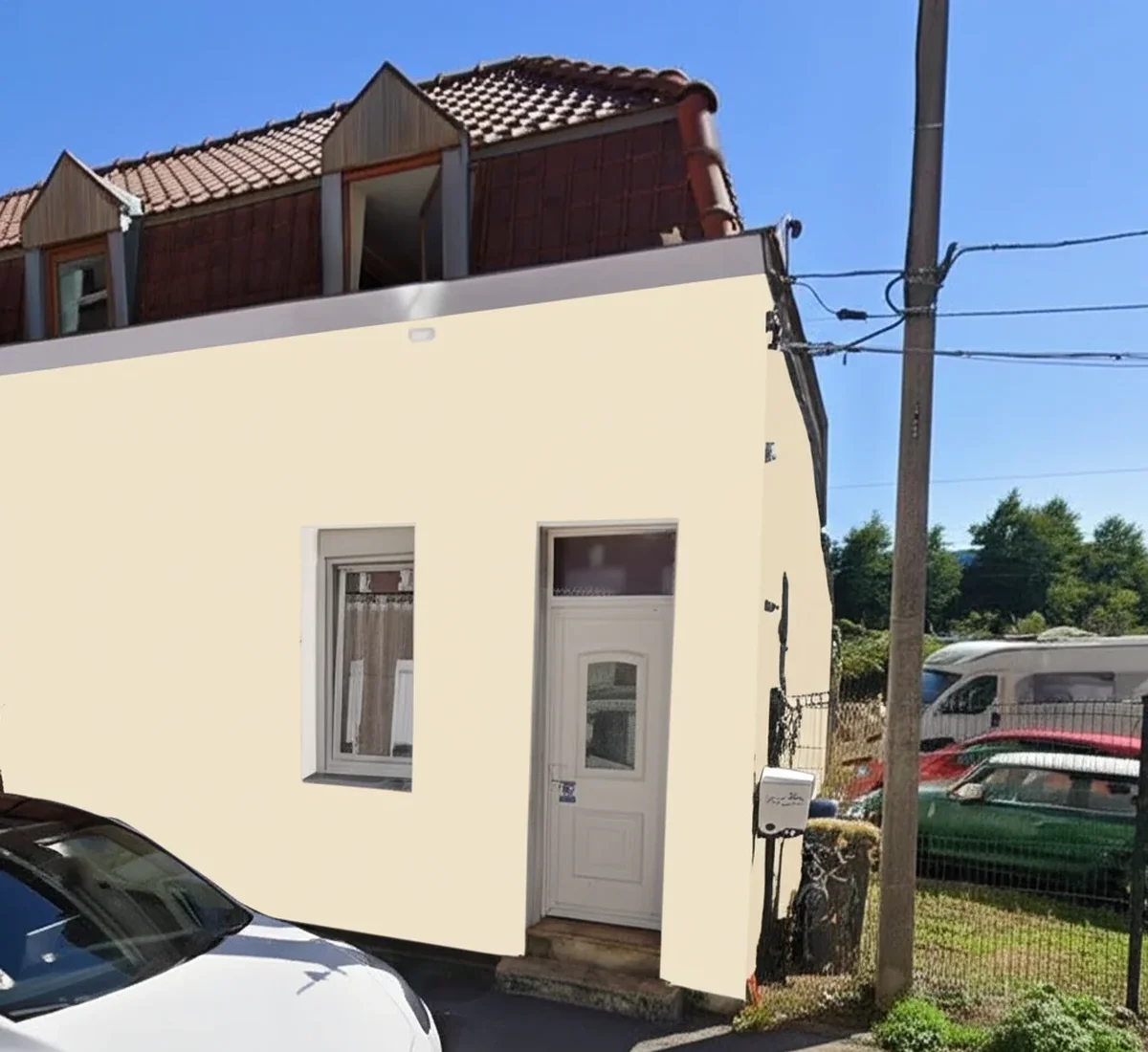
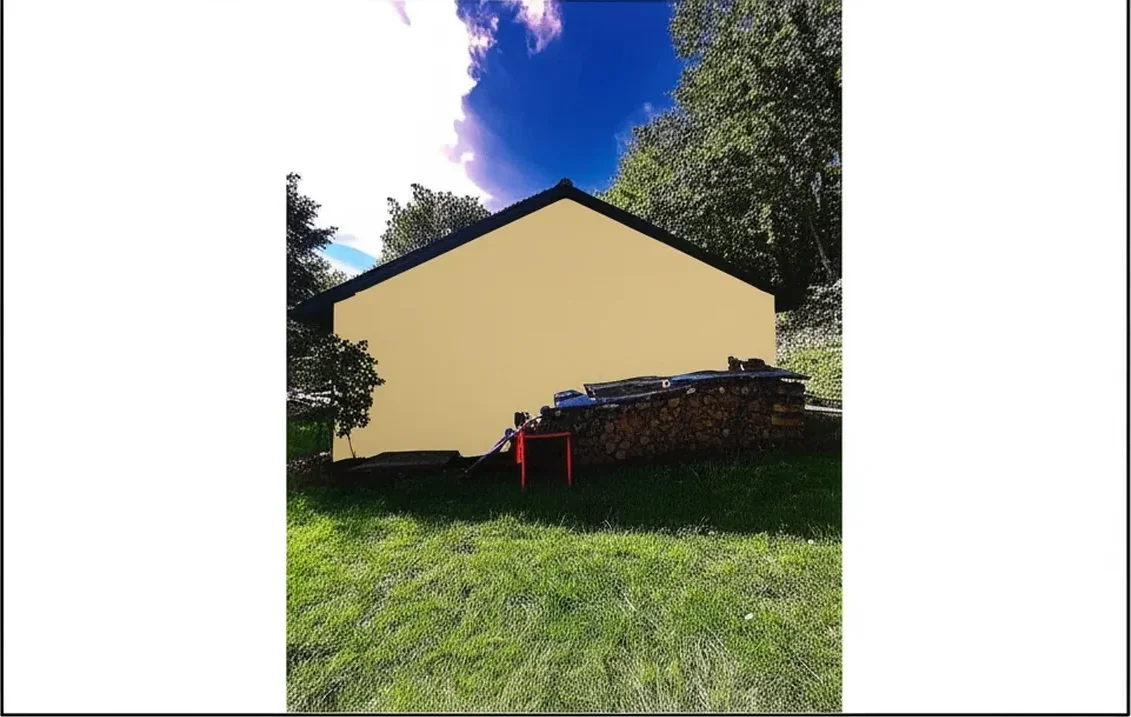
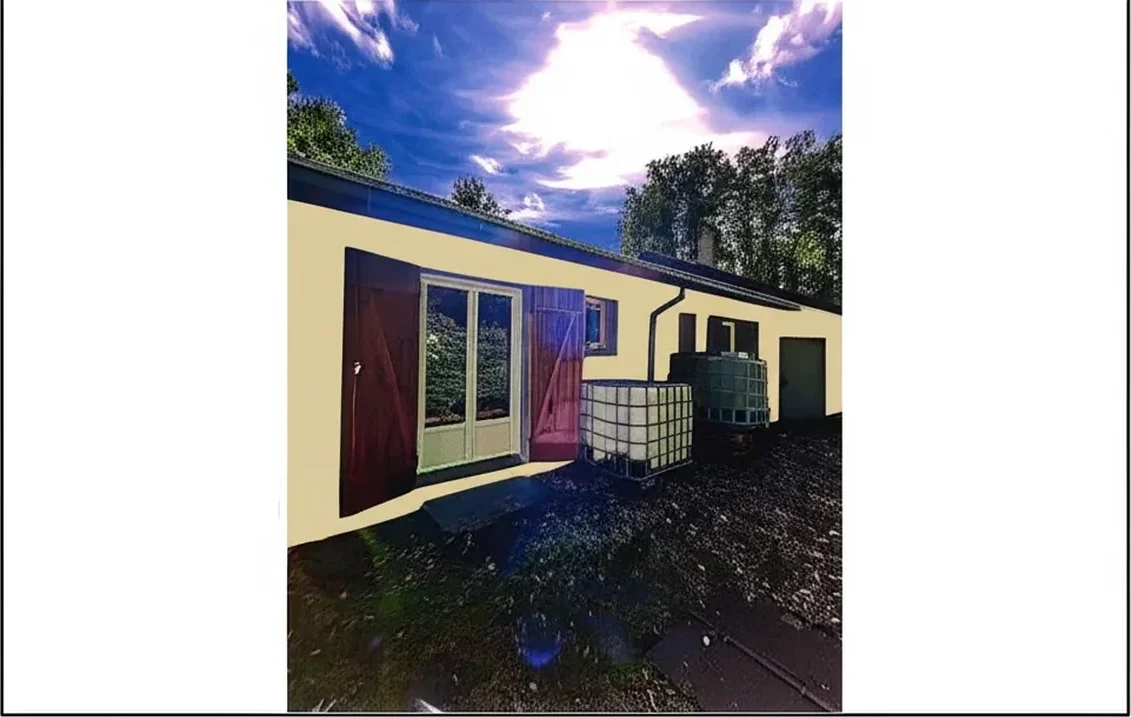
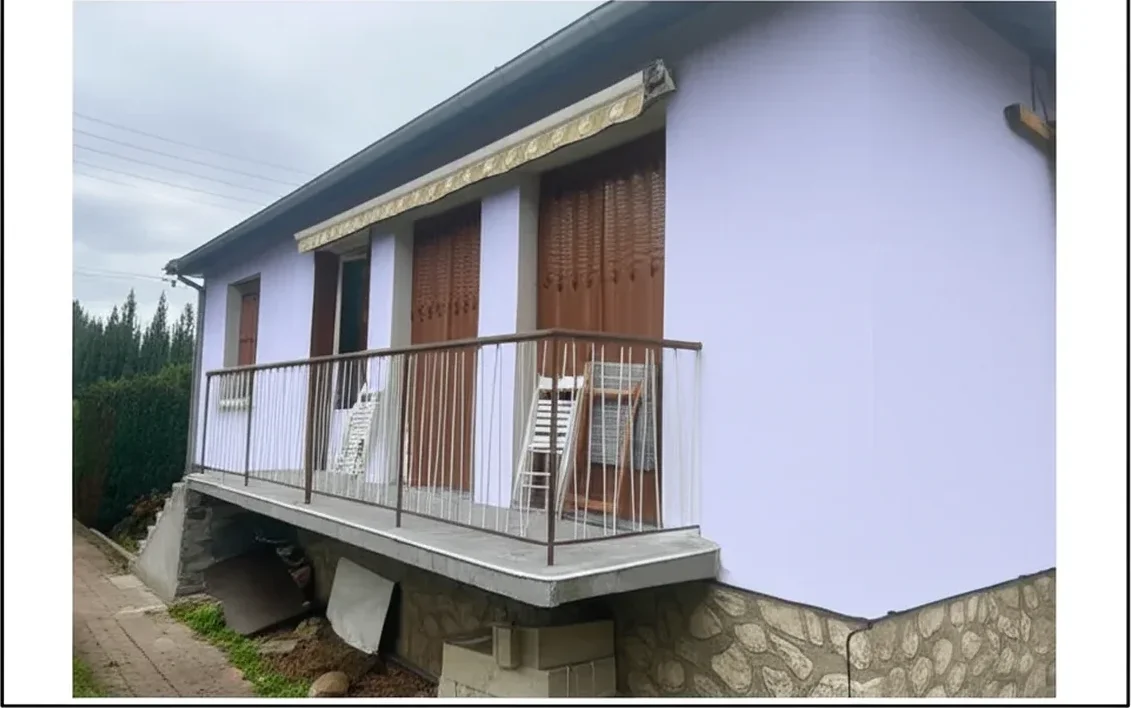
Before you commit to a colour, try our free AI house colour visualiser to see exactly how your property will look — no sample pots, no ladders, no commitment.
How Much Does a Painter and Decorator Cost in Brighton?
Brighton commands some of the highest decorator rates outside London, reflecting its high property values and the specialist skills needed for Regency stucco work. Day rates range from £210 to £320, with hourly rates of £28–£50 depending on experience and the type of work. The average painting project in Brighton comes in at around £950, with most homeowners paying between £520 and £1,800. Here is a full breakdown for 2026:
| Service | Brighton Price | National Average |
|---|---|---|
| Day rate (painter & decorator) | £210 – £320 | £180 – £250 |
| Hourly rate | £28 – £50 | £25 – £40 |
| Single room (walls & ceiling) | £420 – £560 | £380 – £500 |
| Interior walls & ceilings (per m²) | £12 – £30 | £10 – £25 |
| Lime render (per m²) | £60 – £85 | £55 – £80 |
| Regency stucco repair (per m²) | £80 – £140 | N/A |
| Full exterior — 3-bed terrace | £900 – £1,500 | £800 – £1,200 |
| Average project cost | £950 (£520 – £1,800) | £800 (£450 – £1,500) |
Brighton Tip
Brighton's premium rates reflect the specialist skills needed for Regency stucco and maritime-exposed properties. Decorators in Kemp Town, Brunswick, and the seafront areas charge the highest rates. For modern properties in Patcham or Hollingbury, rates are closer to national averages.
Regency Stucco: Brighton's Signature Challenge
Brighton's architectural identity is defined by its Regency stucco terraces — the sweeping white crescents and squares of Kemp Town, Brunswick, Adelaide Crescent, and Lewes Crescent. These properties are among the most demanding to maintain in the UK:
- Stucco composition: original Regency stucco is a lime render mix applied over brick. It must be repaired with compatible lime mortar and lime-based products — never modern cement render, which traps moisture and causes the stucco to blow and crack.
- Repainting cycle: Regency stucco facades typically need repainting every 3–5 years due to maritime salt exposure and UV degradation. Use breathable masonry paint — Dulux Trade Weathershield Smooth Masonry or lime-based coatings are the standard choices.
- Colour restrictions: many Regency terraces in conservation areas have strict colour requirements — typically variations of white, off-white, or cream. Brighton & Hove Council may require specific colours to maintain the uniform appearance of a terrace.
- Stucco repair costs: expect to pay £80–£140 per m² for professional stucco repair in Brighton. Blown or hollow sections need cutting out and re-rendering with lime render. This is specialist work — not all decorators have the skills.
- Scaffold costs: Regency terraces are often 4–5 storeys tall. Scaffold costs for a full Kemp Town or Brunswick facade can run £2,000–£5,000 due to height and restricted access.
Maritime Exposure: Painting by the Sea
Brighton's coastal location creates specific challenges for exterior decorating that inland cities do not face:
- Salt spray: properties within 500 metres of the seafront are exposed to salt-laden air that accelerates paint degradation, causes render crack damage, and corrodes metalwork. South and west-facing facades are worst affected.
- Wind exposure: the seafront and clifftop areas experience strong prevailing winds from the south-west. This drives rain into facades and reduces paint lifespan by 20–30% compared to sheltered inland locations.
- UV intensity: south-facing coastal facades receive intense UV, causing faster fading and chalking. Use paints with high UV resistance — Sandtex 365 and Dulux Trade Weathershield are formulated for exposed conditions.
- Paint specification: for seafront properties, specify masonry paint with enhanced frost resistance and salt resistance. Silicone render systems from K Rend or Weber offer the best long-term protection as self-coloured render products that resist maritime conditions.
Planning Permission and Brighton's 34 Conservation Areas
Brighton & Hove has 34 conservation areas — one of the highest concentrations in England. Understanding the rules before painting is crucial:
- Standard property: no planning permission is needed for painting or repainting your home, including changing the colour. This is classed as permitted development.
- Conservation area: you do not need planning permission simply to repaint in the same colour, but changing the colour of a Regency stucco facade in a conservation area may require approval. You do need permission for cladding, exterior rendering, or any alteration that materially changes the external appearance.
- Listed buildings: Brighton has a very high number of listed building properties, particularly the Regency terraces in Kemp Town, Brunswick, and along the seafront. Any exterior alteration — including repainting — requires Listed Building Consent from Brighton & Hove City Council.
- Article 4 Directions: several Brighton conservation areas have Article 4 Directions that remove permitted development rights, meaning even minor changes like replacing windows or painting may need approval.
Key advice: if your property is in one of Brighton's 34 conservation areas or is a listed building, contact Brighton & Hove City Council's planning team before starting work. The council takes enforcement seriously, particularly on Regency terraces.
Best Season to Paint in Brighton
Brighton's south coast location gives it a milder climate than most of England, but maritime weather adds complications:
- Best months: April to September. Brighton is one of the sunniest cities in the UK, with temperatures between 10°C and 22°C during the painting season.
- Rainfall: Brighton receives roughly 780 mm of rain per year — less than the national average, but coastal storms can be intense and unpredictable.
- Frost risk: Brighton averages only 20–30 frost days per year — significantly fewer than inland cities. This extends the exterior painting season by several weeks compared to northern England.
- Exterior paint longevity: on sheltered inland facades, expect masonry paint to last 5–8 years. On seafront and exposed Regency stucco, expect 3–5 years due to salt spray and wind-driven rain.
- Interior work: can be carried out year-round. Brighton's mild winters make interior decorating comfortable throughout the year.
Rendering Options for Brighton Properties
Beyond Regency stucco repair, Brighton homeowners have several rendering options. Understanding the types and their cost per m² is essential:
- Cement render (sand and cement): at £40–£70/m². Applied as a scratch coat and top coat, then painted with masonry paint. In Brighton's maritime conditions, render crack from salt crystallisation is a common problem. Not recommended for Regency stucco properties.
- Silicone render: a premium option at £80–£130/m². K Rend and Weber silicone systems excel in coastal conditions — their breathable render and self-cleaning properties handle salt spray well. These are self-coloured render products with excellent frost resistance.
- Monocouche render: at £60–£95/m². K Rend and Weber monocouche products with bellcast bead, stop bead, and embedded render mesh for crack prevention.
- Polymer render: a flexible option at £75–£120/m². Good for properties with movement — common in Brighton due to the chalk subsoil.
- Lime render with lime mortar: essential for Regency and period properties. Fully breathable render at £60–£85/m², compatible with the original stucco substrate.
- Pebble dash and roughcast: found on inter-war and post-war properties in areas like Patcham, Woodingdean, and Saltdean. Can be overpainted with masonry paint or over-rendered with silicone render.
Damp is a concern in coastal Brighton. Rising damp and penetrating damp from wind-driven rain both affect properties — a professional property survey or condition report should be carried out before any rendering work.
For scaffold access on Regency terraces, budget £2,000–£5,000. Standard two-storey properties cost £700–£1,600. An access tower suits single-storey work at £80–£200 per week.
Energy Efficiency Grants and Standards
Adding EWI (External Wall Insulation) as part of a rendering project can significantly improve your home's EPC rating. However, EWI is generally not suitable for Regency stucco facades in conservation areas. For qualifying non-listed properties, the ECO scheme (ECO4) and Green Homes Grant successor programmes may cover part of the cost. All insulation work should comply with BS 4800 colour standards where specified.
Understanding Your Exterior Surface Before Painting
Before booking a painter and decorator, it is essential to understand your property's exterior surface. Many UK homes feature pebble dash or roughcast finishes, which require specialist preparation. If your walls have polymer render, self-coloured render, or traditional cement render with a bellcast bead and stop bead at the edges, the paint system must be compatible with these substrates. A condition report from a surveyor can identify any render crack, rising damp, or areas where render mesh has failed beneath the scratch coat and top coat.
For properties with breathable render or lime mortar joints, choose masonry paint that allows moisture vapour to escape — Dulux Trade Weathershield, Sandtex 365, Crown Smooth Masonry, and Farrow & Ball Exterior Masonry are all excellent options conforming to BS 4800 colour standards. If exterior rendering repairs are needed first, expect to pay an additional cost per m² of £40–£80 depending on whether you choose silicone render, monocouche render, or sand and cement render. Accessing upper floors typically requires scaffold or an access tower, adding £500–£1,500 to the total project cost. Properties with an EPC rating of D or below may also qualify for the ECO scheme or Green Homes Grant towards EWI (External Wall Insulation) — combining insulation with repainting can deliver significant savings. Always request a property survey and check frost resistance ratings if work extends into autumn, as K Rend and Weber products have specific temperature requirements.
Visualise Your Brighton Property Before Painting
Whether you are refreshing a Regency stucco terrace in Kemp Town, updating a Victorian villa in Preston Park, or modernising a detached home in Hove, choosing the right colour makes all the difference. FacadeColorizer lets you upload a photo of your property and test any colour in seconds — try Dulux's Polished Pebble, Farrow & Ball's Cornforth White, or Crown's Sail White and see the result instantly. It is completely free, with no sign-up required.