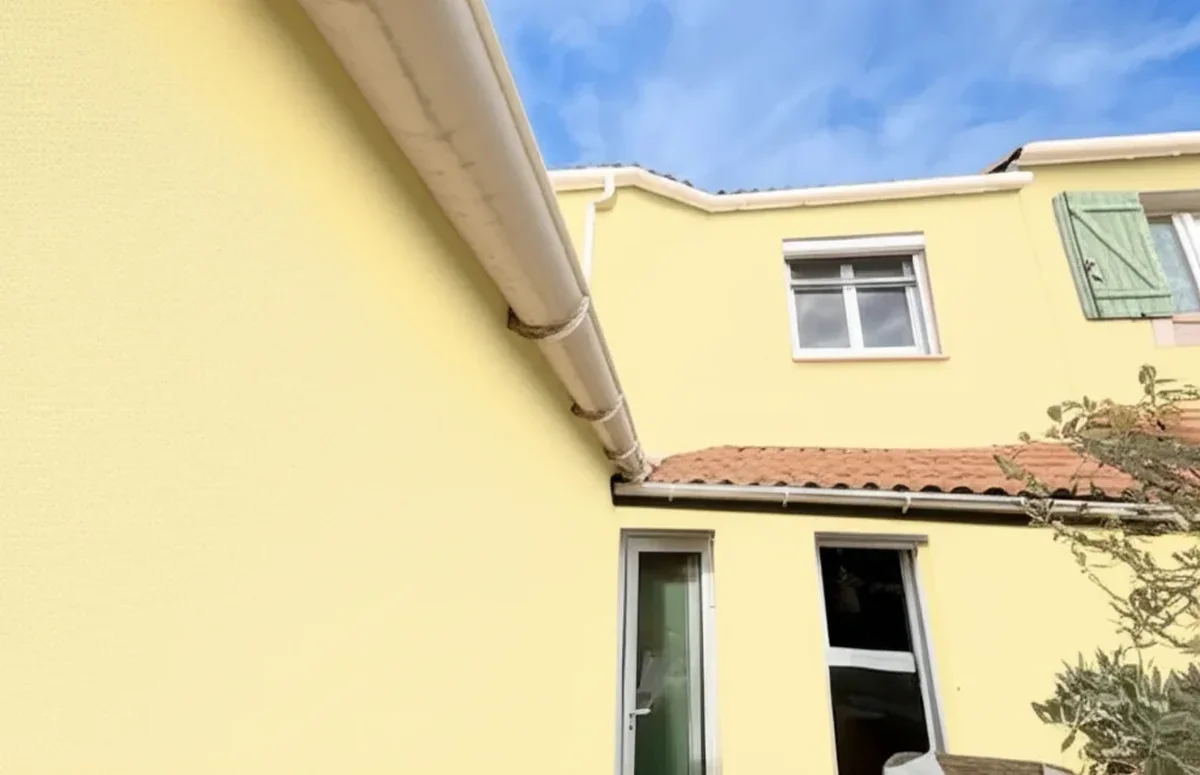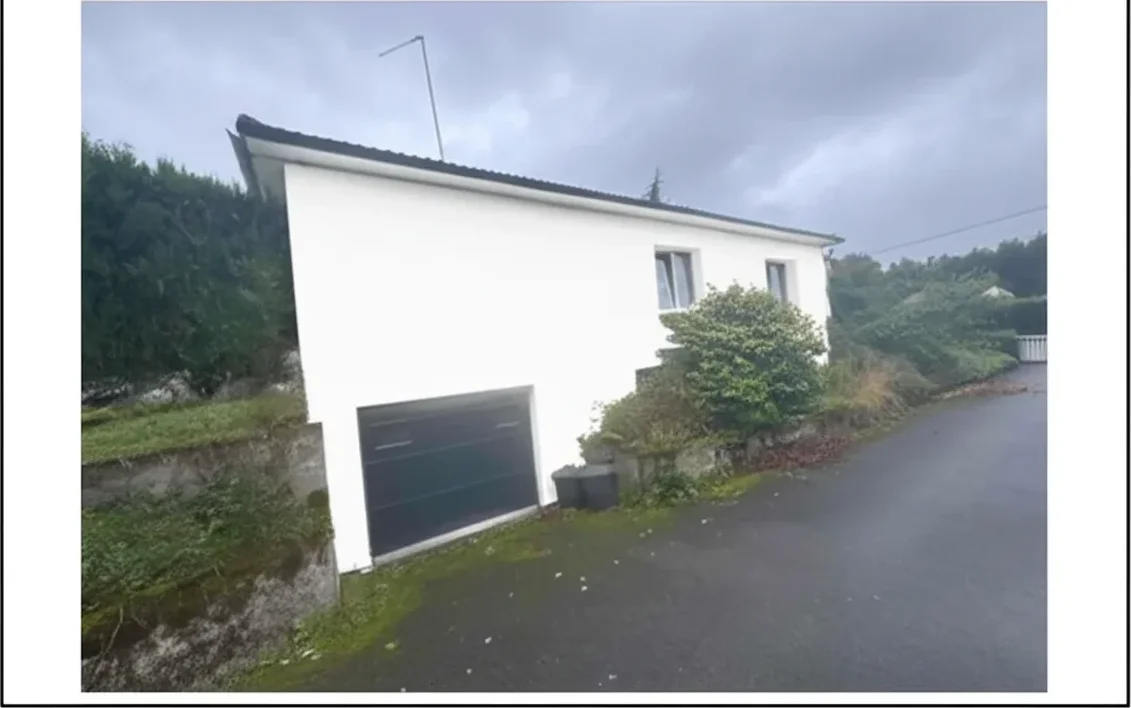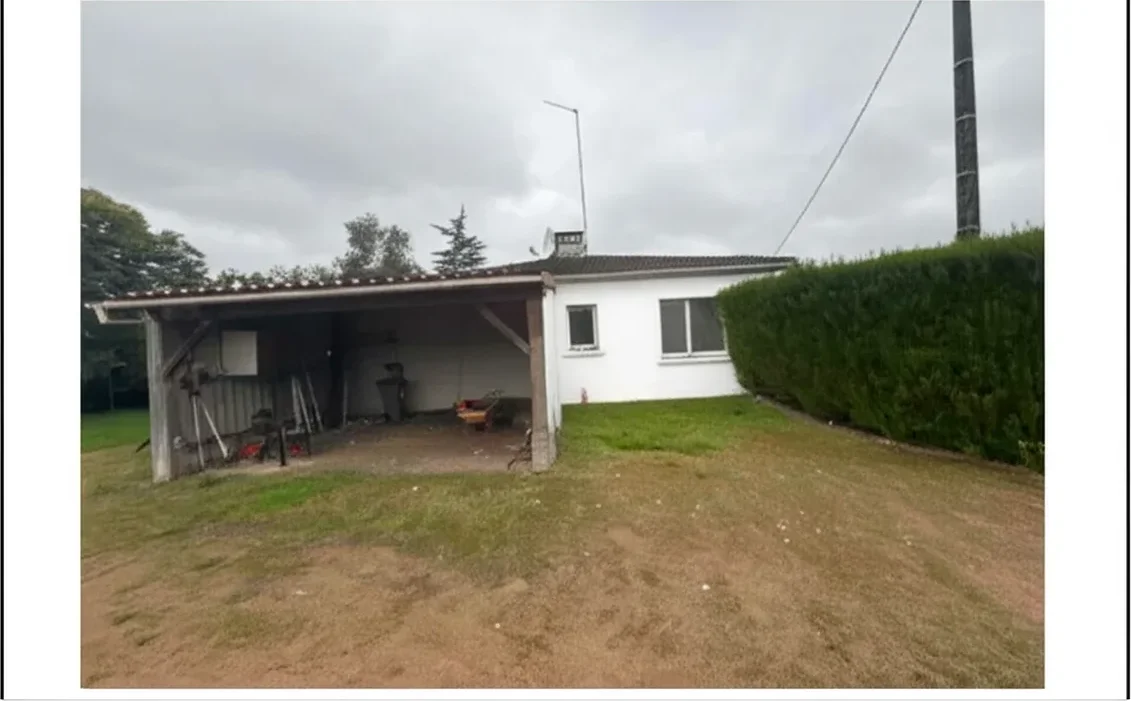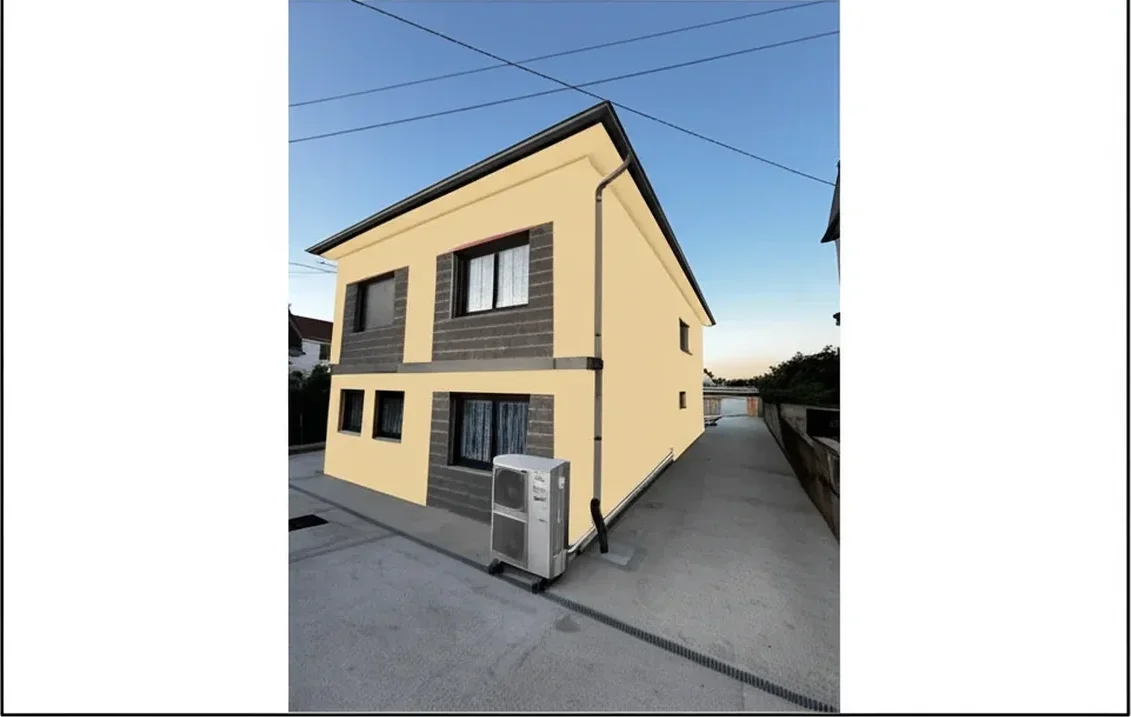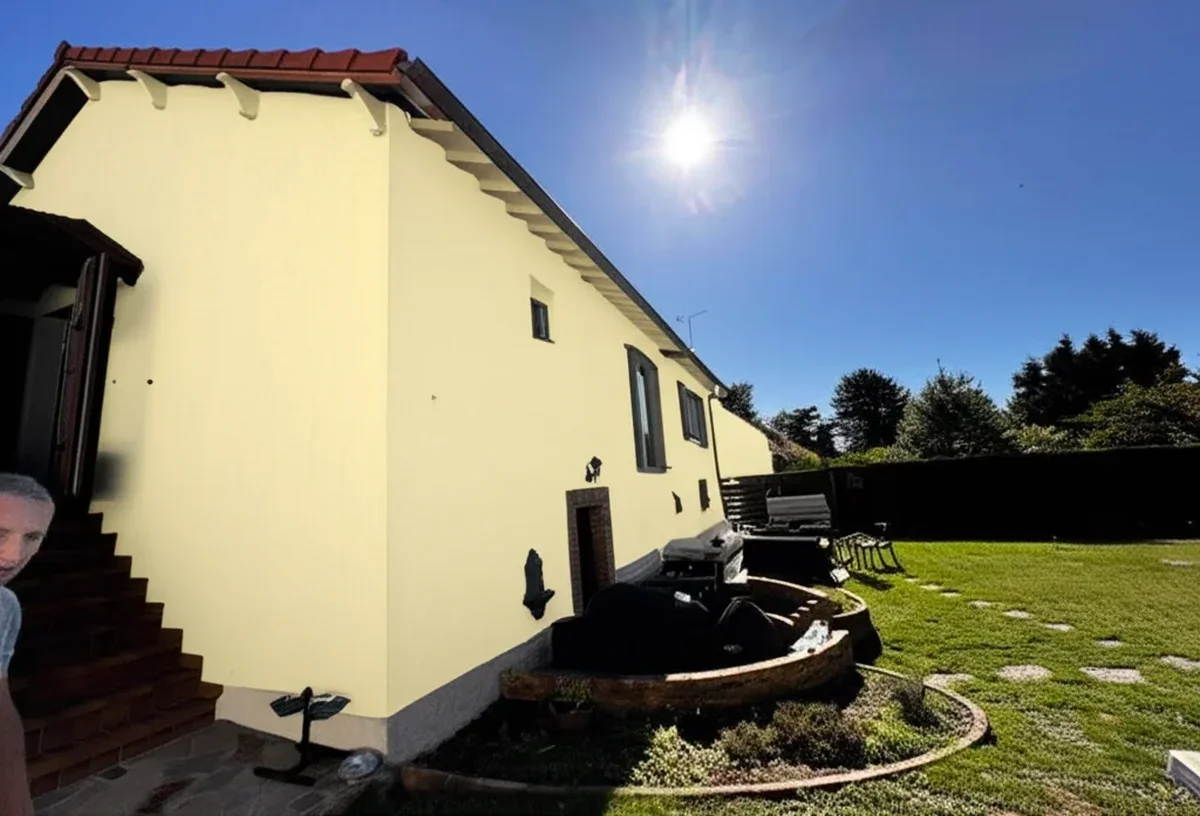
Try it on your house

Rendering a house in the UK in 2026 costs anywhere from £40 to £180 per m² installed, depending on the system you choose and the condition of the existing walls. A budget sand-and-cement refresh on a two-bed bungalow can land at £2,500, while a premium silicone or full external wall insulation (EWI) system on a four-bed detached can pass £18,000. The system you pick locks in maintenance costs and kerb appeal for the next 25 to 50 years, so it pays to understand the trade-offs before the scaffolding arrives.
This pillar guide consolidates the real 2026 prices for every major render system used in Britain, breaks down city-by-city variation from London to Glasgow, explains substrate prep and scaffolding add-ons, and covers the rules for listed buildings and conservation areas. Before you commit to a colour you cannot easily change, preview your house in any render shade with our free AI visualiser so the quote you sign for matches the look you actually want on the wall.
Rendering Cost per m by System (2026 UK Averages)
The render system is the single biggest cost driver, more important than property size or even region. The prices below include labour and materials but exclude scaffolding, which is treated separately further down. Source data is aggregated from Checkatrade, MyJobQuote, Federation of Master Builders, BookaBuilderUK and the EWI Store.
| Render System | Cost per m (Installed) | Lifespan | Best For |
|---|---|---|---|
| Traditional sand and cement | £40 to £80 | 20 to 30 years | Budget refurb, painted finish |
| Cement render plus masonry paint | £45 to £85 | 10 to 15 years (repaint cycle) | Mid-range, colour flexibility |
| Monocouche (through-coloured) | £55 to £90 | 25 to 30 years | New builds, extensions |
| K-Rend silicone monocouche | £55 to £80 | 25+ years | Branded premium monocouche |
| Acrylic render | £40 to £80 | 15 to 20 years | Flexible, crack-resistant |
| Silicone render (Weber, K-Rend SK) | £60 to £120 | 25 to 40 years | Damp climates, self-cleaning |
| Through-coloured silicone | £70 to £130 | 30 to 40 years | Premium finish, no repaint |
| Lime render (NHL) | £55 to £95 | 50+ years | Period and breathable substrates |
| Lime render (listed-grade) | £80 to £140 | 50+ years | Listed buildings, SPAB crews |
| Tyrolean dash | £35 to £65 | 30+ years | Traditional textured finish |
| Pebble dash | £30 to £60 | 30+ years | Exposed walls, low cost |
| EWI system (insulated render) | £90 to £180 | 30+ years | Solid-wall thermal upgrade |
Try it on your house
No photo? Try a sample
Prices verified May 2026 against Checkatrade, MyJobQuote and FMB. London and South East add 15 to 25 percent; Wales, North England and Scotland sit 10 to 20 percent below the national average.
Render Systems Explained: What You Actually Get for Your Money
Monocouche Render
Monocouche means "single coat" in French and is the workhorse of UK new-build sites. The render is through-coloured, so the pigment runs the full thickness of the coat, and a typical 15mm application is sprayed or trowelled on in one pass and finished with a scratched texture. Because there is no painting on top, the maintenance burden drops to occasional washing. Expect £55 to £90 per m installed, with bespoke or very dark colours adding £10 to £20/m due to slower coverage and additional pigment cost.
K-Rend, Weber and the Silicone Monocouche Family
K-Rend and Saint-Gobain Weber are the two dominant brands in the UK monocouche market. Both make hybrid silicone-monocouche systems that combine the through-colour of a traditional monocouche with the hydrophobic, self-cleaning properties of silicone topcoats. K-Rend prices typically sit at £55 to £80/m, Weber slightly lower at £50 to £75/m. Tradespeople tend to pick one or the other based on training and merchant relationship; in practice the finished look and lifespan are very close.
Silicone Render and Through-Coloured Silicone
Silicone render is the premium choice for the UK's damp, rainy climate. It is applied as a thin (3 to 5mm) finishing coat over a base coat with embedded fibreglass mesh, and its hydrophobic surface causes rain to bead and wash dirt away. Standard silicone runs £60 to £120 per m installed; through-coloured silicone, where pigment is integrated rather than mixed at the merchant, sits at £70 to £130. The lifespan of 30 to 40 years and near-zero maintenance often justifies the premium on exposed coastal or northern walls.
The through-coloured version carries a decision that standard render does not. Because the pigment sits in the material rather than in a top coat, changing your mind later is not a repaint, it is a re-render, so the shade has to be right before the scaffold goes up. That is also why a phone-based preview beats a colour card on site: our browser-based visualiser, with no app to install puts the shade on a photo of your own elevation while the renderer is still standing on the drive.
Traditional Sand and Cement
The cheapest mainstream option, sand and cement is applied as a scratch coat plus topcoat, then painted with masonry paint. Total cost lands at £40 to £85 per m depending on whether you include the paint stage. Dulux Weathershield Smooth (around £27 for 5L) carries a 15-year guarantee, Sandtex Trade High Cover (around £27/5L) is the trade standby, and Emperor Masonry Paint (around £69/5L) pushes lifespan to 25 years on a well-prepared substrate. Drawback: the cement coat itself is brittle and prone to hairline cracking, and repainting on an 8 to 12 year cycle adds long-term cost.
Lime Render
Lime is breathable, flexible and compatible with older solid-wall construction. It moves with the building, allows moisture to evaporate outwards, and is the only render system most conservation officers will approve on a listed property. Natural Hydraulic Lime (NHL 2 or NHL 3.5) costs £55 to £95 per m for standard work; listed-building grade with a SPAB-trained crew can reach £140/m. The skill premium is real: lime takes longer to cure (weeks not days), needs damping during application, and is weather-sensitive.
Tyrolean Dash and Pebble Dash
Tyrolean is a sprayed-on textured finish, popular in the 1960s and 1970s and still common on 1980s estates; it costs £35 to £65 per m. Pebble dash uses small stones cast into a wet base coat for a rough, weather-resistant face. Prices are similar at £30 to £60 per m. Both systems are durable but date a property visually, and many owners over-render them in modern silicone or monocouche, see our pebble-dash specific guide for technique.
External Wall Insulation (EWI): the Render with a Thermal Bonus
EWI combines an insulation board (typically 90 to 150mm of EPS or mineral wool), a fibreglass-reinforced base coat and a render finish (silicone, acrylic or mineral). Total installed cost is £90 to £180 per m; on a three-bed semi that translates to £12,000 to £18,000 before grants. The thermal upgrade lifts EPC ratings by one or two bands and can be funded in part or in full through the ECO4 scheme and Great British Insulation Scheme for eligible households (typically D-rated or worse properties with lower-income occupants).
Premium over standalone silicone render is roughly £40 to £80/m, which buys you the insulation boards, mechanical fixings, base coat and mesh. Payback through energy savings runs 8 to 15 years on a pre-1920 solid-wall property.
City-by-City Rendering Cost (Silicone or Monocouche, per m)
Regional variation reflects local labour markets, scaffolding hire rates and parking conditions. The figures below are mid-market silicone or monocouche installed cost on a standard semi-detached, sourced from Checkatrade postcode data and MyBuilder quotes pulled in May 2026.
| City | Silicone Render £/m | Total 3-bed Semi (~100 m) | Region Note |
|---|---|---|---|
| London | £85 to £140 | £9,500 to £15,500 | +25% premium; ULEZ and parking add overhead |
| Manchester | £60 to £105 | £6,800 to £11,500 | Mid-market, strong renderer supply |
| Birmingham | £60 to £100 | £6,500 to £11,000 | Average UK pricing |
| Bristol | £65 to £110 | £7,200 to £12,000 | South West premium; lime work common |
| Liverpool | £55 to £100 | £6,200 to £10,800 | Coastal exposure favours silicone |
| Glasgow | £55 to £95 | £6,000 to £10,500 | Scottish day rates 10 to 15% below England |
| Edinburgh | £65 to £110 | £7,000 to £11,800 | Conservation areas push lime premiums |
| Newcastle | £55 to £95 | £6,000 to £10,200 | North East low end of UK pricing |
| Cardiff | £55 to £100 | £6,200 to £10,800 | Welsh day rates similar to North West England |
| Belfast | £60 to £108 | £6,900 to £12,800 | Below Edinburgh and Bristol; widest postcode spread in this table |
Belfast is the entry worth reading on its own, because the distance between its cheapest and its dearest quote is wider than for any city above it. Prices ease at the BT27 to BT29 commuter fringe where access is straightforward, and climb hard in the Areas of Townscape Character around the city centre and the Malone Road, where traffic management and heritage detailing land on the bill before a single bag of render is opened. Our guide to exterior rendering costs in Belfast works through it postcode by postcode.
Substrate Preparation: the Hidden 30% of Your Quote
Substrate prep is the single most common reason quotes differ by thousands of pounds. The renderer who quoted £5,000 may not have inspected the elevation; the £7,500 quote often includes the prep that the cheaper one will charge as a variation once the scaffolding is up.
- Removing existing render: £15 to £30/m, plus skip hire of £200 to £400. Mandatory if the existing coat is debonded, hollow-sounding or has more than 30% cracking.
- Pebbledash: the one substrate where stripping is often optional. Where the existing coat is firmly bonded, a silicone system can go straight over it, and the rough texture gives the new render an excellent key, which takes the strip-out and the skip out of the quote altogether. Price that against the pebble dash removal cost before you commit to the more disruptive route.
- Brick repointing or blockwork repair: £25 to £60/m on affected areas. Loose pointing must be raked out and remade before any new render touches the wall.
- Damp treatment: £30 to £80/m where rising or penetrating damp is present. Rendering over untreated damp causes failure within months and voids most product warranties.
- Mesh reinforcement on suspect substrates: £8 to £15/m for fibreglass mesh embedded in the base coat. Standard on EWI and silicone systems over solid wall.
- Beads and stop profiles: £3 to £6/m for bellcast, stop bead and corner profiles. Skipping them shortens the lifespan dramatically.
A renderer who does not raise these as line items in writing is either taking shortcuts or planning to invoice them later. Ask every quoting trade to specify prep allowances explicitly.
Scaffolding Costs by Property Height
Scaffolding is usually quoted separately by a specialist hire firm and runs for the duration of the job plus a buffer for weather delays. Typical UK costs for a 3 to 4 week hire:
| Property | Standard Cost (3 to 4 weeks) | London / Restricted Access |
|---|---|---|
| Bungalow / single-storey | £600 to £1,000 | £800 to £1,400 |
| Two-storey semi-detached | £1,000 to £1,500 | £1,400 to £2,200 |
| Two-storey detached | £1,400 to £2,200 | £1,800 to £2,800 |
| Three-storey or terraced (rear access) | £2,000 to £3,500 | £2,800 to £4,500 |
Weather-extended hire is the silent killer of rendering budgets: every extra week typically adds £200 to £400. Book scaffolding for a realistic window (May to September is the safest), and confirm the contract handles weather delays at a fixed weekly rate rather than a daily one.
Listed Buildings, Conservation Areas and the Lime Mandate
If your property is Grade I, II* or II listed, any change to the external render is a material alteration that requires Listed Building Consent. The application is free but takes 8 to 12 weeks to process, and consent is rarely granted for cement, silicone or monocouche systems on historic fabric, conservation officers will normally insist on Natural Hydraulic Lime (NHL 2 or NHL 3.5) to match the original construction.
Conservation areas (over 10,000 designated zones in England alone) do not automatically require consent for rendering, but the local authority can issue an Article 4 Direction that removes permitted development rights on specific street frontages. Always check your council's planning portal before scheduling work; an unauthorised render can be enforced off the building at the owner's cost.
Cost impact of going heritage-spec: the lime render premium adds £20 to £45 per m over standard silicone, plus £600 to £2,000 for a heritage survey and method statement, plus 30 to 50% on day rates because SPAB-trained crews are scarce. Typical premium on a heritage property is 40 to 80% above an equivalent modern-render quote.
Render Standards: BS EN 13914 and What "Compliant" Means
The British Standard BS EN 13914 Parts 1 and 2 govern the design, preparation and application of external rendering and internal plastering. Part 1 covers external rendering, including substrate assessment, mix design, joint detailing and curing. A renderer who works to BS EN 13914 should be able to talk you through suction control, key coats, movement joints and frost protection without prompting. Ask for it in writing on the quote; it is the cheapest insurance you can buy against a job that fails after the warranty expires.
Project Duration and Weather Windows
A two-person rendering team typically applies 15 to 25 m per day on a clean substrate. Realistic timelines:
- Standard 80 to 100 m semi: 1 to 2 weeks of physical work, 2 to 3 weeks including prep.
- With substrate repair or old render removal: 3 to 4 weeks.
- Full EWI install: 3 to 6 weeks.
- Listed-building lime render: 4 to 8 weeks, lime cures slowly and needs damp protection.
Weather windows matter. Cement-based monocouche cannot be applied below 5C or above 30C, during rain, or in strong direct sun (which causes the surface to crack as it dries too quickly). Silicone topcoats need 24 hours of dry weather to cure. November to February in the UK routinely extends scaffold hire by 30 to 50%, which can push a winter job £800 to £1,500 over a summer quote even before factoring in heated curing tents.
DIY vs Pro: Where Self-Application Makes Sense (and Where It Does Not)
Render is overwhelmingly pro work. Monocouche, silicone and lime systems all require trained applicators, mixed-on-site product, mechanical spray equipment for larger jobs and an understanding of suction control, bead placement and weather windows. A self-applied monocouche or K-Rend job typically fails within 2 to 4 years and costs more to remove than the original quote would have been.
The one DIY scenario that holds up: a skim coat refresh of an existing sound cement render. If the wall has minor crazing but is structurally bonded, a competent DIY-er can apply a thin polymer-modified topcoat (Wickes or Toupret render repair) followed by Dulux Weathershield masonry paint. Materials cost about £200 to £400 for a semi, against £3,000+ for a pro job. The limitation: you are not improving the substrate, only the look, and the new finish lasts as long as the existing render underneath.
For any structural render, including a full re-render, EWI, or any work on a listed property, hire a Checkatrade-verified or FMB-member renderer. The cost difference disappears the first time a DIY coat blows off the wall.
Before and After: Render Transformations
Pebble-dash semi rendered in K-Rend silicone monocouche, AI colour preview
Victorian terrace with lime render restoration, AI colour preview
1960s detached with EWI render upgrade, AI colour preview
How to Get the Best Price Without Cutting Corners
- Get 3 to 5 written quotes with itemised prep allowances. Variance of 30 to 40% on the same scope is normal.
- Book between May and September for the cleanest weather window and fewer scaffold-hire extensions.
- Coordinate with neighbours on terraced or semi-detached work, shared scaffolding can save £500 to £1,000 each.
- Check ECO4 eligibility before paying out of pocket for EWI; the scheme can fund 50 to 100% of the cost for D-rated or worse homes with lower-income occupants.
- Standardise the colour to a mainstream monocouche shade (off-white, cream, light grey), bespoke darker colours add £10 to £20/m.
- Settle the finish colour first using a visualiser so you brief every renderer with the same exact specification, which eliminates the "but you said cream" pricing variations.
Where This Pillar Fits in Our UK Cost Guides
If you are planning a full exterior refresh, the figure to put next to these ones is labour. Our UK decorator cost guide 2026 sets out day rates, exterior masonry painting per m², the fifteen cities where those rates diverge most, and Trustmark versus MyBuilder sourcing: that is the comparison to run before you decide between a new render system and simply repainting the render already on the wall. For the rooms behind that wall, the interior decorator cost guide covers per-room budgets and wallpaper hanging. If you are leaning toward a painted render rather than a through-coloured system, the best exterior paint colours UK 2026 guide handles the colour half of the decision. Before you sign a quote, preview render colours on a photo of your house so the finish matches what you pictured. For pricing on the AI visualiser itself, see our pricing page.
Frequently Asked Questions
1. What is the difference between K-Rend and Weber?
Both are leading UK monocouche and silicone render brands. K-Rend is Northern Ireland-based and known for its silicone-K1 finishing topcoat. Weber, owned by Saint-Gobain, produces the Pral, Maxit and Webertherm ranges and tends to be marginally cheaper at the merchant. Tradespeople usually specialise in one or the other; the finished look and 25+ year lifespan are very similar in practice.
2. Silicone render vs acrylic render, which is better?
Silicone is more breathable and self-cleaning thanks to its hydrophobic surface, lasting 25 to 40 years with minimal maintenance. Acrylic is more flexible and slightly cheaper (£40 to £80/m vs £60 to £120) but is less breathable and can trap moisture on damp walls. For the UK climate, silicone is the safer long-term choice on exposed elevations.
3. Will my new render crack?
Hairline crazing on cement-based monocouche is normal within the first 6 to 12 months as the render fully cures and the building settles. Structural cracks are not, and usually indicate poor substrate prep, missing mesh reinforcement, or movement at junctions where bead profiles were skipped. A renderer working to BS EN 13914 should detail crack mitigation in the quote.
4. Can I render over an existing render?
Yes, if the existing coat is sound (well-bonded, no hollow areas when tapped, no widespread cracking). The new system goes on with a primer or stipple coat and embedded mesh. If more than 30% of the existing render is loose, removal is mandatory at £15 to £30/m extra. Always insist on a tap-test inspection before any quote.
5. How long does silicone render last?
A correctly installed silicone render system from K-Rend, Weber, Parex or Sto lasts 25 to 40 years on a UK property. Lifespan depends on substrate prep, exposure (coastal walls weather faster), and whether the topcoat was sun-cured properly. Most manufacturers offer a 25-year warranty when installed by a certified applicator.
6. Do I need planning permission to render my house?
In most of England, Wales and Scotland, rendering falls under permitted development rights and no planning permission is required. Exceptions: listed buildings (Listed Building Consent mandatory), conservation areas with an Article 4 Direction, national parks and AONBs. Always check your local planning portal before booking.
7. Can I paint over a monocouche or silicone render?
Technically yes, but it defeats the purpose. Through-coloured renders are designed not to need painting, and applying masonry paint adds a maintenance cycle (repaint every 8 to 12 years) the system was built to eliminate. If you want a different colour, the cleaner solution is to replace the topcoat rather than paint over it.
8. How much does it cost to render a 3-bedroom house in the UK?
For a typical three-bed semi (80 to 120 m of wall), expect £4,500 to £9,500 for silicone or monocouche, £2,500 to £5,000 for sand and cement plus paint, and £12,000 to £18,000 for full EWI. Scaffolding adds £1,000 to £2,200. London and the South East run 15 to 25% above these figures.
9. Is lime render really necessary on a listed building?
In almost every case yes. Conservation officers reject cement, monocouche and silicone systems on historic fabric because they are non-breathable and trap moisture against solid walls. Natural Hydraulic Lime (NHL 2 or NHL 3.5) is the standard specification, applied by a SPAB-trained or heritage-experienced renderer. Premium over standard render: 40 to 80%.
10. What is BS EN 13914?
BS EN 13914 is the British Standard covering external rendering (Part 1) and internal plastering (Part 2). It sets out substrate assessment, mix design, application technique and curing requirements. Asking your renderer to confirm compliance in writing is the simplest way to weed out unqualified trades.
11. Can I get a grant for rendering with insulation?
Yes, if your home is solid-walled (typically pre-1920), EPC-rated D or worse, and you meet the income criteria. ECO4 and the Great British Insulation Scheme fund a portion or all of EWI for eligible households. Apply through your energy supplier or a recognised installer; checks take 4 to 8 weeks.
12. How do I avoid render quote disputes mid-job?
Three things: itemised prep allowances in writing, a fixed weekly rate for any weather-extended scaffolding, and a clear photo of the agreed colour reference attached to the contract. The last point is where an AI visualiser pays for itself, you brief every quoting renderer with the same image of the finished look you want, which removes most of the variation that gets billed as a change later.
Trademarks mentioned (Sherwin-Williams, Benjamin Moore, Behr, Caparol, Brillux, Sto, Alpina, Valspar, PPG, Glidden, Dulux, Crown Trade, Sandtex, Farrow & Ball, Johnstone's, Leyland) are property of their respective owners. FacadeColorizer is independent and not affiliated with any of them. Nominative fair use under Lanham Act §1125.