Looking for a painter and decorator in Bristol? From the candy-coloured Georgian terraces of Clifton and Totterdown to the grand Regency crescents of Cotham and the rendered Victorian villas of Redland, Bristol is a city where exterior colour is celebrated. Whether you need a full exterior repaint, lime render repairs on a listed townhouse, or an interior refresh, understanding local costs and conservation rules is essential. This guide covers the real 2026 prices, planning regulations, and practical advice for hiring a decorator in Bristol.
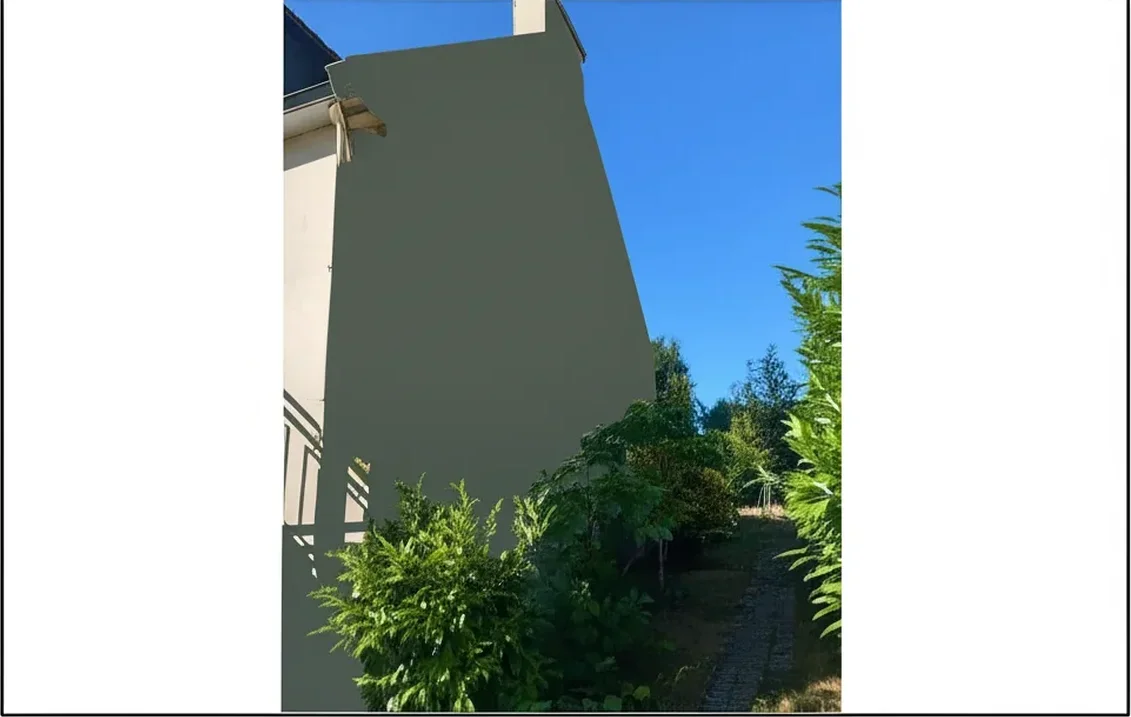
Before you commit to a colour, try our free AI house colour visualiser to see exactly how your property will look — no sample pots, no ladders, no commitment.
How Much Does a Painter and Decorator Cost in Bristol?
Bristol decorator rates reflect the city's status as the economic hub of the South West. Day rates sit between £200 and £300, with hourly rates of £25–£45 depending on experience and the neighbourhood. The average painting project in Bristol comes in at around £890, with most homeowners paying between £500 and £1,600. Here is a full breakdown for 2026:
| Service | Bristol Price | National Average |
|---|---|---|
| Day rate (painter & decorator) | £200 – £300 | £180 – £250 |
| Hourly rate | £25 – £45 | £25 – £40 |
| Single room (walls & ceiling) | £400 – £550 | £380 – £500 |
| Exterior rendering (per m²) | £60 – £85 | £55 – £80 |
| Lime render (per m²) | £60 – £80 | £55 – £80 |
| Full exterior — 3-bed terrace | £850 – £1,400 | £800 – £1,200 |
| Average project cost | £890 (£500 – £1,600) | £800 (£450 – £1,500) |
Bristol Tip
Rates vary significantly across the city. Decorators in Clifton, Redland, and Stoke Bishop charge 15–25% more than those in Bedminster, Southville, or Easton. For the best value, get at least three quotes from decorators based near your property.
Georgian Terraces and Colourful Facades in Bristol
Bristol is famous for its colourful houses, particularly the rainbow terraces of Totterdown and the elegant Georgian crescents of Clifton. The city's architectural mix of Georgian and Regency properties presents unique decorating challenges:
- Rendered Georgian facades: many Georgian terraces in Clifton and Cotham have lime render over rubble stone walls. Repairs must use lime mortar and breathable render — never modern cement render, which traps moisture and causes damp. Expect to pay £60–£80 per m² for lime render restoration in Bristol.
- Coloured renders and limewash: Bristol's tradition of brightly painted houses means many properties use tinted limewash or masonry paint over render. Farrow & Ball and specialist limewash suppliers are popular choices for period-appropriate colours.
- Sash windows and timber: Georgian and Regency properties typically have original or replacement timber sash windows requiring repainting every 5–7 years. Budget £55–£90 per window for preparation and two coats.
- Ornamental stucco: Regency crescents often feature elaborate stucco mouldings. Skilled decorators charge a premium for detailed preparation and cutting-in around cornices, pilasters, and string courses.
Planning Permission and Conservation Areas in Bristol
Bristol has 33 conservation areas, and the rules around exterior decoration vary depending on your property's status:
- Standard property: no planning permission is needed for painting or repainting your home, including changing the colour. This is classed as permitted development.
- Conservation area: you do not need planning permission simply to repaint, but you do need permission for cladding, exterior rendering, or any alteration that materially changes the external appearance of the building.
- Listed buildings: Bristol has a significant number of listed building properties, concentrated in Clifton, the Old City, and King Street. Any exterior alteration — including repainting — requires Listed Building Consent from Bristol City Council.
- Article 4 Directions: several Bristol conservation areas have Article 4 Directions that remove permitted development rights. Check with Bristol City Council's planning department before starting any work.
Key advice: if your property is in a conservation area or is a listed building, contact Bristol City Council's planning team before starting work. Fines for unauthorised alterations can be substantial.
Best Season to Paint in Bristol
Bristol benefits from an oceanic mild climate, making the painting season slightly longer than northern cities:
- Best months: April to October. Temperatures typically sit between 10°C and 23°C during the warmer months — ideal for paint adhesion and curing. June and July are usually the driest months.
- Rainfall: Bristol receives roughly 800 mm of rain per year with around 130 rain days. West-facing walls are most exposed to prevailing Atlantic weather.
- Frost risk: Bristol averages 30–40 frost days per year — fewer than northern cities. Exterior paint should never be applied below 5°C, but the milder climate allows work into late October most years. Frost resistance in masonry coatings remains important for north-facing elevations.
- Exterior paint longevity: on masonry surfaces, expect exterior paint to last 5–10 years. South-facing walls in sheltered positions last longest; exposed west-facing rendered facades may need recoating sooner due to Atlantic weather.
- Interior work: can be carried out year-round. Many Bristol decorators offer lower rates for interior projects during the quieter winter period.
Choosing a Decorator in Bristol
Bristol has a strong supply of painter and decorator professionals, but finding the right one requires due diligence:
- Check Checkatrade or MyBuilder: look for decorators with 25+ reviews and a rating of 4.5 or above. Personal recommendations from neighbours are equally valuable.
- Verify experience with your property type: a decorator experienced with Georgian rendered terraces will approach the job differently from one used to modern plasterboard. Ask for examples of similar work.
- Request itemised quotes: preparation, number of coats, paint brand (Dulux Trade, Farrow & Ball, or Crown), and any scaffold costs should all be listed separately.
- Insurance: confirm public liability insurance of at least £2 million. This is non-negotiable.
- Paint quality matters: insist on trade-grade paint. Dulux Trade Weathershield and Crown Trade are the workhorses of the industry, while Farrow & Ball is popular for period properties. For exterior masonry, Sandtex 365 is excellent for Bristol's damp climate.
- PDA membership: Painting & Decorating Association members adhere to professional standards and carry appropriate insurance.
Rendering Options and Damp Solutions for Bristol Properties
Bristol's mild but damp climate means exterior rendering choices must balance weather protection with breathability. Understanding the different render types and their cost per m² helps you make the right decision:
- Cement render (sand and cement): the traditional option at £40–£70/m². Applied as a scratch coat followed by a top coat, then painted with masonry paint such as Dulux Trade Weathershield or Sandtex. Requires repainting every 5–8 years. Watch for render crack damage in exposed positions.
- Silicone render: a premium option at £80–£130/m². K Rend silicone systems are widely used across Bristol and the South West for their self-cleaning, breathable render properties and excellent frost resistance. Weber also offers high-quality silicone renders. These are self-coloured render products that never need repainting.
- Monocouche render: a single-coat, through-coloured system at £60–£95/m². K Rend and Weber monocouche products are applied in one pass. A bellcast bead at the base and stop bead at edges ensure clean termination. Render mesh is embedded for crack prevention.
- Polymer render: a flexible, crack-resistant option at £75–£115/m². Ideal for properties with movement or settlement — common in older Bristol terraces built on slopes.
- Lime render with lime mortar: essential for period Georgian properties and conservation area work. Fully breathable render at £60–£80/m², allowing moisture to escape from older rubble stone walls.
- Pebble dash and roughcast: common on 1930s–1960s Bristol semis. Can be overpainted with masonry paint or covered with modern silicone render.
Damp is a persistent concern in Bristol's maritime climate. Rising damp affects ground-floor walls, particularly in Georgian basements and lower-ground-floor properties in Clifton and Hotwells. A professional property survey or condition report can identify the source before rendering. Always use breathable render and masonry paint on older stone and rubble-wall properties.
For scaffold access on Bristol's tall Georgian terraces, budget £700–£2,000 — many properties in Clifton are four or five storeys. An access tower is a cheaper alternative for single-storey work at £80–£200 per week.
Energy Efficiency Grants and Standards
Adding EWI (External Wall Insulation) as part of a rendering project can significantly improve your home's EPC rating. The Green Homes Grant successor schemes and the ECO scheme (ECO4) may cover part of the cost for qualifying households in Bristol. All insulation work should comply with BS 4800 colour standards where specified.
Understanding Your Exterior Surface Before Painting
Before booking a painter and decorator, it is essential to understand your property's exterior surface. Many UK homes feature pebble dash or roughcast finishes, which require specialist preparation. If your walls have polymer render, self-coloured render, or traditional cement render with a bellcast bead and stop bead at the edges, the paint system must be compatible with these substrates. A condition report from a surveyor can identify any render crack, rising damp, or areas where render mesh has failed beneath the scratch coat and top coat.
For properties with breathable render or lime mortar joints, choose masonry paint that allows moisture vapour to escape — Dulux Trade Weathershield, Sandtex 365, Crown Smooth Masonry, and Farrow & Ball Exterior Masonry are all excellent options conforming to BS 4800 colour standards. If exterior rendering repairs are needed first, expect to pay an additional cost per m² of £40–£80 depending on whether you choose silicone render, monocouche render, or sand and cement render. Accessing upper floors typically requires scaffold or an access tower, adding £500–£1,500 to the total project cost. Properties with an EPC rating of D or below may also qualify for the ECO scheme or Green Homes Grant towards EWI (External Wall Insulation) — combining insulation with repainting can deliver significant savings. Always request a property survey and check frost resistance ratings if work extends into autumn, as K Rend and Weber products have specific temperature requirements.
Visualise Your Bristol Property Before Painting
Whether you are refreshing a Georgian terrace in Clifton, updating a colourful cottage in Totterdown, or modernising a Regency villa in Cotham, choosing the right colour makes all the difference. FacadeColorizer lets you upload a photo of your property and test any colour in seconds — try Farrow & Ball's Cornforth White, Dulux's Polished Pebble, or Crown's Sail White and see the result instantly. It is completely free, with no sign-up required.