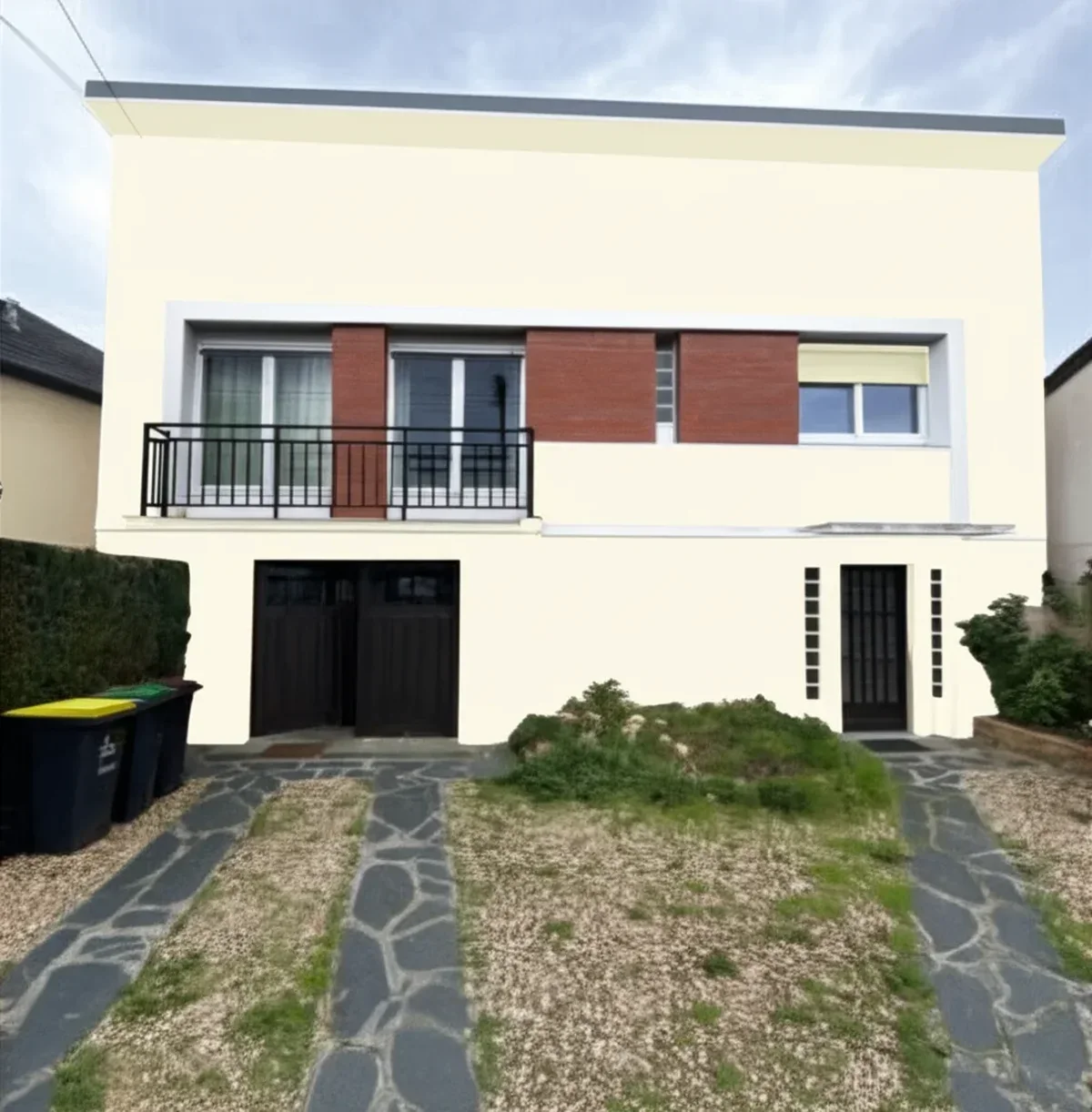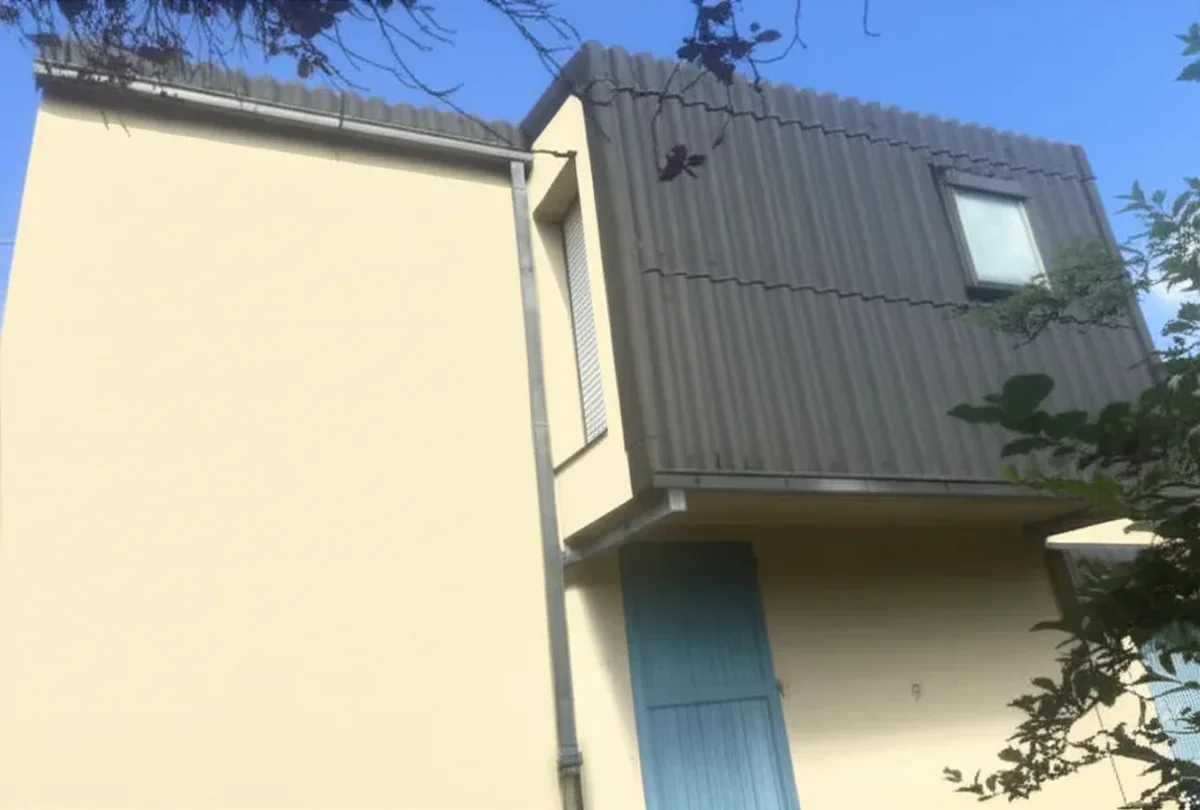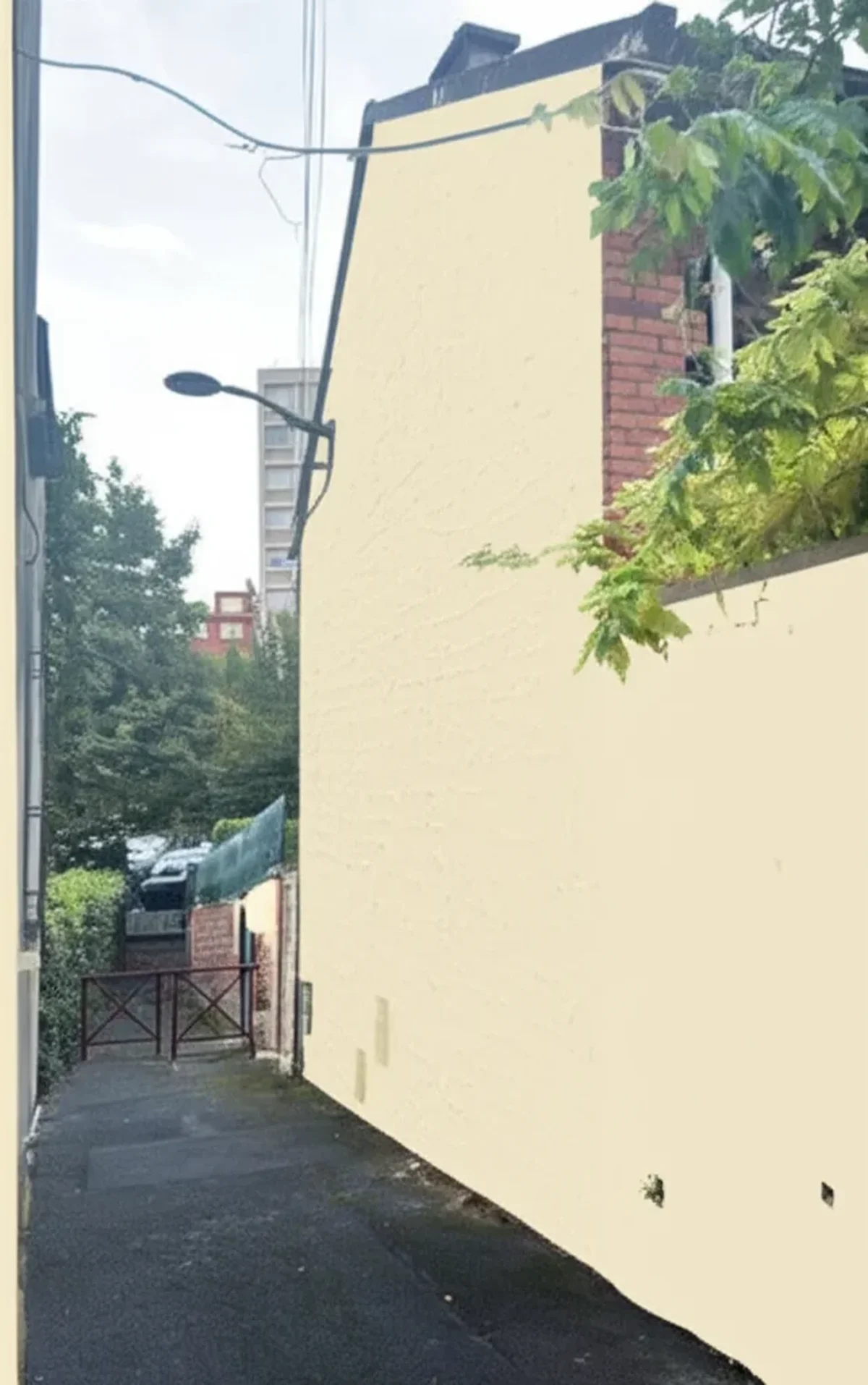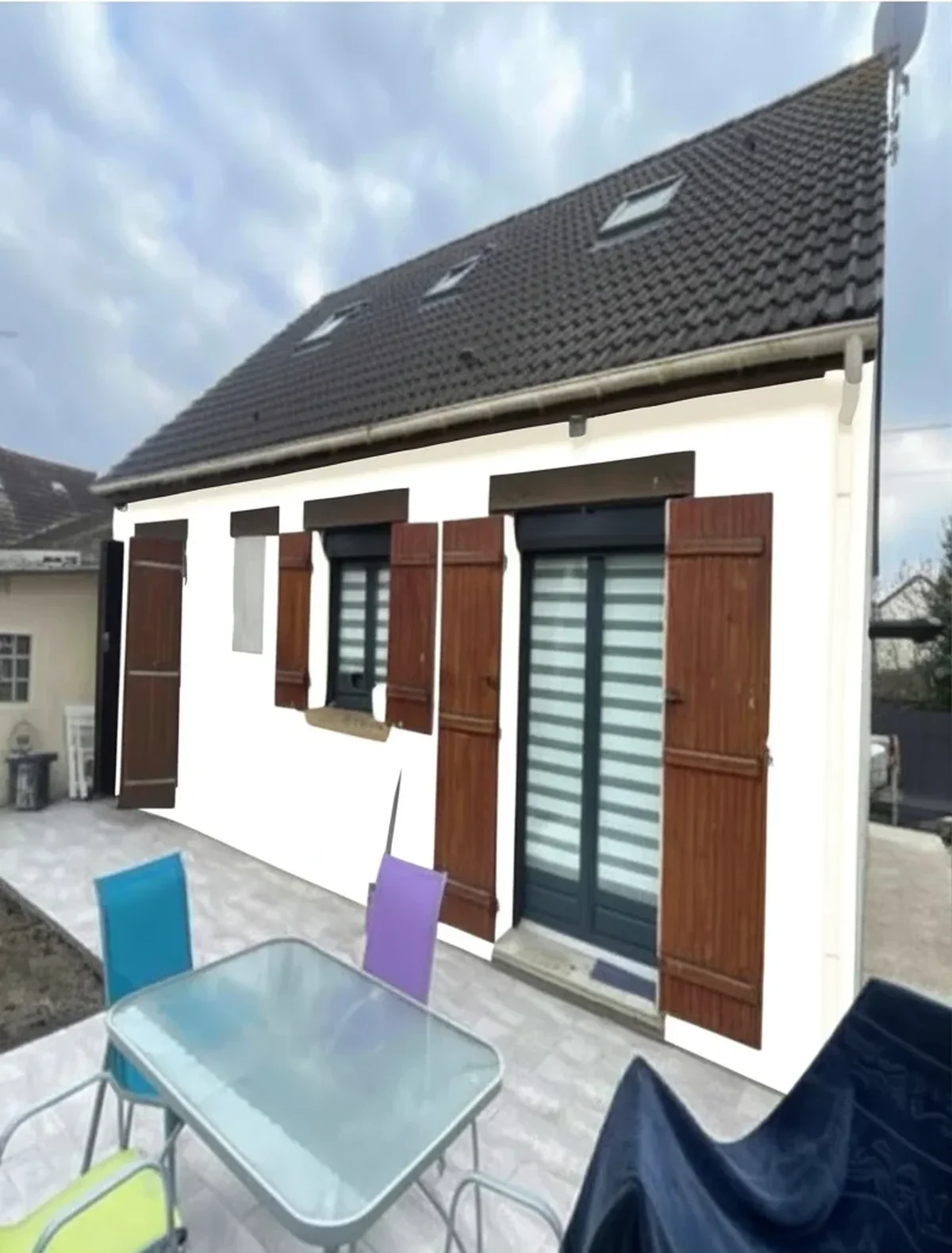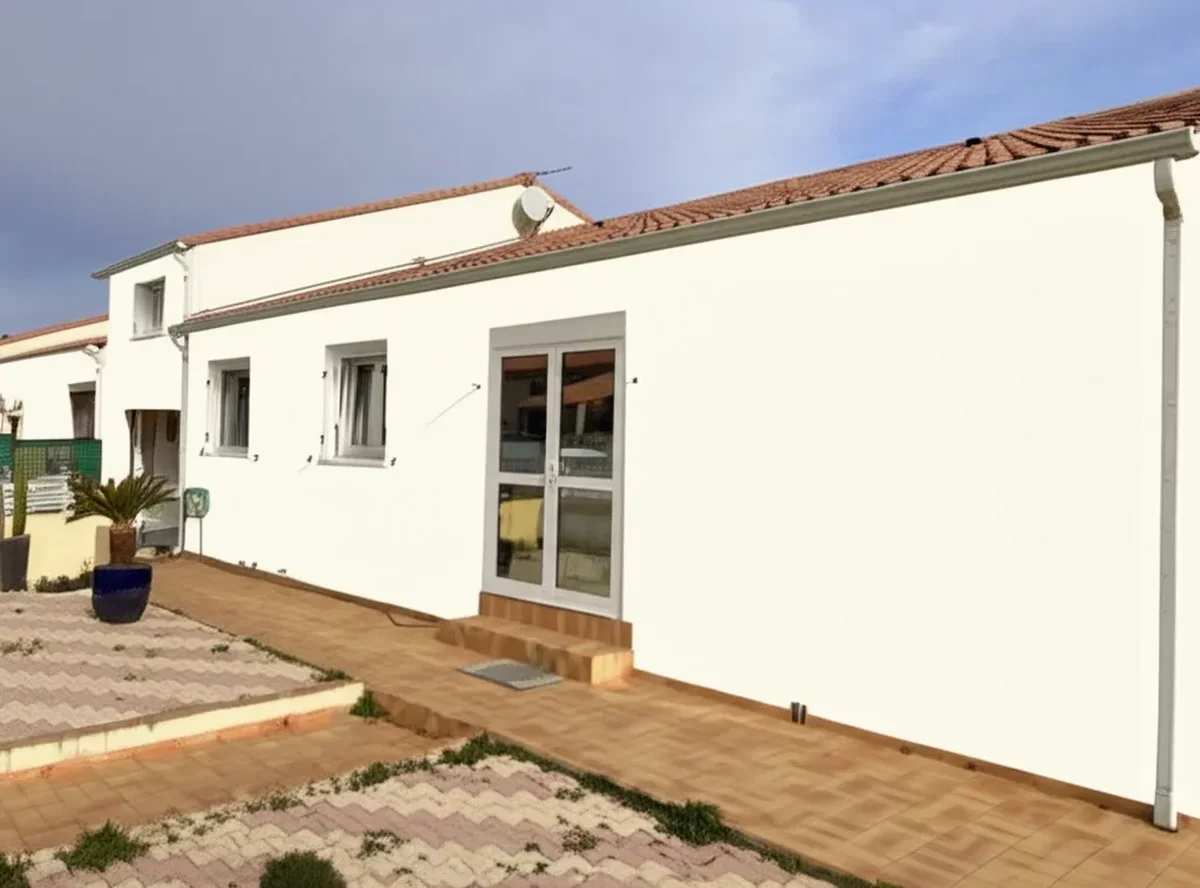
Try it on your house

Why Timing Matters for Exterior House Painting
Scheduling your exterior house painting project at the right time of year is one of the most important decisions you can make as a homeowner. Weather conditions directly affect how well latex paint and acrylic paint bond to your siding, trim, fascia, and soffit. Paint applied in poor conditions leads to premature peeling, cracking, and chalking-problems that can cost thousands of dollars to fix and slash your home's curb appeal and property value.
Understanding temperature ranges, humidity thresholds, and regional climate patterns helps you choose the window that delivers the best fade resistance, adhesion, and long-term durability from top brands like Sherwin-Williams, Benjamin Moore, and Behr. It can also save you real money: booking a painting contractor in the off-season can cut labor costs by 10–15%.
Ideal Temperature and Humidity for Exterior Paint
Every can of exterior paint carries a recommended application window, and ignoring those numbers is the fastest route to a failed finish. The general rule: keep the air temperature between 50°F and 85°F (10–29°C) for the full drying and curing period. Humidity should stay in the 40–70% range. Painting above 85°F can cause acrylic paint to dry too fast, trapping solvents under the film and producing blistering. Below 50°F, latex paint thickens and refuses to level out smoothly.
Sherwin-Williams notes that premium lines like Duration and Resilience can be applied at temperatures as low as 35°F, giving contractors a wider seasonal window. Benjamin Moore recommends checking the specific Technical Data Sheet for each product, but its Aura Exterior line performs well down to 40°F. Standard Behr exterior acrylics follow the traditional 50°F minimum. Regardless of brand, the surface temperature must remain at least 5°F above the dew point for a minimum of 48 hours after application. For the underlying chemistry (dew point math, surface-vs-air temperature, and ASTM-backed humidity limits), see our science of the best weather to paint outside.
Moisture is the enemy. Power washing and surface preparation should be completed at least 24–48 hours before painting so every surface-stucco, wood, or fiber cement-is bone dry. If rain is forecast within 4–8 hours, postpone. High humidity extends dry time, allowing dirt and insects to stick to tacky paint and reducing mildew resistant performance.
Best Season by US Region
The United States spans several climate zones, so the optimal painting window varies. Below is a region-by-region breakdown to help you plan whether you're dealing with coastal humidity, desert heat, or northern freeze-thaw cycles.
| Region | Best Months | Avg. Temp Range | Key Consideration |
|---|---|---|---|
| Northeast | May – Oct | 55–82°F | Avoid painting after November; freeze-thaw destroys uncured film |
| Southeast / Gulf Coast | Oct – Mar | 50–78°F | Summer heat and hurricanes; cooler months lower humidity |
| Midwest | May – Jun / Sep – Oct | 55–80°F | Hot, humid summers and harsh winters narrow the window |
| Southwest / Desert | Mar – May / Oct – Nov | 60–85°F | Triple-digit summer heat causes blistering; paint early or late |
| West Coast (CA, OR, WA) | Jun – Oct | 58–80°F | Pacific Northwest rain season starts November; plan ahead |
Try it on your house
No photo? Try a sample
In hot-climate cities like Phoenix, summer highs regularly exceed 110°F, so most painting contractors shift work to the October–April window. If you are planning a project in the Phoenix metro area, see our house painting Phoenix cost guide for localized pricing and scheduling tips.
The Pacific Northwest constrains the calendar from the opposite direction, and more tightly than the June to October row suggests. In Portland, July and August are the only months that reliably stay dry (about 0.67 inches of rain each), which is why local crews are usually booked solid by May for the whole summer. Booking in February for August is normal there, not early. Our Portland exterior painting cost guide covers that calendar, the cedar-siding prep it forces, and the off-season premium contractors charge to work into October.
How Weather Affects Paint Adhesion and Drying
Paint is a chemical coating, and its curing process is sensitive to environmental conditions. Here is how specific weather factors influence the final result:
- Rain: Wet surfaces prevent the primer and topcoat from bonding. Wait at least 24 hours after rain so the substrate dries completely. If rain returns within 4 hours of application, expect wash-off and adhesion failure.
- High humidity (above 70%): Extends drying time dramatically, leaving the film tacky and vulnerable to dirt, insects, and mildew.
- Wind: Moderate breeze (5–10 mph) aids drying, but gusts above 15 mph blow dust and debris onto wet paint and can dry the film unevenly, causing a rough texture.
- Direct sunlight: Causes the top layer to skin over while solvents are still trapped beneath, leading to bubbling. Work on the shady side of the house, or follow the sun around the structure throughout the day.
- Dew point: If the surface temperature falls within 5°F of the dew point, condensation forms and ruins adhesion. Professional crews check the dew point every morning before starting.
Proper surface preparation-including power washing, scraping, caulking, wood filler repairs, and priming-also depends on dry conditions. A two-coat system (primer plus two topcoats) applied with spray, brush, or roller under ideal weather conditions can last 7–10 years on most substrates. The same dry-weather window matters if you are also staining your deck that season, since exposed horizontal wood needs even longer to cure before foot traffic and overnight dew.
Peak vs. Off-Season Pricing: Save 10–15%
Labor is the single largest line item in any exterior house painting budget, and demand drives the price. Late spring and summer are peak season for contractors, which means higher rates, longer wait times, and less flexibility on scheduling. Booking your project in late fall or early spring-when painters have lighter schedules-can save 10–15% on labor alone. For a full breakdown of costs, visit our exterior house painting cost 2026 guide.
| Factor | Peak Season (Jun–Aug) | Off-Season (Nov–Mar) |
|---|---|---|
| Avg. Cost per Sq Ft | $1.75 – $4.50 | $1.50 – $3.80 |
| Typical Wait for Scheduling | 3–6 weeks | 1–2 weeks |
| Labor Savings | Standard rates | 10–15% lower |
| Weather Risk | Low (most regions) | Moderate – longer dry times possible |
| Contractor Availability | Limited – book early | Widely available |
The trade-off is real: off-season projects may face weather delays, and in northern states the window between "too cold" and "peak demand" is narrow. In warmer markets like Houston and Dallas, the off-season advantage is strongest because mild winters still deliver painting-friendly temps. Check our Houston exterior painting cost guide for region-specific pricing.
Choosing the Right Paint and Sheen for Your Season
Not all paint formulas behave the same way in every season. If you are painting in cooler shoulder months (early spring or late fall), choose a product engineered for low-temperature application. Sherwin-Williams Duration and Resilience exterior acrylic latex both cure down to 35°F, and Resilience adds MoistureGuard, which cuts the post-application rain window from four hours to two: the spec that actually saves a shoulder-season job when the forecast turns. Benjamin Moore Aura Exterior works to 40°F. Standard formulas from Behr, PPG, and Valspar generally require 50°F or above.
Paint sheen also matters. Flat and matte finishes hide imperfections but are harder to clean, while satin and semi-gloss offer better mildew resistant properties and fade resistance-critical for sun-drenched Southern and Southwest facades. For trim, fascia, and soffit, a semi-gloss finish is standard because it sheds moisture and resists scuffing. Energy-efficient coatings with reflective pigments can reduce cooling costs, an especially valuable upgrade in hot climates. Expect coverage per gallon of roughly 250–400 sq ft depending on the product and surface texture.
Hiring a Contractor: What to Look For
Whether you book during peak season or the off-season, hiring the right painting contractor is essential. Make sure every company on your shortlist is licensed, bonded, and insured. Ask for a written warranty covering both materials and workmanship-reputable firms offer 3–7 years. Request a free estimate that itemizes surface preparation (scraping, power washing, caulking, wood filler), primer, paint brand and paint sheen, number of coats, and scaffolding costs.
If your home was built before 1978, ask how the contractor handles lead paint. Federal EPA RRP rules require certified crews for any project that disturbs lead-based coatings. Also verify compliance with local HOA rules before choosing colors-many associations maintain approved palettes and require architectural review. A professional color consultation from Sherwin-Williams or Benjamin Moore (often free at stores like Home Depot) can speed up the approval process.
Visualize Before You Commit
Before spending $3,000–$7,000 on an exterior repaint, see exactly how your chosen colors will look on your actual home. Upload a photo of your facade to our free AI color simulator and test unlimited combinations of siding, trim, shutters, and front door colors in seconds. It takes the guesswork out of color consultation and gives you a shareable preview to submit to your HOA or discuss with your contractor.
Ready to pick your perfect exterior color?
Upload a photo and preview paint colors on your home-free, instant, no signup required.
Try the Color Simulator →Frequently asked questions
What is the best temperature to paint the outside of a house?
What months are best for exterior house painting?
Is it cheaper to paint a house in the off-season?
Can you paint the exterior of a house in winter?
How long does exterior paint need to dry before rain?
Trademarks mentioned (Sherwin-Williams, Benjamin Moore, Behr, Caparol, Brillux, Sto, Alpina, Valspar, PPG, Glidden, Dulux, Crown Trade, Sandtex, Farrow & Ball, Johnstone's, Leyland) are property of their respective owners. FacadeColorizer is independent and not affiliated with any of them. Nominative fair use under Lanham Act §1125.