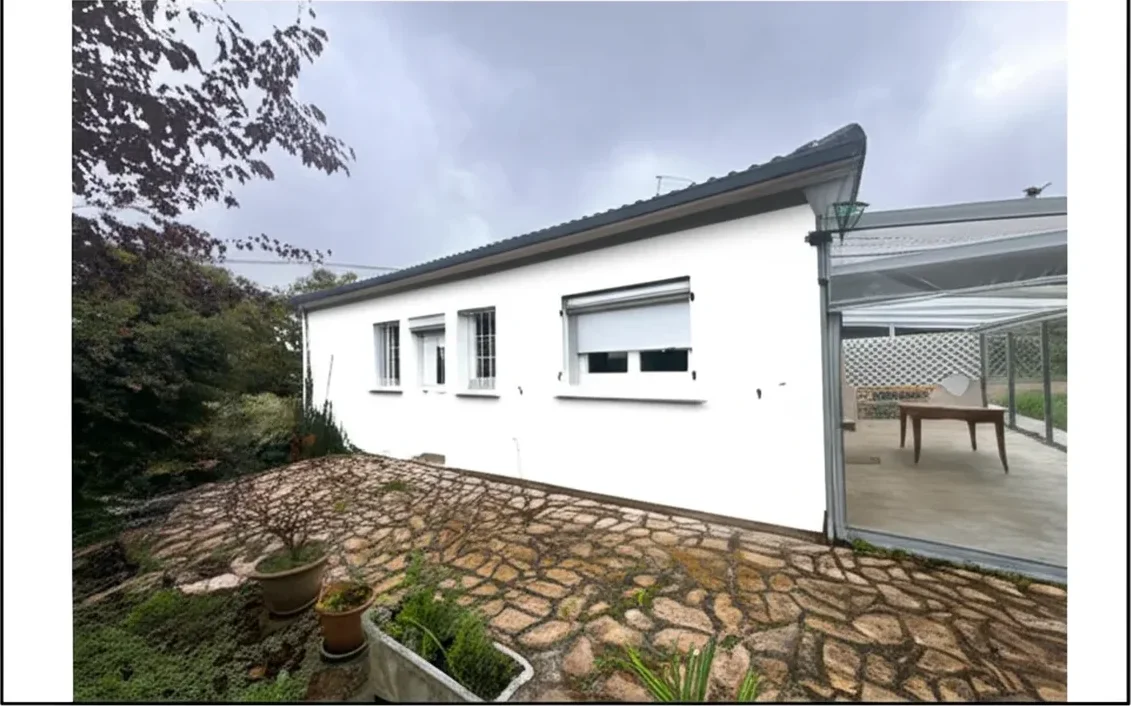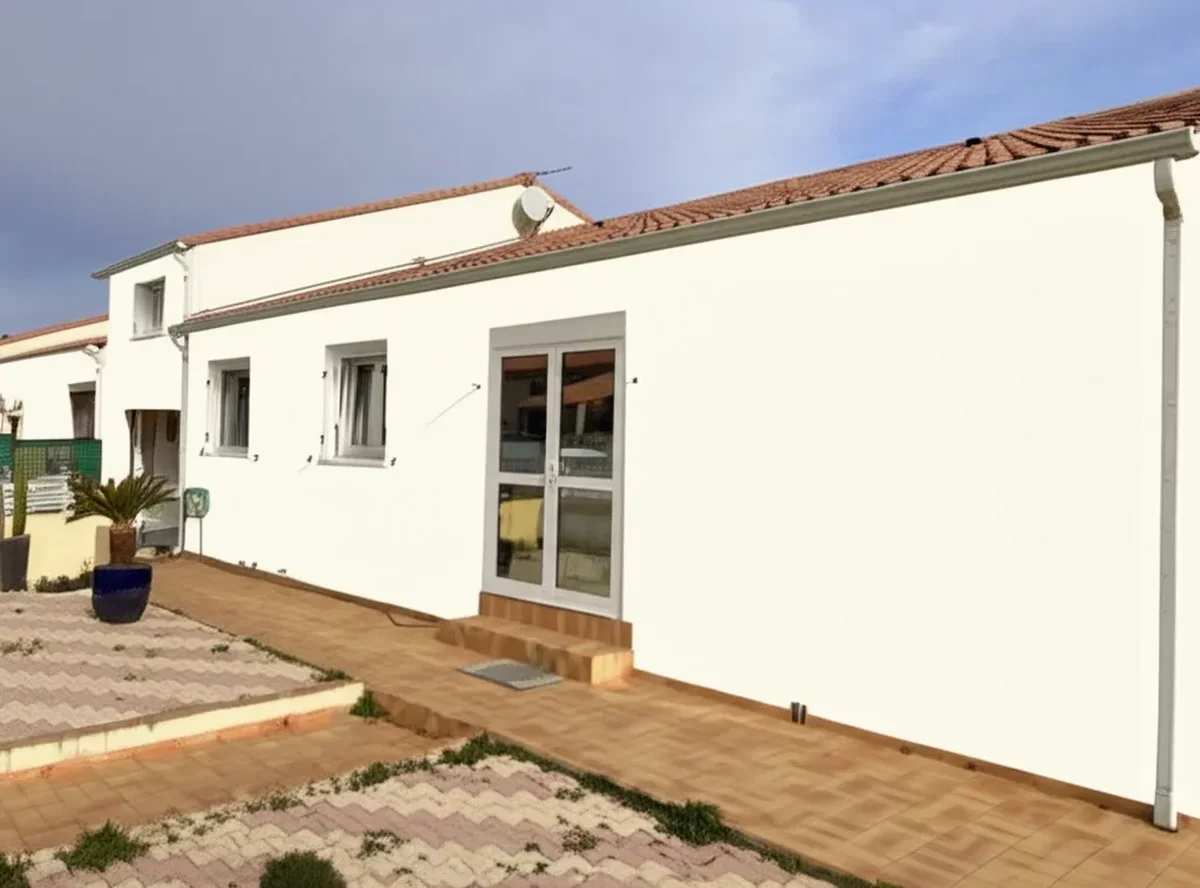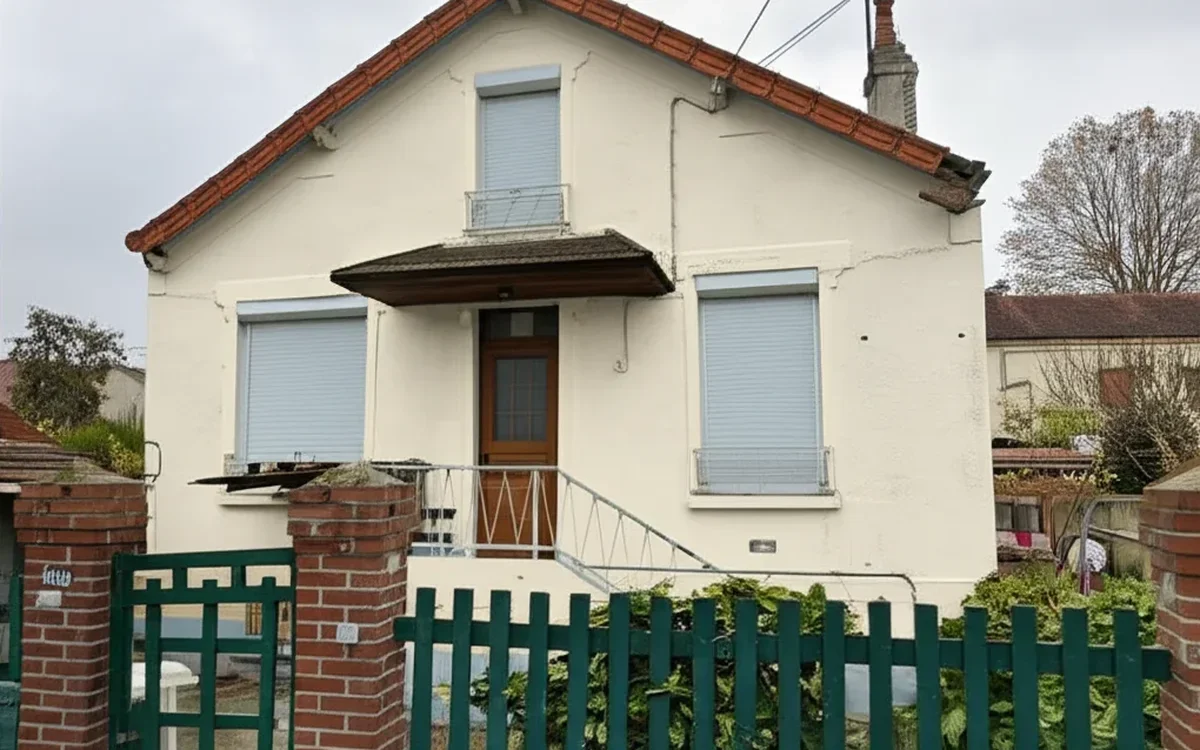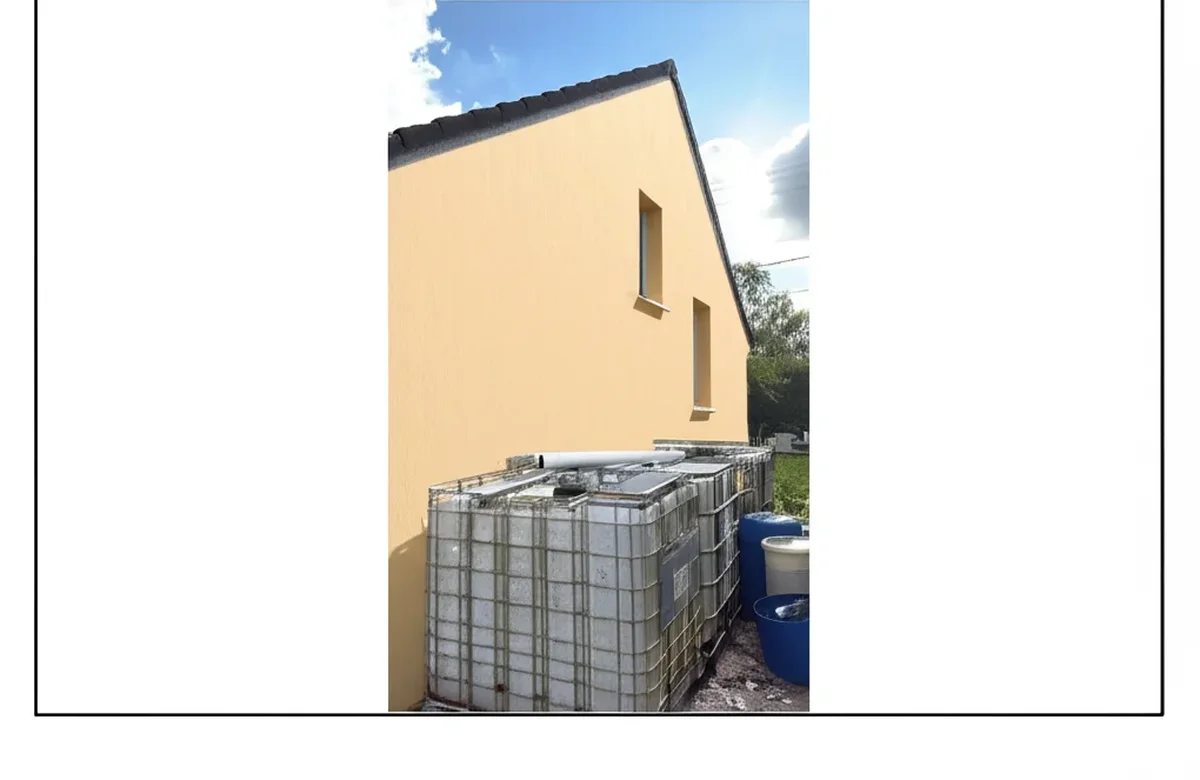
Try it on your house

Living in Phoenix, Arizona means your home's exterior takes a beating like nowhere else in America. With 300+ days of intense sun, summer temperatures regularly exceeding 110°F, and monsoon season thunderstorms, exterior house painting in Phoenix isn't just cosmetic, it's essential protection. But how much should you actually pay, and when is the best time to schedule the job? This guide covers everything Phoenix homeowners need to know in 2026.
Before you commit to a color, try our free AI house color visualizer to see exactly how your home will look in any shade, perfect for getting HOA pre-approval without buying sample pots. For full pricing context, see our complete exterior house painting cost guide.
How Much Does House Painting Cost in Phoenix in 2026?
Phoenix exterior painting costs are slightly below the national average, thanks to the dominance of stucco surfaces (which are faster to paint than wood siding). However, premium UV-resistant paints push material costs higher. Here's the real pricing breakdown:
| Home Size | Exterior Sq Ft | Pro Cost | DIY Cost |
|---|---|---|---|
| Small (1,000–1,500 sq ft) | ~800–1,200 sq ft | $2,000 – $3,500 | $500 – $900 |
| Medium (1,500–2,500 sq ft) | ~1,200–2,000 sq ft | $3,500 – $6,000 | $800 – $1,400 |
| Large (2,500+ sq ft) | ~2,000+ sq ft | $6,000 – $10,000+ | $1,400 – $2,500 |
Try it on your house
No photo? Try a sample
💡 Phoenix Pro Tip
South and west-facing walls get hammered by UV and may need touch-ups every 3–5 years, even if the rest of the house looks fine. Ask your painter about a "high-exposure touch-up plan" to save money long-term.
When Is the Best Time to Paint in Phoenix?
Timing matters more in Phoenix than almost any other US city. Paint that's applied in extreme heat dries too fast, causing bubbling, cracking, and poor adhesion. Here's your seasonal guide:
- Best: Spring (March–May), temps 65–85°F, low humidity, no monsoons. This is prime painting season.
- Good: Fall (October–November), monsoons are over, temps drop back to 70–85°F.
- Possible: Winter (December–February), Phoenix winters are mild (50–70°F), making year-round painting feasible unlike most US cities.
- Avoid: Summer (June–September), 100–115°F heat causes paint failure, and monsoon storms can ruin fresh coats overnight.
The Stucco Factor: Why Phoenix Is Different
Over 80% of Phoenix homes have stucco exteriors, which behave very differently from wood siding or brick. Stucco is porous, absorbing paint unevenly if not properly prepped. Here's what that means for your project:
- Primer is non-negotiable: stucco needs a masonry primer to seal the surface and prevent "flashing" (uneven sheen).
- Elastomeric paint: the gold standard for Phoenix stucco, it stretches to bridge hairline cracks caused by thermal expansion.
- 100% acrylic latex: outperforms oil-based paint in desert climates thanks to superior UV resistance and flexibility.
- Expect 2–3 coats: stucco's texture absorbs more paint than flat surfaces. Budget 20–30% more paint than the label suggests.
Best Paint Brands for Phoenix Desert Climate
Not all paints survive the Sonoran Desert. These brands are proven performers in extreme Phoenix conditions:
- Dunn-Edwards Evershield: manufactured right here in Phoenix. Engineered for desert UV and heat. The local favorite among pros.
- Sherwin-Williams Duration: excellent fade resistance, lifetime warranty. The SuperPaint line is a solid mid-range option.
- Benjamin Moore Aura: premium color retention, self-priming on previously painted surfaces.
- Behr Ultra (Home Depot): solid budget option with good UV protection for DIYers.
HOA Color Rules in Phoenix: What You Need to Know
Arizona's HOA culture is among the strongest in the nation. Most Phoenix communities maintain pre-approved color palettes limited to earth tones, neutrals, and desert-inspired shades. Here's how to navigate the process:
- Submit your colors to the Architectural Review Committee (ARC) before buying paint.
- Allow 2–4 weeks for review and approval.
- Stick to the approved palette, bright or unconventional colors will be rejected.
- Keep your written approval on file. Violations can result in fines of $25–$200 per day.
- HOAs can require you to repaint at your own expense if you paint without approval.
Popular HOA-approved colors: Accessible Beige, Mesa Tan, Desert Sand, warm taupe, greige (gray-beige), and desert sage green. Use FacadeColorizer to preview these colors on your actual home before submitting your ARC application.
DIY vs. Hiring a Pro in Phoenix
The desert heat makes DIY exterior painting in Phoenix more challenging, and potentially dangerous, than in milder climates. A few things to consider:
- Heat safety: painting in 100°F+ heat risks heat stroke. Start at dawn (5–6 AM) and stop by noon.
- Scaffolding on stucco: ladders slip more easily on textured stucco. Pros have proper staging equipment.
- Quality gap: improper stucco prep leads to peeling within 1–2 years. A pro job lasts 5–7 years minimum.
- Cost savings: DIY saves 50–60% but requires significant time (3–5 days for a medium home).
Surface Preparation, Techniques, and Hiring a Painting Contractor
Exterior house painting in Phoenix requires meticulous surface preparation. A professional painting contractor will start with thorough power washing to remove dust and loose paint, followed by scraping any peeling areas. Caulking around windows, doors, and where siding meets trim prevents dust and moisture intrusion. Damaged wood on fascia, soffit, and trim boards is repaired with wood filler before a coat of primer seals everything.
For application, professionals use spray equipment on large stucco surfaces and brush and roller for detail work on trim, fascia, and soffit. A two-coat system is standard for Phoenix's harsh UV environment. Scaffolding is recommended for two-story homes, adding $500–$1,500 to the project.
Choose the right paint sheen: flat for main stucco walls, satin for a subtle glow with good mildew resistant protection, and semi-gloss for trim and doors. Premium acrylic paint and latex paint with high fade resistance are essential. Look for energy-efficient coatings from Sherwin-Williams, Benjamin Moore, or Behr (at Home Depot) that reflect heat and cut cooling bills. PPG and Valspar also offer excellent UV-resistant formulas. Budget for coverage per gallon of 250–300 sq ft on textured stucco. The average cost per square foot for professional exterior painting in Phoenix is $2.00–$3.50. Plug your home's exterior footage into our paint job cost calculator for a quick Phoenix estimate you can sanity-check against contractor bids.
When hiring, verify your painting contractor is licensed, bonded, and insured. Arizona requires a residential contractor license (ROC) for jobs over $1,000. Ask for a free estimate and a written warranty of 2–5 years on labor. Many contractors offer color consultation to boost curb appeal and property value while ensuring HOA rules compliance. If your home was built before 1978, test for lead paint before any scraping or sanding work begins. Watch weather conditions: never paint when surface temps exceed 110°F. Check for chalking and cracking on old paint during the initial inspection.
Compare 3 free quotes from CR-34 licensed Phoenix painters
Skip the cold-calling and get 3 free quotes in 60 seconds from AZ ROC CR-34 licensed, insured Phoenix contractors who know desert UV product specs and HOA palettes for Anthem, DC Ranch, and Estrella.
Get 3 free Phoenix painter quotesLocal Factors That Affect Paint Cost in Phoenix
Four Phoenix-specific data points explain why bids vary by 20 to 40 percent across the Valley:
- Arizona painter wages: The U.S. Bureau of Labor Statistics (Occupational Employment and Wage Statistics, May 2024) reports a mean hourly wage of roughly $22.50 for construction painters in Arizona, slightly below the $24.10 U.S. average. That keeps Phoenix labor competitive with Texas and below California, even as premium UV-rated paint pushes material costs higher.
- NOAA climate and freeze dates: Phoenix Sky Harbor records an average last spring freeze around February 5 and a first fall freeze around December 1, with most years recording fewer than 5 sub-freezing nights. The bigger seasonal constraint is summer surface heat: never apply paint when wall surface temperature exceeds 110 degrees F, which can happen on south and west walls from June through early September even when the air reads 95.
- Common HOA types in Phoenix: Master-planned community HOAs dominate, including Verrado (Buckeye), Estrella (Goodyear), DC Ranch (Scottsdale), Anthem, Eastmark (Mesa), and Power Ranch (Gilbert). Nearly all enforce pre-approved desert-tone palettes through an Architectural Review Committee. Allow 2 to 4 weeks for written approval before scheduling crews.
- Where Phoenix pros buy paint: Dunn-Edwards (headquartered in Los Angeles with multiple Phoenix-area stores and a major distribution presence) is the local pro favorite for desert-rated Evershield. Sherwin-Williams operates company stores across the Valley, and Home Depot and Lowe's stock Behr, Valspar, and PPG for contractors and DIYers.
Ready to compare local crews? See our Phoenix painter directory for vetted contractors serving your zip code.
Visualize Your Phoenix Home in Any Color
Don't guess what your home will look like, see it for free with FacadeColorizer. Upload a photo of your Phoenix home and test any color instantly. It's the fastest way to get HOA-ready and avoid expensive repainting mistakes.
Frequently asked questions
How much does it cost to paint the exterior of a house in Phoenix, AZ?
What is the best time of year to paint a house exterior in Phoenix?
How often should you repaint your house exterior in Phoenix?
Do painting contractors need a license in Phoenix, Arizona?
Do I need HOA approval to paint my house in Phoenix?
Official sources
To verify the regulatory information in this guide at the primary source:
- US EPA : Lead-safe (RRP) rules for homes built before 1978
- U.S. Department of Energy : Energy-efficient exterior and coating guidance
- International Code Council : Model building codes adopted by most US jurisdictions
External links. FacadeColorizer is not affiliated with these bodies and their guidance may change over time.
Trademarks mentioned (Sherwin-Williams, Benjamin Moore, Behr, Caparol, Brillux, Sto, Alpina, Valspar, PPG, Glidden, Dulux, Crown Trade, Sandtex, Farrow & Ball, Johnstone's, Leyland) are property of their respective owners. FacadeColorizer is independent and not affiliated with any of them. Nominative fair use under Lanham Act §1125.