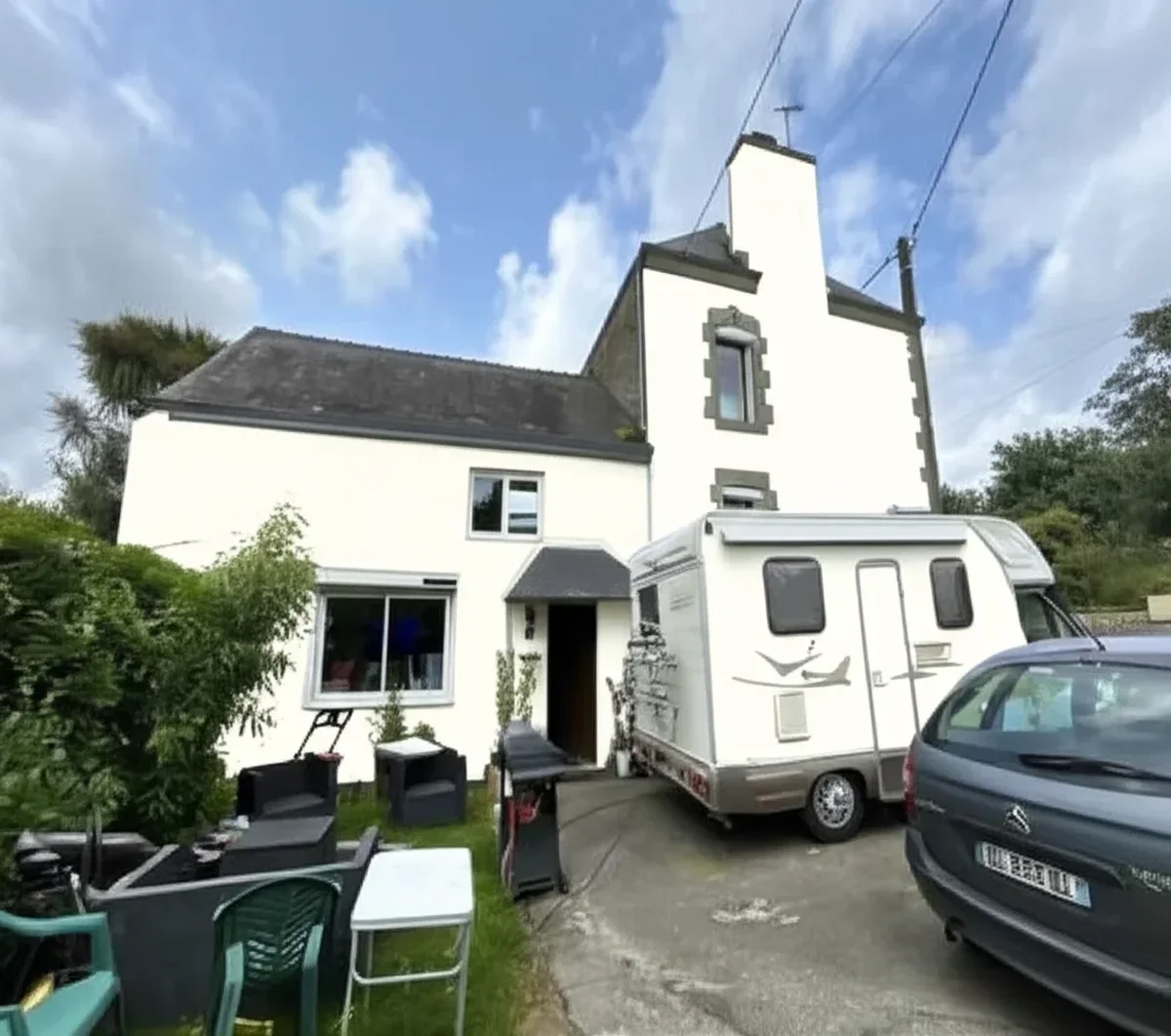
Try it on your house

DIY vs Professional Exterior House Painting: Which Saves More?
Deciding between DIY and hiring a painting contractor for your exterior house painting project is one of the biggest cost decisions homeowners face in 2026. A DIY approach can cut your budget by 50–70%, but it demands significant time, physical effort, and a willingness to work at heights. Meanwhile, a licensed, bonded, and insured professional crew delivers faster results, expert surface preparation, and a warranty that protects your investment for years.
In this guide, we break down the real cost per square foot for both options, compare time commitments, weigh safety risks like lead paint and scaffolding hazards, and help you decide which route makes sense for your home. Whether you own a two-story siding home in the suburbs or a single-level stucco ranch, the numbers below will help you budget with confidence.
Cost Breakdown: DIY vs Hiring a Pro
The single biggest difference between DIY and professional exterior house painting is labor. Pros charge $1.25–$3.00 per square foot for labor alone, which accounts for 70–85% of total project cost. When you paint yourself, you eliminate that expense entirely-but you still need quality paint, primer, supplies, and often equipment rentals. Here is how the numbers compare for a typical 2,000-square-foot home in 2026:
| Expense Category | DIY Cost | Professional Cost |
|---|---|---|
| Acrylic paint / latex paint (10–15 gal) | $400 – $1,200 | Included in bid |
| Primer (5–8 gal) | $150 – $350 | Included |
| Caulking, wood filler, tape | $50 – $120 | Included |
| Brush, roller, spray gun rental | $80 – $300 | Included |
| Ladder / scaffolding rental | $100 – $400 | Included |
| Power washing rental | $50 – $100/day | Included |
| Labor | $0 (your time) | $2,500 – $7,000 |
| Total Estimate | $800 – $2,500 | $3,000 – $10,000 |
Try it on your house
No photo? Try a sample
Paint quality matters enormously for longevity. Premium acrylic paint from Sherwin-Williams (Duration, Emerald) or Benjamin Moore (Aura, Regal Select) costs $50–$100 per gallon but delivers superior fade resistance and mildew resistant protection compared to budget lines. Mid-range brands like Behr (Marquee) from Home Depot offer solid performance at $35–$55 per gallon. Budget paints from PPG or Valspar start around $25 per gallon but may require an extra coat, reducing their cost advantage. Coverage per gallon typically ranges from 250–400 square feet depending on surface texture and paint sheen.
One caveat on the pro column: it is a national range, and your metro can move it enough to change the decision. Materials cost roughly the same everywhere, so the DIY column barely shifts, while the professional quote does. Two ends of the spread: Portland runs $1.75 to $4.80 per square foot, where cedar siding and moss make prep the dominant line item, and exterior painting costs in Los Angeles run $3.50 to $7.00, roughly 30 to 50% above the national average. The higher your metro sits, the more a weekend of your own labor is actually worth. If neither of those cities is yours, our ranking of the cost to paint an exterior house across 25 US metros places San Francisco near 65% above the national average and Houston about 20% below it, which is the clearest way to see how much of the pro column is your zip code rather than your house.
Time Investment: Weekends vs a Professional Crew
Time is the hidden cost most DIY painters underestimate. A professional crew of two to three painters typically completes a 2,000-square-foot home in 3–5 days, including full surface preparation, power washing, caulking, priming, and a two-coat system. They arrive with commercial-grade spray equipment, airless rigs, and industrial scaffolding-tools that dramatically accelerate the job.
A DIY homeowner working evenings and weekends should realistically plan for 7–14 days of elapsed time. That includes 1–2 days of scraping peeling and chalking paint, repairing cracking areas, filling holes with wood filler, and masking trim, fascia, soffit, windows, and doors. Primer application takes another full day, followed by two coats of topcoat with 4–6 hours of drying time between coats. Bad weather conditions-rain, high humidity, or temperatures below 50°F-can add days to your timeline.
Quality, Longevity, and Curb Appeal
A professionally painted exterior typically lasts 7–10 years before repainting is needed, thanks to expert prep work, proper primer adhesion, and even application with commercial spray equipment. Professional painters also offer color consultation services and understand how paint sheen choices (flat for hiding imperfections, satin or semi-gloss for trim) affect curb appeal and property value. Many contractors provide a 2–5 year workmanship warranty, giving you recourse if peeling or cracking appears prematurely.
DIY paint jobs can look excellent if you invest the prep time, but they typically last 4–7 years. Common DIY pitfalls include painting over unsound surfaces, skipping primer, uneven brush and roller application, and failing to address caulking gaps around windows. These shortcuts lead to premature failure, which means repainting sooner and spending more over a 15-year ownership cycle. For homes you plan to sell, a professional finish delivers a measurable property value boost-the National Association of Realtors estimates a 152% ROI on exterior painting, making it one of the highest-return home improvement projects.
Safety Risks: Ladders, Lead Paint, and Heights
Safety is the most compelling reason to hire a pro, especially for two-story or taller homes. The National Safety Council reports over 50,000 ladder-related injuries annually in the United States, with falls being the leading cause of fatalities in construction according to OSHA. Professional painters carry insured coverage, use OSHA-compliant scaffolding, and train extensively on fall prevention protocols.
Lead paint is another critical concern. Homes built before 1978 may contain lead-based coatings, and disturbing them through scraping or sanding without EPA RRP-certified procedures exposes you and your family to serious health hazards. A licensed painting contractor certified in lead-safe work practices will test surfaces, contain debris, and dispose of waste according to federal regulations-a process that adds $500–$2,000 to the project but protects your household. If your home has lead paint, hiring a certified pro is not optional: it is a legal requirement in most states.
Additionally, many homes governed by HOA rules require that exterior painting be performed by licensed and insured contractors. Verify your association's requirements before starting any project to avoid fines or mandatory do-overs.
When DIY Makes Sense vs When to Hire
DIY is a smart choice when: your home is single-story with easy access, surfaces are in good condition with minimal peeling or cracking, you have painted before and own basic equipment, the house was built after 1978 (no lead paint risk), and your HOA rules permit owner-performed work. In these scenarios, you can save $2,000–$7,000 and complete the project over a couple of weekends.
Hire a professional when: your home is two stories or taller (requiring scaffolding), extensive prep work is needed (rotted siding, damaged fascia and soffit), the house was built before 1978 and may have lead paint, you want energy-efficient coatings or specialty finishes like elastomeric paint on stucco, or you need the job completed quickly for a home sale. Always request a free estimate from at least three licensed, bonded, and insured contractors, and verify references. Walk into those conversations prepared with our 2026 guide to hiring an interior and exterior painter (license checks, warranty wording, scope of prep). For a detailed breakdown of professional pricing by home size and region, see our complete exterior house painting cost guide.
If you are tackling stucco surfaces specifically, repair costs and techniques differ significantly from wood or vinyl siding. Our stucco crack repair cost guide covers everything from hairline patches to full remediation pricing. And for interior projects, check our interior painting cost per room breakdown to compare interior vs exterior budgets. Before you call anyone, ballpark your own number with our painting estimate calculator so you can sanity-check every contractor bid against a realistic baseline.
Visualize Your New Exterior Colors Before You Paint
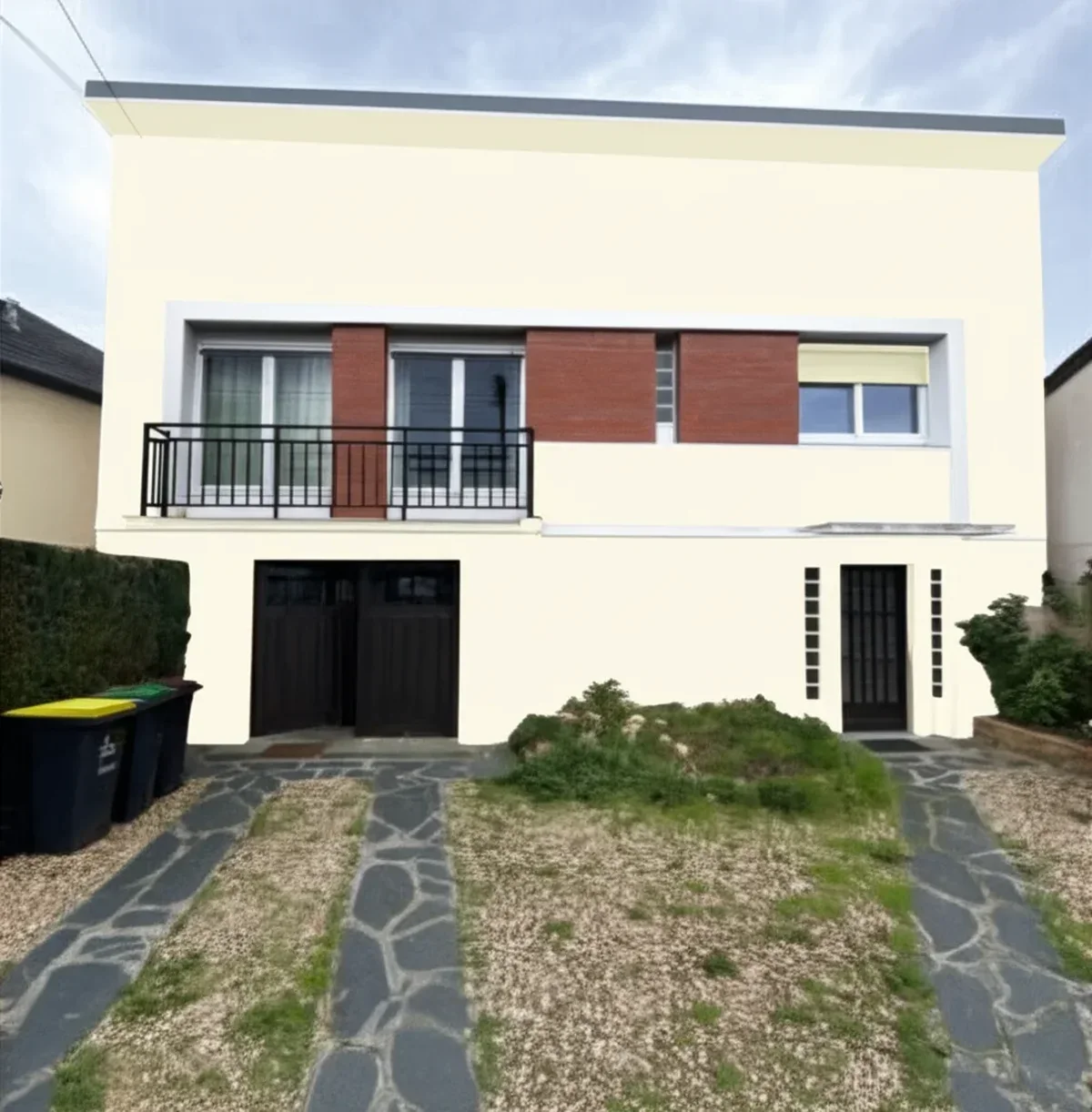
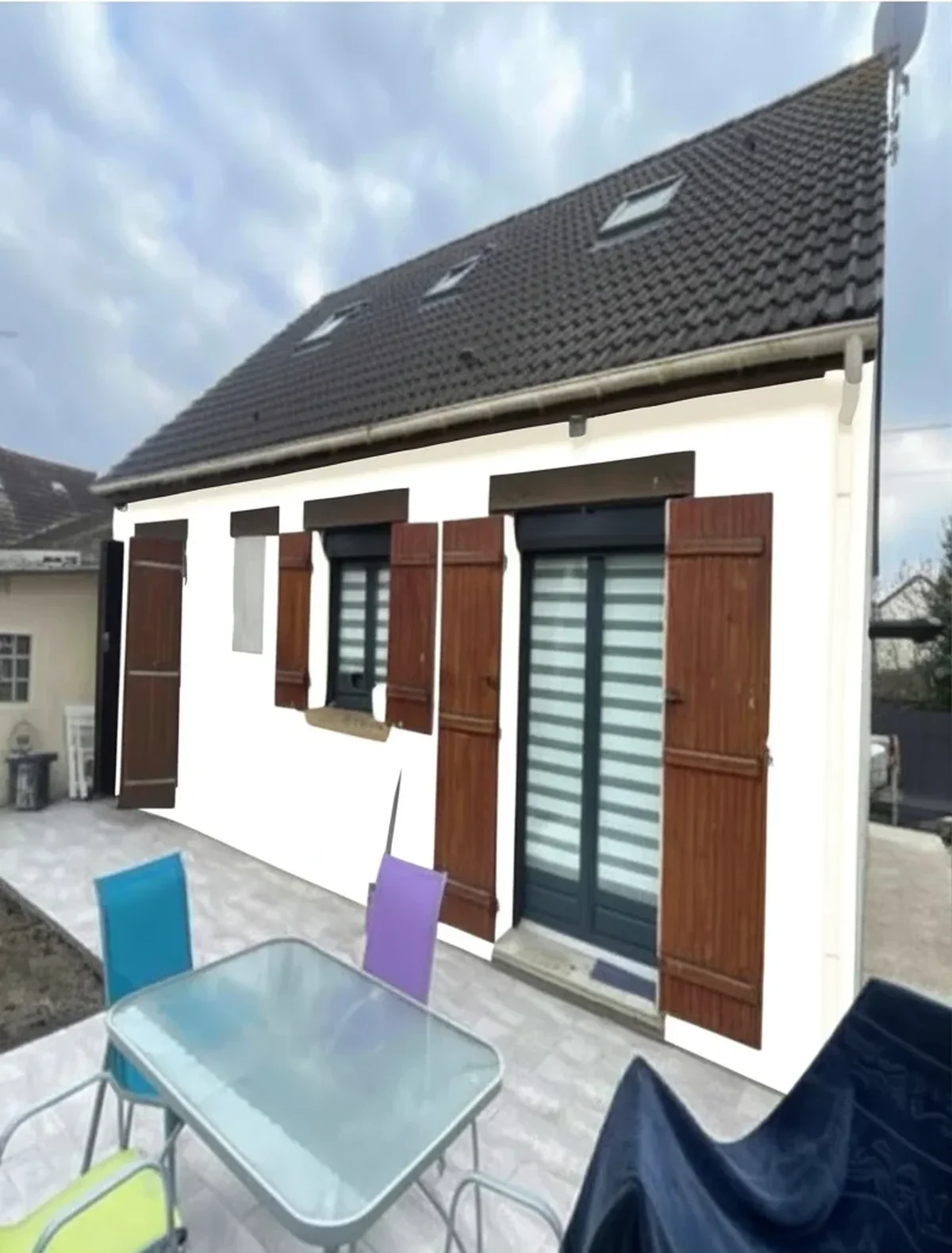
Whether you go DIY or hire a painting contractor, choosing the right color is the first step. The wrong shade on 2,000 square feet of siding is an expensive mistake-and one that HOA rules may not let you redo easily. Upload a photo of your home to our free AI color visualizer and preview unlimited Sherwin-Williams, Benjamin Moore, and Behr palettes on your actual exterior in seconds. Test how different paint sheen options look on your trim, fascia, and soffit before committing. It is the easiest way to boost curb appeal and make a confident color consultation decision-completely free.
Ready to preview your home's new look?
Upload a photo and test exterior paint colors instantly-free, no signup required.
Try the Color Visualizer →Related comparisons
The DIY-or-pro call often comes down to method and equipment. These guides go deeper on that side:
- Sprayer versus roller, the speed-and-finish tradeoff that drives most DIY timelines.
- Roll or spray on cost and time, run as a straight budget comparison.
- Which sprayer type to buy or rent if you decide to tackle it yourself.
Going either route, preview your color choice free before work starts.
Frequently asked questions
How much does it cost to paint the exterior of a house yourself?
Is it worth hiring a professional painter for exterior house painting?
How long does it take to paint the exterior of a house DIY vs professional?
Is it safe to paint the exterior of my house myself?
What is the best exterior paint for a DIY project?
Trademarks mentioned (Sherwin-Williams, Benjamin Moore, Behr, Caparol, Brillux, Sto, Alpina, Valspar, PPG, Glidden, Dulux, Crown Trade, Sandtex, Farrow & Ball, Johnstone's, Leyland) are property of their respective owners. FacadeColorizer is independent and not affiliated with any of them. Nominative fair use under Lanham Act §1125.