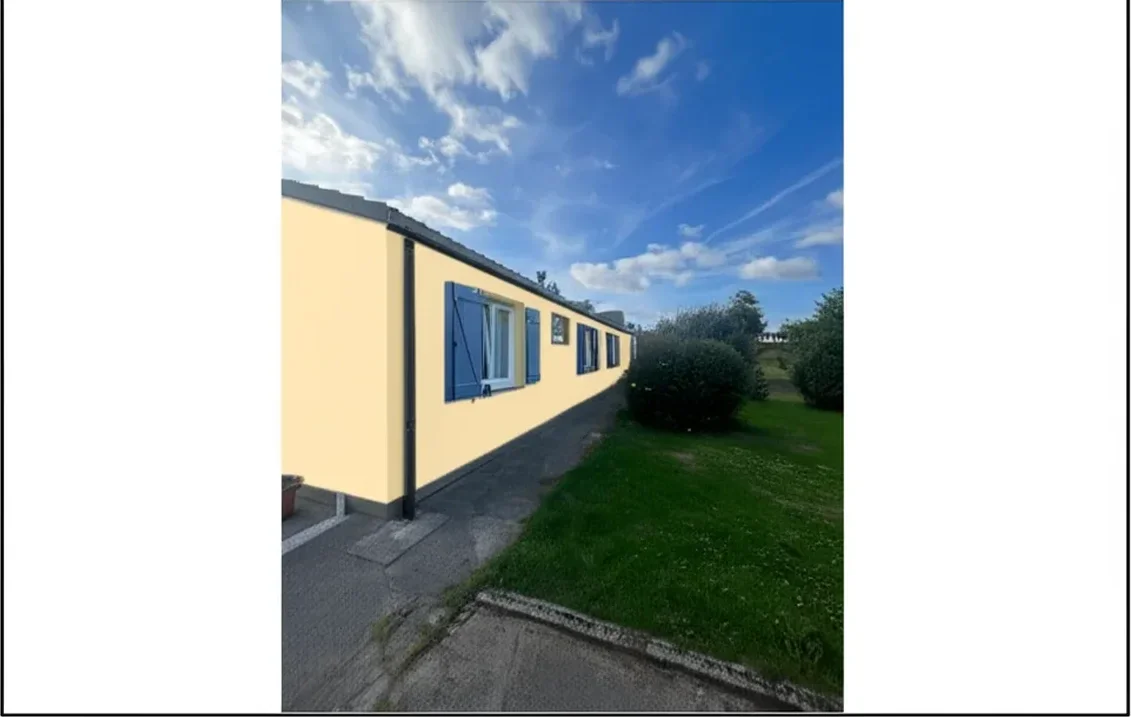
Planning to redecorate your home in 2026? Whether you are refreshing a tired living room, updating a bedroom, or giving your entire house a new look, understanding interior decorating costs is essential for budgeting. In this guide, we break down exactly what you can expect to pay across the UK — from labour rates to material costs — so you can plan your project with confidence.
Before committing to a colour, try our free AI paint visualiser to see how different shades look on your actual walls — no samples, no guesswork, no mess.
How Much Does Interior Decorating Cost in the UK?
Interior decorating costs vary depending on room size, condition of walls, paint quality, and your location within the UK. London and the South East typically cost 20–30% more than the national average. Here is a comprehensive breakdown by room type.
| Room Type | Typical Size | Cost Range | Duration |
|---|---|---|---|
| Small bedroom | 10 m² | £250 – £400 | 1 day |
| Medium bedroom | 15 m² | £350 – £550 | 1–1.5 days |
| Living room | 20 m² | £500 – £900 | 1.5–2 days |
| Kitchen | 12–15 m² | £400 – £700 | 1.5 days |
| Bathroom | 5–8 m² | £200 – £400 | 0.5–1 day |
| Hallway, stairs & landing | Varies | £500 – £1,200 | 2–3 days |
💡 Good to know
These prices include labour and standard trade paint. Premium brands like Farrow & Ball or Little Greene can add £50–£150 per room due to higher paint costs (£45–£60 per 2.5L tin vs £25–£35 for Dulux Trade).
Labour vs Materials: Where Does Your Money Go?
Labour typically accounts for 70–80% of the total cost of an interior decorating project. A qualified painter and decorator charges £150–£250 per day or £20–£40 per hour, depending on experience and region. Here is the breakdown:
- Labour: £150–£250/day (£20–£40/hour). Includes preparation, filling, sanding, priming, and two coats of paint.
- Paint: £10–£25 per litre (mid-range), £20–£60 per litre (premium). One litre covers approximately 12 m² per coat.
- Preparation materials: £20–£50 (filler, sandpaper, masking tape, dust sheets).
- Per m² total cost: £8–£25 including labour and materials.
Walls in poor condition (cracks, damp patches, peeling paint) require more preparation time, which can increase labour costs by 20–40%. Always ask your decorator to inspect the walls before quoting.
Popular Interior Colours for 2026
Colour trends in 2026 lean towards nature-inspired palettes and warm, comforting tones. Here are the standout choices from leading UK brands:
- Dulux Colour of the Year — Warm Earth Tones: Dulux continues to champion warm neutrals. Shades like Spiced Honey, Brave Ground, and Warm Pewter remain popular for living rooms and bedrooms.
- Farrow & Ball — Jitney and Peignoir: Soft, muted tones that add warmth and sophistication. Jitney (warm straw) works beautifully in period properties, whilst Peignoir (soft pink-grey) suits contemporary interiors.
- Crown — Aged White and Botanical: Crown's 2026 palette features earthy greens and soft whites that create calm, organic-feeling spaces.
- Little Greene — Sage Green and French Grey: Heritage-inspired shades perfect for Victorian and Edwardian homes — a growing trend across the UK.
Accent walls remain popular, with deep colours like navy blue (Dulux Sapphire Salute) and forest green (Farrow & Ball Studio Green) creating dramatic focal points. For whole rooms, lighter neutrals dominate — white, warm grey, and greige lead the charts.
Hiring a Decorator: What to Expect
A professional painter and decorator will typically follow this process:
- Survey and quote: Most decorators offer free estimates. They will inspect the room, assess wall condition, and provide a written quote.
- Preparation: Furniture is moved or covered. Walls are washed, filled, sanded, and primed where needed. This step takes 30–50% of the total time.
- Painting: Two coats of emulsion for walls, two coats of satinwood or eggshell for woodwork. Ceilings are usually done first, then walls, then trim.
- Clean-up: Masking tape removed, furniture replaced, any touch-ups completed.
Always check reviews on Checkatrade, Rated People, or MyBuilder. Ask for references and verify insurance. A good decorator will use dust sheets, mask off all surfaces properly, and leave your home spotless.
Tips to Reduce Interior Decorating Costs
- Do the preparation yourself: Moving furniture, removing curtains and light fittings, and filling small cracks can save 1–2 hours of labour per room (£30–£80 saved).
- Supply your own paint: Some decorators offer a discount if you buy the paint. Use trade discount cards at Dulux Decorator Centres or Crown Trade stockists for 20–40% off retail.
- Bundle multiple rooms: Most decorators offer 10–15% discount for whole-house projects vs single rooms.
- Book in quieter months: January to March is typically the slowest period — decorators are more competitive on pricing.
- Choose mid-range paint: Dulux Trade and Crown Trade perform excellently at £25–£35 per 2.5L. You do not need Farrow & Ball for every room.
- Skip unnecessary features: Feature walls, cutting in around complex architraving, and specialist finishes all add cost. Keep it simple for maximum value.
Visualise Your Interior Before Decorating
Choosing the wrong colour is one of the most expensive mistakes in decorating — a full repaint costs double. Before you commit, use FacadeColorizer's free paint simulator to test colours on a photo of your room. Upload a picture, select from dozens of trending shades — including Dulux, Farrow & Ball, and Crown palettes — and see the result in seconds. It is completely free, with no sign-up required.