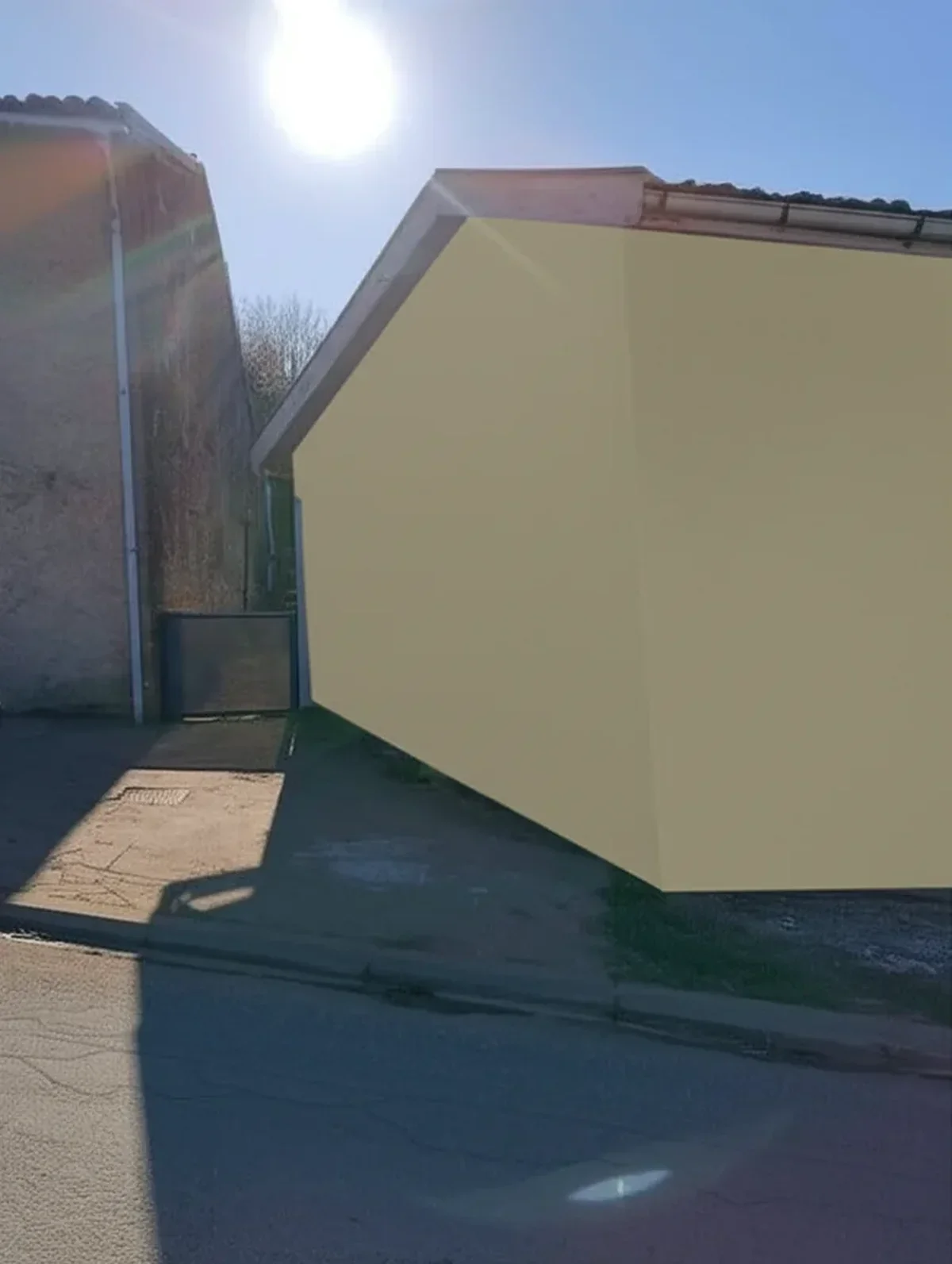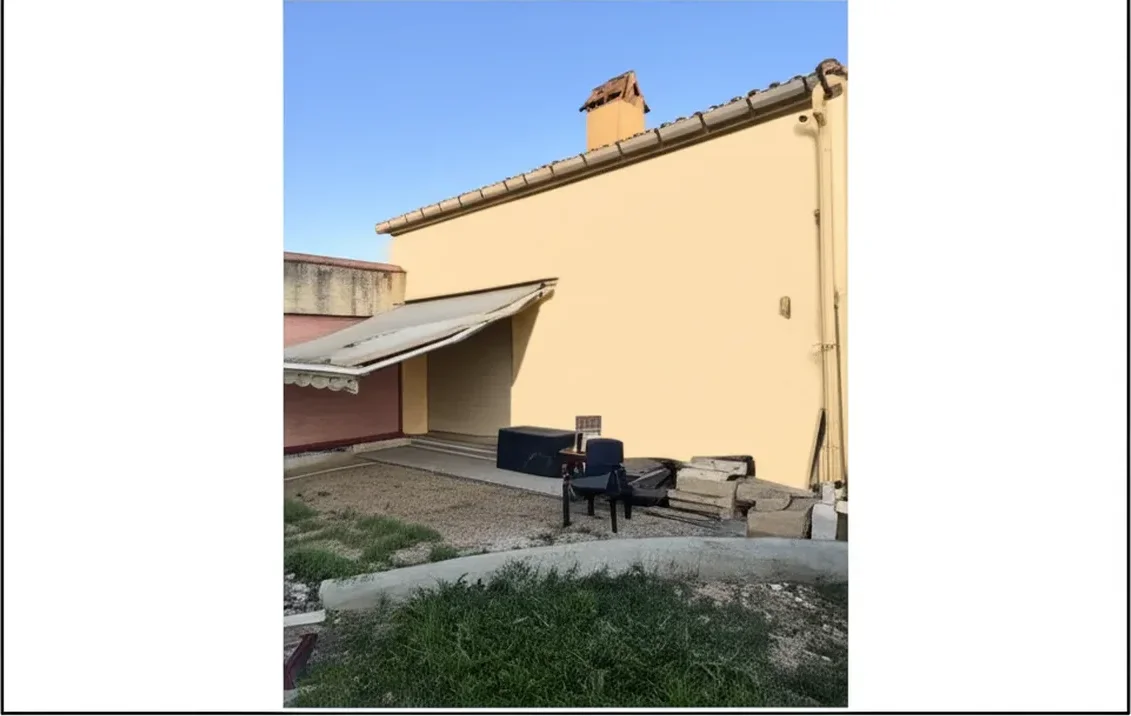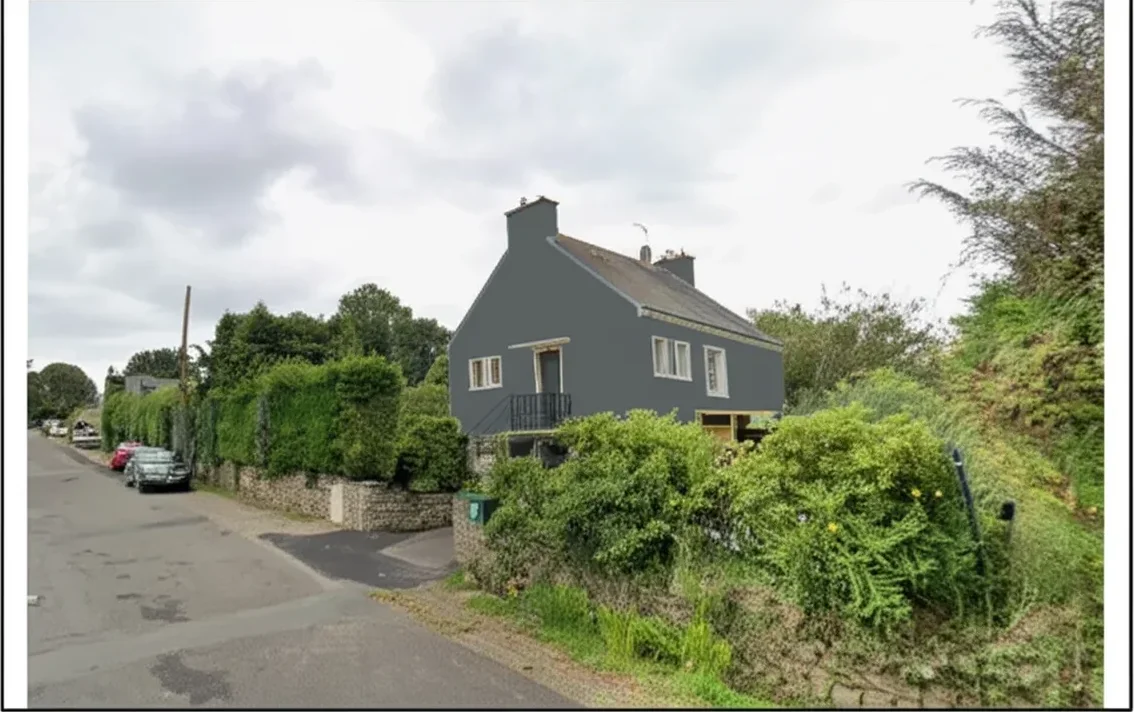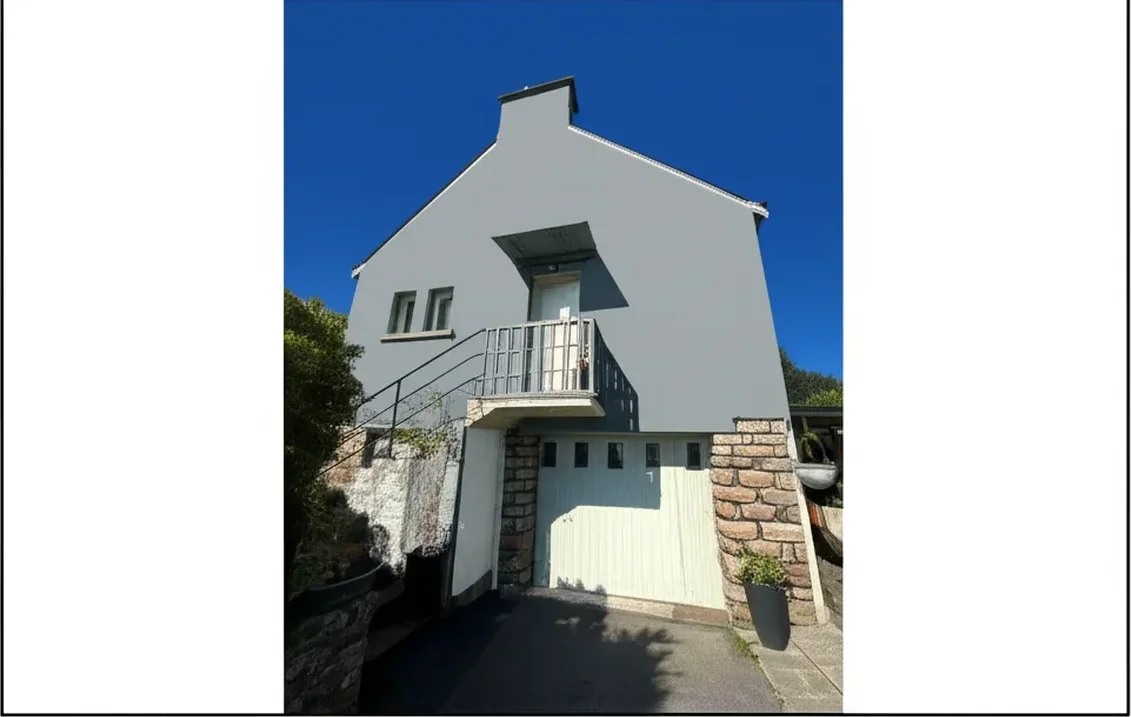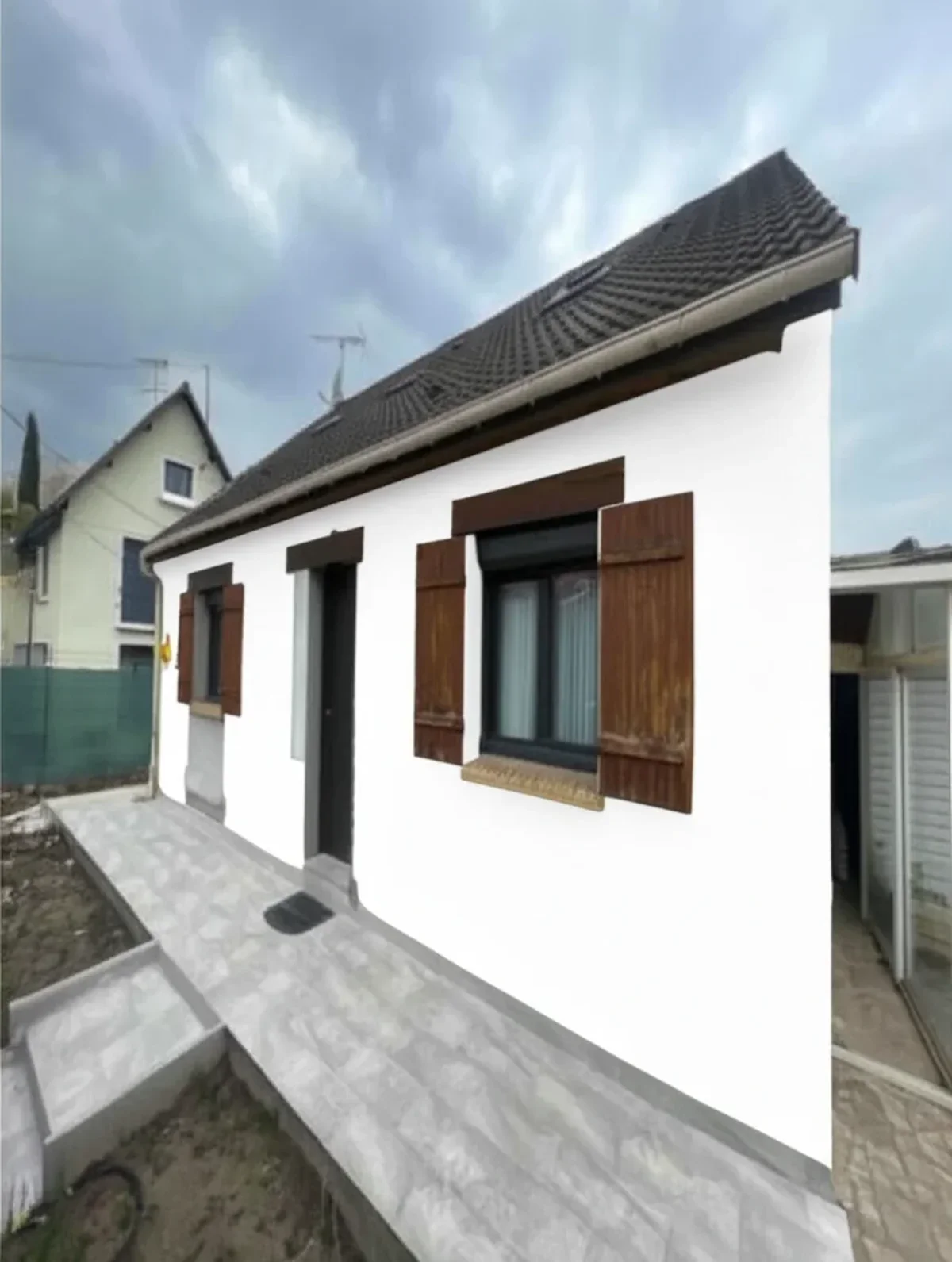
Try it on your house

Living in a conservation area brings character and history, but it also means the rules around exterior painting are stricter than in a standard residential street. Whether you want to repaint your front door, change the colour of your render, or restore sash window frames, you need to understand what is permitted and what requires planning permission. In England alone there are over 10,000 designated conservation areas, and many have additional controls called Article 4 Directions that remove the painting freedoms most homeowners take for granted. This guide explains every rule you need to know in 2026, from heritage colours and traditional materials to enforcement penalties and the application process.
Before you pick up a brush, try our free AI colour visualiser, upload a photo of your property and preview period colours from Farrow & Ball, Little Greene and other heritage palettes in seconds.
What Is a Conservation Area and How Does It Affect Painting?
A conservation area is a neighbourhood designated by the local planning authority because of its special architectural or historic interest. Unlike a listed building, which protects an individual structure, a conservation area safeguards an entire streetscape. Every property’s appearance matters, wall colours, window styles and facade materials all contribute.
Normally, exterior painting falls under permitted development rights (Class C of the GPDO) and requires no planning permission. But in a conservation area, especially one with an Article 4 Direction, that changes. Bodies such as Historic England, Cadw (Wales) and Historic Environment Scotland guide councils on protecting these areas, and the National Trust maintains strict standards across its Georgian, Victorian and Edwardian portfolio.
Article 4 Directions: The Rule That Removes Painting Rights
An Article 4 Direction allows a local planning authority to withdraw specific permitted development rights. In a conservation area this typically means you need planning permission for painting previously unpainted surfaces, changing an exterior colour scheme, replacing sash window frames, altering original features and modifying architectural detail.
Not every conservation area has one. Contact your local planning authority or check their website, many councils in London, Edinburgh, Bath, York and Oxford have extensive Article 4 coverage. Your local heritage officer or conservation officer can confirm which rights have been removed. Without an Article 4 Direction you can generally repaint already-painted surfaces, but councils discourage painting previously unpainted brick, stone or terracotta.
What You Can and Cannot Do: At-a-Glance
The table below summarises common painting scenarios. Requirements differ depending on whether an Article 4 Direction is in place and whether your property is a listed building (Grade I, Grade II* or Grade II).
| Work Proposed | No Article 4 | Article 4 in Force | Listed Building |
|---|---|---|---|
| Repainting in the same colour | Permitted ✔ | Usually permitted ✔ | Listed building consent may be needed |
| Changing exterior colour | Permitted ✔ | Permission required ✘ | Consent required ✘ |
| Painting unpainted brick or stone | Discouraged | Permission required ✘ | Consent required ✘ |
| Replacing sash window frames | Permitted (like-for-like) | Permission required ✘ | Consent required ✘ |
| Repointing / stone repair | Permitted (like-for-like repair) | Permitted if matching | Consent often needed |
| Applying lime render / lime mortar | Check with council | Permission required ✘ | Consent required ✘ |
Try it on your house
No photo? Try a sample
The guiding principle is like-for-like repair: using the same materials, colours and techniques as the original is generally acceptable. It is when you change the appearance, a new colour, a modern material, or a different window style, that permission becomes necessary. For full details on listed structures, read our listed building painting rules UK guide.
The colour that triggers most Article 4 refusals in practice is anthracite: a single charcoal house in a uniform cream or brick terrace is exactly the change a direction exists to stop. The same dark shade also raises a conservation question that is not about planning, breathability on solid pre-1919 walls, where guidance warns that modern external paints can trap moisture. Our guide to anthracite and dark grey masonry paint covers both before the brands.
Heritage Colours and Approved Materials
Conservation officers expect period colours and traditional materials consistent with your property’s era. Bright or garish finishes are almost always refused. For exterior masonry, breathable paint is essential. Lime wash (limewash) has been used on British buildings for centuries and remains the preferred finish for Georgian and early Victorian facades. It allows moisture vapour to pass through, preventing damp, a problem microporous acrylic paints can cause on lime render or lime putty substrates. Distemper and casein paint are other historic paint types common on heritage interiors.
Leading brands include Farrow & Ball, whose palette is widely specified by conservation officers, and Little Greene, which produces a period colours collection researched from English Heritage archives. Referencing an established heritage palette strengthens your application. Upload your photo to our colour visualiser to compare heritage shades on your facade.
How to Apply for Permission to Change Exterior Colours
If you need planning permission or listed building consent, follow these steps:
- Contact your council. Search for Article 4 information online or request pre-application advice from a conservation officer or heritage officer.
- Prepare a Heritage Statement. Explain the significance of your property and the conservation area, include photographs and proposed colour references, and show why the change is sympathetic.
- Submit your application via the Planning Portal. Listed building consent carries no fee in England.
- Wait for a decision. Most applications are determined within 8 weeks.
- Commence work using the exact colours and materials approved. Keep documents for future reference.
If you are in the capital, our London listed building painting guide covers borough-by-borough Article 4 coverage in detail.
Penalties and City-by-City Examples
Carrying out unauthorised works can trigger an enforcement notice requiring you to reverse the work at your own cost. For listed building offences on a Grade I, Grade II* or Grade II property, prosecution can result in an unlimited fine and up to two years’ imprisonment. Pointing, repointing and stone repair can also fall under these controls, so never assume small maintenance is automatically permitted.
Rules vary by location. London has over 1,000 conservation areas; boroughs like Westminster and Kensington & Chelsea have Article 4 Directions covering painting. Bath, a UNESCO World Heritage Site, requires heritage colours sympathetic to its honey-coloured stone. Edinburgh applies Scottish planning legislation and Historic Environment Scotland guidance. York expects lime render, lime mortar and subdued period colours. Oxford and Cambridge protect original features and architectural detail rigorously.
Listed Building Consent: The Step-by-Step Process for Conservation Properties
If your home is both listed and in a conservation area, the consent route doubles up. Listed Building Consent is governed by the Planning (Listed Buildings and Conservation Areas) Act 1990 and applied through your local planning authority via the Planning Portal. The application itself is free in England (and in most cases in Scotland and Wales), but the supporting documents demand time and care. Expect to provide a Heritage Statement, scaled elevation drawings or annotated photographs, a Design and Access Statement, and physical paint samples on A4 boards.
Determination targets sit at 8 weeks for householder applications. Grade I and Grade II* cases are notified to Historic England (or Historic Environment Scotland, Cadw in Wales) as statutory consultees, which adds a 28-day comment window. For non-listed but conservation-area properties, the same paper trail applies if an Article 4 Direction is in force; the application is a householder planning application with a fee of approximately GBP 258 in England. Useful guidance for both routes is published on historicengland.org.uk and gov.uk/listed-buildings, and the Institute of Historic Building Conservation (ihbc.org.uk) maintains a directory of accredited heritage professionals who can prepare the documentation for you.
Period-Correct Colours: Matching the Architectural Era
One of the most common reasons applications are refused is choosing a finish that is technically heritage-themed but historically wrong for the property's period. Georgian townhouses (1714 to 1830) used lime-bound coatings in stone, off-white, lead grey and oxblood red on doors, with cast-iron blacks for railings. Regency facades (1811 to 1837) often featured pale lime cream and Suffolk pink stucco. Early Victorian elevations (1837 to 1860) leaned on rich earth tones and chocolate browns, while late Victorian and Edwardian houses (1860 to 1914) embraced sage greens, ochre yellows and deeper teals on joinery. Arts and Crafts villas (1880 to 1920) introduced Brunswick green, signal red and soft cream renders.
When you submit your application, name the brand and reference: "Front door, Farrow and Ball Studio Green No. 93" carries far more weight with a conservation officer than "dark green". Heritage ranges such as Dulux Heritage, Little Greene National Trust, Crown Period Collection and Johnstone's Heritage all publish their colour stories tied to specific eras, which simplifies justification. For exterior masonry, pair the colour with a compliant chemistry: BS EN 1062-1 classifies water-vapour transmission so officers can verify breathability, while BS EN 13300 covers interior emulsion classes.
Article 4 Directives: City Map and How to Check
Article 4 Directions are issued by the local planning authority under the Town and Country Planning (General Permitted Development) (England) Order 2015. They withdraw one or more permitted development rights from a defined area, which means actions normally allowed without permission, like repainting an already-painted wall in a different colour, now require a formal application. Coverage varies dramatically. In London, the City of Westminster, Kensington and Chelsea, Camden and Islington carry the densest Article 4 maps, often layered on hundreds of streets. In Bath, BANES applies Article 4 across all 35 conservation areas with paint and door colour caught explicitly. Edinburgh, York, Oxford, Cambridge, Cheltenham, Brighton and Bristol all maintain extensive directions on their historic cores.
To check, search your council's planning policy page for "Article 4 Direction" and your conservation area name, or call the duty planner. Many authorities publish interactive GIS maps where you can drop a postcode pin and see overlays for listed status, conservation area boundary and Article 4 coverage in one view. If your property sits inside an Article 4 zone, treat any colour change, even a closely matched repaint of an existing scheme, as requiring full householder planning permission.
Paint Restrictions Cross-Reference: Listed Grade I, II* and II
The single most common question conservation officers receive is "what am I allowed to do without consent?" The grade of the listing determines how strictly the rules bite. The table below summarises typical paint-related restrictions across the three grades, drawn from Historic England and IHBC guidance.
| Restriction | Grade I | Grade II* | Grade II |
|---|---|---|---|
| Repaint same colour, same product | Consent advised | Consent often advised | Usually permitted |
| Change exterior colour | Consent required (Historic England referral) | Consent required (Historic England referral) | Consent required |
| Switch lime wash to acrylic masonry | Refused | Refused | Refused |
| Paint previously unpainted stone or brick | Refused | Refused | Refused |
| Repaint sash windows same colour | Consent recommended | Often permitted | Permitted |
| Strip historic paint layers | Consent required | Consent required | Consent required |
| Maximum fine on indictment | Unlimited + 2 years imprisonment | Unlimited + 2 years imprisonment | Up to GBP 20,000 (Magistrates) |
Sources: Planning (Listed Buildings and Conservation Areas) Act 1990, Historic England, IHBC. Always confirm with your local planning authority.
Note from our visualiser data.
Across 16,983 colour previews generated on the FacadeColorizer tool through 2026, conservation-themed palettes (Dulux Heritage, Farrow and Ball, Little Greene, Crown Period) account for the highest share of UK conversion-stage previews when homeowners flag a listed or Article 4 property at upload. Side-by-side renders also reduce mid-job colour changes, which means fewer expensive resubmissions to the conservation officer.
Frequently Asked Questions
Do I need planning permission to paint my house in a conservation area?
If you are repainting an already-painted surface in the same colour, permission is not usually required. However, if an Article 4 Direction applies, you will need planning permission to change the colour. Painting a previously unpainted surface is strongly discouraged and may require consent.
What is an Article 4 Direction?
It is a planning control that removes certain permitted development rights. When in force, painting the exterior of your home, replacing windows or altering boundary walls all require formal planning permission. Check with your local council.
What colours are allowed in a conservation area?
Conservation officers expect heritage colours and period colours sympathetic to the property’s era. Muted, historically authentic tones from Farrow & Ball and Little Greene are widely accepted. Bright or garish colours are almost always refused.
What happens if I paint without permission?
The council can issue an enforcement notice requiring you to reverse the work. For listed building offences, prosecution can lead to an unlimited fine and up to two years’ imprisonment.
Should I use limewash or modern paint on a heritage property?
On buildings with lime render or lime mortar, breathable paint such as lime wash or casein paint is strongly recommended. These traditional materials allow moisture vapour to pass through, preventing damp. Consult your conservation officer before choosing a paint type.
Official sources
To verify the regulatory information in this guide at the primary source:
- GOV.UK : When planning permission is required
- Planning Portal : Planning permission and building regulations (England and Wales)
- Historic England : Listed buildings and conservation areas
External links. FacadeColorizer is not affiliated with these bodies and their guidance may change over time.
Trademarks mentioned (Sherwin-Williams, Benjamin Moore, Behr, Caparol, Brillux, Sto, Alpina, Valspar, PPG, Glidden, Dulux, Crown Trade, Sandtex, Farrow & Ball, Johnstone's, Leyland) are property of their respective owners. FacadeColorizer is independent and not affiliated with any of them. Nominative fair use under Lanham Act §1125.