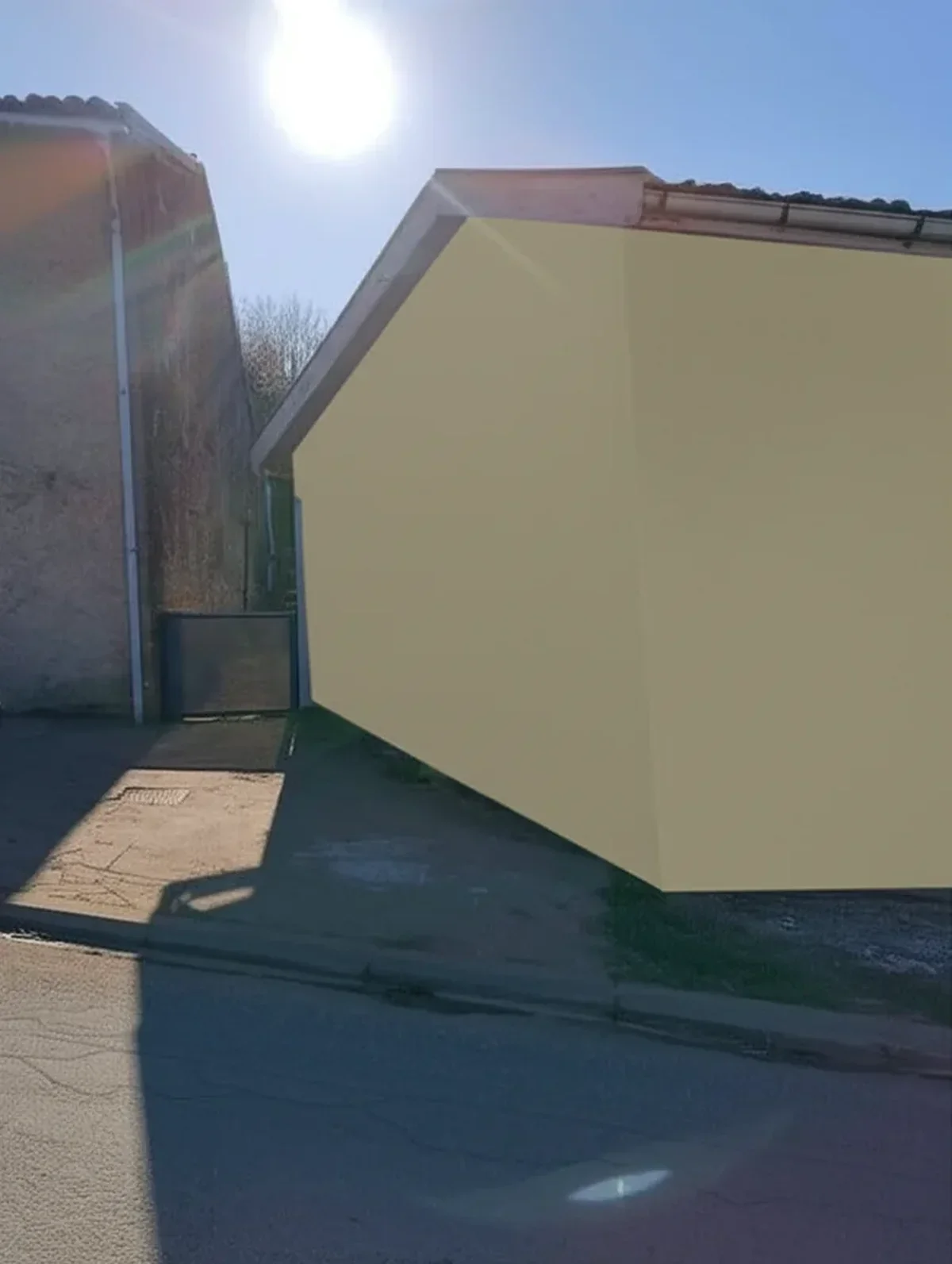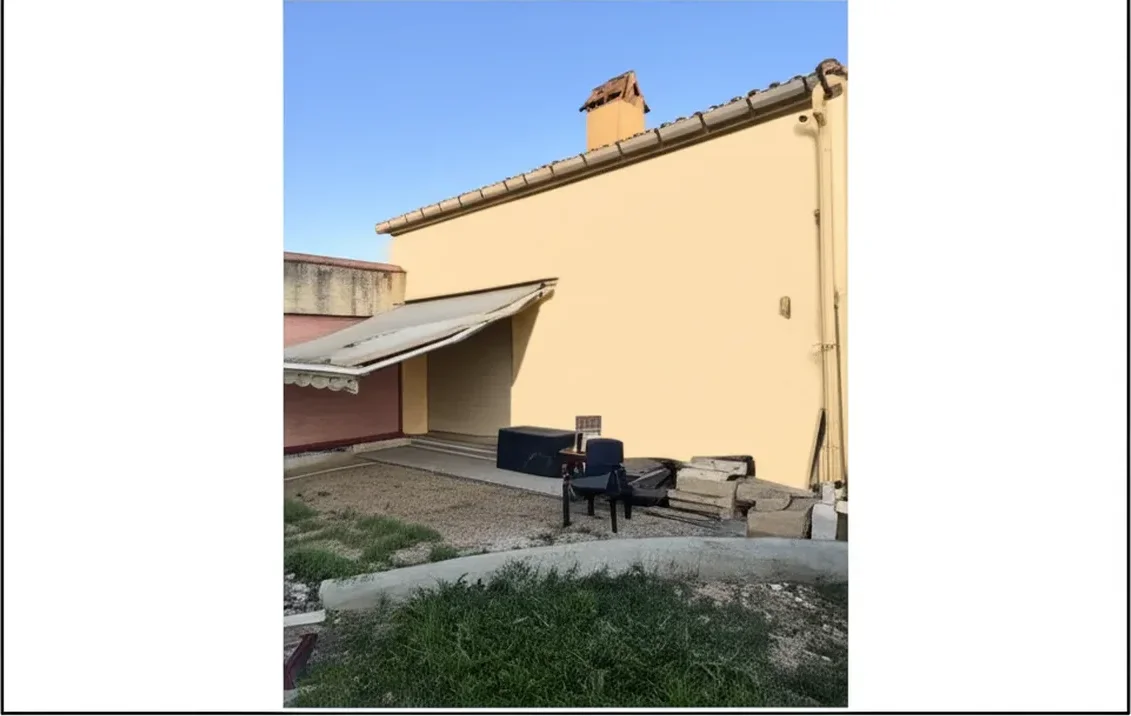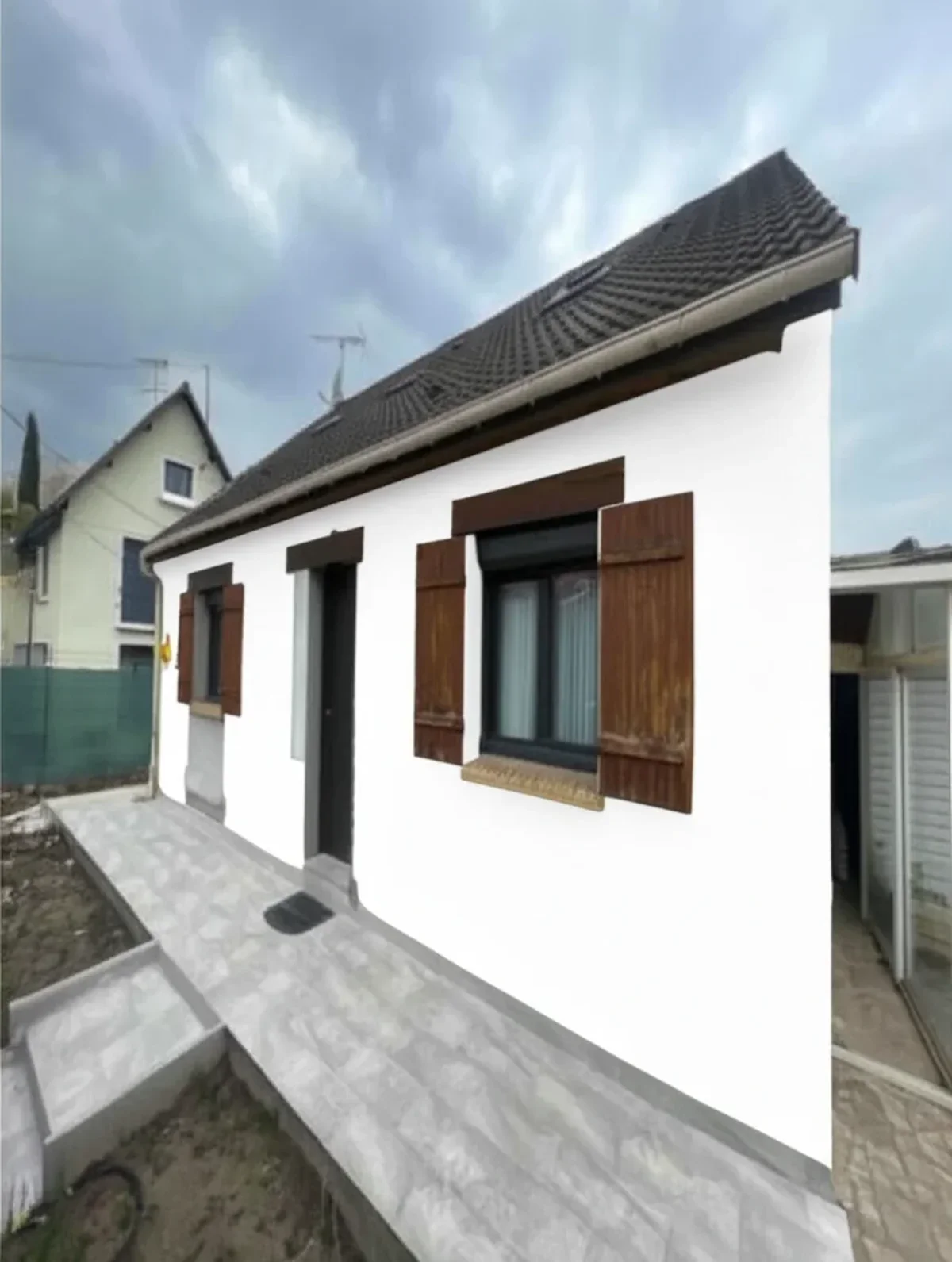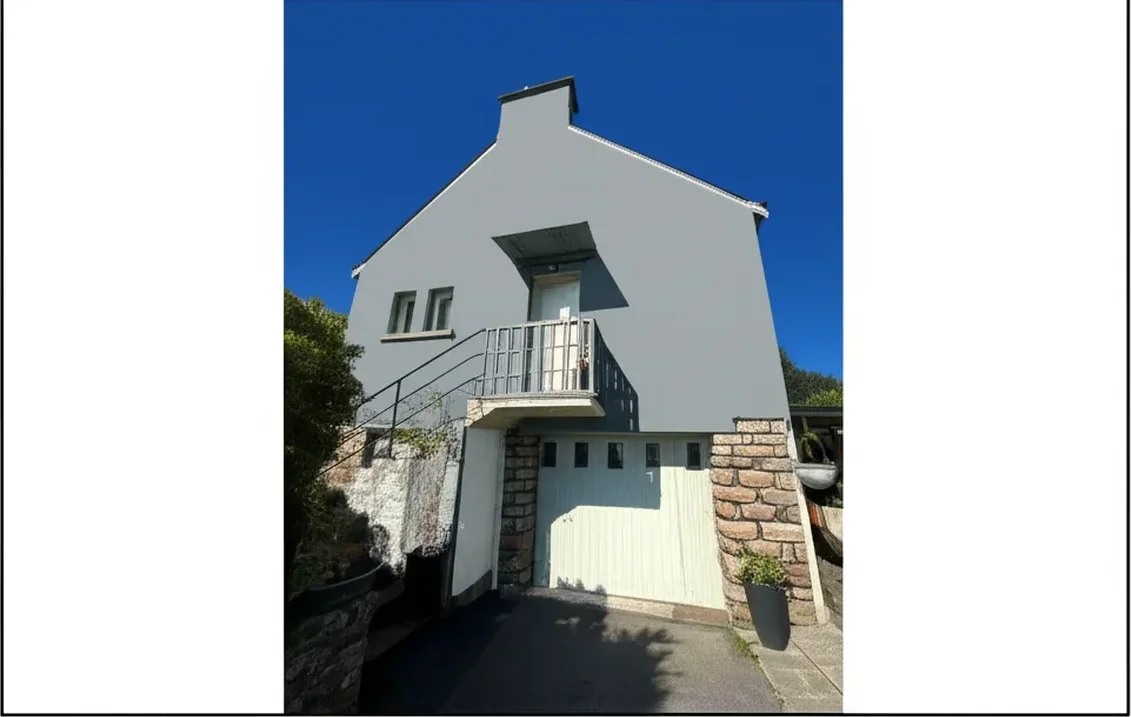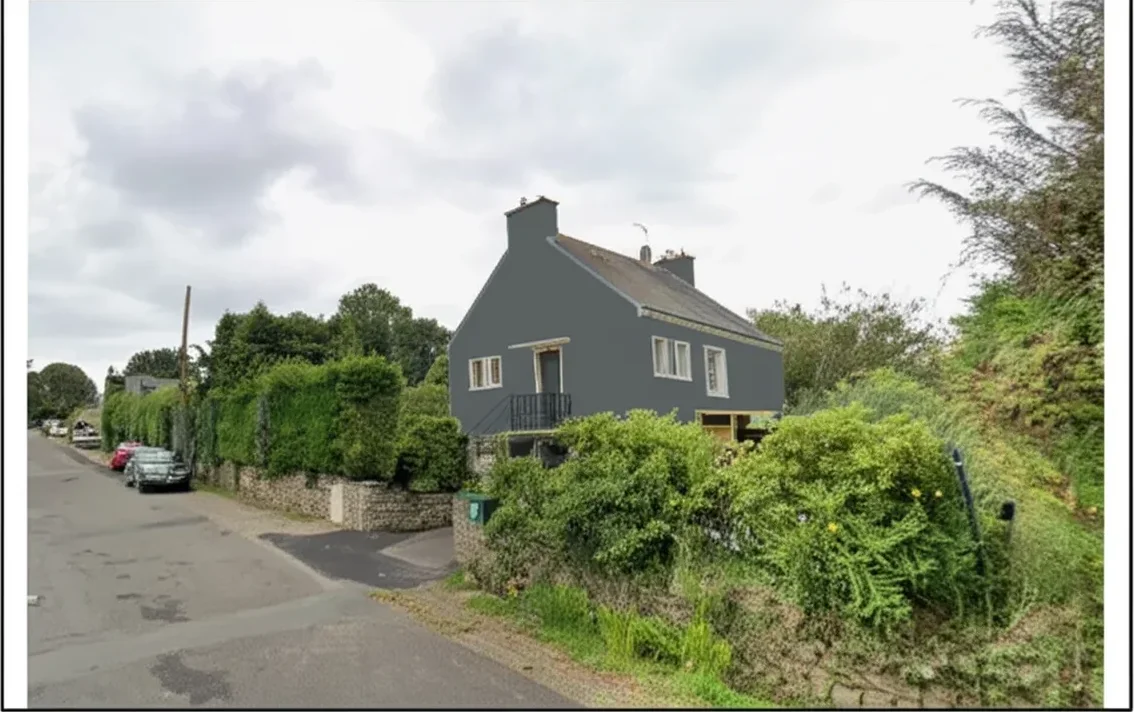
Try it on your house

Edinburgh boasts more than 4,500 listed buildings, roughly 900 of them at Category A, and over 50 conservation areas spanning the medieval Old Town, the Georgian New Town, Victorian colonies and Edwardian villas in Morningside and Stockbridge. The entire Old and New Towns form a UNESCO World Heritage Site, making Edinburgh one of the most heritage-protected cities in the world. If you own a property here, painting the exterior is never a simple DIY weekend. You will almost certainly need listed building consent under Scottish legislation, and using the wrong materials, particularly on traditional lime render or harling, can cause irreversible damage to historic fabric. This guide explains Edinburgh's Scottish-specific rules, realistic costs, approved heritage colours, and practical advice for 2026.
Before committing to a colour scheme, try our free AI colour visualiser to preview authentic period colours on your actual facade, ideal for building a compelling case when you submit your consent application to the City of Edinburgh Council.
Category A, B & C: How Scotland Lists Buildings Differently
Scotland does not use the English grading system of Grade I, Grade II* and Grade II. Instead, Historic Environment Scotland (HES) classifies listed buildings into three categories under the Planning (Listed Buildings and Conservation Areas) (Scotland) Act 1997:
- Category A, buildings of outstanding architectural or historic interest. Edinburgh has around 900 Category A listings, nearly 25 % of all Category A buildings in Scotland and more than any other city in the world. Any alteration, including external painting, demands rigorous listed building consent and may require a historic paint analysis.
- Category B, major examples of a period, style or building type. Roughly 50 % of all Scottish listed buildings fall into this category. Consent is still required for painting that would alter the building's character - changing from lime wash to modern masonry paint, for instance.
- Category C, representative examples of special interest (about 43 % of listings). The same legal protections apply: painting a previously unpainted Craigleith sandstone facade, or switching from limewash to a film-forming product, still requires consent.
In all three categories, the listing protects the entire building, exterior and interior, including sash windows, architectural detail, pointing, and any lime mortar or lime render. Even repainting in the same colour may need consent if the paint type changes, because the moisture vapour permeability of the coating directly affects the building fabric. For a broader comparison of heritage regulations across England (Historic England / English Heritage), Scotland (HES), and Wales (Cadw), see our complete UK-wide listed building painting rules guide.
Listed Building Consent & Conservation Area Rules in Edinburgh
Listed building consent in Scotland is separate from standard planning permission and is governed by the Planning (Listed Buildings and Conservation Areas) (Scotland) Act 1997, distinct from the English 1990 Act. You apply free of charge through the City of Edinburgh Council's planning portal. The council aims to determine applications within eight weeks, and Historic Environment Scotland is consulted on all Category A and most Category B applications.
Edinburgh's 50+ conservation areas add a further layer of protection. An Article 4 Direction applies across much of the New Town, Old Town, Dean Village and Stockbridge, removing permitted development rights entirely. Under an Article 4 Direction, even painting the exterior of an unlisted building in a conservation area requires planning permission. The council's guidance states that rendered finishes should generally be painted in earth tones or neutrals, grey, cream or beige, to preserve the conservation area's character.
Your first step should always be to contact the council's heritage officer or conservation officer for informal advice. Ask specifically whether your proposed paint type and colour will be acceptable, and request the response in writing. This protects you if questions arise later.
Tenement owners take note: Edinburgh is a city of tenements, and exterior walls are shared property. Under the Tenements (Scotland) Act 2004, painting decisions on common parts, including external walls, mutual gables and the roof, require a majority vote (over 50 %) of flat owners. The council's Edinburgh Shared Repairs Service offers free advice on organising common repairs. Tenement Maintenance Orders can also compel reluctant owners to contribute to essential exterior maintenance.
Harling, Limewash & Traditional Scottish Materials
Edinburgh's historic buildings demand traditional materials and breathable paint. Older walls built with lime mortar rely on moisture vapour passing freely through the fabric. Modern plastic masonry paints seal the surface, trapping moisture that causes salt crystallisation, frost spalling and expensive stone repair bills. Historic Environment Scotland and the National Trust for Scotland consistently recommend the following:
- Lime harling (roughcast), the most common traditional finish on Scottish buildings. A coarse mix of local sand, lime putty and small aggregate is dashed onto the wall, creating a durable, fully microporous weatherproof coating. It has protected Edinburgh's masonry for centuries and remains the preferred like-for-like repair for harled facades. The Scottish Lime Centre Trust offers specialist training courses in rendering and harling with lime.
- Limewash, traditionally applied over lime render or harling, lime wash acts as a sacrificial protective layer that is fully vapour-permeable. Locally derived natural earth pigments were added to produce regional heritage colours. Multiple thin coats, typically three to five, build up a characteristically soft, chalky finish.
- Distemper and casein paint, traditional alternatives for interior and sheltered exterior surfaces. Both are breathable paint options that conservation officers accept on original features and period plasterwork.
- Mineral silicate paint, a modern alternative that bonds chemically with the substrate rather than forming a film. Fully microporous, extremely durable, and increasingly accepted by Edinburgh's conservation officers for Category B and Category C listed buildings where strict authenticity is less critical.
Premium brands such as Farrow & Ball Exterior Masonry and Little Greene heritage ranges offer excellent moisture vapour permeability and authentic period colours. Dulux Trade Weathershield Smooth Masonry is popular for previously painted cement-rendered surfaces on lower-category listings. Always confirm product suitability with your conservation officer before purchasing.
Cost of Painting a Listed Building in Edinburgh (2026)
Heritage painting in Edinburgh commands a premium of roughly 15 % above the national average, reflecting the city's concentration of listed properties and the specialist skills required. A qualified painter and decorator with heritage experience typically charges £200–£320 per day, and lime render repairs or lime harling renewal require specialist stonemasons rather than standard decorators. Scaffold hire is generally more affordable than in London, but tenement access can be complex.
| Item | Standard Exterior | Heritage / Listed |
|---|---|---|
| Painter day rate | £200 – £280 | £280 – £400 |
| Exterior masonry painting per m² | £22 – £35 | £28 – £50 |
| Limewash application (3–5 coats) | N/A | £35 – £65 per m² |
| Lime harling renewal | N/A | £65 – £110 per m² |
| Sandstone repointing per m² | £40 – £60 | £55 – £90 |
| Sash window painting (per window) | £80 – £140 | £110 – £200 |
| Scaffold hire (tenement, per week) | £400 – £700 | £400 – £700 |
Try it on your house
No photo? Try a sample
For a typical four-storey Georgian New Town townhouse with 80 m² of harled facade, six sash windows and a panelled front door, expect a total project cost of £5,000–£10,500 including scaffold, lime harling repairs, limewash or breathable paint, and joinery painting. Using Farrow & Ball or Little Greene heritage paints adds 10–20 % to material costs compared with Dulux Trade. For general Edinburgh exterior painting costs on non-listed properties, see our Edinburgh exterior painting cost guide.
Heritage Grants & Penalties for Unauthorised Works
Edinburgh World Heritage operates a Conservation Funding Programme that can contribute towards eligible repair costs, including stonework (repointing, stone repair and paint removal), lime work (lime wash, lime mortar pointing and lime harling), and the restoration of missing original features such as architectural detail and timber sash windows. Enquiries open in April and October each year, and all funded repairs must meet Historic Environment Scotland's Advisory Standards.
On the enforcement side, carrying out unauthorised works on a listed building in Scotland is a criminal offence under the 1997 Act. Penalties mirror those in England:
- Summary conviction, a fine of up to £20,000 and/or up to six months' imprisonment.
- Conviction on indictment, an unlimited fine and/or up to two years' imprisonment.
- The council can issue an enforcement notice requiring you to reverse the work at your own expense, which could mean stripping modern masonry paint and re-applying traditional limewash.
The message is clear: always obtain listed building consent before any painting work begins, and keep copies of all approvals on file.
Practical Tips for Heritage Painting in Edinburgh
- Use like-for-like materials, the principle of like-for-like repair is central to Scottish heritage conservation. If the existing finish is lime harling, renew it with lime putty-based harling, never cement. If the pointing uses lime mortar, re-point with lime, not ordinary Portland cement, which traps moisture and accelerates sandstone decay.
- Hire a specialist heritage painter, standard decorators may not understand traditional materials or the Scottish consent process. The Federation of Master Builders lists 12+ trusted heritage specialists in Edinburgh. Ask for references on previous listed building projects and confirm they carry public liability insurance of at least £2 million.
- Time the work for Edinburgh's climate, the city's cool oceanic climate brings 700 mm of rain annually, high humidity, and an average summer temperature of just 15 °C. The best painting months are June to August. Limewash must be applied in damp, mild conditions (5–25 °C) and never in direct sun or frost, Edinburgh's overcast days are actually ideal for limewash application.
- Coordinate tenement common repairs, if you live in a tenement, agree the scope, colour scheme and budget with fellow owners before applying for consent. A majority vote under the Tenements (Scotland) Act 2004 is needed for common-part maintenance, and the Edinburgh Shared Repairs Service can mediate disputes.
- Protect sandstone and architectural detail, Edinburgh's Craigleith and Hailes sandstone are soft and easily damaged by abrasive cleaning or incompatible materials. Mask sash windows, carved lintels, and stone repair patches carefully. Heritage painting is slow, methodical work, rushing leads to expensive mistakes.
For Edinburgh rendering options on non-heritage properties, see our Edinburgh exterior rendering cost guide, and for general decorator rates, visit our Edinburgh painter & decorator cost guide.
Visualise Heritage Colours on Your Edinburgh Property
Choosing the right heritage colours for an Edinburgh listed building is a high-stakes decision, you need consent, and mistakes are costly to reverse. Upload a photo of your property to our free AI colour visualiser and preview authentic period colours from Farrow & Ball, Little Greene, and classic limewash palettes on your actual facade. It is the fastest way to build a compelling visual case for your listed building consent application.
Frequently Asked Questions
Do I need listed building consent to repaint in Edinburgh?
Yes. If your Edinburgh property is listed at Category A, B or C, you need listed building consent for any external painting that alters the building's character, including changing colour, painting previously unpainted sandstone, or switching from limewash to modern masonry paint. Even properties in a conservation area under an Article 4 Direction require planning permission for exterior painting. Contact the City of Edinburgh Council's conservation officer for written advice before starting work.
How does Scotland's listing system differ from England's?
Scotland uses Category A, B and C instead of England's Grade I, Grade II* and Grade II. Consent is managed by Historic Environment Scotland (HES) rather than Historic England, and the governing legislation is the Planning (Listed Buildings and Conservation Areas) (Scotland) Act 1997, not the English 1990 Act. The assessment criteria differ, so a Category B listing is not directly equivalent to a Grade II* listing.
What paint should I use on a listed building in Edinburgh?
Breathable paint is essential. For harled or lime-rendered facades, limewash, distemper or casein paint are the most historically appropriate options. Mineral silicate paint is an accepted modern alternative. Farrow & Ball and Little Greene heritage ranges offer high moisture vapour permeability. Dulux Trade Weathershield is suitable for previously painted cement-rendered surfaces on lower-category listings. Avoid standard plastic masonry paints, they trap moisture and damage lime mortar and sandstone.
How much does it cost to paint a listed building in Edinburgh?
Heritage exterior painting in Edinburgh costs £28–£50 per m² including preparation and breathable paint, compared with £22–£35 per m² for standard exterior work. A four-storey Georgian New Town townhouse with 80 m² of facade typically costs £5,000–£10,500 in total, including scaffold, lime harling repairs, limewash, and sash window painting.
Are grants available for heritage painting in Edinburgh?
Edinburgh World Heritage operates a Conservation Funding Programme that can contribute towards eligible repair costs, including stonework, lime wash, lime harling, and restoration of original features. Enquiries open in April and October each year. All funded work must meet Historic Environment Scotland's Advisory Standards for Repair Grants.
Official sources
To verify the regulatory information in this guide at the primary source:
- GOV.UK : When planning permission is required
- Planning Portal : Planning permission and building regulations (England and Wales)
- Historic England : Listed buildings and conservation areas
External links. FacadeColorizer is not affiliated with these bodies and their guidance may change over time.
Trademarks mentioned (Sherwin-Williams, Benjamin Moore, Behr, Caparol, Brillux, Sto, Alpina, Valspar, PPG, Glidden, Dulux, Crown Trade, Sandtex, Farrow & Ball, Johnstone's, Leyland) are property of their respective owners. FacadeColorizer is independent and not affiliated with any of them. Nominative fair use under Lanham Act §1125.