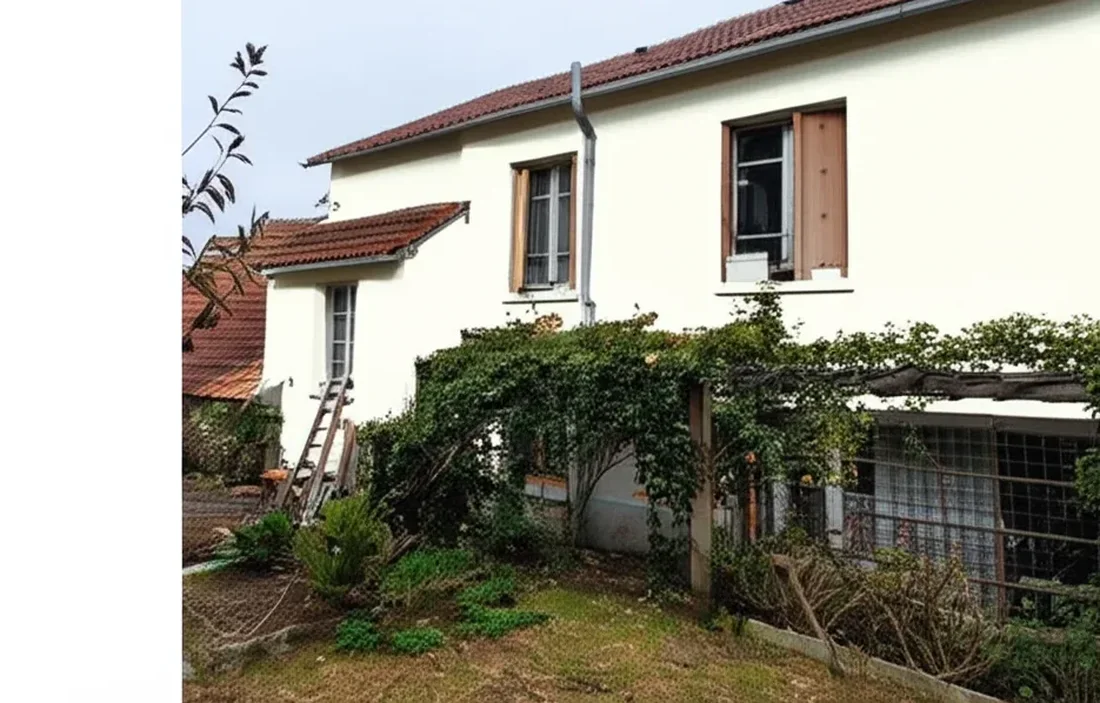
Exterior house painting in Edinburgh comes with unique challenges. Scotland's capital is defined by its stone tenements, Georgian New Town facades, and a World Heritage Site designation that covers the entire city centre. Whether you are repainting a tenement stairwell in Marchmont, refreshing render on a villa in Morningside, or maintaining a listed building on the Royal Mile, understanding Edinburgh's costs, Scottish building regulations, and conservation area rules is essential. This 2026 guide covers everything from cost per m² to the best masonry paint for Scotland's demanding climate.
Before you choose a colour, try our free AI house colour visualiser to see how your Edinburgh property will look — no sample pots, no scaffolding, no risk.
Exterior Painting Costs in Edinburgh (2026)
Edinburgh's painter and decorator rates are competitive with other Scottish cities but lower than London. Masonry paint costs £9–£15 per m² including preparation and two coats. Tenement painting projects often involve shared costs among owners:
| Service | Edinburgh Price | National Average |
|---|---|---|
| Masonry paint (per m²) | £9 – £15 | £8 – £14 |
| Silicone render — K Rend / Weber (per m²) | £80 – £130 | £75 – £120 |
| Lime render (per m²) | £60 – £85 | £55 – £80 |
| Sand and cement render (per m²) | £40 – £70 | £35 – £65 |
| Scaffold hire (tenement block) | £1,200 – £3,500 | £600 – £1,500 |
| Tenement common painting (per flat share) | £400 – £900 | N/A |
| Full exterior — detached villa | £1,500 – £3,500 | £1,200 – £2,800 |
Edinburgh Tip
Tenement common painting requires agreement among all flat owners. Under Scottish tenement law (Tenements (Scotland) Act 2004), maintenance decisions may be made by a majority of owners. Factor companies often coordinate common painting projects — costs are split equally per flat.
Tenement Painting in Edinburgh
Edinburgh's sandstone tenements are the city's defining architectural feature. Tenement painting involves specific considerations:
- Stone facades: most Edinburgh tenements are built from Craigleith or Hailes sandstone. Exposed stone should generally not be painted — impermeable masonry paint traps moisture and causes spalling. If stone is already painted, breathable render or silicate-based paint is essential.
- Common stairwells: interior common stair painting is a shared responsibility. Budget £400–£900 per flat for a full stairwell repaint including walls, ceilings, banisters, and woodwork.
- Scaffold access: tenement blocks are typically 3–5 storeys high. Scaffold hire for a full tenement facade runs £1,200–£3,500 — significantly more than a standard house. This cost is shared among all owners.
- Render repairs: harled (roughcast) tenements in areas like Dalry and Gorgie may need render crack repair before painting. A professional condition report identifies problems before work starts.
Scottish Building Regulations and Conservation Areas
Edinburgh's planning framework is governed by Scottish regulations, which differ from England in several ways:
- Standard property: repainting is permitted development under Scottish rules — no planning permission needed for like-for-like repainting.
- Conservation areas: Edinburgh has over 50 conservation areas covering the Old Town, New Town, and many suburban neighbourhoods. Painting previously unpainted stone, or changing the colour of rendered facades, may require planning consent.
- World Heritage Site: the Old and New Towns of Edinburgh are a UNESCO World Heritage Site. Any visible external alteration in this area faces extra scrutiny from City of Edinburgh Council.
- Listed buildings: Edinburgh has around 4,800 listed buildings. All exterior alterations require Listed Building Consent — including changes to paint colour, lime render repairs, and window painting.
- A property survey is strongly recommended for any pre-1900 property before exterior work begins.
Best Season to Paint in Edinburgh
Edinburgh's climate is cool and changeable, making timing critical for exterior painting:
- Best months: May to August. Temperatures range from 10°C to 20°C and rainfall is at its lowest. September is possible but risky.
- Rainfall: Edinburgh receives around 700 mm annually — less than Glasgow or Bristol — but east coast haar (sea fog) can delay drying on spring and autumn mornings.
- Frost risk: Edinburgh averages 50–65 frost days per year. Masonry paint should never be applied below 5°C, ruling out October through April for most exterior work.
- Wind exposure: Edinburgh is one of the windiest UK cities. Strong gusts affect scaffold safety and paint application quality. Sheltered east-facing elevations are often easiest to work on.
- Paint longevity: in Edinburgh's conditions, expect masonry paint to last 5–8 years on exposed elevations. K Rend silicone render with built-in frost resistance is the most durable option.
Masonry Paint and Render for Edinburgh Properties
Edinburgh's cold, wet winters demand high-performance products:
- Dulux Trade Weathershield: the most widely used masonry paint in Edinburgh. Excellent frost resistance and moisture protection. Smooth and textured finishes available.
- Sandtex 365: all-weather formula that can be applied in temperatures as low as 2°C — a genuine advantage in Scotland's short painting season.
- Farrow & Ball: popular for New Town Georgian properties where colour accuracy is paramount. Their exterior masonry range is breathable render-compatible.
- Crown Trade: reliable mid-range option with good anti-algae properties for Edinburgh's damp north-facing walls.
- K Rend and Weber silicone render offer the best long-term value. Self-cleaning, breathable, and maintenance-free. Applied as a scratch coat then top coat.
- Lime render is mandatory for many listed buildings in Edinburgh. Traditional limewash over lime render allows historic stone walls to breathe.
Energy Efficiency and Grants in Scotland
Scotland offers its own energy efficiency programmes alongside UK-wide schemes. EWI combined with silicone render can dramatically improve your EPC rating. The ECO scheme (ECO4) and Home Energy Scotland loans may cover part of the cost. The Scottish Government's Energy Efficiency Programme offers additional support for qualifying households. All work must comply with BS 4800 standards where specified.
Understanding Your Exterior Surface Before Painting
Before booking a painter and decorator, it is essential to understand your property's exterior surface. Many UK homes feature pebble dash or roughcast finishes, which require specialist preparation. If your walls have polymer render, self-coloured render, or traditional cement render with a bellcast bead and stop bead at the edges, the paint system must be compatible with these substrates. A condition report from a surveyor can identify any render crack, rising damp, or areas where render mesh has failed beneath the scratch coat and top coat.
For properties with breathable render or lime mortar joints, choose masonry paint that allows moisture vapour to escape — Dulux Trade Weathershield, Sandtex 365, Crown Smooth Masonry, and Farrow & Ball Exterior Masonry are all excellent options conforming to BS 4800 colour standards. If exterior rendering repairs are needed first, expect to pay an additional cost per m² of £40–£80 depending on whether you choose silicone render, monocouche render, or sand and cement render. Accessing upper floors typically requires scaffold or an access tower, adding £500–£1,500 to the total project cost. Properties with an EPC rating of D or below may also qualify for the ECO scheme or Green Homes Grant towards EWI (External Wall Insulation) — combining insulation with repainting can deliver significant savings. Always request a property survey and check frost resistance ratings if work extends into autumn, as K Rend and Weber products have specific temperature requirements.
Visualise Your Edinburgh Property Before Painting
Whether you are refreshing a harled tenement in Marchmont, choosing heritage tones for a New Town Georgian flat, or modernising a rendered villa in Morningside, the right colour is everything. FacadeColorizer lets you upload a photo and test any colour in seconds — try Farrow & Ball Stony Ground, Dulux Natural Calico, or Crown Antique Cream and see the result on your actual building. Completely free, no sign-up required.