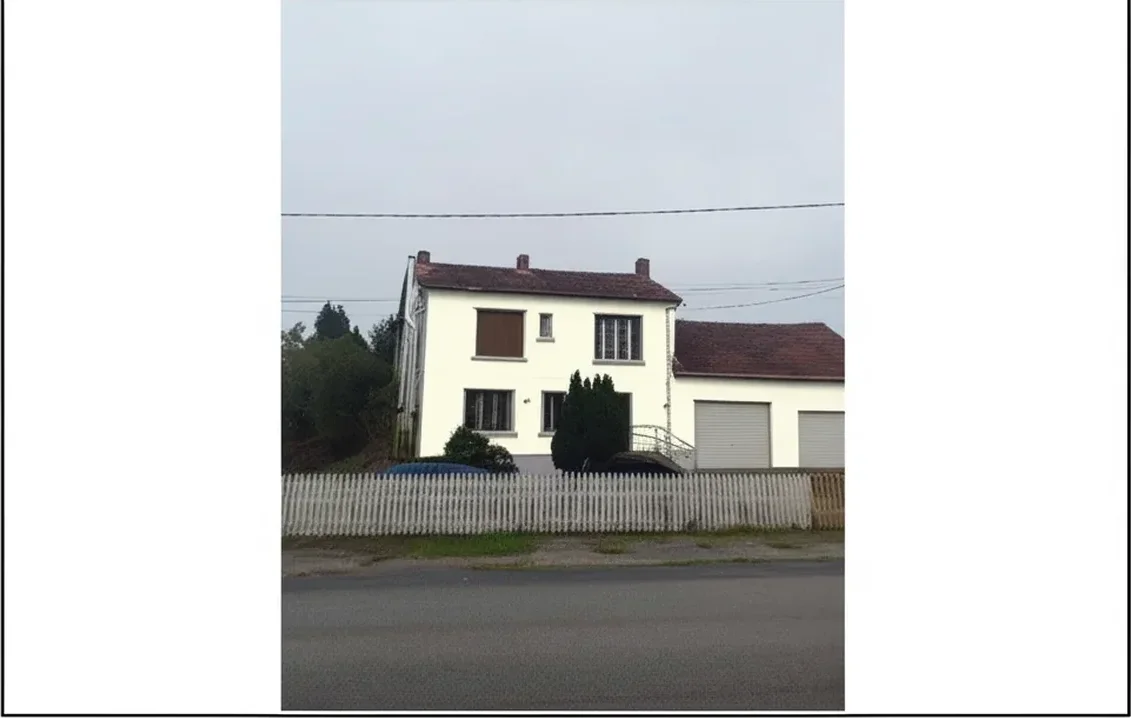
Glasgow is a city of sandstone tenements, roughcast rendered semis, and grand Victorian villas — all of which need regular exterior maintenance to withstand Scotland's wettest major city climate. Exterior house painting in Glasgow requires careful product selection, proper damp management, and an understanding of tenement common painting obligations. Whether you own a flat in a Hyndland tenement or a detached house in Newton Mearns, this guide covers 2026 costs per m², best masonry paint for Glasgow's rain, Scottish regulations, and practical advice.
Before choosing a colour, try our free AI house colour visualiser — upload a photo and see how any shade looks on your Glasgow property in seconds.
Exterior Painting Costs in Glasgow (2026)
Glasgow's painter and decorator rates are competitive. Masonry paint application costs £8–£14 per m² including preparation and two coats. Roughcast re-rendering is a common requirement for Glasgow's distinctive harled facades:
| Service | Glasgow Price | National Average |
|---|---|---|
| Masonry paint (per m²) | £8 – £14 | £8 – £14 |
| Roughcast / harling (per m²) | £45 – £75 | £40 – £70 |
| Silicone render — K Rend / Weber (per m²) | £75 – £125 | £75 – £120 |
| Monocouche render (per m²) | £55 – £90 | £55 – £90 |
| Lime render (per m²) | £55 – £80 | £55 – £80 |
| Scaffold hire (tenement block) | £1,000 – £3,000 | £600 – £1,500 |
| Tenement common painting (per flat share) | £350 – £850 | N/A |
| Full exterior — detached house | £1,200 – £3,000 | £1,200 – £2,800 |
Glasgow Tip
Tenement common painting is a shared responsibility under Scottish law. Glasgow City Council's Property Factors Register lists approved factors who can coordinate projects. Under the Tenements (Scotland) Act 2004, a majority of owners can agree to maintenance work — getting early buy-in from neighbours speeds up the process.
Roughcast and Tenement Painting in Glasgow
Glasgow's building stock presents two dominant exterior types, each with specific painting requirements:
- Roughcast (harling): Glasgow's most common external finish. Traditional roughcast involves throwing wet aggregate onto a cement scratch coat to create a textured, weather-resistant surface. Re-harling costs £45–£75 per m². Modern alternatives include K Rend silicone roughcast, which is self-cleaning and never needs repainting.
- Sandstone tenements: Glasgow's red and blonde sandstone tenements are iconic. Exposed stone should not be painted — use stone cleaning instead. Where stone is already painted, only breathable silicate paint or limewash should be applied.
- Common stairwells: Glasgow tenement closes (stairwells) need repainting every 8–12 years. Budget £350–£850 per flat for a full close repaint including walls, ceiling, tiles, and woodwork.
- Render repairs: crumbling roughcast is Glasgow's most common exterior problem. Patch repairs cost £20–£40 per m²; full re-harling is more cost-effective for larger areas of render crack damage.
Scottish Building Regulations and Conservation Areas
Glasgow follows Scottish building regulations, which differ from English rules:
- Standard property: repainting is permitted development — no planning permission required for like-for-like repainting or roughcast repairs.
- Conservation areas: Glasgow has over 20 conservation areas, including the West End, Park Circus, Dennistoun, and parts of the Merchant City. Painting previously unpainted stone or adding new render requires planning consent.
- Listed buildings: Glasgow has around 1,800 listed buildings. All exterior alterations require Listed Building Consent from Glasgow City Council, including changes to paint colour and render type.
- The Tenements (Scotland) Act 2004 governs shared maintenance obligations for flatted properties. Understanding your title deeds and any burden conditions is essential before undertaking common painting.
- A property survey or condition report is recommended before any significant exterior work on pre-1940 properties.
Best Season to Paint in Glasgow
Glasgow is the wettest major city in the UK, making timing critical:
- Best months: May to July. Average temperatures of 12°C–19°C are suitable for masonry paint. August can work but rainfall increases.
- Rainfall: Glasgow receives approximately 1,100–1,200 mm of rain annually — nearly double London. West-facing elevations are most exposed to prevailing Atlantic weather.
- Frost risk: Glasgow averages 50–60 frost days per year. Frost resistance is essential in any exterior product. Never apply paint below 5°C.
- Drying times: Glasgow's high humidity means masonry paint takes longer to cure than in drier regions. Allow extra time between coats and avoid painting if rain is forecast within 4 hours.
- Paint longevity: in Glasgow's conditions, expect masonry paint to last 4–6 years on exposed west-facing walls. K Rend silicone render is the most durable option for Glasgow's rain.
Masonry Paint and Products for Glasgow's Climate
Glasgow's extreme rainfall demands products with exceptional moisture resistance:
- Dulux Trade Weathershield: the industry standard. Excellent rain resistance, frost resistance, and a 15-year guarantee. The textured finish works well over roughcast surfaces.
- Sandtex 365: can be applied at temperatures as low as 2°C and in light drizzle — a genuine advantage in Glasgow's climate. Strong anti-algae formula tackles green growth on damp walls.
- Crown Trade Fastflow: quick-drying formula designed for Scotland's unpredictable weather windows.
- K Rend Silicone TC: the premium choice for Glasgow. Through-coloured silicone render that is self-cleaning, breathable, and never needs repainting. Weber silicone systems offer similar performance.
- Lime render and limewash for listed buildings and older stone properties — essential for allowing moisture to escape from traditional masonry.
- Always treat damp and rising damp before applying any coating. A property survey identifies moisture sources that must be resolved first.
Energy Efficiency and Grants in Glasgow
Glasgow's older housing stock is often poorly insulated. EWI (External Wall Insulation) with silicone render or modern roughcast can raise your EPC rating by one or two bands. The ECO scheme (ECO4), Home Energy Scotland, and Glasgow City Council's own energy programmes may fund part of the cost. The Scottish Government's Energy Efficiency Programme provides additional grants for qualifying households. All systems comply with BS 4800 colour standards.
Understanding Your Exterior Surface Before Painting
Before booking a painter and decorator, it is essential to understand your property's exterior surface. Many UK homes feature pebble dash or roughcast finishes, which require specialist preparation. If your walls have polymer render, self-coloured render, or traditional cement render with a bellcast bead and stop bead at the edges, the paint system must be compatible with these substrates. A condition report from a surveyor can identify any render crack, rising damp, or areas where render mesh has failed beneath the scratch coat and top coat.
For properties with breathable render or lime mortar joints, choose masonry paint that allows moisture vapour to escape — Dulux Trade Weathershield, Sandtex 365, Crown Smooth Masonry, and Farrow & Ball Exterior Masonry are all excellent options conforming to BS 4800 colour standards. If exterior rendering repairs are needed first, expect to pay an additional cost per m² of £40–£80 depending on whether you choose silicone render, monocouche render, or sand and cement render. Accessing upper floors typically requires scaffold or an access tower, adding £500–£1,500 to the total project cost. Properties with an EPC rating of D or below may also qualify for the ECO scheme or Green Homes Grant towards EWI (External Wall Insulation) — combining insulation with repainting can deliver significant savings. Always request a property survey and check frost resistance ratings if work extends into autumn, as K Rend and Weber products have specific temperature requirements.
Visualise Your Glasgow Property Before Painting
Whether you are refreshing roughcast on a semi in Knightswood, choosing colours for a tenement close in the West End, or modernising a villa in Bearsden, seeing the colour on your actual property makes all the difference. FacadeColorizer lets you upload a photo and test any colour in seconds — try Dulux Natural Calico, Sandtex Cornish Cream, or Crown Ivory Cream and see the result instantly. Completely free, no sign-up required.