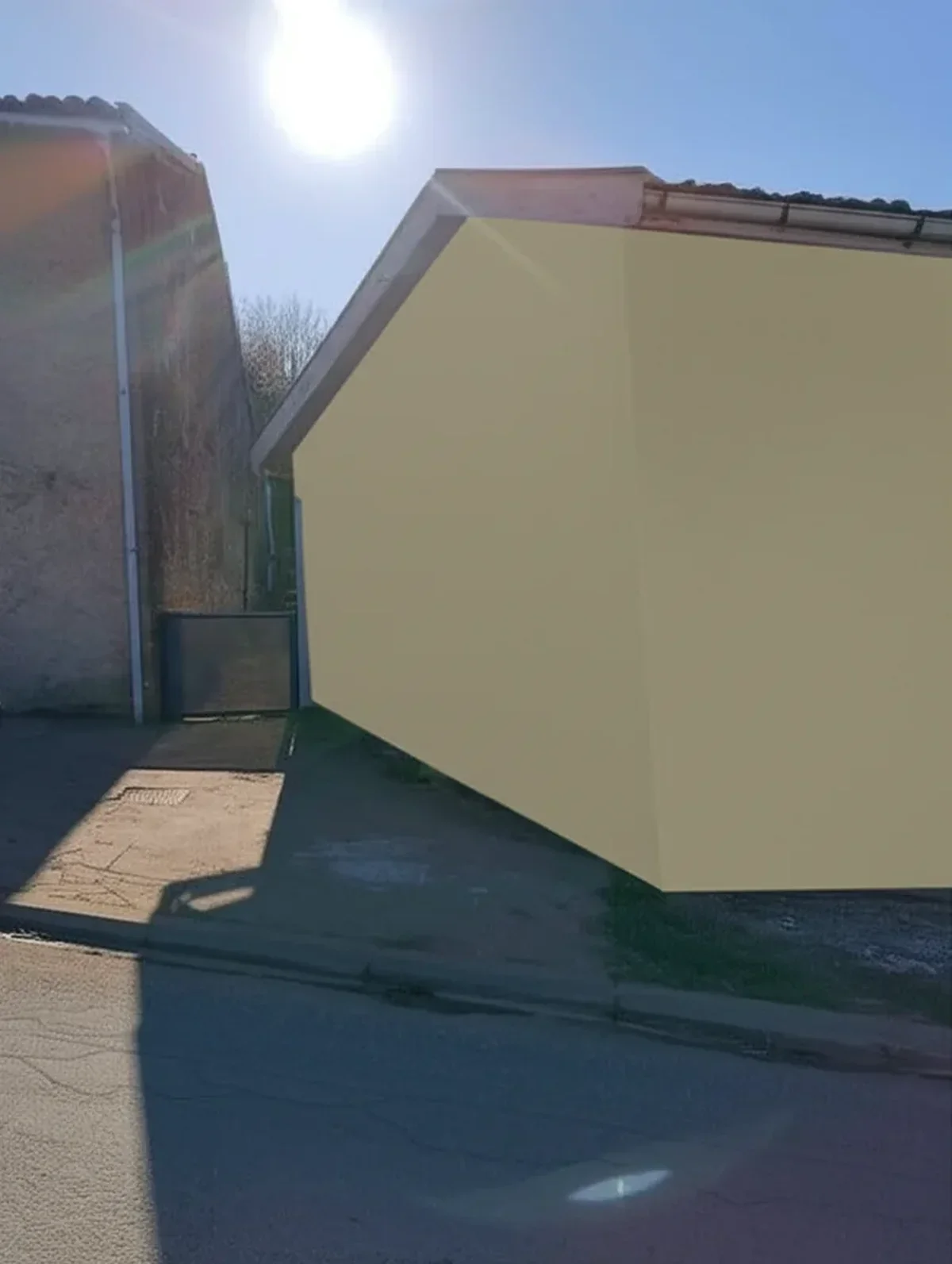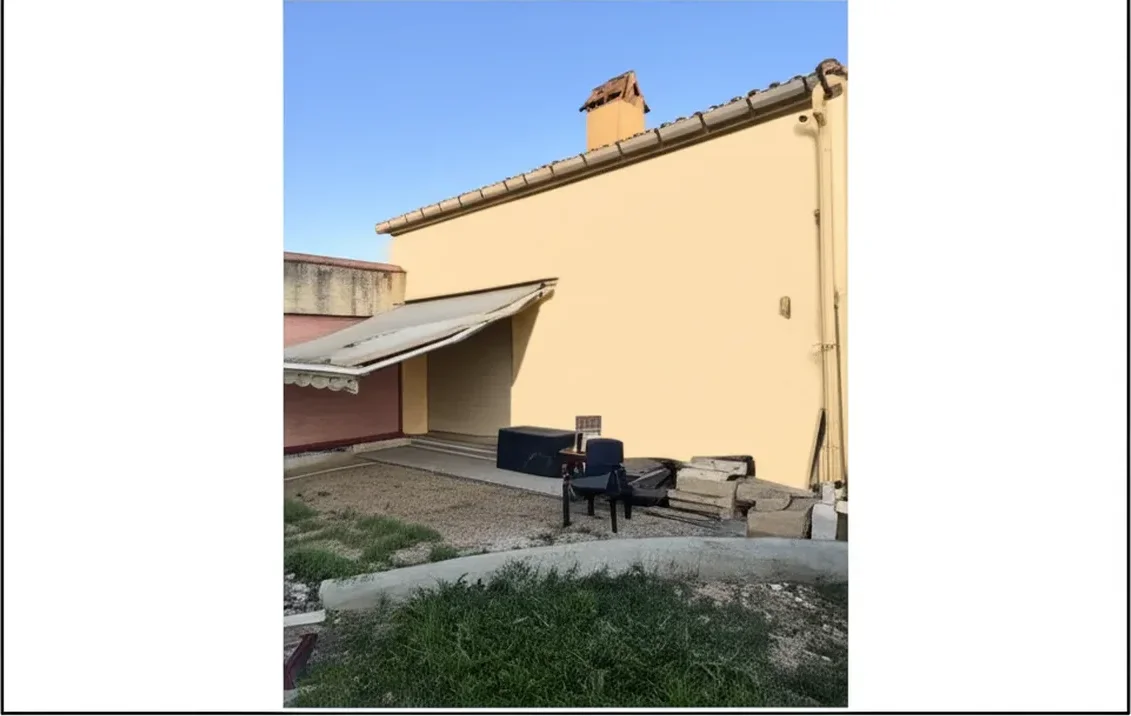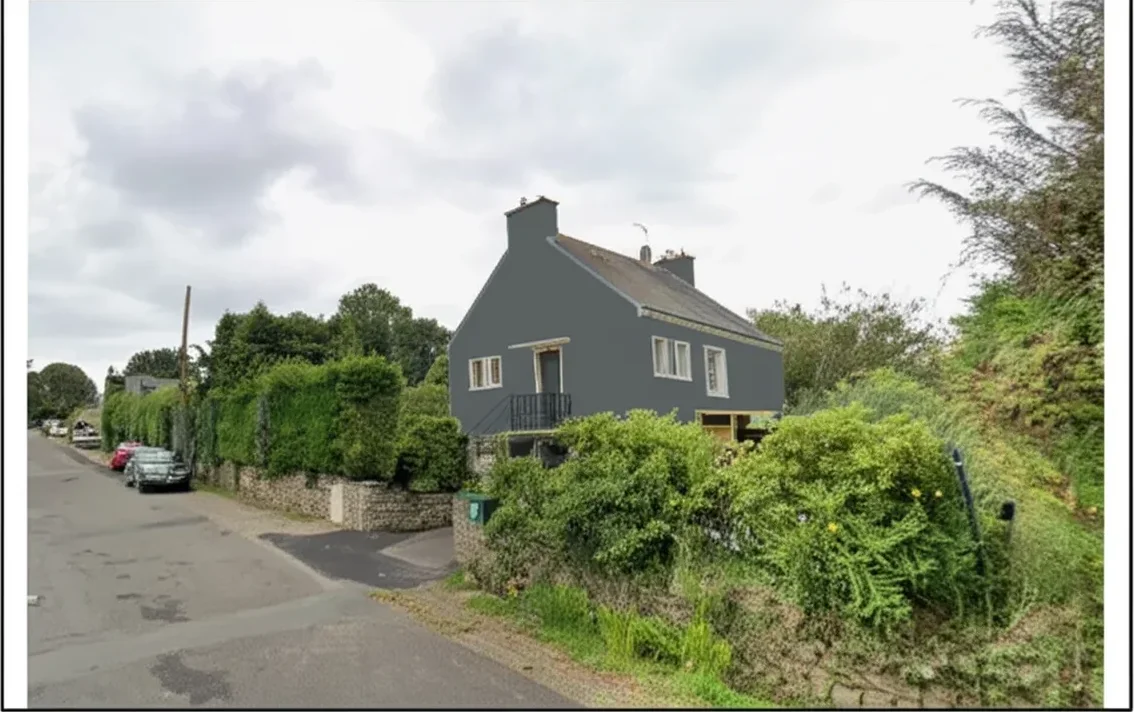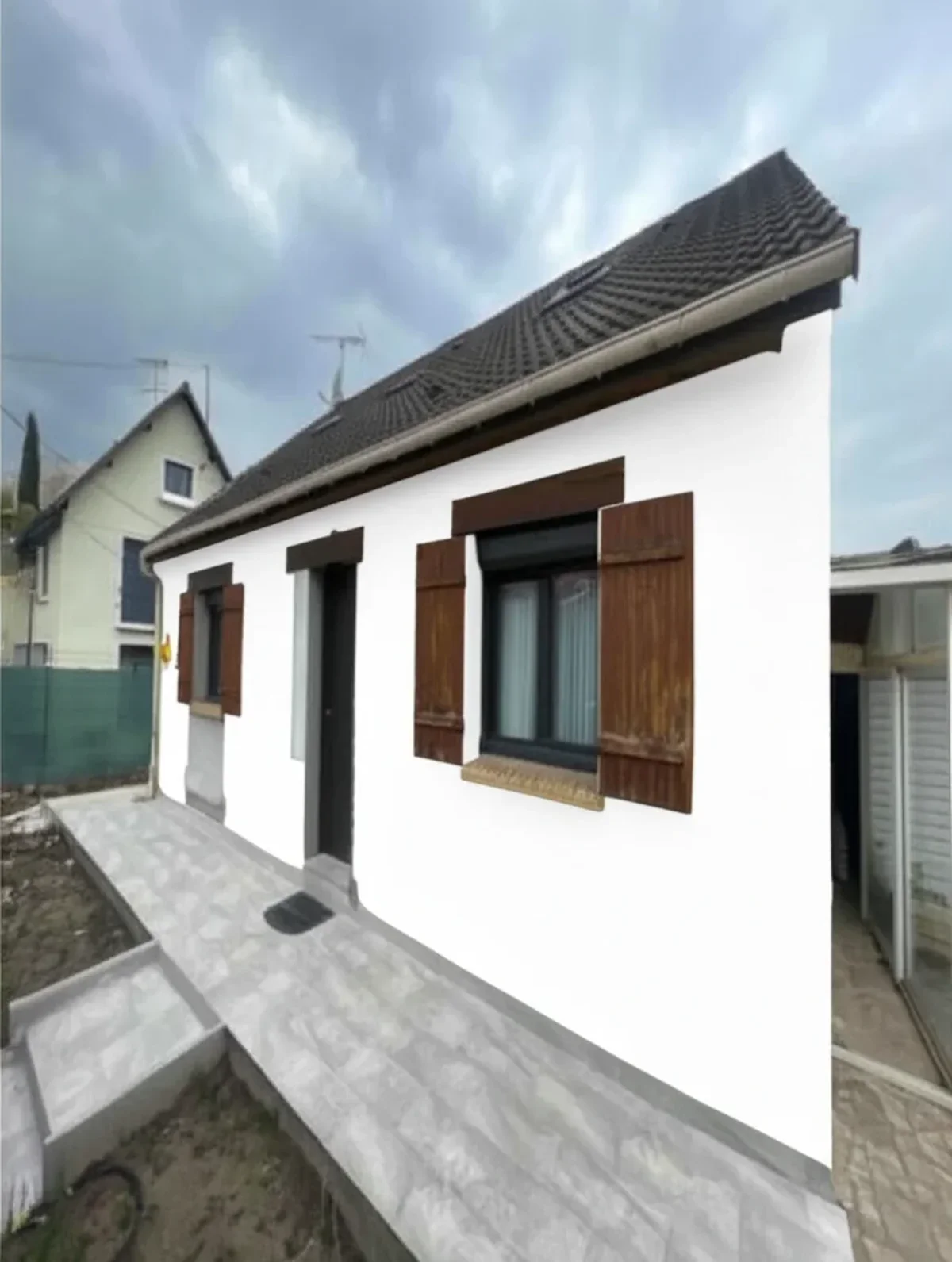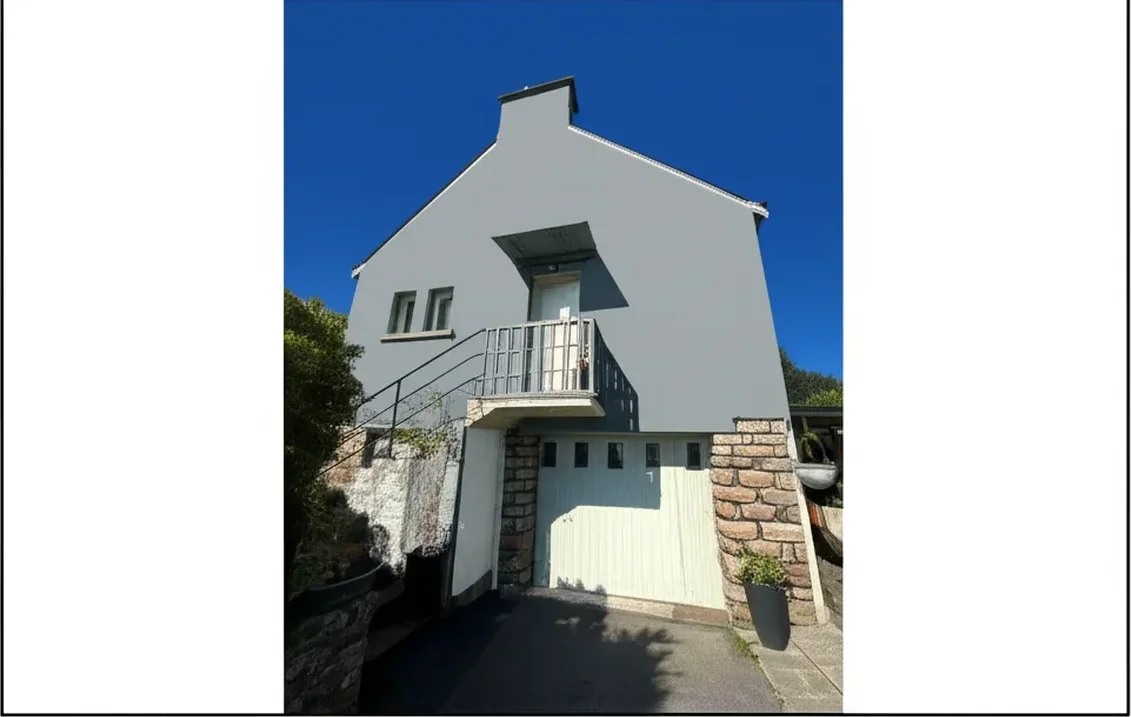
Try it on your house

Bath is one of only a handful of entire cities to hold UNESCO World Heritage status, inscribed in 1987 for its outstanding Georgian architecture and again in 2021 as one of the Great Spa Towns of Europe. With over 5,000 listed building entries and 35 conservation area designations across Bath and North East Somerset (BANES), painting the exterior of your home here is rarely as simple as picking a colour and booking a decorator. Whether you own a Grade I townhouse on the Royal Crescent, a Grade II* terrace near The Circus, or a Grade II cottage in Widcombe, you need to understand listed building consent, approved heritage colours, and the traditional materials that keep Bath’s honey-coloured streetscape intact.
Before contacting your conservation officer, try our free AI colour visualiser, upload a photo of your Bath property and preview period colours from Farrow & Ball, Little Greene and other heritage palettes in seconds. It is the fastest way to test options before submitting a consent application.
Why Bath Stone Makes Painting So Sensitive
The warm, golden limestone known as Bath stone is central to the city’s identity. Quarried locally since Roman times, it was used by John Wood the Elder and John Wood the Younger to create the crescents, terraces and squares that define Georgian Bath, including the Royal Crescent (1767–1774) and The Circus (1754–1769). Bath stone is naturally porous and allows moisture vapour to move through the wall. Coating it with a non-breathable modern masonry paint traps water inside, accelerating decay, encouraging damp and causing surface spalling within a few years.
For this reason, the Bath Preservation Trust and BANES conservation team strongly advise that external Bath stone walls should be left unpainted wherever possible. When painting is genuinely necessary, for example to protect eroded ashlar or to maintain a historically painted render, only breathable paint is acceptable. Lime wash (limewash) remains the gold standard: it bonds with the stone, allows moisture vapour transmission and weathers gracefully over time. Distemper and casein paint are also suitable for specific heritage contexts, while microporous mineral silicate paints offer a modern alternative that conservation officers sometimes accept.
Do You Need Listed Building Consent in Bath?
Listed building consent is required for any work that alters the character of a listed building. In Bath, Historic England and the BANES heritage officer team interpret this broadly. You will almost certainly need formal consent if you intend to paint a previously unpainted Bath stone surface, change the colour of an already-painted facade, apply lime render or lime mortar coatings, or alter original features such as sash window frames, pointing or architectural detail.
Even like-for-like repair, repointing with matching lime mortar or stone repair using compatible lime putty, should be discussed with your conservation officer in advance. BANES has extensive Article 4 Direction coverage across the city centre, which removes permitted development rights for painting and other minor exterior alterations. Contact the BANES conservation team on 01225 394041 (Tuesday and Thursday) or email conservation_andplanning@bathnes.gov.uk for pre-application advice.
Carrying out unauthorised works on a listed building is a criminal offence. An enforcement notice can require full reversal at your expense, and prosecution may result in an unlimited fine or up to two years’ imprisonment. For the national rules in detail, see our listed building painting rules UK guide.
Approved Heritage Colours and Materials for Bath
Conservation officers expect colours that sit harmoniously with the honey tones of Bath stone. Bright whites, vivid primaries and deep charcoals are almost always refused. Accepted finishes typically include warm cream, stone and buff tones close to natural Bath stone; soft off-whites such as Farrow & Ball Pointing, Lime White and Matchstick; muted period shades from the Little Greene period colours collection (researched from English Heritage archives); and historic paint references informed by the National Trust palette.
For woodwork on sash window frames, front doors and railings, conservation officers often specify muted greens, dark blues or heritage blacks. The Bath Preservation Trust recommends that all timber and masonry paints give a matt finish, glossy or satin sheens are considered inappropriate for Georgian, Victorian and Edwardian elevations.
Upload a photo of your property to our colour visualiser and preview these heritage palettes directly on your facade before committing to a consent application.
What Does Heritage Painting Cost in Bath?
Heritage painting on a listed building costs significantly more than standard exterior decorating. Specialist contractors must use approved traditional materials, prepare surfaces with care and often work from scaffold on Bath’s multi-storey Georgian terraces. The table below gives indicative 2026 costs for a mid-terrace property in Bath.
| Work Item | Typical Cost | Notes |
|---|---|---|
| Limewash application (facade) | £60–£90 per m² | Includes surface prep, 2–3 coats |
| Mineral silicate breathable paint | £40–£65 per m² | Microporous finish, subject to officer approval |
| Sash window painting (per window) | £150–£350 | Strip, prime, 2 coats; heritage colours |
| Front-door repaint (period colours) | £200–£400 | Hand-applied, Farrow & Ball or Little Greene |
| Scaffold hire (3-storey terrace) | £1,200–£2,500 | Erect, dismantle & 2–4 week hire |
| Repointing (lime mortar) | £80–£140 per m² | Like-for-like repair; consent may be required |
| Listed building consent application | Free | No fee in England; Heritage Statement advisable |
| Full exterior (typical mid-terrace) | £4,500–£9,000 | Limewash facade + windows + door + scaffold |
Try it on your house
No photo? Try a sample
Costs are higher than standard painting because limewash application is labour-intensive (2.5–3 times the hours of conventional masonry paint), specialist heritage decorators command a premium day rate of £300–£450, and scaffold access on steep Bath hillsides can be complicated. Always obtain at least three itemised quotes from decorators experienced with Bath’s Georgian building stock.
Step-by-Step: How to Get Consent and Start Work
Follow this process to stay on the right side of BANES planning controls:
- Check your listing. Search the Historic England National Heritage List to confirm your building’s grade (Grade I, Grade II* or Grade II) and the extent of the conservation area.
- Contact the BANES conservation officer. Request pre-application advice. Describe the proposed work, colours and materials. Ask whether an Article 4 Direction applies.
- Prepare a Heritage Statement. Include photographs, a brief history of the property, proposed colours (reference the Farrow & Ball or Little Greene catalogue), and paint specifications showing breathable paint or limewash.
- Submit via the Planning Portal. Listed building consent carries no fee in England. Allow up to eight weeks for a decision.
- Appoint a heritage decorator. Ensure they have experience with lime wash, lime putty, and lime render substrates. Ask for references on Georgian properties in Bath.
- Commence work. Use the exact colours and traditional materials specified in your consent. Retain documentation for future reference and resale.
Bath vs Other Heritage Cities: Key Differences
Bath’s UNESCO status and the sheer density of listed buildings make it one of the most tightly controlled cities in the UK for exterior painting. In London, rules vary borough by borough, Westminster and Kensington & Chelsea enforce strict Article 4 Direction controls, while outer boroughs are more relaxed (see our London listed building painting guide). In Edinburgh, Historic Environment Scotland and the Scottish planning system apply different legislation, with harling and lime render predominating (read our Edinburgh listed building painting guide).
What makes Bath unique is the uniformity of its Bath stone palette. While London and Edinburgh contain a wide mix of brick, stone and render, Bath’s Georgian terraces present an almost monochromatic streetscape. Any colour change, however subtle, is immediately noticeable, which is precisely why the heritage officer team and the National Trust (which manages No. 1 Royal Crescent as a museum) take such a firm stance. Cadw operates similar protections for listed buildings across the Welsh border, just a short distance from Bath.
Listed Building Consent in Bath: Process at a Glance
Listed Building Consent is governed by the Planning (Listed Buildings and Conservation Areas) Act 1990 and submitted through the Planning Portal to the BANES planning authority. The application is free in England under section 17 of the 1990 Act. Supporting documents typically include a one to two page Heritage Statement (mandatory for Grade I and Grade II*, strongly advised for Grade II), scaled elevation drawings or annotated photographs, A4 physical paint samples, and product data sheets that confirm vapour permeability. Determination targets sit at 8 weeks, with Grade I and II* cases referred to Historic England for a 28-day comment window. Useful primary sources to cite in your bundle: historicengland.org.uk for traditional materials and breathable paint chemistry, gov.uk/listed-buildings for the legal framework, and the Institute of Historic Building Conservation (ihbc.org.uk) for accredited heritage professionals.
Period-Correct Colours for Bath's Georgian and Regency Stock
BANES expects colour proposals tied to the building's architectural period. Georgian (1714 to 1830, the bulk of Bath's stock): stone and lime cream renders, lead grey, oxblood red or bottle green on doors, cast-iron black on railings. Reference Farrow and Ball Slipper Satin, Pointing or Studio Green; Dulux Heritage Regency Cream or Cornish Cream; Little Greene Stone-Pale-Warm or Portland Stone. Regency (1811 to 1837, found in Lansdown Crescent and parts of Camden Crescent): Suffolk pink stucco and pale lime cream. Reference Crown Period Collection Soft Lime or Johnstone's Heritage Pale Stone. Early Victorian (Widcombe and Bathwick villas): warm cream renders with sage green or deep ox-blood joinery. Naming the brand and reference in the application carries far more weight with the BANES heritage team than a generic colour name.
Article 4 Directives Across BANES: What Caught Streets Look Like
BANES applies Article 4 Directions across all 35 conservation areas, withdrawing permitted development rights that would normally allow paint changes without consent. In practice, any colour change on an already-painted surface inside central Bath requires a householder planning application of approximately GBP 258. The Article 4 footprint covers the Royal Crescent and The Circus, Bathwick, Lansdown, Camden Road, Widcombe, Larkhall, Twerton, Combe Down and Weston. To verify coverage for a specific postcode, search the BANES planning policy page for "Article 4 Direction" alongside your conservation area name, or call the duty planner on 01225 394041. Many BANES applications are decided alongside Listed Building Consent submissions, so request a single combined determination where possible.
Bath Heritage Restriction Cross-Reference
| Listing / zone | Paint restriction | Consent route | Typical Bath example |
|---|---|---|---|
| Grade I | Lime wash or mineral silicate only; paint-scrape match | LBC + Historic England referral | Royal Crescent, Pulteney Bridge |
| Grade II* | Breathable systems mandatory | LBC + Historic England referral | The Circus, Queen Square |
| Grade II | Like-for-like permitted; colour change needs LBC | LBC (BANES) | Widcombe Hill, Camden Road |
| Conservation area + Article 4 | Colour change restricted | Householder planning (~GBP 258) | All 35 BANES conservation areas |
Sources: Planning (Listed Buildings and Conservation Areas) Act 1990, Historic England, BANES planning policy, IHBC.
Note from our visualiser data.
Across 16,983 colour previews produced through 2026, Bath properties tagged as listed or inside an Article 4 zone trend heavily toward the heritage palettes (Dulux Heritage, Farrow and Ball Heritage, Little Greene National Trust, Crown Period Collection). Side-by-side renders are particularly useful in Bath because the honey-coloured stone background means even small hue shifts read as significant on the streetscape.
Frequently Asked Questions
Can I paint Bath stone that has never been painted?
Almost certainly not without listed building consent. BANES and the Bath Preservation Trust strongly advise leaving unpainted Bath stone in its natural state. Painting traps moisture vapour and accelerates deterioration. If consent is granted, a breathable paint such as limewash will be conditioned.
How much does it cost to limewash a Georgian terrace in Bath?
Expect to pay £60–£90 per m² for professional limewash application. A typical mid-terrace facade including sash window painting, front-door repaint and scaffold hire comes to £4,500–£9,000 in total. Heritage specialist day rates in Bath range from £300 to £450.
What paint colours are approved for listed buildings in Bath?
Conservation officers favour warm cream, stone and buff tones that complement the natural Bath stone. Period colours from Farrow & Ball (e.g. Pointing, Lime White) and Little Greene’s heritage range are widely accepted. Bright or high-contrast finishes are almost always refused.
Do I need planning permission and listed building consent?
For a listed building you need listed building consent for any work that alters the building’s character. If you are also in a conservation area with an Article 4 Direction (common in central Bath), planning permission may be required on top of that. Both applications can be submitted together through the Planning Portal at no fee.
What happens if I paint my listed building without consent?
Unauthorised works on a listed building are a criminal offence. BANES can issue an enforcement notice requiring you to reverse the work at your own cost. Prosecution for Grade I, Grade II* or Grade II offences can lead to an unlimited fine and up to two years’ imprisonment.
Official sources
To verify the regulatory information in this guide at the primary source:
- GOV.UK : When planning permission is required
- Planning Portal : Planning permission and building regulations (England and Wales)
- Historic England : Listed buildings and conservation areas
External links. FacadeColorizer is not affiliated with these bodies and their guidance may change over time.
Trademarks mentioned (Sherwin-Williams, Benjamin Moore, Behr, Caparol, Brillux, Sto, Alpina, Valspar, PPG, Glidden, Dulux, Crown Trade, Sandtex, Farrow & Ball, Johnstone's, Leyland) are property of their respective owners. FacadeColorizer is independent and not affiliated with any of them. Nominative fair use under Lanham Act §1125.