
Developer & creator of FacadeColorizer · Paris
Reviewed by Hugo Dumoulin, Founder of FacadeColorizer · Updated 2026-04-21
Planning a repaint in Brighton & Hove in 2026? Whether you own a Regency seafront terrace on Brunswick Square, a Victorian bay-fronted terrace in Kemptown or Hanover, a bohemian Fiveways semi or a 1930s Hove villa, knowing what a painter and decorator in Brighton actually charges will save you hundreds — and the wrong contractor on a conservation-area property can cost you thousands. This 2026 cost guide breaks down interior room prices (£250–£820), exterior rates by the square metre (£16–£35/sqm), gives you real BN-postcode pricing, explains why salt-laden air corrodes standard paint within 24 months, and shows you how to vet a Checkatrade-verified decorator before you hand over a deposit.
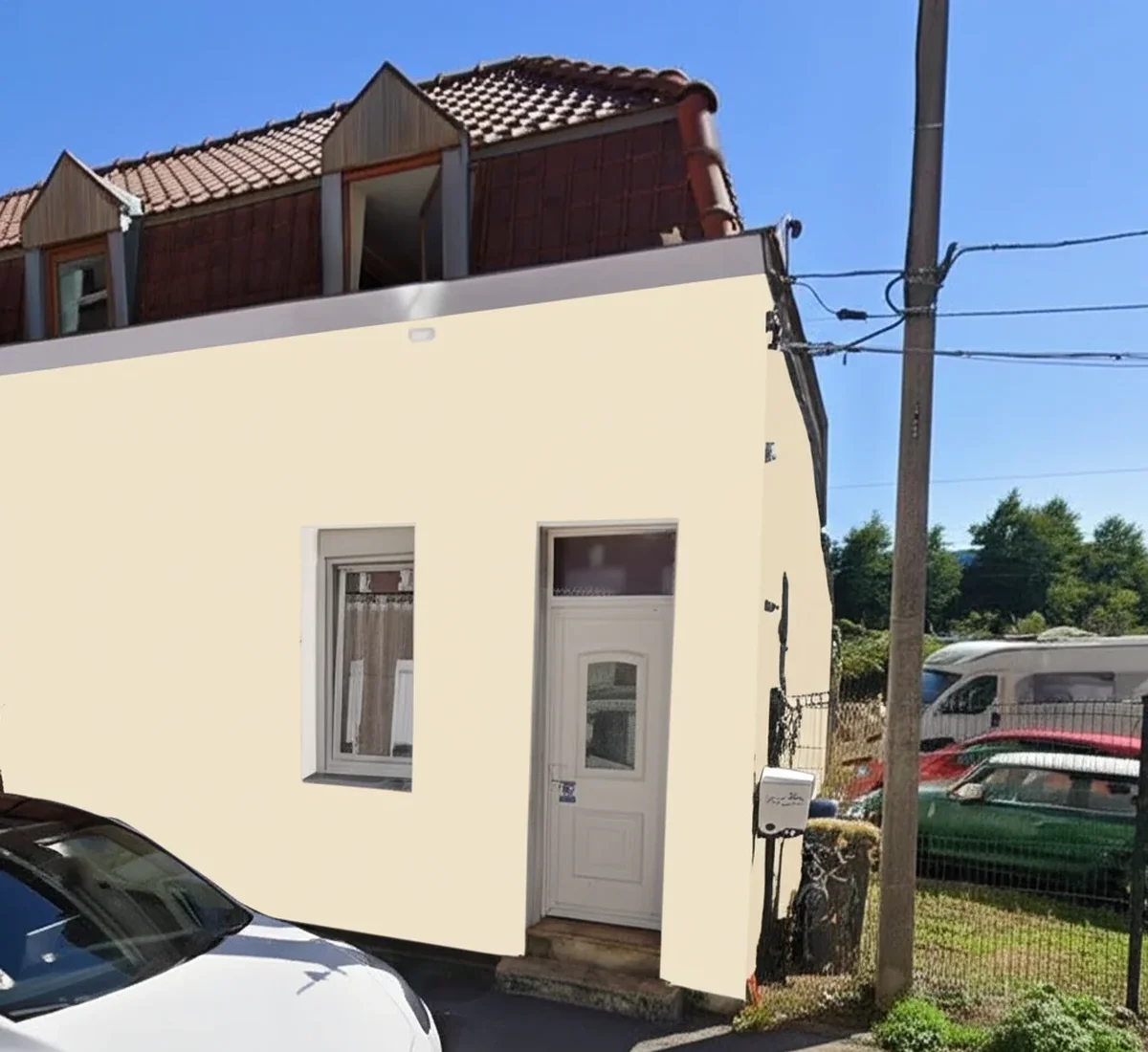
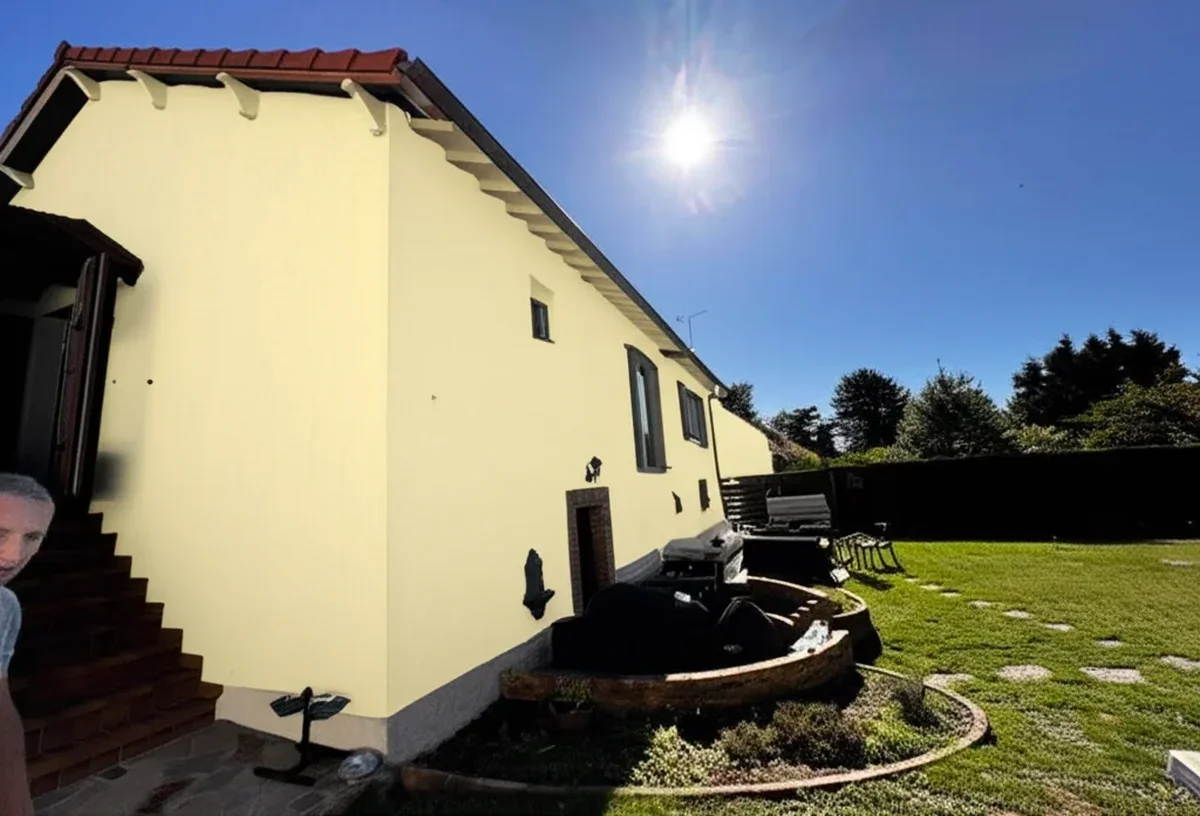
Before you ring round for three quotes, Try our free AI colour visualiser and see exactly how your Brighton home will look in any shade, no sample pots, no scaffolding, no costly repaints.
How much does a painter and decorator cost in Brighton in 2026?
Brighton decorator day rates in 2026 sit between £200 and £300, with hourly rates of £26–£45 depending on postcode, trade body membership and the complexity of the job. Interior room prices start at around £250 for a small box room and rise to £820 for a through-lounge with Regency cornicing. Exterior projects are quoted at £16–£35 per square metre, with stucco repair, sash-window refurbishment and salt-resistant coatings pushing prices towards the upper end. According to the Painting and Decorating Association, Brighton rates sit roughly 10–15% above neighbouring Worthing and Eastbourne, and 5–10% below central London, a premium that reflects both the property values and the extra skill needed for coastal, conservation-area work.
Interior painting costs: by room
| Room type | Brighton price (2026) | Duration |
|---|---|---|
| Box room / small bedroom | £250 – £360 | 1 day |
| Double bedroom (walls & ceiling) | £370 – £520 | 1.5 – 2 days |
| Lounge or dining room | £460 – £680 | 2 – 3 days |
| Through-lounge with Regency cornicing | £620 – £820 | 3 – 4 days |
| Hallway, stairs and landing (Victorian terrace) | £560 – £800 | 3 days |
| Kitchen or bathroom (damp-proof paint) | £330 – £510 | 1.5 days |
Exterior painting costs: £/sqm
Brighton decorators almost always quote exterior work per square metre, not per room. Budget £16–£35/sqm for a standard masonry or render repaint. The upper end reflects salt-resistant coatings (Sandtex 365, Weathershield Smooth), scaffolding on seafront terraces and Regency stucco repair before the paint even goes on.
Brighton pricing by BN-postcode
Brighton & Hove decorator rates vary noticeably across the BN postcodes. Seafront Regency terraces and gentrified inner-city areas attract premium pricing; outer-ring BN2 and Portslade (BN41) remain the most affordable pockets in the city.
| Postcode | Area | Day rate | Exterior £/sqm |
|---|---|---|---|
| BN1 | Central Brighton, Seven Dials, Preston Park | £240 – £300 | £24 – £34 |
| BN2 | Kemptown, Hanover, Queen's Park | £220 – £280 | £22 – £32 |
| BN3 | Hove, Brunswick, Cliftonville | £240 – £300 | £25 – £35 |
| BN1 (seafront) | Kemp Town terraces, Marine Parade | £260 – £300 | £28 – £35 |
| BN41 | Portslade, Southwick | £200 – £240 | £16 – £24 |
| BN42 | Shoreham-by-Sea (commuter) | £210 – £250 | £18 – £26 |
| BN45 | Poynings, Pyecombe (rural Downs) | £200 – £250 | £17 – £25 |
Brighton tip
Properties within 400 metres of the seafront should specifically request salt-resistant elastomeric masonry paint, not standard Weathershield. The cost uplift is roughly £3–£5/sqm but the finish will last 10–12 years instead of 4–6. Always get three quotes and ask each decorator in writing which product they propose for coastal exposure.
Regency seafront terraces vs Victorian Kemptown and Hanover
Brighton's two dominant architectural styles demand very different approaches, and very different budgets. Treating them as interchangeable is the single most expensive mistake homeowners make here.
Regency stucco terraces (Brunswick, Kemp Town, Adelaide Crescent)
The white-and-cream stuccoed terraces that define Brighton's seafront were built between 1810 and 1840 and are almost all Grade II or Grade II* listed. They use a soft lime-based render over stock brick, and the original cream-white palette is strictly enforced by Brighton & Hove City Council. Key cost drivers:
- Lime render repair: £60–£90/sqm before painting. Never use cement or acrylic render on a Regency building, it traps moisture and causes catastrophic spalling.
- Breathable mineral paint (Keim, Beeck): £32–£38/sqm. Essential on lime substrate. A cheap plastic masonry paint on stucco can cause £8,000–£15,000 of damage within 5 years.
- Original sash window refurbishment: £90–£160 per window. A typical four-storey Brunswick terrace has 16–24 sashes, budget £1,500–£3,800.
- Colour restrictions: Brighton & Hove's conservation officers enforce the approved palette of Broken White, Magnolia, Cream and Regency Cream. Colour changes need listed-building consent (typically 8-week processing).
- Scaffolding: £1,800–£3,500 for a four-storey terrace; more if the pavement licence requires Highways approval.
Victorian bay-fronted terraces (Kemptown, Hanover, Preston Park)
The tight grid of brightly painted Victorian terraces in Hanover ("Muesli Mountain") and the larger Italianate villas in Kemptown and Preston Park offer far more colour freedom, most sit outside the strictest parts of the conservation zones. Typical features:
- Masonry repaint of bay-fronted brick or pebbledash: £18–£28/sqm in standard Weathershield; £26–£34/sqm in elastomeric if within 800m of the sea.
- Bay window woodwork: £220–£380 per bay for full strip, prime and two coats. Mould-resistant micro-porous eggshell is the Brighton standard.
- Traditional three-tone interior schemes (ceiling, rail, wall, dado, skirting) add 25–30% to a room price but significantly boost resale value in the BN1/BN2 market.
- Ornate cornicing and ceiling roses common in Preston Park villas: specialist cutting-in adds £90–£160 per room.
- Encaustic tile restoration on original pathways is often coordinated with the repaint job at an extra £350–£700 per frontage.
Coastal damp-proof challenges: salt air, driven rain and mould
Brighton's micro-climate is the single biggest technical challenge for exterior painting in the city. Salt-laden air, horizontal rain off the Channel and the freeze-thaw cycles of the South Downs all attack a standard acrylic masonry paint within 24–36 months. Here is what a coastal-specialist decorator will factor into your quote:
- Salt-laden air: carries chloride particles up to 1.5 km inland. These ions break down standard polymer binders and cause premature flaking on any seafront facade. Ask for Sandtex 365, Dulux Weathershield Max or a true elastomeric such as Emperor Masonry Creme.
- Driven rain: Brighton records around 740–800 mm of rain annually over 130 days, much of it horizontal. West- and south-facing walls need a minimum two top-coats plus a breathable stabilising primer.
- Interstitial condensation: Victorian solid-wall terraces in Hanover and Kemptown are particularly prone to internal damp. Always use a breathable system internally and externally, sealing a solid wall with plastic paint is the number-one cause of winter mould in BN1/BN2.
- Lime vs cement: any pre-1919 Brighton property should be treated with lime mortar, lime render and mineral paint. Cement-based repairs trap moisture and cause stucco spalling that can cost £10,000+ to put right.
- Mould treatment: a fungicidal wash before painting is non-negotiable in Brighton. Budget £2–£4/sqm on top of the headline rate for any north-facing or shaded elevation.
Conservation areas, listed buildings and planning
Brighton & Hove has 34 conservation areas covering the bulk of central Brighton, Hove, Kemptown and Preston Park. Before repainting the exterior of a listed property, or making any colour change on a Regency terrace, you must check with the council's conservation team. Listed-building consent is required for any alteration affecting the character of the property, including replacing render, changing the palette or replacing sash windows with casements. Applications typically take 8 weeks and cost £0 for owner-occupiers. Unauthorised work is a criminal offence carrying unlimited fines.
Checkatrade-verified decorators in Brighton
When shortlisting a Brighton decorator, Checkatrade, MyBuilder and the Painting and Decorating Association are the three most trusted directories. For coastal and conservation-area work, look specifically for:
- 50+ verified Checkatrade reviews with an average of 4.7 stars or above
- At least 5 years trading under the same company name with a BN-postcode registered address
- Public liability insurance of £2 million minimum (certificate confirmed in writing)
- PDA membership (Painting and Decorating Association), the quality benchmark for UK decorators
- Photographic portfolio of Brighton Regency or Victorian projects, not generic magnolia magnolia magnolia
- Named lime-render or heritage specialist on staff if you own a pre-1919 property
- Written, itemised quotes listing prep, coats, paint brand, sundries and scaffolding separately
Always collect at least three quotes. A £3,500 three-room job in BN1 that is suddenly quoted at £1,900 by one decorator usually means contract emulsion is being substituted for trade-grade paint, and with Brighton's salt air, that finish will fail in half the expected time.
Average project duration in Brighton
- Single room repaint: 1–2 days
- Whole 2-bed flat in Kemptown or the Lanes: 5–7 days
- Full 3-bed Victorian terrace interior (Hanover, Preston Park): 11–15 days
- Exterior repaint of a 3-bed Hove semi (BN3): 6–9 days including scaffolding
- Full Regency stucco repaint with lime repair (Brunswick, Adelaide): 4–6 weeks
- Complete interior and exterior refresh of a 4-bed Preston Park villa: 4–5 weeks
Brighton's rainfall, sea fog and south-coast wind routinely delay exterior projects from October to March. Always allow a 25–30% buffer on the quoted duration for any work in the colder half of the year.
Best seasons to paint in Brighton
- Best months for exterior work: late May to early September. Temperatures sit reliably between 14°C and 22°C and humidity drops below 75%. Book by February, the best Brighton decorators are fully booked for summer slots by March.
- Avoid: November to February. Sea fog, horizontal rain and night temperatures below 5°C all prevent masonry paint from curing. Most reputable Brighton firms refuse to quote for external work in these months.
- Best months for interior work: October to April. Interior decorators offer 10–15% discounts during the quieter winter months.
- Nesting restrictions: Brighton & Hove conservation officers note that external scaffolding during March–July should avoid disturbing mature trees and nesting seabirds along the seafront.
Visualise your Brighton repaint before you commit
The fastest way to avoid a £900 colour mistake on your Kemptown terrace or Hove semi is to preview it photorealistically. Try our free AI colour visualiser, upload a photo of your home, test dozens of Dulux Trade, Farrow & Ball, Crown and Little Greene shades in seconds, and share the rendered image with your decorator (and the conservation officer) before a single brushstroke is laid.
For nearby cities, see our Southampton decorator cost guide and our London cost guide. If you own a listed Regency property, read our conservation-area painting rules and damp-proof exterior paint guides before committing to any quote.
Frequently asked questions
How much does a painter and decorator cost in Brighton in 2026?
Why is painting a Regency seafront property in Brighton so expensive?
What paint should I use on a Brighton seafront house to resist salt air?
Do I need planning permission to repaint my Brighton house?
Trademarks mentioned (Sherwin-Williams, Benjamin Moore, Behr, Caparol, Brillux, Sto, Alpina, Valspar, PPG, Glidden, Dulux, Crown Trade, Sandtex, Farrow & Ball, Johnstone's, Leyland) are property of their respective owners. FacadeColorizer is independent and not affiliated with any of them. Nominative fair use under Lanham Act §1125.