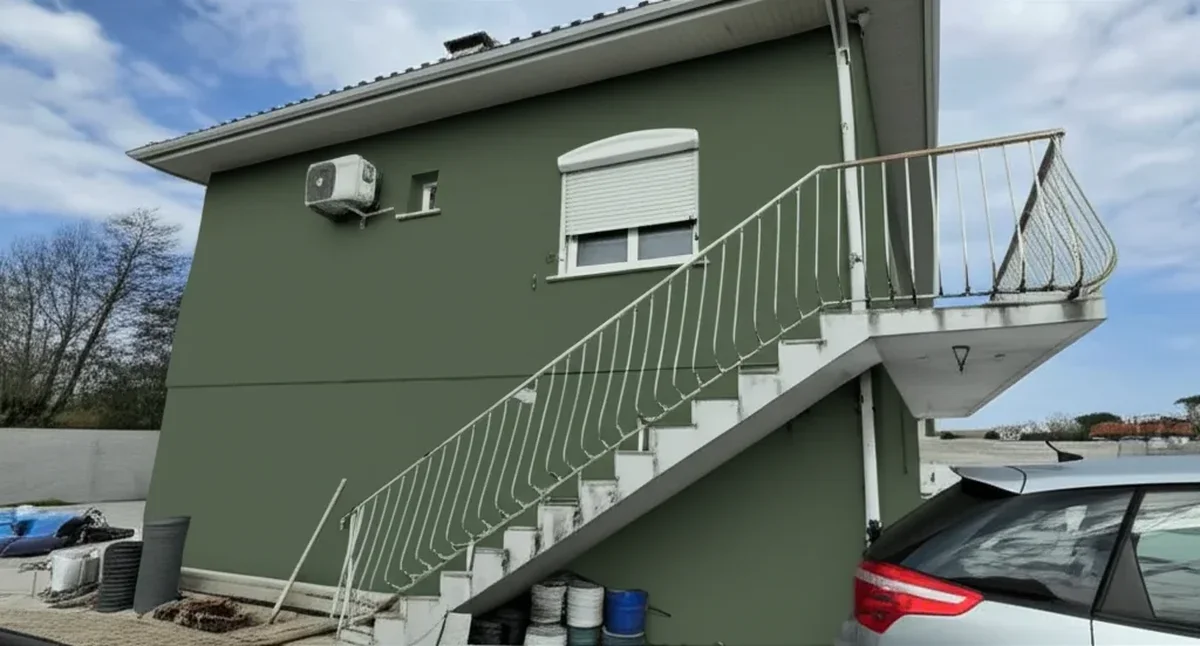
Try it on your house

Pricing up exterior rendering for your Belfast home in 2026? The Northern Ireland market has stabilised into a fairly predictable band, yet your final figure can still vary by thousands depending on your BT postcode, the substrate (Victorian red-brick in Cathedral Quarter or Stranmillis, 1930s cavity-brick semis along Holywood Road, post-war blockwork in West Belfast), and whether your property sits in one of the city's Areas of Townscape Character. This 2026 guide breaks down real cost per m², the Belfast City Council planning process, DfI Roads and NIEA requirements, Irish Sea coastal exposure, and how to choose between K-Rend, silicone render and Monocouche.
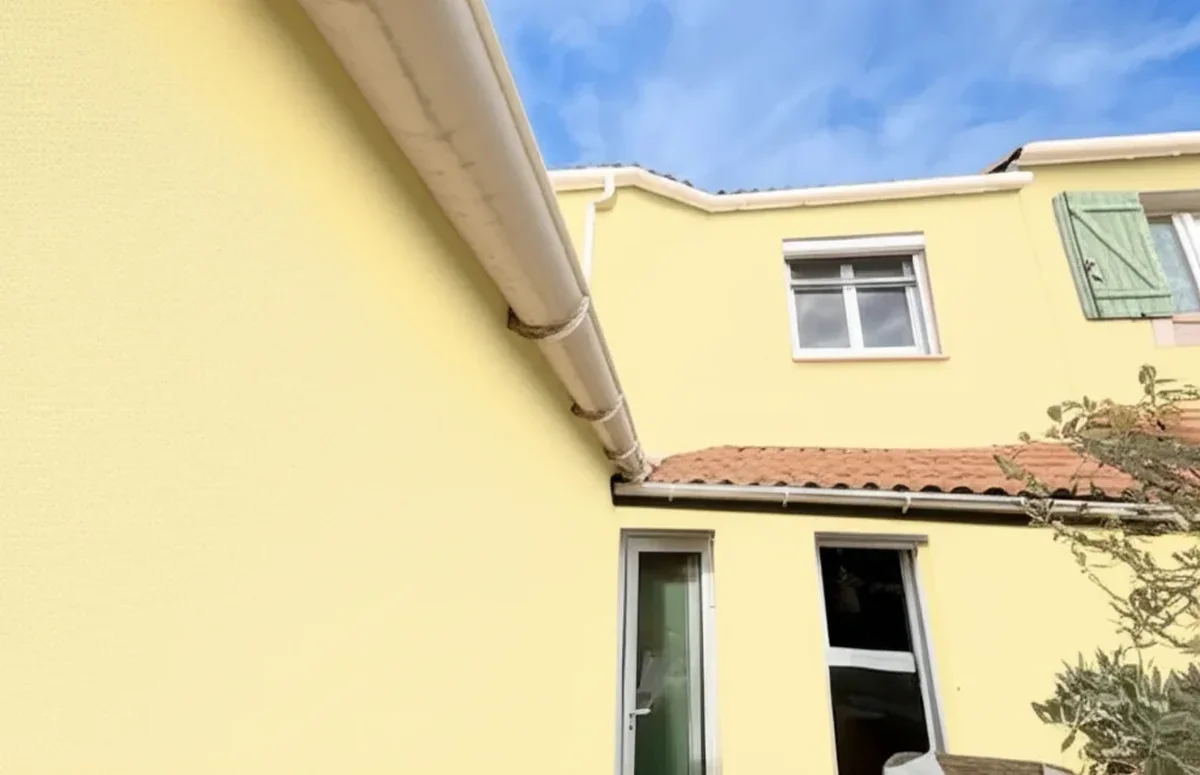
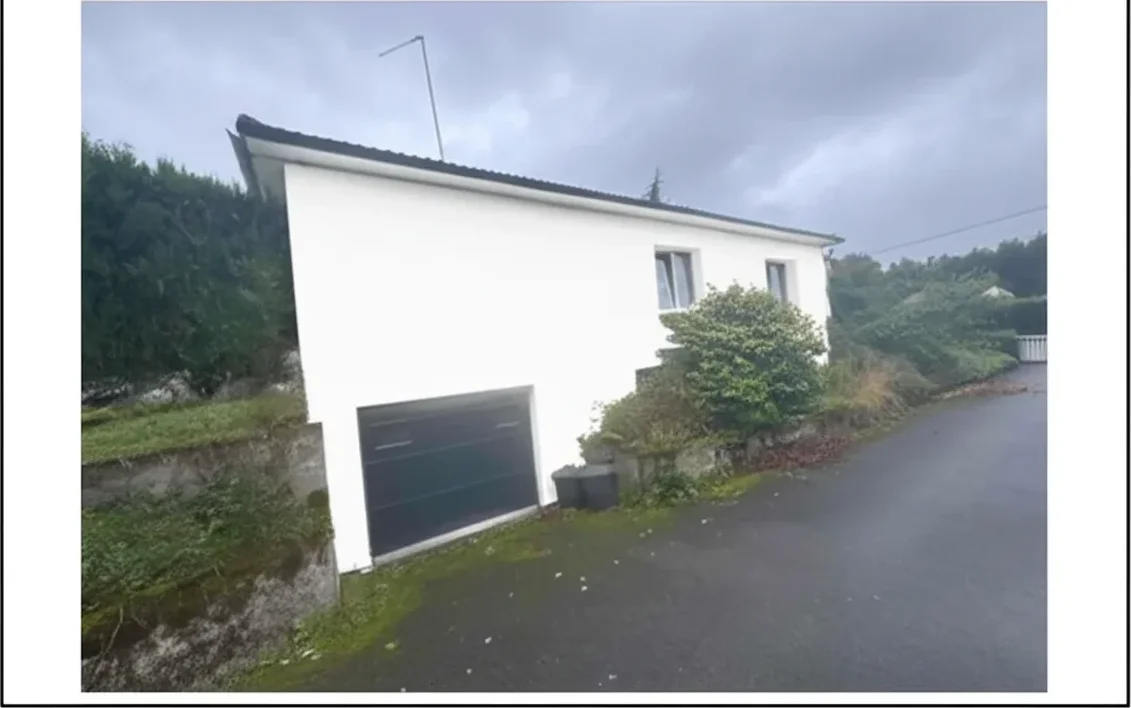
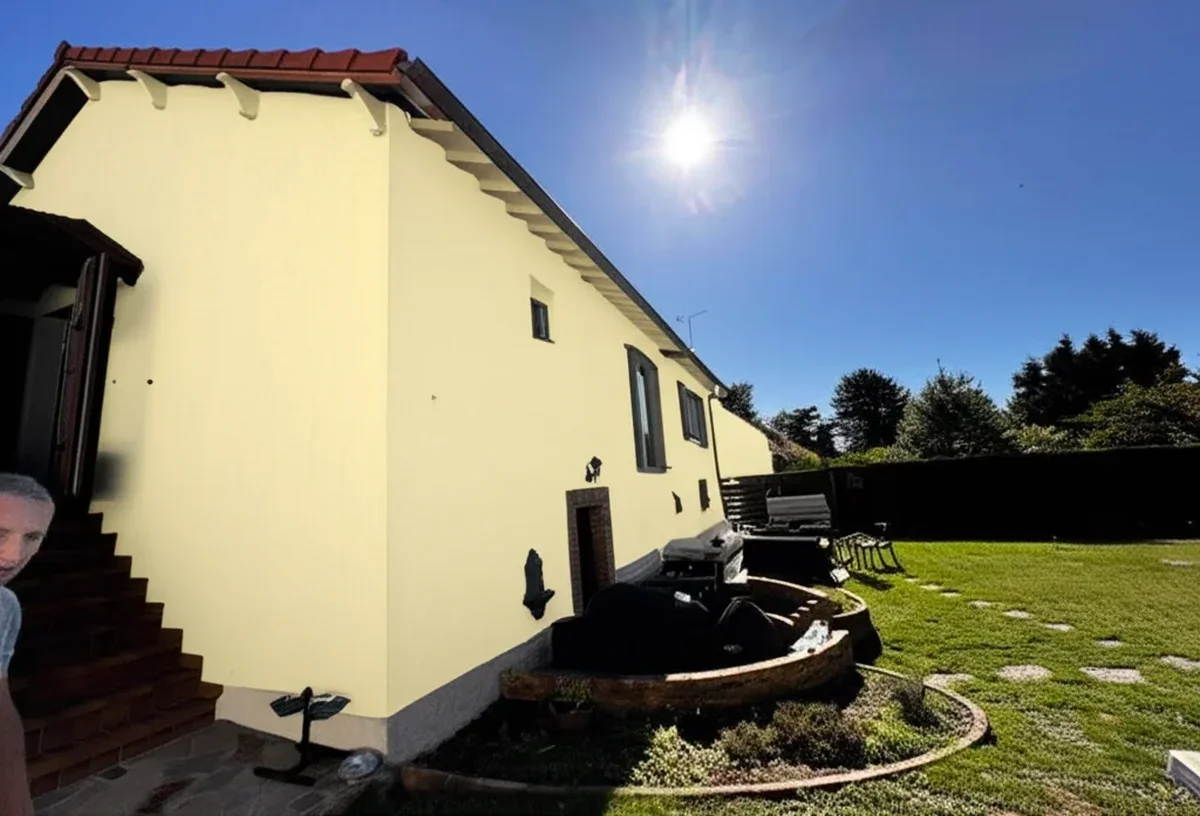
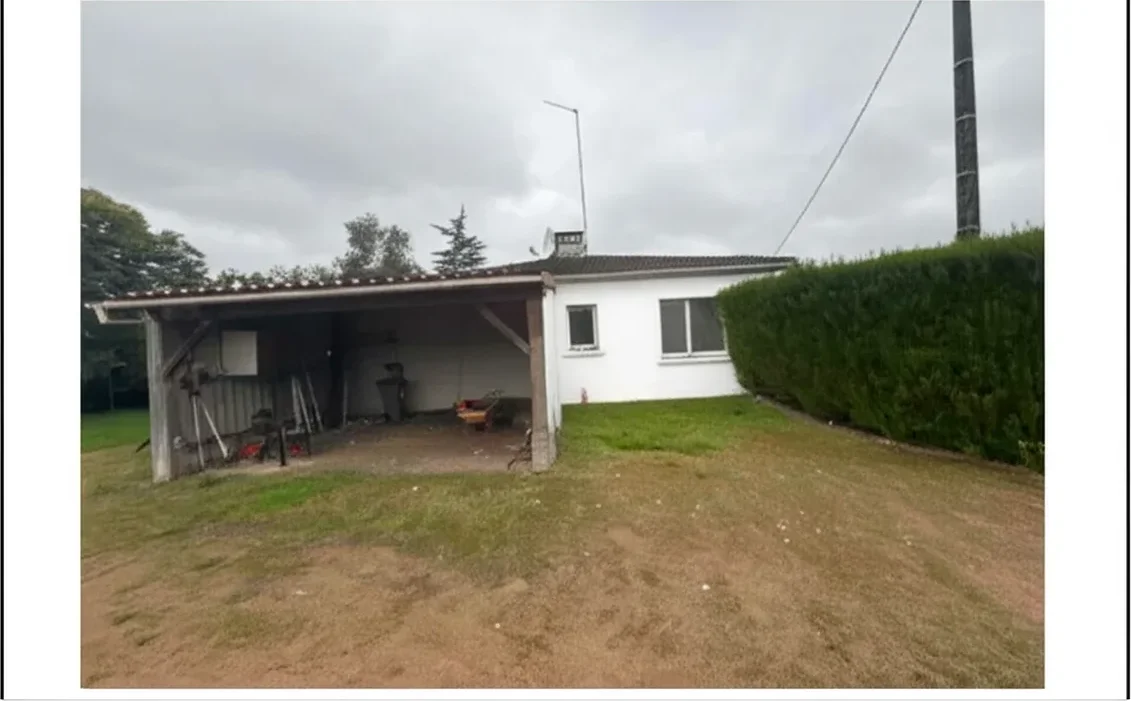
Before you lock in a render colour on a 90-120 m² semi or terrace elevation, Try our free AI colour visualiser and preview the finish on a photo of your actual Belfast home. A pastel swatch on a card rarely behaves the same way once it is wrapped around a full two-storey gable under soft Northern Irish light.
Belfast rendering costs per m² in 2026
Based on 2026 Checkatrade regional data, RICS Northern Ireland benchmarks and local contractor surveys from MyBuilder and TrustATrader, Belfast prices sit roughly 10-15% below Edinburgh and Bristol, but a little above Derry/Londonderry and the Mid Ulster rural market. Expect £60-£108 per m² for the main render systems, with scaffold, substrate prep and VAT usually itemised in a formal quote. Labourers typically charge £180-£230 per day across BT1-BT17, with a 10-20% premium for tight terraced access or shared-gable arrangements.
| Render system | Belfast cost per m² (2026) | Lifespan | Best for |
|---|---|---|---|
| K-Rend (silicone-enhanced) | £60 – £90 | 25-30 years | 1930s semis, modern extensions, blockwork |
| Silicone render (full system) | £80 – £108 | 30-40 years | Exposed coastal gables, Belfast Lough facing BT3/BT4 |
| Monocouche render | £68 – £92 | 25-35 years | New builds, extensions, dry-dash replacements |
| Pebbledash / wet-dash (traditional NI) | £55 – £80 | 30-40 years | Post-war housing stock, NIHE estates |
| Lime render (breathable) | £80 – £125 | 50+ years | Listed Victorian/Georgian terraces, heritage brick |
| EWI insulated render system | £110 – £160 | 25-35 years | EPC upgrade, solid-wall bungalows BT9/BT15 |
Try it on your house
No photo? Try a sample
Belfast price variations by BT postcode
Belfast covers BT1 through BT17 and spills into BT27-BT29 at the commuter fringe. Central BT1 and the conservation-heavy terraces around Stranmillis and the Malone Road attract premium quotes because of restricted access, DfI Roads traffic management orders and the specialist heritage spec often demanded. Outer suburbs and newer estates in BT17 or BT27 generally return keener pricing. Narrow streets in the Cathedral Quarter and shared alleys (known locally as "entries") behind Victorian terraces can push scaffold costs up by £400-£1,200.
| Postcode area | Neighbourhoods | Typical 3-bed semi (silicone, full scaffold) |
|---|---|---|
| BT1, BT2 | City Centre, Cathedral Quarter, Donegall Square | £9,800 – £12,800 (ATC, traffic management) |
| BT7, BT9 | Stranmillis, Malone Road, Lisburn Road, Queen's Quarter | £9,200 – £12,200 (often conservation) |
| BT4, BT5 | Belmont, Ballyhackamore, Holywood Road, Castlereagh | £8,500 – £11,200 (1930s semis, exposure) |
| BT3, BT15 | Sydenham, Tillysburn, Fortwilliam, North Belfast docks | £8,200 – £10,800 (Belfast Lough wind exposure) |
| BT6, BT8 | Cregagh, Castlereagh, Newtownbreda, Carryduff fringe | £7,800 – £10,200 |
| BT11, BT12, BT13, BT14, BT17 | Andersonstown, Falls, Shankill, Ligoniel, Dunmurry | £7,200 – £9,400 |
| BT27, BT28, BT29 | Lisburn, Dunmurry outer, Crumlin, Glenavy | £6,900 – £9,000 (rural access discount) |
Local tip
On Victorian terraces in Stranmillis, Ormeau or around Botanic, the shared party gable almost always needs coordinated works. Speak to your neighbour before quoting: pooling a single scaffold across two adjoining terraces usually saves £600-£1,400 per household and avoids disputes about render colour mismatch along the party line.
Victorian red-brick and 1930s semis: Belfast's substrate mix
Belfast's housing stock is dominated by Victorian red-brick terraces thrown up during the linen and shipbuilding boom of 1870-1910 (Cathedral Quarter, Queen's Quarter, Holyland, Stranmillis, Donegall Pass) and 1930s pebbledashed cavity-brick semis along the Holywood Road, Belmont, Cregagh and Andersonstown corridors. Both substrates demand different specifications. Rendering directly over exposed Victorian red-brick is almost always inappropriate: it masks the decorative brickwork, traps moisture behind an impermeable skin and will usually be refused within an Area of Townscape Character. Breathable lime render is the correct spec on the rare occasions rendering is accepted on a red-brick gable.
The 1930s semis, by contrast, were usually finished in pebbledash or wet-dash over a common-brick outer leaf. Upgrading to silicone, K-Rend or Monocouche is generally uncontentious outside a conservation area, although removing the original pebbledash adds £15-£25 per m² and produces a notable quantity of construction waste that must be disposed of via a licensed NI carrier. All modern work in Belfast should follow BS 8000-3:2020 (workmanship on site: rendering) and, for heritage elevations, the guidance published by Historic Environment Division (HED) within the Department for Communities.
- Rendering over original Victorian red-brick in ATCs is almost always refused, preserve the pointed brickwork instead
- Lime-based renders are the standard for permitted works on listed Victorian or Georgian terraces
- Pebbledash removal on 1930s semis adds £15-£25 per m² and requires licensed skip hire
- Colours in ATCs are typically restricted to off-white, cream, buff and pale ochre tones
Belfast and Northern Ireland planning: how it differs from England
Northern Ireland operates a distinct planning regime from England and Wales. Belfast City Council is the lead authority for most domestic applications, and rendering is governed by the Planning Act (Northern Ireland) 2011, the Planning (General Permitted Development) Order (Northern Ireland) 2015 and local Belfast planning policy. Outside designated areas, rendering a house typically falls within permitted development, but three important Belfast-specific constraints regularly catch homeowners out.
- Areas of Townscape Character (ATC): Belfast has more than 20 ATCs, including Stranmillis, Malone, Cliftonville, Cregagh Road and much of the Lisburn Road corridor. Rendering a previously unrendered elevation in an ATC needs full planning permission.
- Conservation areas and listed buildings: The Cathedral Quarter, Queen's Quarter and large parts of Stormont Estate are conservation areas. Grade A and B+ listed buildings additionally require Listed Building Consent, administered by the Historic Environment Division (HED) and consulted with NIEA (Northern Ireland Environment Agency) on heritage matters.
- DfI Roads permits: Scaffold sitting on any adopted footway requires a permit from Department for Infrastructure Roads (DfI Roads), not the council. Fees run £80-£220 for a typical 4-6 week domestic job, with bond deposits sometimes required.
Unlike England, Northern Ireland has no equivalent of the LPA-issued Article 4 direction, instead the ATC mechanism automatically removes the relevant permitted development rights. Applications are submitted via the Planning Portal NI. Listed Building Consent applications typically take 10-14 weeks in Belfast, marginally slower than the English average, so factor this into any tendering timeline.
EWI systems that project more than 50 mm beyond the original wall line almost always require planning consent anywhere in Belfast, even outside an ATC. Unauthorised rendering work on a listed building in Northern Ireland is a criminal offence, with enforcement handled by Belfast City Council and HED.
Irish Sea coastal wind exposure and heavy Belfast rainfall
Belfast sits on a sea lough with the Antrim Hills to the north and the Castlereagh Hills to the south, funnelling prevailing south-westerly winds straight across the city. Average rainfall reaches 900-950 mm per year across 180+ rain days, wetter than Edinburgh, London or Manchester, and BT3, BT4, BT15 and BT5 properties facing Belfast Lough cop noticeable wind-driven rain off the Irish Sea. Salt-laden coastal air accelerates weathering, and the city sees 30-45 frost nights each winter which drive freeze-thaw cycles through any porous render.
For this climate, silicone render and K-Rend silicone-enhanced systems are the top performers on modern substrates: their hydrophobic surfaces shed wind-driven rain rather than soaking it up, and they resist the salt-laden coastal air that corrodes cheaper acrylic-bound systems within 10-15 years. Monocouche remains popular on newer semis and extensions in BT17, BT8 and BT27 where wind exposure is lower. For Victorian terraces, a fully breathable lime render is non-negotiable, modern cement renders trap moisture and drive interstitial damp straight into the red-brick core, and failure usually appears within 5-8 Belfast winters.
Any Belfast render project should follow BS 8000-3:2020 and specify a minimum 5 mm render mesh reinforcement at stress points (around openings, junctions and movement joints). Insist on a bellcast bead at the DPC line, stop beads at all external corners and a 150 mm clearance above ground level to prevent wicking from wet Belfast pavements. On BT3/BT4 lough-facing gables, an additional layer of silicone primer is worth the £6-£10 per m² uplift.
Best seasons for rendering in Belfast (April-October)
Render cures correctly only when air temperatures remain reliably above 5 degC for at least 72 hours after application. In Belfast this realistically means the working window runs from mid-April through to mid-October. Applying render in November-March risks frost damage before the surface has hydrated, which causes delamination, crazing, efflorescence and patchy final colour, common on budget jobs rushed in late autumn.
- April-May: Strong availability but book 6-8 weeks ahead; dry spells between Atlantic fronts
- June-August: Peak season, often drier in Belfast than Glasgow or Edinburgh; expect premium pricing
- September-October: Often the sweet spot, settled weather and slightly lower contractor demand
- November-March: Avoid unless a tented, heated enclosure is used (rare and costly for domestic work)
Finding top-rated rendering contractors in Belfast
Shortlist Belfast renderers on Checkatrade, TrustATrader and MyBuilder, filtering for tradespeople with at least 50 reviews and an average above 4.8. For premium systems, look for contractors listed as K-Rend Approved Applicators, Weber Certified Installers or Parex Pro-Approved, which secure the manufacturer's 25-year warranty. For heritage work on Victorian brick, look additionally for membership of SPAB or Ulster Architectural Heritage. Always ask for:
- Proof of public liability insurance (minimum £2 million)
- At least three recent Belfast project references with addresses (drive past them on a wet day)
- A detailed written quote itemising substrate prep, mesh, beads, scaffold, DfI Roads permits and VAT
- Manufacturer approval certificate for K-Rend, Weber or Parex systems
- Compliance with BS 8000-3 and, for heritage work, HED/NIEA guidance
Collect a minimum of three written quotes. Belfast pricing can swing by 25-35% between contractors for identical specifications, and an unusually cheap quote almost always signals shortcut substrate prep, the single biggest cause of premature render failure in Northern Ireland's wet climate.
Ready to choose your render colour?
Picking a render colour for 100+ m² of Belfast facade is a meaningful decision, and manufacturer colour chips simply do not translate to a full gable under soft Northern Irish light. Try our free AI colour visualiser, upload a photo of your home and preview any K-Rend, Weber or silicone colour on your own walls in seconds. It is free, instant and far more reliable than guessing from a brochure swatch under showroom lighting.
Sources: Checkatrade 2026 regional pricing data, RICS Building Cost Information Service, BS 8000-3:2020 workmanship standard, Belfast City Council planning policy, Planning Portal NI, Historic Environment Division (HED) guidance, NIEA heritage notes, DfI Roads scaffold permit schedule.