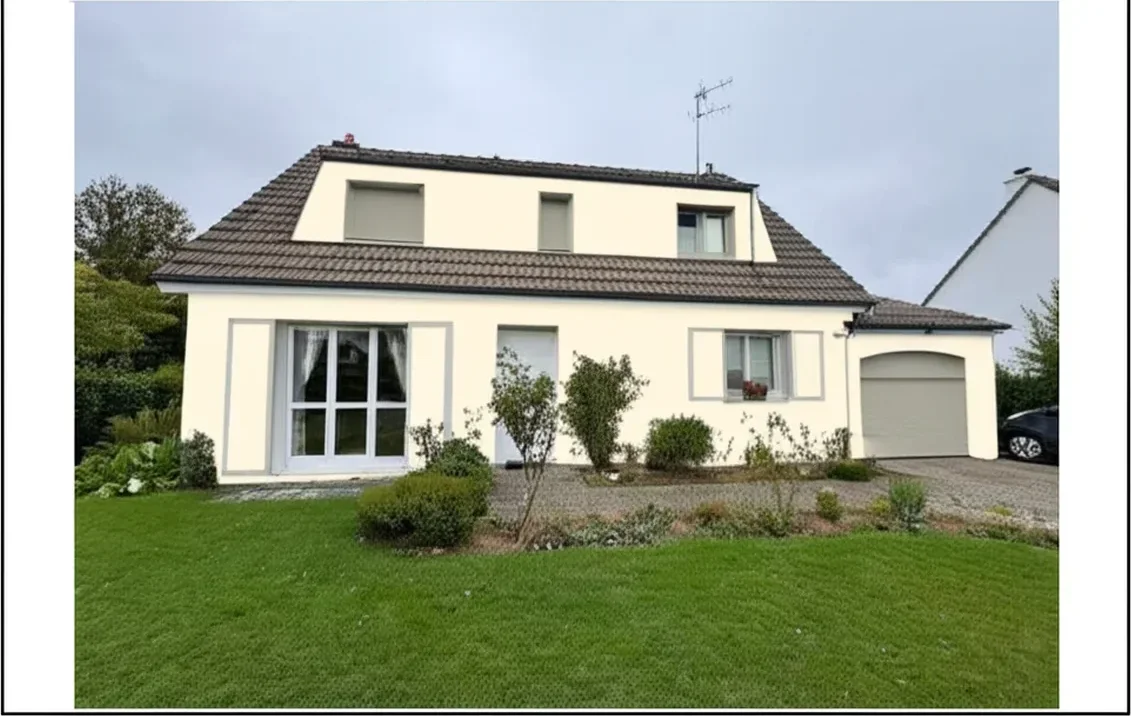
Exterior rendering in Glasgow costs £55–£80 per m² in 2026 — more affordable than Edinburgh and significantly below London prices. Glasgow's vast stock of tenement buildings, post-war roughcast bungalows, and Victorian villas creates a strong market for rendering professionals. The city's 22 conservation areas, Scottish planning regulations, and demanding wet climate all shape the choices available to homeowners.
Roughcast (harling) dominates Glasgow's exterior landscape — more than any other major UK city. This guide covers real Glasgow prices, the best render systems for the city's wet and cold climate, Scottish regulatory requirements, and how to access government grants for insulated render. Before choosing a finish colour, try our free AI colour visualiser to preview your new render on your actual home — no samples needed.
Glasgow Rendering Costs per m² — 2026 Prices
Glasgow renderer day rates range from £165–£220, reflecting the city's competitive labour market. Scaffold hire costs £550–£1,800 — tenement buildings require specialist access due to their height and communal ownership.
| Render Type | Cost per m² (Glasgow) | Lifespan | Best For |
|---|---|---|---|
| Traditional sand and cement | £40 – £60 | 15–25 years | Budget renovations |
| Roughcast / harling | £50 – £75 | 30–40 years | Traditional Scottish finish, tenements |
| Monocouche (K Rend / Weber) | £55 – £80 | 25–35 years | Extensions, new builds |
| Silicone render | £70 – £105 | 30–40 years | Damp climate, frost resistance |
| Lime render | £60 – £95 | 50+ years | Listed buildings, conservation areas |
| EWI system (insulated render) | £85 – £145 | 25–35 years | EPC upgrade, ECO scheme funding |
Total Project Costs for Glasgow Properties
These estimates include scaffold hire, render mesh, bellcast bead and stop bead profiles, materials, and labour at Glasgow rates:
| Property Type | Approx. Wall Area | Glasgow Cost Range | Duration |
|---|---|---|---|
| 2-bed bungalow | ~60–100 m² | £3,500 – £6,200 | 4–6 days |
| 3-bed semi-detached | ~80–120 m² | £4,800 – £8,800 | 5–8 days |
| Tenement flat (shared) | ~200–400 m² (whole building) | £12,000 – £24,000 (split) | 14–21 days |
💡 Expert tip
Glasgow receives more rainfall than any other major UK city. Traditional roughcast with its thick, textured surface has protected Glasgow buildings for centuries — but modern silicone render with self-cleaning properties now offers even better long-term protection with far less maintenance.
Scottish Planning Regulations and Glasgow's Conservation Areas
Glasgow has 22 conservation areas, including Park Circus, Hyndland, Dennistoun, and parts of the Merchant City. Scottish planning law governs all rendering work:
- Planning permission under the Town and Country Planning (Scotland) Act is required for rendering in conservation areas that alters the external appearance
- Listed building consent is mandatory for Category A, B, or C listed properties — Glasgow has over 1,800 listed buildings
- Glasgow City Council's Supplementary Planning Guidance specifies acceptable finishes in conservation areas — roughcast and harling are typically required on traditional tenements
- Lime render and lime mortar are mandated for most heritage buildings — modern cement render is not acceptable
- Article 4 directions apply in several conservation areas, removing permitted development rights
Glasgow City Council offers pre-application advice — always check before beginning work. For properties outside conservation areas, rendering is normally permitted development under Scottish planning law.
Roughcast and Harling: Glasgow's Signature Finish
Roughcast (also called harling) is Glasgow's dominant exterior finish. Small stones or aggregate are thrown onto a wet render coat, creating a thick, textured, and extremely weather-resistant surface. Glasgow's tenements, villas, and post-war council housing are almost universally finished in roughcast.
Traditional roughcast uses a sand and cement base with a scratch coat followed by a harling top coat. For heritage properties, lime-based harling with lime mortar provides a breathable render that allows moisture to pass through traditional stone walls. Modern polymer render versions of roughcast from K Rend and Weber offer superior frost resistance and colour retention — ideal for Glasgow's demanding climate.
Damp, Defects, and Glasgow's Wet Climate
Glasgow is the wettest major city in the UK, with over 170 rain days per year. This makes moisture management absolutely critical when choosing a render system. A professional property survey or condition report before rendering should identify:
- Rising damp — widespread in ground-floor tenement flats and older villas across the city
- Render crack damage from freeze-thaw cycling — Glasgow's cold winters mean cracks allow water ingress, which freezes and causes progressive damage
- Failing roughcast — loose aggregate or hollow-sounding patches indicate the pebble dash has debonded and needs full removal before re-rendering
- Frost resistance is essential — Glasgow regularly experiences sub-zero temperatures; silicone render and polymer render offer the best freeze-thaw performance
- Breathable render is mandatory on solid stone tenements — non-breathable cement render traps moisture and accelerates rot in timber elements
Energy Efficiency: EWI, EPC, and Scottish Grants
Glasgow has been one of the UK's biggest beneficiaries of insulation funding programmes. Combining rendering with EWI (External Wall Insulation) improves your EPC rating and can qualify for:
- The ECO scheme (ECO4) — funding insulation for eligible households across the UK
- Home Energy Scotland grants and interest-free loans of up to £7,500
- Glasgow City Council's own energy efficiency programmes — check current availability
- The Green Homes Grant successor schemes for qualifying properties
For painted finishes over roughcast or cement render, Dulux Trade Weathershield, Sandtex Trade, and Crown Trade masonry paints offer excellent frost resistance and durability. Farrow & Ball Exterior Masonry is the premium choice for heritage properties. Colour specifications may need to comply with BS 4800 standards where required by planning conditions. An experienced painter and decorator is essential for a professional exterior finish. An access tower (£80–£200/week) can reduce costs on bungalows compared to full scaffold hire.
For self-coloured render that eliminates the need for repainting, K Rend and Weber both offer roughcast-textured finishes perfectly suited to Glasgow properties. Selecting the right colour is a big decision — upload a photo of your home to FacadeColorizer and preview any render colour in seconds. It is free, instant, and far more reliable than a tiny swatch held against wet stone on a grey Glasgow day.