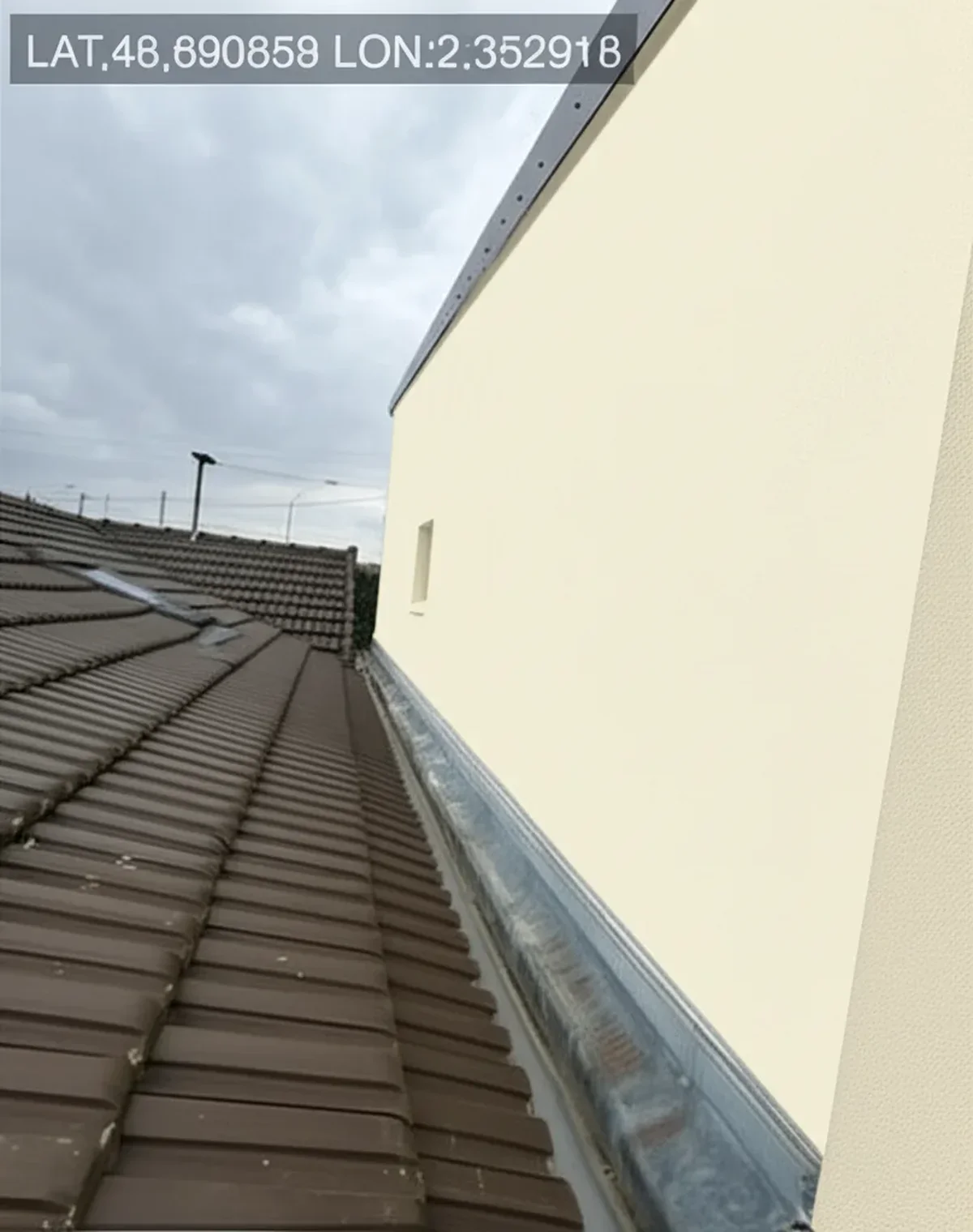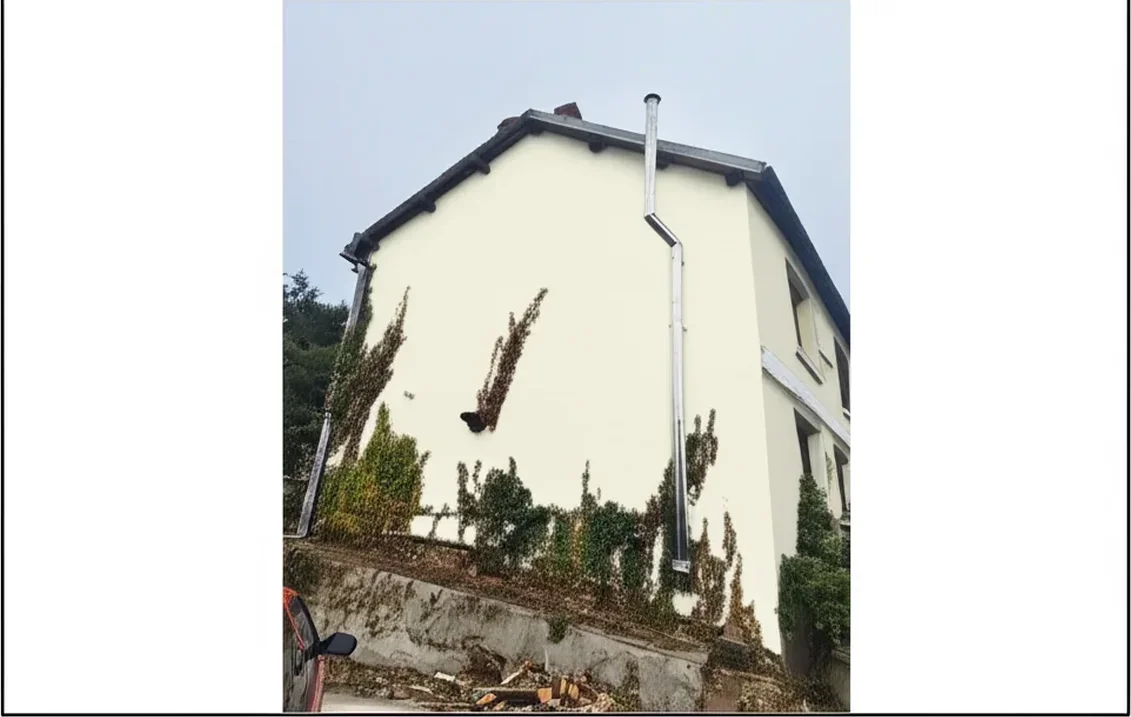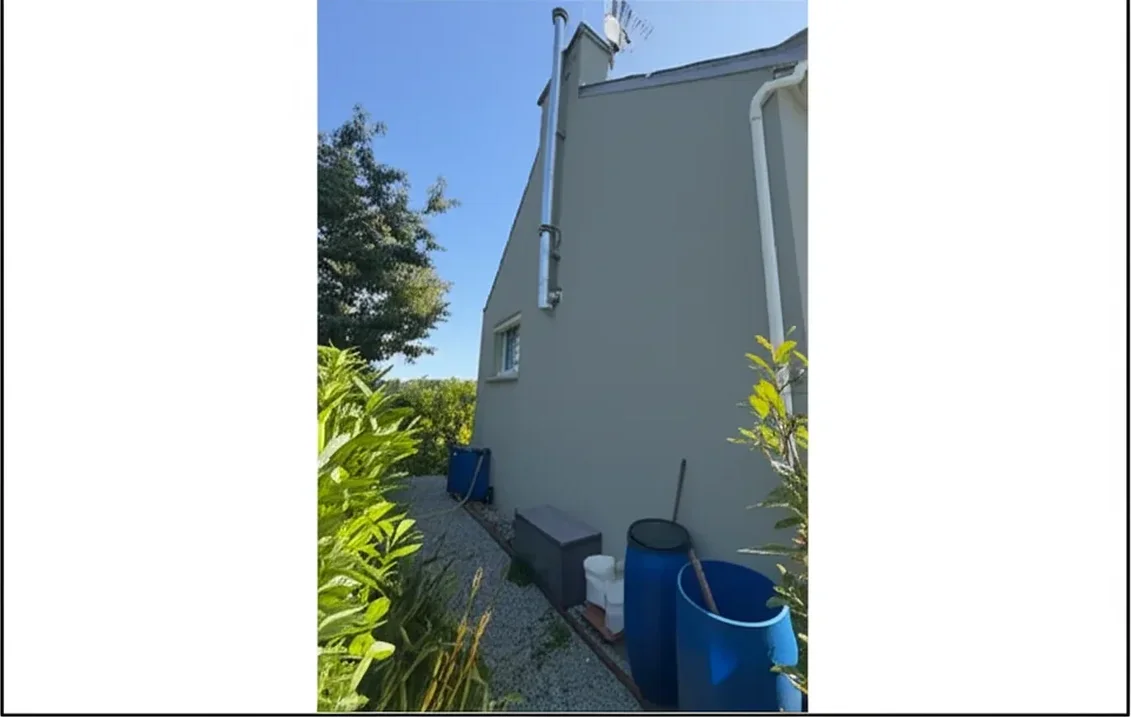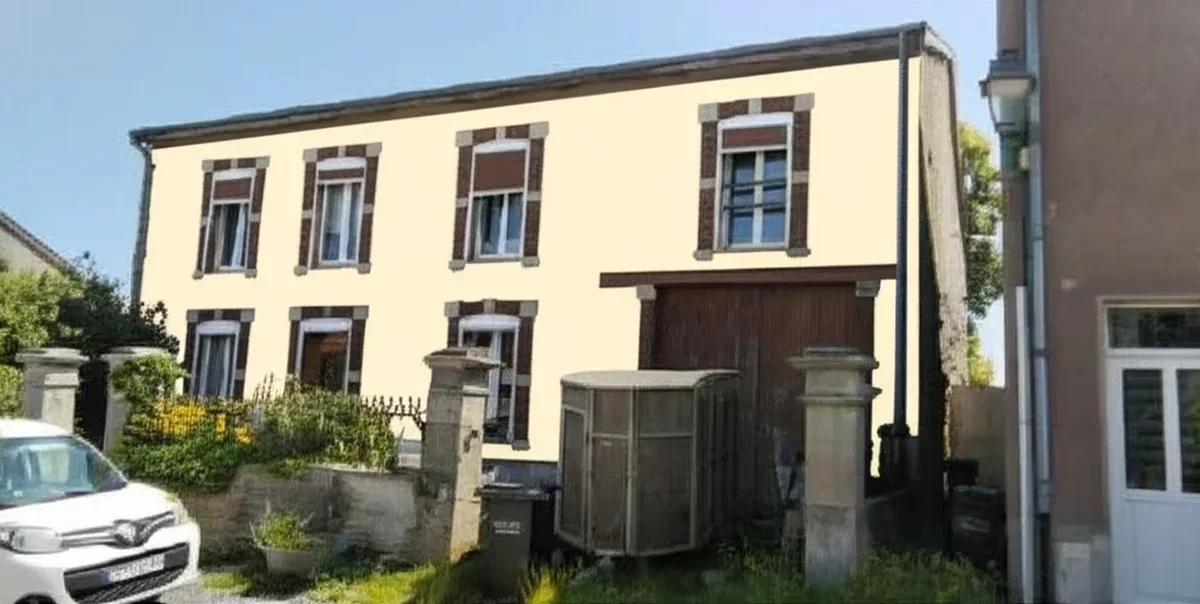
Try it on your house

Choosing a render colour is one of the biggest decisions you will make about your home's exterior. Unlike interior paint, which you can cover up in a weekend, exterior render is designed to last 15–25 years, and the colour you pick will define your property's kerb appeal for all of that time. In 2026, UK homeowners are moving beyond safe magnolia and embracing warmer neutrals, soft greens, and even Dulux's headline-grabbing Rhythm of Blues collection. This guide covers 12 shades that are genuinely trending, drawn from the latest ranges at Dulux, Sandtex, K Rend, and Little Greene.
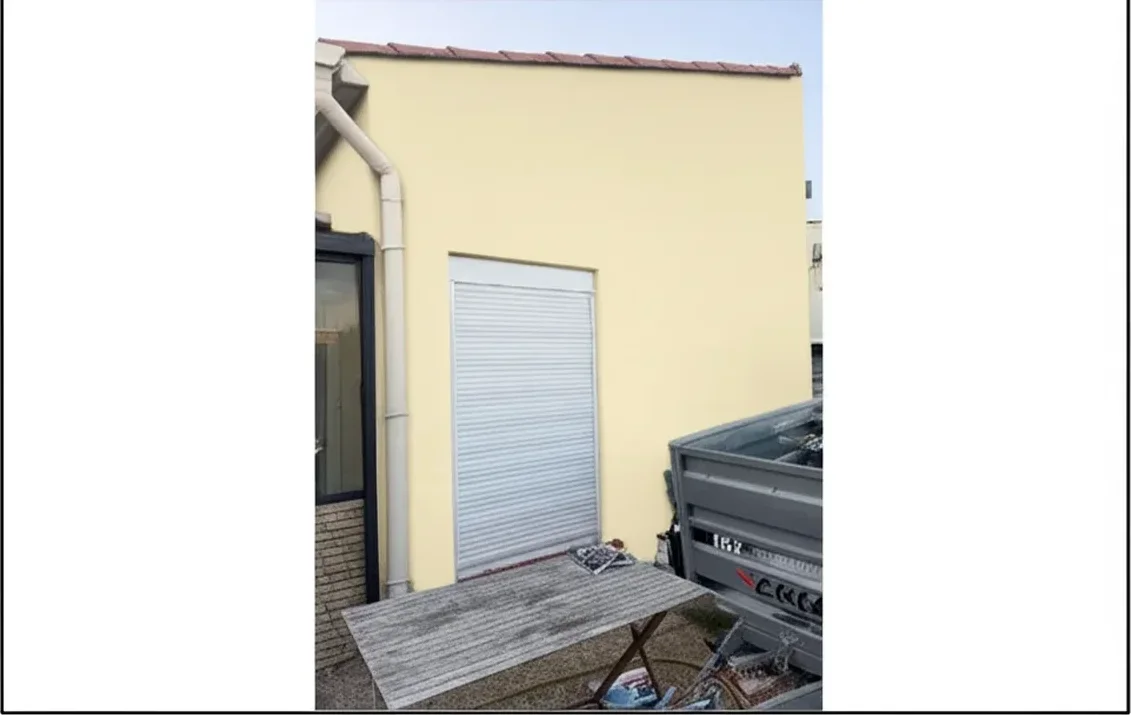
Not sure which colour will suit your house? Upload a photo to our free AI colour visualiser and test any of these shades on your actual property in seconds.
Warm Neutrals: The Safe but Stylish Choices
Warm neutrals remain the UK's most popular render colours, and for good reason, they complement both traditional brick surrounds and modern window frames, and they rarely fall foul of conservation area planning rules. The shift in 2026 is towards undertones: homeowners are choosing shades with a hint of pink, ochre, or grey rather than pure cream.
Try it on your house
No photo? Try a sample
- 1. Dulux Natural Calico, A perennial favourite now outselling Magnolia on several trade merchants' charts. This gentle warm cream has enough depth to avoid looking washed out on overcast days. Works beautifully on silicone render and pairs well with anthracite grey windows. Available in Dulux Trade Weathershield Smooth Masonry.
- 2. K Rend Ivory White (KR009), K Rend's best-selling self-coloured render shade. It is warmer than Polar White but cooler than Cream, sitting in the sweet spot that suits most UK housing stock. As a through-coloured silicone render, it never needs repainting, the colour goes all the way through the material.
- 3. Sandtex Cornish Cream, A rich, buttery cream with just enough yellow to feel inviting without looking dated. Sandtex 365 formulation means it can be applied at temperatures as low as 2\u00b0C, making it practical for early-season Scottish and Northern English projects.
- 4. Little Greene Slaked Lime (105), For period properties and conservation areas where colour accuracy matters. This subtle, chalky off-white references traditional limewash tones. Heritage officers are more likely to approve it than a stark modern white.
Contemporary Greys: Still Going Strong
Grey render dominated the 2020s and shows no sign of disappearing. The evolution in 2026 is towards warmer greys, gone are the cold, bluish tones that made houses look industrial. Today's greys lean towards greige (grey-beige) and warm stone.
- 5. Sandtex Plymouth Grey, A light, classic grey that has become one of Sandtex's top sellers. It is neutral enough to work on any style of property, from a 1930s semi to a contemporary new-build. Available in Ultra Smooth and Textured finishes.
- 6. K Rend Pewter Grey (KR015), A mid-tone warm grey that is hugely popular on modern extensions and self-builds. As a self-coloured render, it delivers a completely uniform finish with no brush marks or roller patterns.
- 7. Dulux Trade Weathershield Chic Shadow, A deeper, more dramatic grey for homeowners who want impact. It reads as almost charcoal on north-facing walls but lifts to a sophisticated mid-grey in direct sunlight. Pair with crisp white window frames for a sharp contrast.
- 8. Sandtex Vermont Grey, Darker than Plymouth Grey, lighter than Slate Grey. It is perfect for those who want to go a step bolder without committing to near-black. One of Sandtex's five most popular exterior shades nationally.
The 2026 Colour of the Year: Dulux Rhythm of Blues
Dulux made headlines in late 2025 by announcing not one but three Colours of the Year for 2026, a family of indigo-inspired blues called Rhythm of Blues. For the first time, Dulux created dedicated exterior palettes to accompany the trend, signalling that blue is no longer confined to front doors.
- 9. Dulux Mellow Flow, An airy, pale blue that works surprisingly well on rendered facades. It is subtle enough to avoid planning objections in most areas and adds a Scandinavian-influenced freshness to rendered semis and bungalows. Available in Weathershield Smooth Masonry.
- 10. Dulux Slow Swing, A deeper, meditative dark blue. Bold for a full facade, but exceptional as an accent render colour on a front gable or porch. Pair it with K Rend Ivory White or Sandtex Cornish Cream for a striking two-tone effect.
Greens and Earth Tones: The Rising Trend
Sage green and warm earth tones are 2026's fastest-growing exterior colour category, driven by the biophilic design movement and a desire to blend homes with their landscape. These shades work particularly well in rural and suburban settings.
- 11. Little Greene Sage Green (80), A muted, grey-green that references the English countryside without looking like a garden shed. It is especially popular in the Cotswolds, Lake District, and Scottish Borders, where planning officers tend to favour natural tones.
- 12. Sandtex Sandstone, A warm, golden-buff shade inspired by natural Bath and Cotswold stone. It gives rendered walls the appearance of natural stone at a fraction of the cost. Pairs beautifully with dark green or black window frames.
Little Greene is not the only route into that green, and the price spread inside the sage family is wider than most homeowners expect. Sage tops the best exterior house colours in the UK for 2026, where the same shade family runs from Farrow and Ball Vert de Terre (No. 234) on period properties down to Dulux Weathershield Moorland Magic at roughly £55 to £65 per 10 litres. On a render elevation, where the painted area is large and the surface is unforgiving of thin coats, that gap is worth costing out per square metre before you settle on a brand.
How to Choose: Practical Considerations
Picking from a colour card in a merchants' showroom is not the same as seeing a shade on a 100 m² facade in overcast daylight. Before you commit to any of these 12 colours, consider the following:
- Orientation matters: north-facing walls receive less sunlight and render colours appear darker and cooler. Choose a shade one step lighter than you think you want.
- Conservation areas: Edinburgh, Bath, the Cotswolds, and many London boroughs restrict exterior colour changes. Check with your local planning authority before ordering 25 bags of coloured render.
- Self-coloured vs painted render: K Rend and Weber silicone renders have colour mixed through the material, no repainting needed for decades. Painted render (Dulux, Sandtex, Crown) sits on top and needs refreshing every 5–8 years.
- Sample before scaling: always test a 1 m² patch and view it at different times of day. Alternatively, use our free AI visualiser to preview the colour on your actual property photo.
- Complementary elements: your render colour should work with your roof tiles, window frames, front door, and boundary walls. Grey render with a red brick plinth, for example, can look disjointed, test the combination first.
Try Any Colour on Your Home: Free
Choosing between Dulux Mellow Flow, K Rend Pewter Grey, and Sandtex Sandstone? FacadeColorizer lets you upload a photo of your house and apply any render colour in seconds. See exactly how each shade looks on your walls, in your light, with your roof and surrounds. No sample pots, no render panels, no guesswork. Completely free, no sign-up required.
Frequently asked questions
What is the most popular render colour in the UK in 2026?
What is Dulux Colour of the Year 2026 for exteriors?
What is the difference between self-coloured render and painted render?
Do I need planning permission to change my render colour?
How many simulations is the 2026 Facade Colour Barometer based on?
Trademarks mentioned (Sherwin-Williams, Benjamin Moore, Behr, Caparol, Brillux, Sto, Alpina, Valspar, PPG, Glidden, Dulux, Crown Trade, Sandtex, Farrow & Ball, Johnstone's, Leyland) are property of their respective owners. FacadeColorizer is independent and not affiliated with any of them. Nominative fair use under Lanham Act §1125.