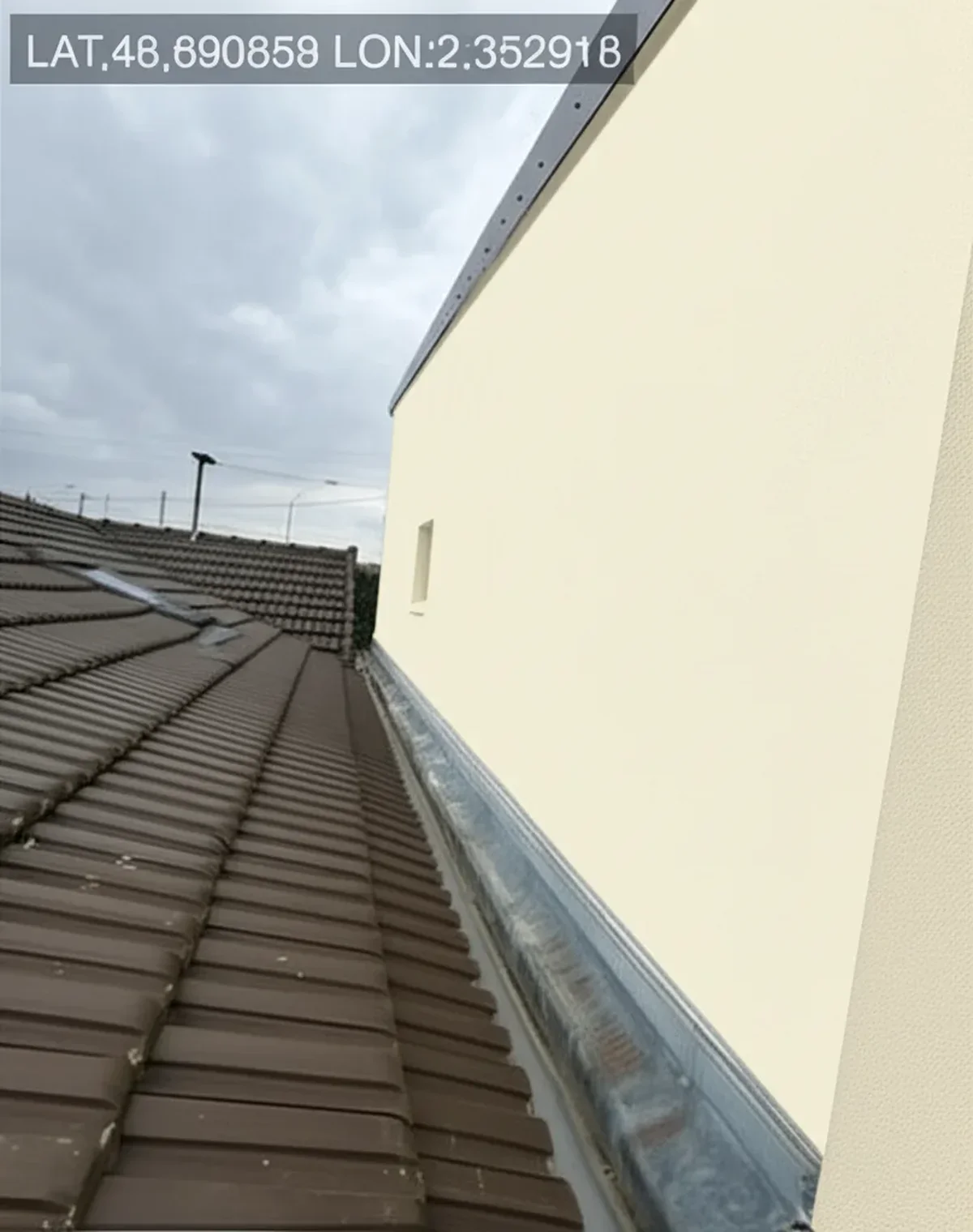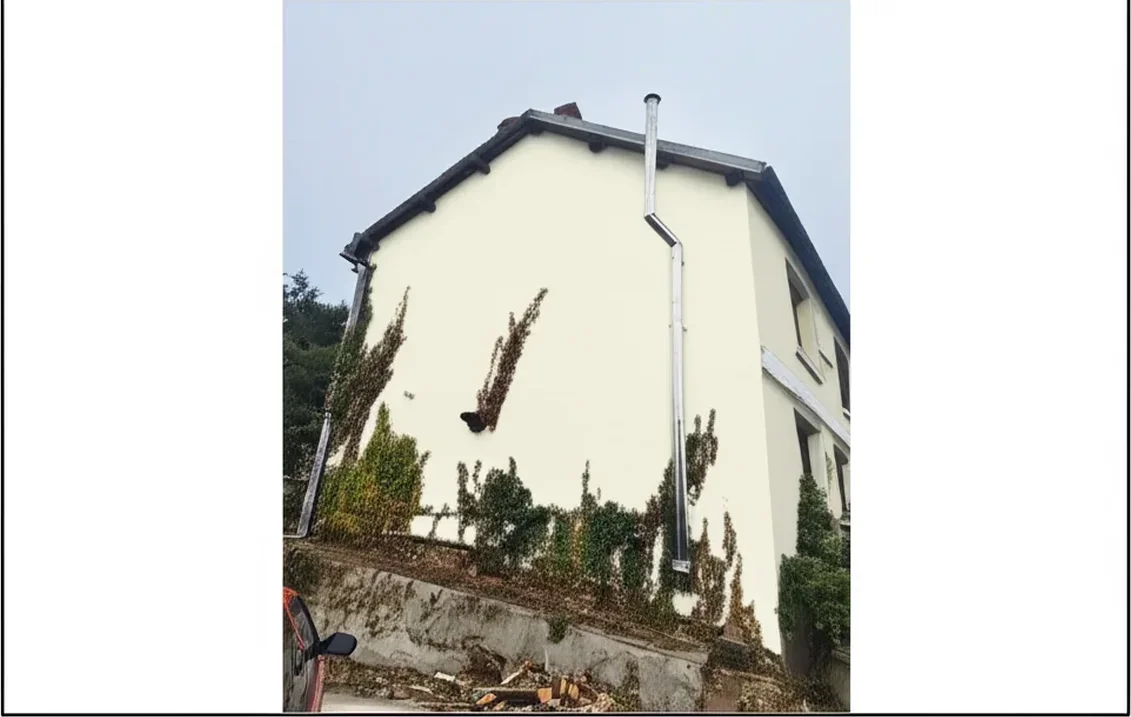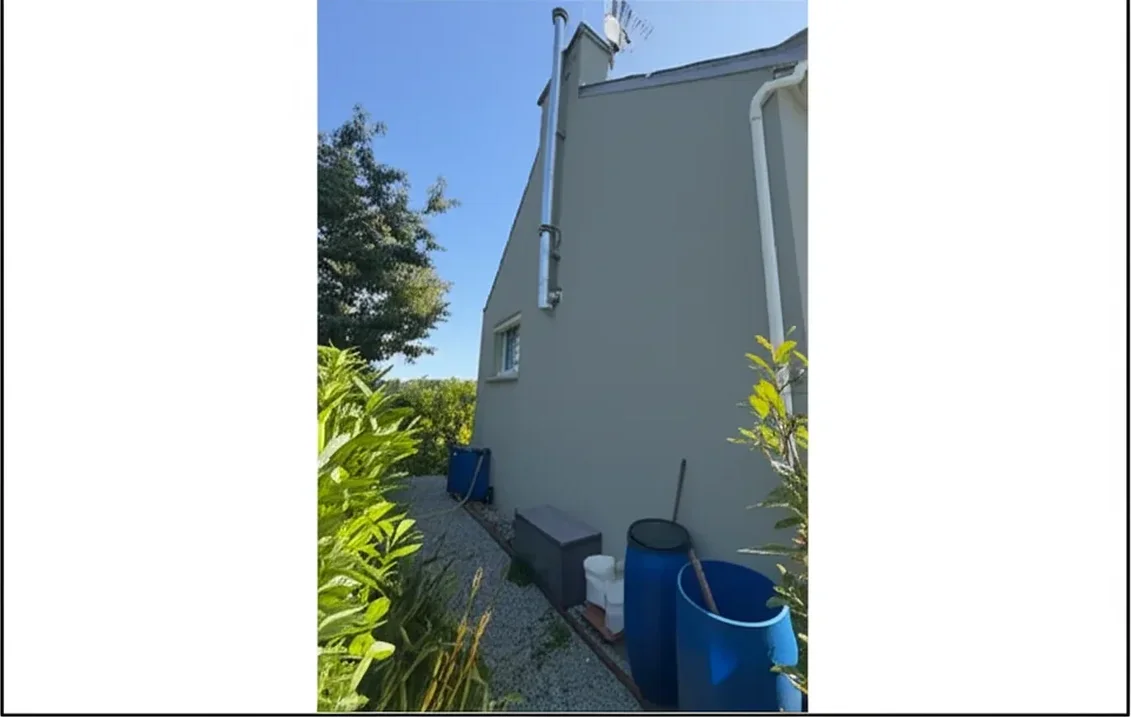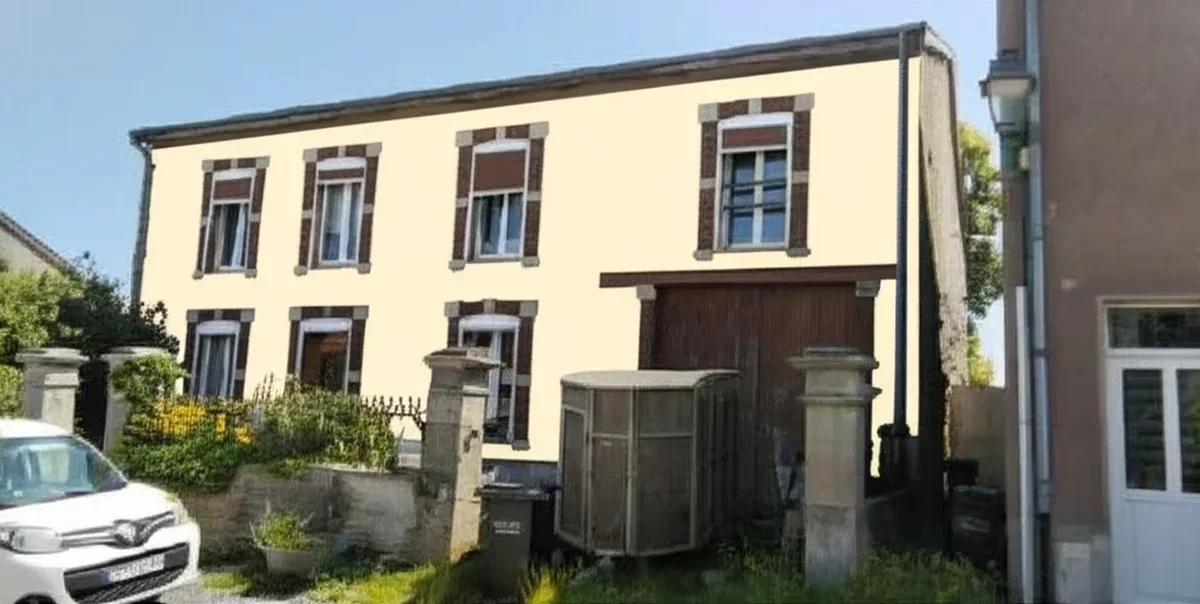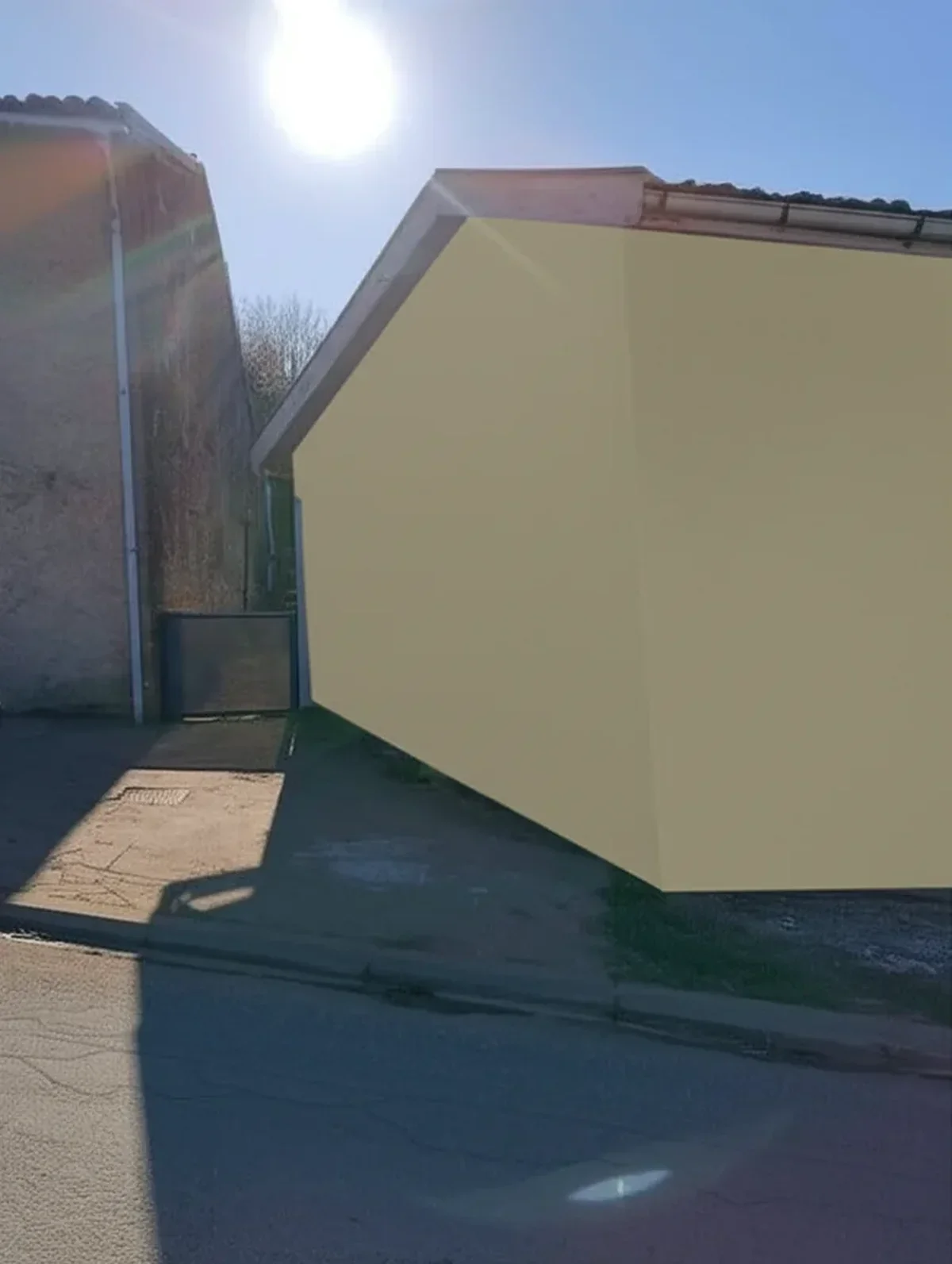
Try it on your house

When Janet and Paul Meredith bought their 1960s semi in Solihull in early 2025, the pebbledash was the first thing they wanted gone. Decades of grime had turned the once-white chips a patchy grey-green, and a section above the bay window was bulging ominously. Their first quote, £6,200 for full removal and re-rendering, nearly sent them back to Rightmove. But after researching every option, talking to three renderers, and discovering an alternative they hadn't considered, they transformed their facade for less than half that figure. This is their story, and the pricing data you need to make the same decision for your own home in 2026.
The Problem: Why Pebbledash Divides Opinion
Pebbledash, small stones or gravel dashed onto wet render, was applied to millions of UK homes between the 1920s and 1980s as a cheap, weatherproof finish. It did its job well: the textured surface sheds rainwater efficiently and hides imperfections in the underlying blockwork. But tastes have changed. Estate agents consistently report that pebbledash can reduce kerb appeal and, in some cases, knock 5–10% off a property's value compared to a cleanly rendered or brick-faced equivalent on the same street.
Janet and Paul's situation was typical. The pebbledash itself was structurally sound over most of the facade, but it looked tired, dated, and impossible to clean. They wanted the smooth, contemporary render finish they saw on renovated homes in their neighbourhood, but they needed to understand what that would actually cost before committing.
Pebbledash Removal Costs in 2026: The Full Breakdown
According to Checkatrade and MyJobQuote data updated for 2026, pebbledash removal costs vary significantly depending on property size, location, and the condition of the substrate underneath. Here are the current benchmark figures:
| Service | Cost Range (2026) | Notes |
|---|---|---|
| Pebbledash removal (per m²) | £20 – £60 | Mechanical hacking off |
| 2-bed terraced (removal + re-render) | £2,000 – £3,500 | Smallest typical job |
| 3-bed semi (removal + re-render) | £3,500 – £5,500 | Most common property type |
| 4-bed detached (removal + re-render) | £5,500 – £7,800 | Larger surface area |
| Scaffolding (1–2 weeks) | £750 – £1,500 | Usually included in quote |
| Skip hire (per load) | £220 – £440 | Pebbledash is heavy waste |
| London & South East premium | +£30 – £100/m² | Higher labour & disposal |
Try it on your house
No photo? Try a sample
The national average for a complete pebbledash removal and re-rendering job sits at roughly £4,950, according to Property Workshop's 2026 cost survey. That figure includes scaffolding, waste removal, and a two-coat sand-and-cement or silicone render finish, but not painting, which adds a further £800–£2,000 depending on the product chosen.
The Solution Janet and Paul Found: Rendering Over
After gathering three quotes for full removal, Janet and Paul's renderer suggested an alternative: rendering directly over the existing pebbledash. As long as the existing surface is firmly bonded to the wall, which theirs largely was, bar one small patch above the bay, a new coat of silicone render can be applied on top. The textured surface actually provides an excellent key for the new render to grip.
Their final bill? £2,835 for a full K Rend silicone render system in Pewter Grey, including scaffold, the small repair patch, and two coats. That was less than half the cheapest removal quote and delivered a better-looking finish than sand-and-cement render would have.
Here is how the main alternatives compare:
| Option | Typical Cost (3-bed semi) | Duration | Lifespan |
|---|---|---|---|
| Full removal + re-render | £3,500 – £5,500 | 5–10 days | 20–30 years |
| Render over pebbledash | £2,835 – £5,670 | 3–5 days | 20–25 years |
| Paint over pebbledash | £800 – £2,000 | 2–3 days | 5–8 years |
| External wall cladding | £3,800 – £6,000 | 2–3 days | 25–40 years |
| Brick slips | £6,000 – £12,000 | 5–7 days | 30+ years |
Important
Rendering over pebbledash only works when the existing surface is solidly bonded. Tap the wall with your knuckles, if you hear a hollow sound, the pebbledash has blown and must be hacked off in that area before new render can be applied. A good renderer will do a full survey before quoting.
The Results: What Changed for Janet and Paul
Six months after their silicone render was applied, Janet and Paul had their property revalued. The estate agent estimated a £15,000–£20,000 uplift in market value, driven partly by the render, partly by new anthracite grey windows they fitted at the same time. Even taking the conservative figure, their £2,835 investment delivered a return of more than five times the cost.
Beyond the numbers, the transformation was dramatic. Neighbours started asking for their renderer's details. The previously drab 1960s semi now looked like a contemporary home, and the self-coloured K Rend Pewter Grey silicone finish will not need repainting for at least 20 years, saving them the ongoing cost of masonry paint every five to eight years.
The lesson? Full pebbledash removal is not always necessary. If your existing surface is sound, rendering over it delivers a comparable result at a fraction of the cost and disruption. If the pebbledash is genuinely failing, cracked, hollow, water-damaged, then removal is the right call, but always get at least three quotes and ask every renderer whether an overlay is feasible.
What You Can Take From This
- Get a proper survey first: a qualified renderer should tap-test every section of your pebbledash and check for damp, cracks, and delamination before quoting. Beware of anyone who quotes over the phone without visiting.
- Consider silicone render: products from K Rend, Weber, and Parex are through-coloured, the pigment goes all the way through the material, so you never need to repaint. The upfront cost is higher than sand-and-cement, but the lifetime cost is lower.
- Check planning rules: in most areas, re-rendering or painting pebbledash is permitted development. However, in conservation areas or on listed buildings, changing the external appearance may require consent. Always check with your local planning authority before work begins.
- Budget for the unexpected: pebbledash removal sometimes reveals problems underneath, damp, crumbling mortar joints, or substandard blockwork. Set aside a 10–15% contingency above your quoted price.
- Think about insulation: if you are rendering over pebbledash, consider adding an external wall insulation (EWI) system at the same time. It adds £50–£100 per m² to the cost but can dramatically improve your home's energy efficiency, and may qualify for government grants under the Great British Insulation Scheme.
"We spent weeks agonising over full removal versus rendering over. In the end, the renderer showed us photos of ten previous jobs where he'd gone straight over pebbledash, the finish was identical. We saved £3,000 and the job was done in four days."
- Janet Meredith, Solihull, 2026
Visualise Your New Finish Before You Commit
Choosing between smooth render in K Rend Ivory White, a painted finish in Dulux Chic Shadow, or Sandtex Plymouth Grey masonry paint? Upload a photo of your pebbledashed property to FacadeColorizer and see any colour applied to your actual walls in seconds. It is free, requires no sign-up, and could save you from an expensive colour mistake.
Try our free AI colour visualiser, preview your facade transformation before the scaffolding goes up.
Frequently asked questions
How much does pebbledash removal cost in the UK in 2026?
Can you render over pebbledash instead of removing it?
What is the cheapest way to cover pebbledash?
Does removing pebbledash add value to a house?
Do I need planning permission to remove pebbledash?
Trademarks mentioned (Sherwin-Williams, Benjamin Moore, Behr, Caparol, Brillux, Sto, Alpina, Valspar, PPG, Glidden, Dulux, Crown Trade, Sandtex, Farrow & Ball, Johnstone's, Leyland) are property of their respective owners. FacadeColorizer is independent and not affiliated with any of them. Nominative fair use under Lanham Act §1125.