
Developer & creator of FacadeColorizer · Paris
Reviewed by Hugo Dumoulin, Founder of FacadeColorizer · Updated 2026-03-25
Liverpool's architectural character is built on its Victorian terraces, red-brick Edwardian semis, and rendered properties stretching from the waterfront to the suburbs. Exterior house painting in Liverpool is shaped by the city's maritime climate, high humidity, salt-laden winds from the Mersey, and persistent rainfall mean that paint selection and surface preparation matter more here than in drier parts of the UK. This guide covers 2026 costs per m², the best masonry paint for Liverpool's conditions, damp solutions, and planning permission rules.
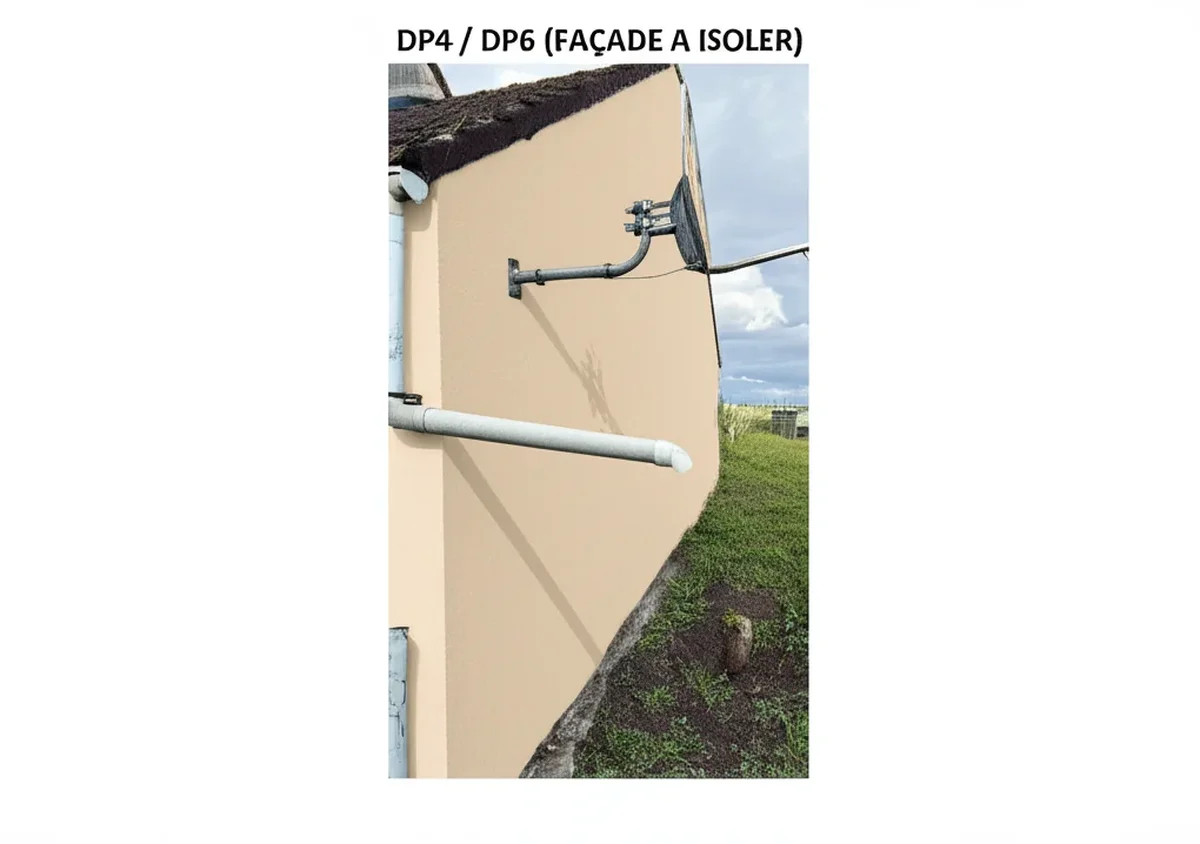
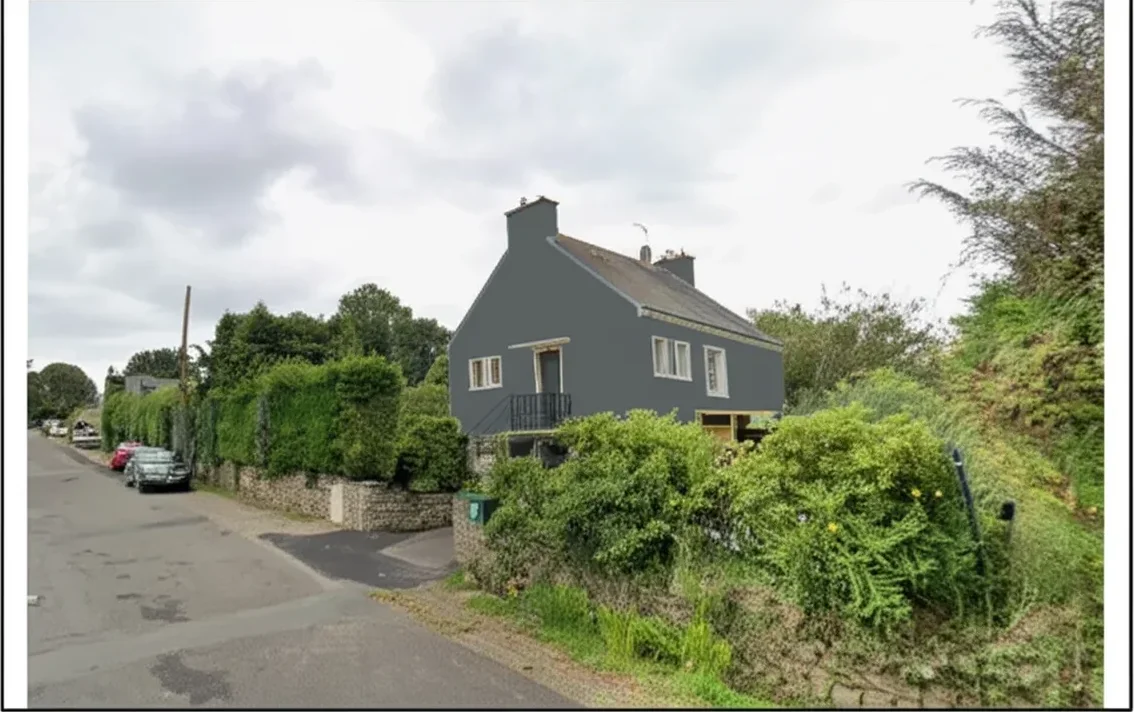
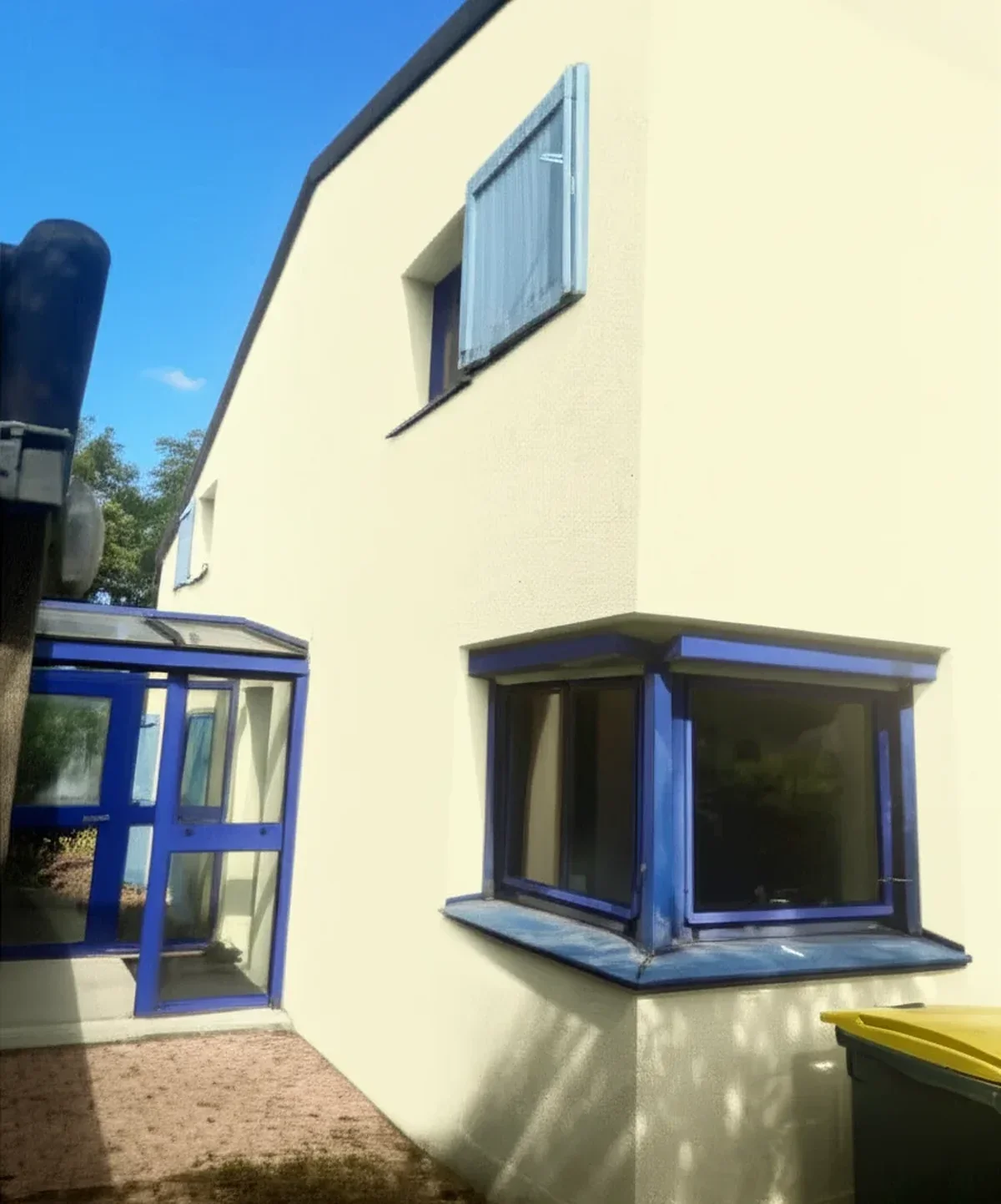
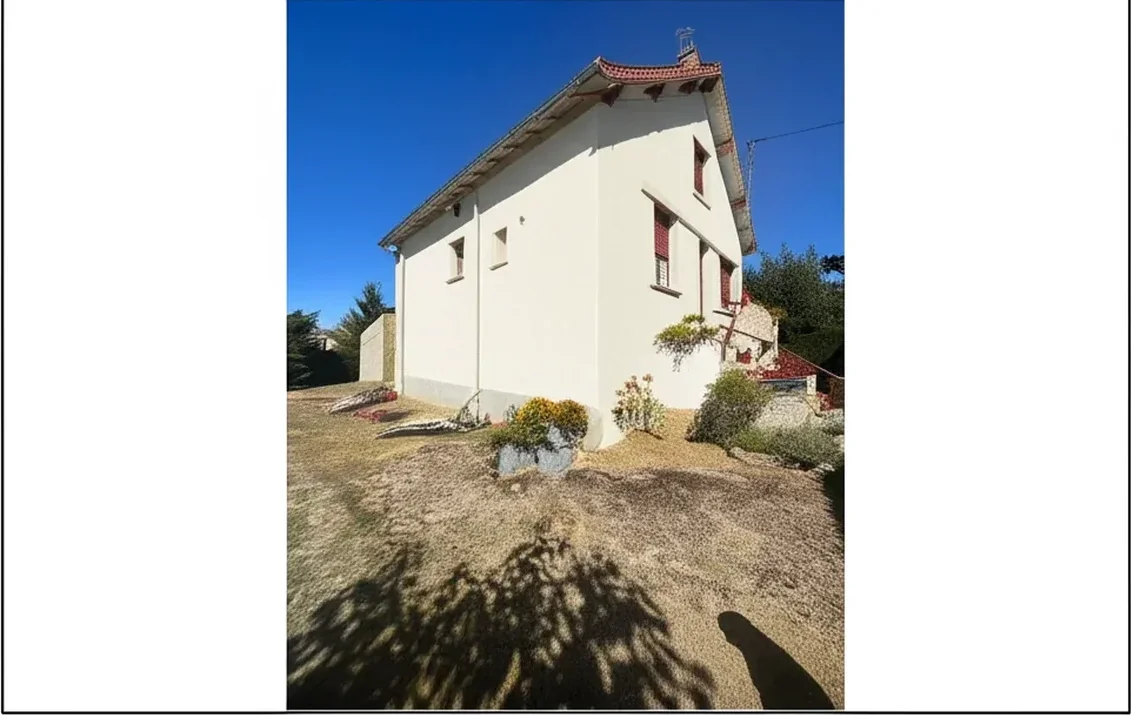
Before committing to a colour, try our free AI house colour visualiser to see exactly how your Liverpool home will look, upload a photo and test any shade in seconds.
For full pricing, see our complete UK cost guide.
Exterior Painting Costs in Liverpool (2026)
Liverpool offers some of the most competitive painter and decorator rates in England. Masonry paint application costs £7–£12 per m² including preparation and two coats. Here is the full breakdown:
| Service | Liverpool Price | National Average |
|---|---|---|
| Masonry paint (per m²) | £7 – £12 | £8 – £14 |
| Silicone render, K Rend / Weber (per m²) | £70 – £115 | £75 – £120 |
| Monocouche render (per m²) | £50 – £85 | £55 – £90 |
| Sand and cement render (per m²) | £30 – £60 | £35 – £65 |
| Lime render (per m²) | £50 – £75 | £55 – £80 |
| Scaffold hire (terraced house) | £500 – £1,200 | £600 – £1,500 |
| Full exterior, 3-bed terrace | £650 – £1,500 | £800 – £1,800 |
Try it on your house
No photo? Try a sample
Liverpool Tip
Rates in South Liverpool (Aigburth, Mossley Hill, Allerton) tend to run 10–15% higher than in North Liverpool or Birkenhead. Liverpool's competitive market means getting three quotes is easy, and essential for ensuring fair pricing.
Victorian Terraces and Maritime Humidity
Liverpool has one of the UK's largest concentrations of Victorian terraces. Areas like Anfield, Toxteth, Kensington, and the Georgian Quarter are defined by rows of painted and rendered terraces. The maritime location creates specific challenges:
- Maritime humidity: proximity to the River Mersey and Irish Sea means constant high humidity. Exterior paint must be moisture-resistant, cheap products peel and flake within 2–3 years.
- Salt exposure: waterfront and coastal properties face salt-laden winds that accelerate paint degradation. Silicone render from K Rend or Weber handles salt exposure better than conventional masonry paint.
- Rising damp: Liverpool's older terraces are notorious for rising damp and penetrating damp. Always commission a property survey before exterior painting to identify and treat damp sources.
- Red brick: many Liverpool terraces feature exposed red brick that should not be painted. If already painted, use breathable products only to prevent trapped moisture damage.
- Render crack: freeze-thaw cycles and settlement cause cracking in sand and cement render. Repairs should be made with matching materials, a scratch coat followed by a top coat, before repainting.
Planning Permission and Conservation Areas in Liverpool
Liverpool has numerous conservation areas and a significant number of listed buildings:
- Standard property: no planning permission needed to repaint or change colour. This is permitted development.
- Conservation area: Liverpool has over 35 conservation areas, including the Georgian Quarter, Canning, Sefton Park, and parts of the waterfront. Adding new exterior rendering or cladding requires permission.
- Listed building: any exterior alteration requires Listed Building Consent from Liverpool City Council. The Georgian Quarter contains many Grade I and II listed properties.
- Condition report: for any pre-1900 terrace, a professional condition report before painting identifies hidden structural and damp issues.
Best Season to Paint in Liverpool
Liverpool's maritime climate is milder but wetter than inland cities:
- Best months: May to August. Temperatures of 12°C–20°C are suitable for masonry paint application, and these months are the driest.
- Rainfall: Liverpool receives approximately 850–900 mm annually with 150+ rain days. West-facing walls facing the Mersey take the most weather.
- Frost risk: the maritime influence limits frost to 35–45 days per year, fewer than inland cities. However, never apply paint below 5°C.
- Humidity: high ambient humidity means drying times can be 20–30% longer than in drier parts of the UK. Allow extra time between coats.
- Paint longevity: expect masonry paint to last 4–7 years on exposed maritime-facing walls. Silicone render offers superior longevity in these conditions.
Masonry Paint and Damp Solutions for Liverpool
Liverpool's damp, humid conditions demand the right products:
- Dulux Trade Weathershield: the standard choice for Liverpool decorators. The Weathershield range offers excellent moisture resistance and a 15-year guarantee. Textured formula is ideal for hiding minor surface imperfections.
- Sandtex Ultra Smooth: popular on Merseyside for its anti-algae and anti-mould properties, essential in Liverpool's humid climate.
- Crown Trade Timonox: flame-retardant option for HMOs and multi-occupancy properties, common in Liverpool's inner-city terraces.
- K Rend and Weber silicone render: the best long-term solution for Liverpool's wet climate. Breathable render that repels water while allowing moisture vapour to escape.
- Damp treatment is critical before any exterior painting. Rising damp must be resolved with proper damp-proof courses, painting over damp walls is a waste of money.
EWI, Grants, and Energy Efficiency
Liverpool has many solid-wall Victorian terraces that are expensive to heat. EWI (External Wall Insulation) with silicone render dramatically improves thermal performance and EPC ratings. The ECO scheme (ECO4) and the Liverpool City Region Combined Authority offer grants for qualifying households. Combining insulation with exterior rendering makes financial and practical sense, you only pay for scaffold once. All finishes should comply with BS 4800 colour standards where required.
Understanding Your Exterior Surface Before Painting
Before booking a painter and decorator, it is essential to understand your property's exterior surface. Many UK homes feature pebble dash or roughcast finishes, which require specialist preparation. If your walls have polymer render, self-coloured render, or traditional cement render with a bellcast bead and stop bead at the edges, the paint system must be compatible with these substrates. A condition report from a surveyor can identify any render crack, rising damp, or areas where render mesh has failed beneath the scratch coat and top coat.
For properties with breathable render or lime mortar joints, choose masonry paint that allows moisture vapour to escape, Dulux Trade Weathershield, Sandtex 365, Crown Smooth Masonry, and Farrow & Ball Exterior Masonry are all excellent options conforming to BS 4800 colour standards. If exterior rendering repairs are needed first, expect to pay an additional cost per m² of £40–£80 depending on whether you choose silicone render, monocouche render, or sand and cement render. Accessing upper floors typically requires scaffold or an access tower, adding £500–£1,500 to the total project cost. Properties with an EPC rating of D or below may also qualify for the ECO scheme or Green Homes Grant towards EWI (External Wall Insulation), combining insulation with repainting can deliver significant savings. Always request a property survey and check frost resistance ratings if work extends into autumn, as K Rend and Weber products have specific temperature requirements.
Visualise Your Liverpool Property Before Painting
Whether you are refreshing a Victorian terrace in Toxteth, updating a rendered semi in Allerton, or choosing colours for a waterfront flat, seeing the result before you commit saves time and money. FacadeColorizer lets you upload a photo and test any colour in seconds, try Dulux White Mist, Sandtex Country Stone, or Crown Magnolia and see the result on your actual home. Completely free, no sign-up required.
Local labour rates 2026: Merseyside benchmark
Liverpool remains one of the more competitive labour markets for painter and decorator work in England. Drawing on April 2026 Checkatrade quote data and the Painting and Decorating Association Merseyside member directory, here is the realistic 2026 picture: single-person decorator day rate 170 to 230 GBP, two-person crew 320 to 440 GBP, exterior masonry per m2 7 to 12 GBP (versus 12 to 18 GBP in London). Rates rise 10 to 18 percent in South Liverpool (Aigburth, Mossley Hill, Allerton) and drop 5 to 8 percent across the Mersey into Birkenhead and Wallasey.
Maritime exposure increases time on prep: salt washdown, mould treatment with a fungicidal wash to BS 6262, and a stabilising primer before two coats of Sandtex Ultra Smooth or Dulux Trade Weathershield. Working at height on terrace facades over 4 m falls within the Working at Height Regulations 2005 administered by HSE: see hse.gov.uk/work-at-height. Tower or scaffold to BS EN 12811 is the safe default.
GBP cost by exterior surface area: Liverpool 2026
| Surface area | Property type | North Liverpool / Birkenhead | Central / South Liverpool |
|---|---|---|---|
| 100 m2 | Mid-terrace, front + side | 650 - 1,100 GBP | 800 - 1,300 GBP |
| 150 m2 | 3-bed terrace full exterior | 1,000 - 1,650 GBP | 1,250 - 2,000 GBP |
| 200 m2 | 3-bed semi-detached | 1,350 - 2,200 GBP | 1,650 - 2,700 GBP |
| 250 m2 | 4-bed detached or large semi | 1,700 - 2,800 GBP | 2,100 - 3,400 GBP |
| 300 m2 | Georgian Quarter villa | 2,000 - 3,400 GBP | 2,500 - 4,100 GBP |
Ranges include scaffold hire (500 to 1,200 GBP), salt and mould prep, and two coats of Dulux Trade Weathershield, Sandtex Ultra Smooth, Crown Trade, Johnstone's or Leyland Granocryl. All compliant with BS EN 1062 weathering and BS EN 13300 finish classifications. Trade supply is via Dulux Decorator Centres, Brewers and Crown Trade Centres, with B and Q, Wickes, Homebase and Screwfix covering DIY supply.
Listed Building considerations across Liverpool's conservation areas
Liverpool City Council manages 35-plus Conservation Areas including the Georgian Quarter, Canning, Sefton Park, Lark Lane, Princes Park, and parts of the Pier Head and Stanley Dock UNESCO buffer zones. The city contains roughly 2,500 individually listed buildings, with concentrated Grade I and Grade II* assets along Hope Street, Mount Pleasant and the dock estate. Listed Building Consent (LBC) is mandatory for any external alteration that changes character, including colour change on previously unpainted brick or stone.
Apply via planningportal.co.uk listed buildings; the legal framework sits at gov.uk/listed-buildings. For Georgian Quarter stucco and lime-rendered facades, Historic England guidance is to favour limewash, mineral silicate paint (Beeck), or breathable Pliolite-based masonry paint. Acrylic systems such as Sandtex and Weathershield are inappropriate on Grade I or Grade II* listed lime substrates because they trap moisture and accelerate decay.
Best contractors checklist: choosing a Liverpool decorator
- PDA Merseyside membership. Local branch maintains a code of conduct.
- Maritime / coastal experience. Ask for two recent jobs on waterfront-facing elevations.
- Public liability minimum 2 million GBP. 5 million GBP preferred for scaffold work over 4 m.
- HSE awareness and CITB CSCS card. Required for any tower or scaffold work.
- Damp-survey relationship. A Liverpool decorator who insists on a rising damp survey before quoting is doing you a favour.
- Itemised quote. Separate paint, labour, scaffold, prep and mould treatment.
- Lime and mineral silicate competence. Essential for any Georgian Quarter or listed work.
- 5-year workmanship guarantee. Standard for reputable firms; reinforces the manufacturer 15-year product warranty.
- Waste paint disposal. Empty tins must go to a HWRC under gov.uk hazardous waste rules.
Frequently asked questions
How much does exterior house painting cost in Liverpool?
What paint works best in Liverpool's humid climate?
When is the best time to paint a house exterior in Liverpool?
Do I need planning permission to paint my house in Liverpool?
Trademarks mentioned (Sherwin-Williams, Benjamin Moore, Behr, Caparol, Brillux, Sto, Alpina, Valspar, PPG, Glidden, Dulux, Crown Trade, Sandtex, Farrow & Ball, Johnstone's, Leyland) are property of their respective owners. FacadeColorizer is independent and not affiliated with any of them. Nominative fair use under Lanham Act §1125.