The colours Britain paints its houses.
We read 16,983 facade colour previews from nearly 2,000 homeowners and pros over a full year. White still wins, but only just, and one creamy off-white quietly runs away with it. Here is what people actually reach for, colour by colour.
1 HD preview + 3 variations free. Secure payment, instant activation, no commitment.
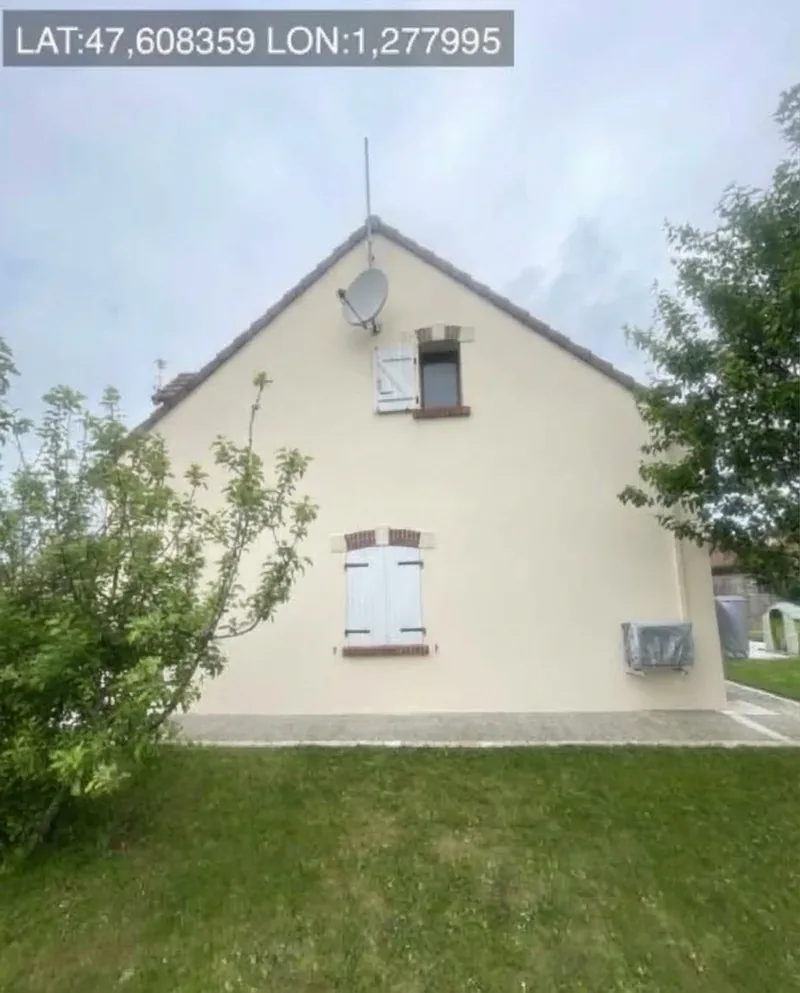
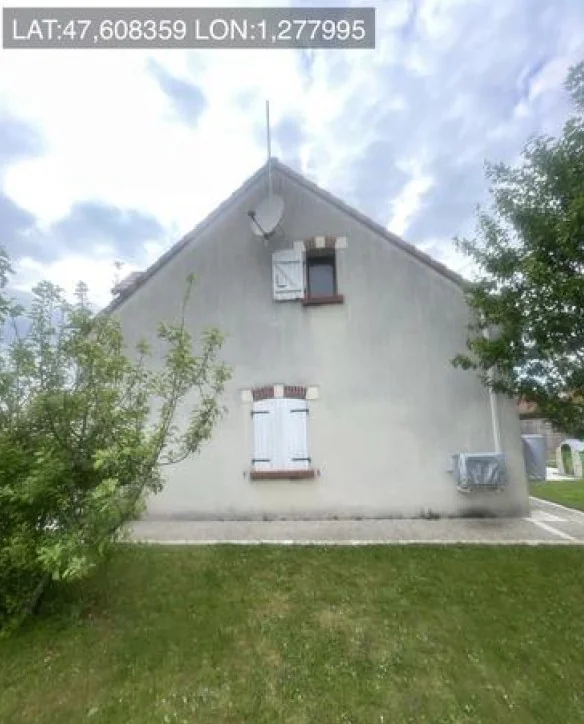
Drag the slider. This is a real preview from the tool.
of people land on the same single shade: a soft, creamy off-white. In Farrow & Ball terms, think White Tie; in Dulux terms, Natural Calico. The exact swatch is RAL 1013 Oyster White.
No other colour gets even one in forty. After that, the field opens up fast, which is exactly where it gets interesting.
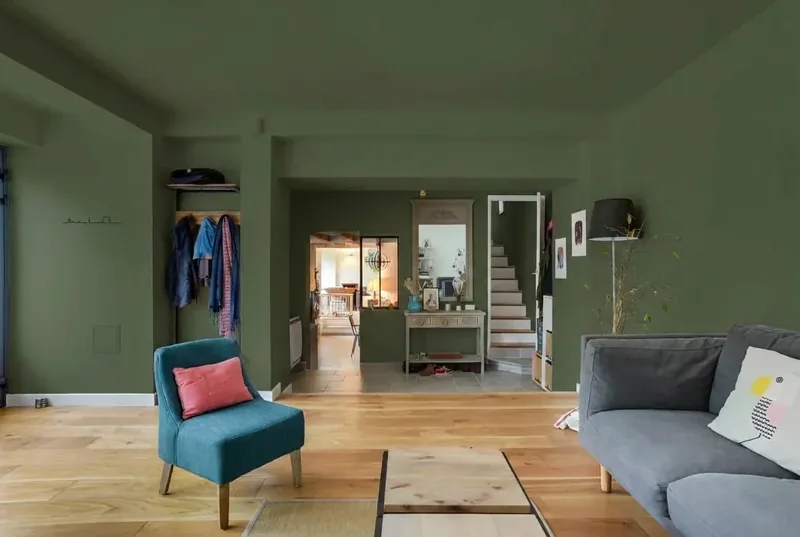
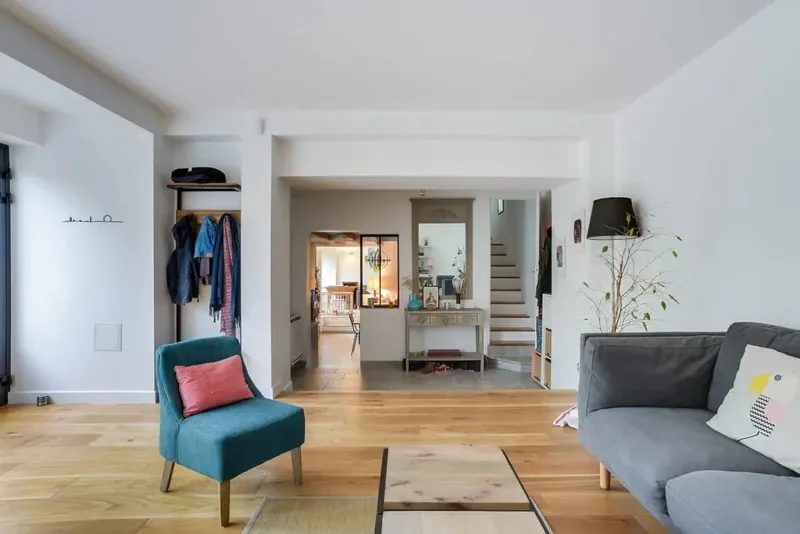

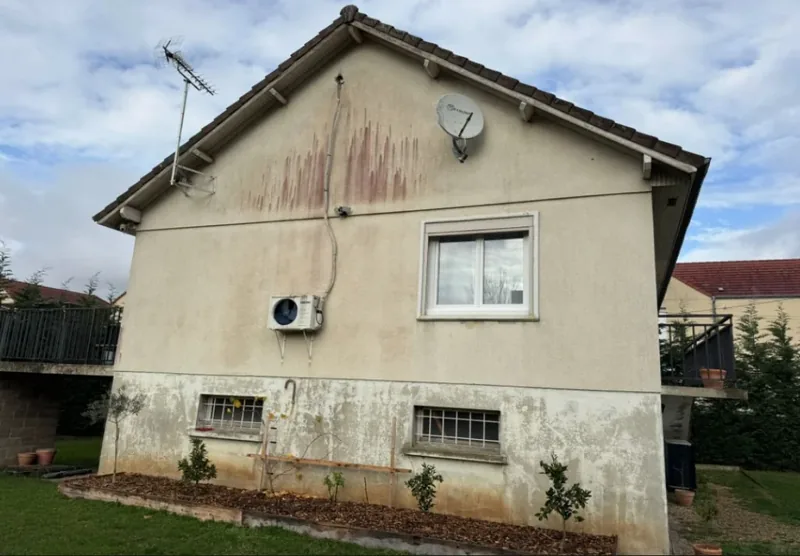
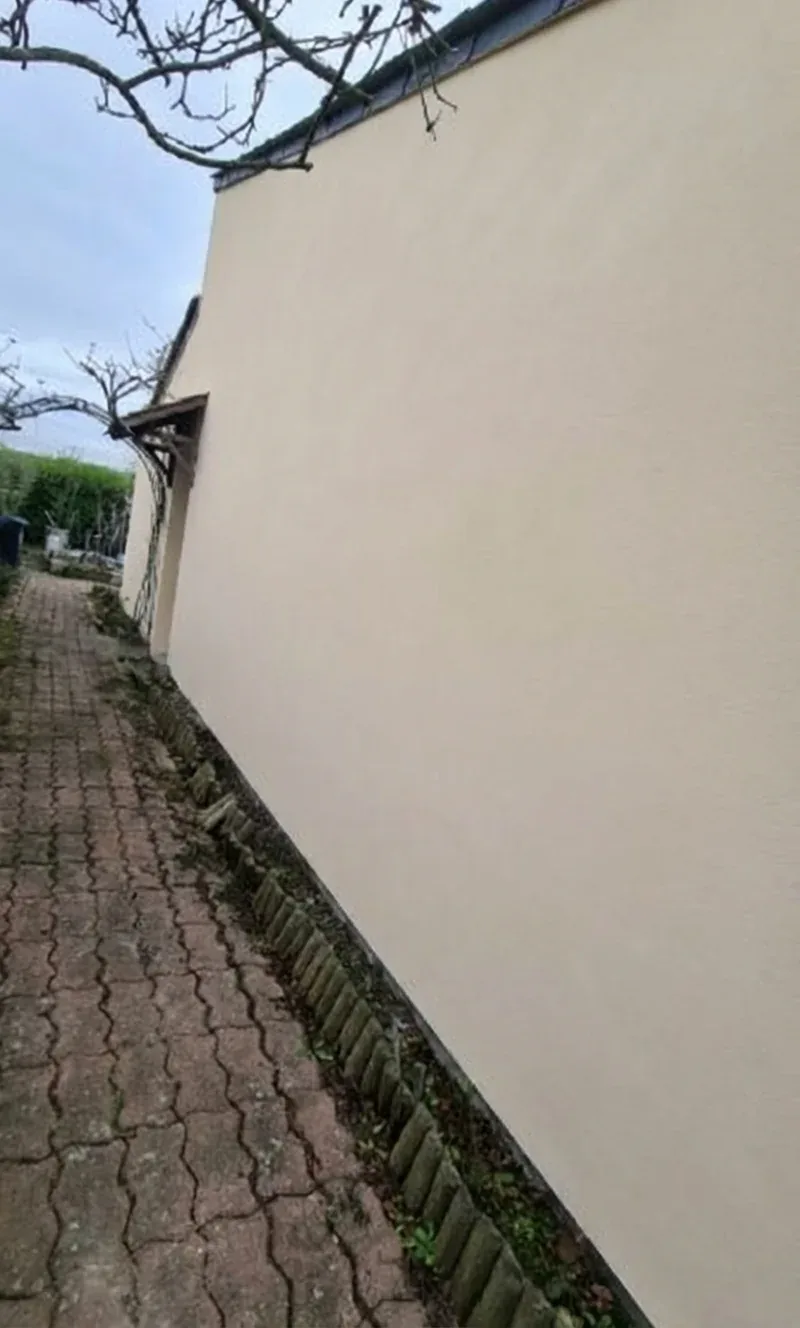
Real homes, real previews. Drag any handle to compare. Images: FacadeColorizer.
A colour is a number until you see it on a wall
Drag the handle across a real facade. This is the same preview the study is built on, on real homes.
Real home, exterior colour preview. Drag the handle, or use the arrow keys, to compare.
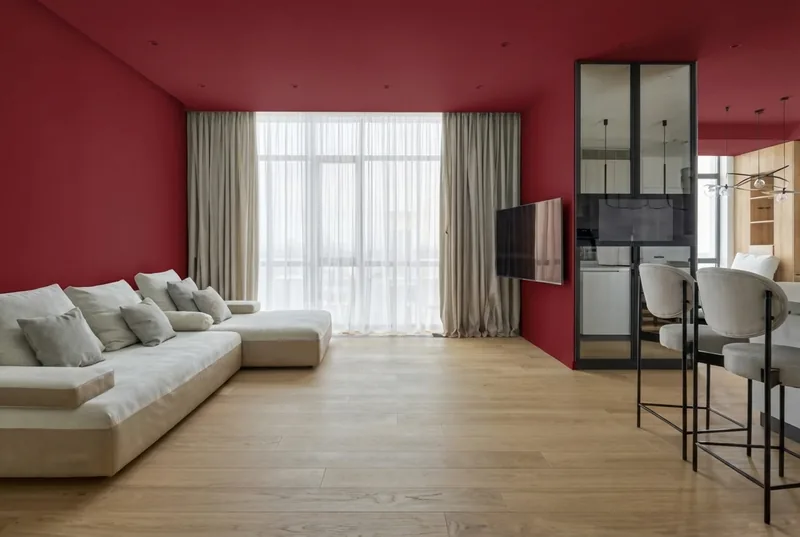
Half of people pick white. The other half quietly explore.
Counted one user at a time, white leads at 50.2%. That sounds dominant, until you flip it: nearly half of everyone is reaching for stone, sand, sage and slate instead. Here is the full field, as a stack of swatches.
Figure 1. Dominant facade colour per user, top 8 of 14 families. n = 1,961 users. Source: FacadeColorizer Facade Colour Barometer 2026 (CC-BY-4.0).
Curious how your house reads in any of these?
Upload one photo and try white, grey, sage or charcoal side by side.
Why we count per person, not per image
One choice makes these numbers a real read on taste. Counted per image, white reaches 80.8%, but that figure leans on two professional accounts, decorators who preview many shades for their own jobs, who together generate about 62% of all previews. At the other end, 68% of people made a single preview, and 98% made five or fewer.
So we give everyone an equal say. Each person is counted once, by their dominant colour: a homeowner testing twenty greys weighs exactly the same as another testing a single white. This one-person, one-voice rule is what produces every percentage on this page.
The honest read
Counted per person, white settles at 50.2% rather than 80.8% per image. It stays the clear number one, just not a landslide. That coin-toss reading is the more useful number for your own project.
The runaway favourite is a warm, creamy off-white: nearest to Farrow & Ball White Tie
If white as a family is now only half-dominant, one precise shade stays in a league of its own. It is a soft, creamy off-white. In Farrow & Ball terms, the closest match is White Tie; in Dulux terms, think Natural Calico. The exact swatch our users picked most, the precise reference behind the number, is RAL 1013 Oyster White, the dominant colour of 36.6% of users, that is 718 people. The next most-chosen shade does not even reach 2.5%. In a study full of close races, this is the one true landslide.
The creamy off-white everyone agrees on
What it is. A soft off-white, barely warm, leaning toward pale cream rather than a stark white. It carries a whisper of ochre that warms grey daylight, the weathered-stone tone the eye instinctively reads as a beautifully kept period home.
Why it wins. It quietly ticks every box: it suits render and masonry alike, it sits comfortably within most conservation-area palettes, it reassures at resale, and it makes homes with small windows feel larger. Its close cousins on the RAL chart are RAL 9001 Cream, a touch more neutral, and RAL 9010 Pure White, starker and cooler. If you shop UK paint cards, the nearest equivalents are Farrow & Ball White Tie or Dulux Natural Calico (closest match, not an exact tint).
RAL, in UK paint terms
What is RAL? It is a widely used international colour standard, the codes our users picked from. The percentages below belong to the RAL shades, the only colours we actually measured. Here are the nearest UK paint matches, given as a guide, not an exact tint.
| Measured shade (RAL) | In plain terms | Nearest Farrow & Ball | Nearest Dulux |
|---|---|---|---|
| RAL 1013 Oyster White | Warm, creamy off-white | White Tie (closest match) | Natural Calico (closest match) |
| RAL 1015 Light Ivory | Soft, pale ivory | String (closest match) | Jasmine White (closest match) |
| RAL 1001 Beige | Warm sandy beige | Stirabout (closest match) | Natural Hessian (closest match) |
| RAL 9010 Pure White | Clean, bright white | Wimborne White (closest match) | Pure Brilliant White (closest match) |
| RAL 7016 Anthracite Grey | Deep charcoal grey | Railings (closest match) | Anthracite Grey (closest match) |
UK paint names are nearest visual matches for orientation; only the RAL shades carry a measured percentage. Always confirm against a physical sample in your own light.
Will Oyster White suit your home?
It depends on your light, your roof and your trim. The only way to know is to see it.
Leave white, and you head to grey
Most people who skip white do not jump to bold colour. They slide toward mineral neutrals. Add up the grey family (grey 9.9%, light stone grey 7.4%, charcoal 3.8%) and you reach 21.1% of users, more than double any other non-white family. Fold in beige and sand at 9.7%, and the non-white neutral block tops 30%.
Put white back in and the full neutral spectrum, white plus grey, stone, beige and charcoal, accounts for about 81% of users. Facades are diversifying, but they still live very largely in neutral territory. Colour, when it comes, comes as an accent.
Sage green is the one real colour that breaks through
Step outside neutrals and the leader is clear: sage green, the dominant colour of 5.7% of users, ahead of blue and blue-grey at 4.8%. Together, green and blue carry 10.5%. Modest, yes, but it is more than every dramatic dark combined.
That is the surprise worth sitting with. The 2026 design press leans hard on near-black exteriors (off-black, charcoal, moody). In real previews, charcoal is the top choice of only 3.8% of users, and brick red just 2.8%. When people do step away from neutral, they reach for quiet nature tones, sage and blue-grey, not the all-black mood board. The big paint houses agree: Farrow & Ball and Dulux leaned earthy and soft for 2026, which lines up far better with what people actually try.
Thinking sage or blue-grey?
These are the two colours people actually commit to. Preview them on your own walls first.
When people picture a new facade
Interest tracks the building season. September 2025 leads with 3,909 previews, followed by August (3,046) and a strong spring rebound in May 2026 (2,799). The November low (270) mirrors the pre-winter lull in exterior work. These are preview counts, not user counts.
Spring and late summer are when people repaint
Whatever the season, you can see your facade in a new colour in under a minute.
Read it your way
The same numbers point in slightly different directions depending on why you came. Here is the honest read for each.
If you own the home
For a safe, widely loved facade, a warm off-white in the Oyster White family is as close to consensus as it gets, and a light to mid grey is the most popular step away. Want character without real risk? Sage green and a soft blue-grey are the colours people actually commit to. Going charcoal or black puts you in a real minority under 4%: striking, but not the safe resale bet the trend press implies.
If you paint for a living
Stock the heart of demand: an oyster off-white plus two or three cool greys will cover most exterior jobs. Keep one sage and one blue-grey sample ready for the client who wants to stand out, and treat true darks as a deliberate, made-to-order choice rather than a default to push.
If you write about it
The headline figures to cite are 50.2% per user for white and 36.6% for RAL 1013 Oyster White. These are colour previews, an intent to try, on a self-selected, facade-minded audience, so read them as preferences within that audience rather than a national average. Full method and open data are below.
The honest meta-lesson: a preview is not a verdict. The best colour for your home is the one you have already seen on your own walls, in your own light, before a single tin of paint is opened. That is exactly what the tool is for.
Take the study into your own driveway
The numbers above are averages. Your house is not. Start with the free exterior tool, or jump straight to the brand colour card you are already considering.
Not sure where to start? The free paint colour visualiser lets you run the exact families ranked in this study, white, grey, beige, sage, blue-grey and charcoal, on a single photo of your own home.
Keep reading on exterior colour
How this study was built
A quick, honest note on the numbers, so you can judge them for yourself.
Source
The FacadeColorizer preview log, extracted 2 June 2026. The extraction is documented and kept for audit on request.
Universe
16,983 previews that produced a colour render between 1 July 2025 and 2 June 2026, from 1,961 distinct users, homeowners and professionals.
One user, one voice
A few professional accounts preview many shades for their own jobs, so each user is counted once, by their dominant colour. This measures preference, not raw activity.
Classification
Each colour code tested (RAL, plus brand colour cards like Farrow & Ball and Dulux) maps to one of 14 families. Near-identical variants of a code are grouped together.
Good to know
- 1These are colour previews, an intent to try, rather than purchases or repainted facades.
- 2The audience is self-selected: people already motivated by a project, not a representative national panel.
- 3It skews toward facade work and was originally French-speaking, so the figures describe that audience.
- 4No country breakdown in this edition, because the internal market field is not reliable enough to map.
Reproducible and open. The aggregated JSON and CSV are free to download under CC-BY-4.0. Anyone can rebuild every table here from the JSON dataset.
Frequently asked
How much data is the Barometer based on?
On 16,983 facade colour previews generated by 1,961 distinct users, both homeowners and professionals, between July 2025 and June 2026.
What is the single most-chosen colour?
RAL 1013 Oyster White, a soft, creamy off-white. It is the dominant colour of 36.6% of users (718 people), far ahead of any other shade, the next one sits under 2.5%.
Why count per user instead of per preview?
Because two professional accounts generate about 62% of all previews. Per image, white would reach 80.8%, a figure that would mostly reflect the activity of two pros. By counting each user once, by their dominant colour, white settles at 50.2%, which is the honest measure of preference. Every percentage on this page is per user.
Is this representative of all homeowners?
It reflects people who used the FacadeColorizer simulator, an audience already motivated by a project and historically skewed toward facade work. Read the figures as strong signals within that audience rather than a national average.
Can I reuse these figures?
Yes, under the Creative Commons Attribution 4.0 licence (CC-BY-4.0). Just credit the source, FacadeColorizer Facade Colour Barometer 2026, with a link to this page.
When is the next edition?
The barometer is refreshed regularly. The next edition is planned for 2027, with year-on-year comparison.
Cite it, download it, build on it
Freely citable with attribution to FacadeColorizer Facade Colour Barometer 2026, under CC-BY-4.0.
Academic / press format
Available at: https://facadecolorizer.com/en/facade-colour-barometer-2026 (accessed [date]).
Direct downloads
See your house before you paint a single wall
Oyster White, a soft grey, a sage green: try them on a photo of your own home and see the result in your own light. One photo is all it takes.
1 HD preview + 3 variations free. Secure payment, instant activation, no commitment.
Free to start: 1 HD simulation plus 3 variations, secure payment, instant activation, no commitment. Data and figures licensed under CC-BY-4.0.