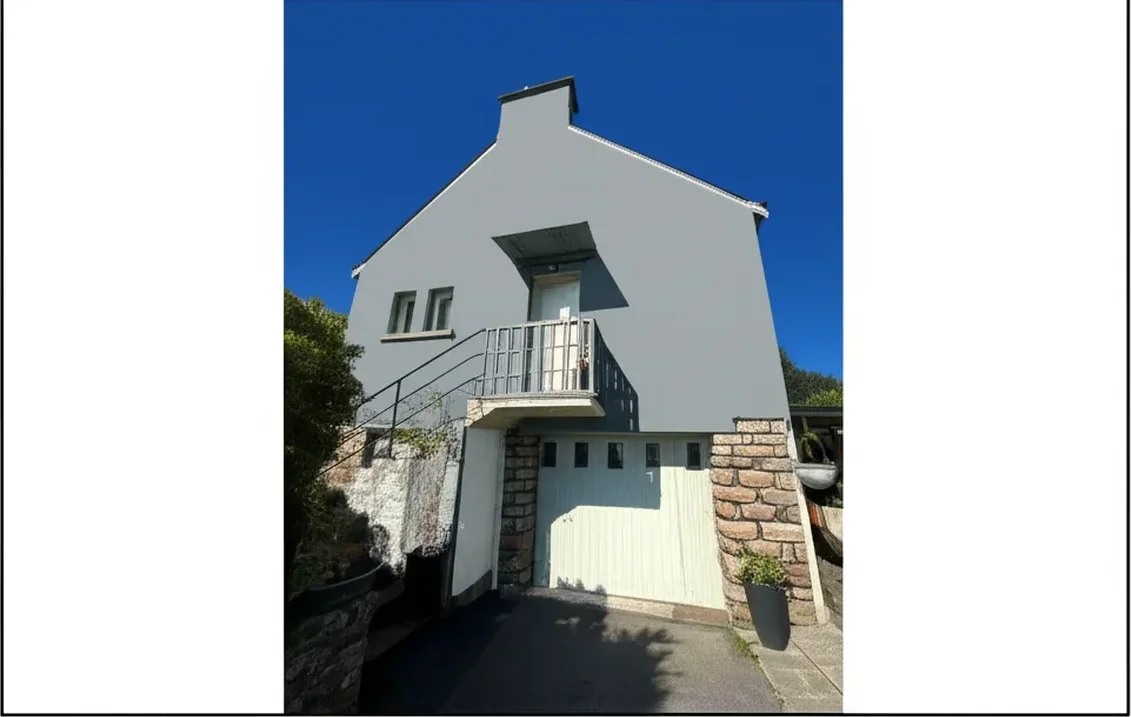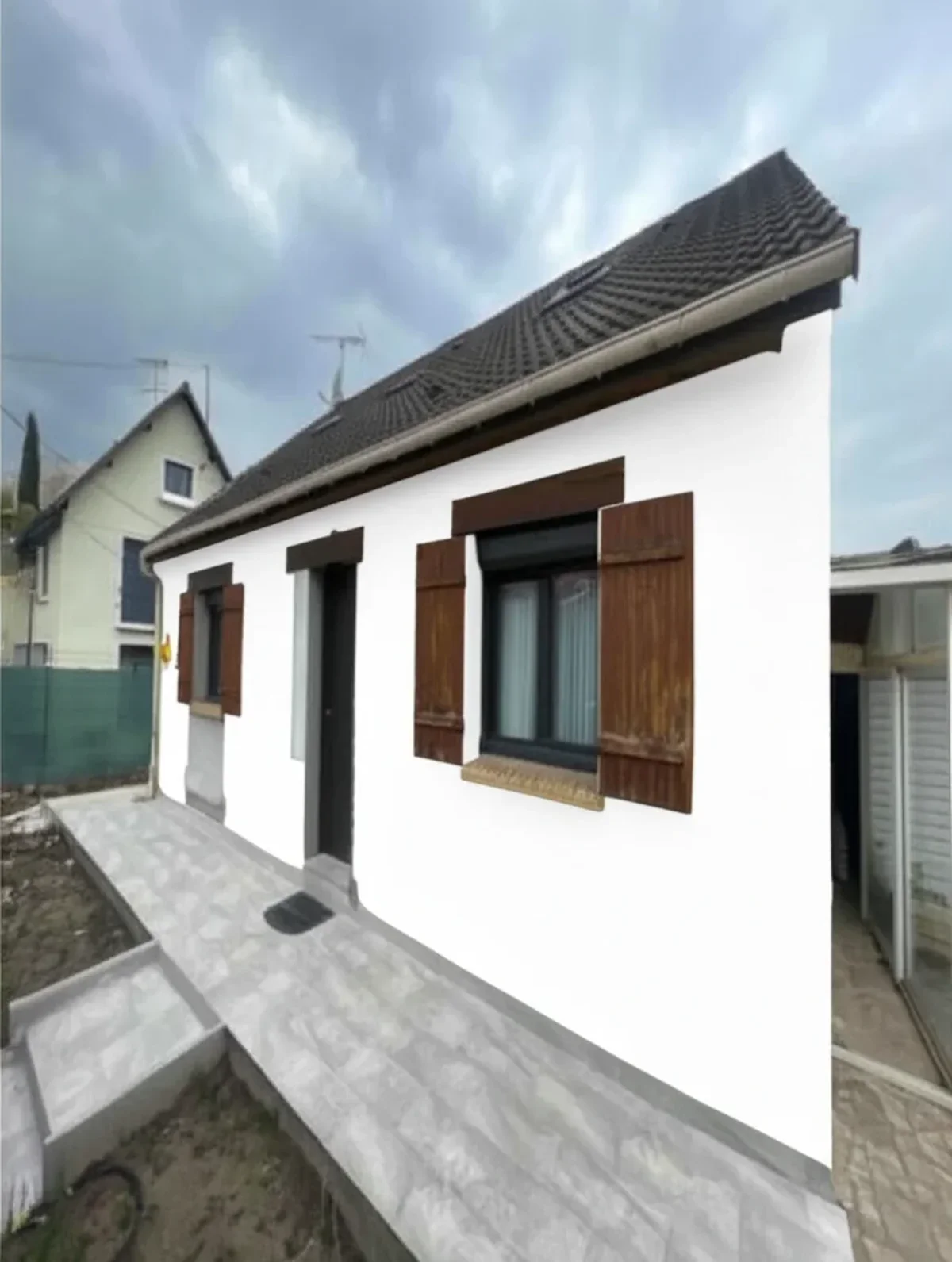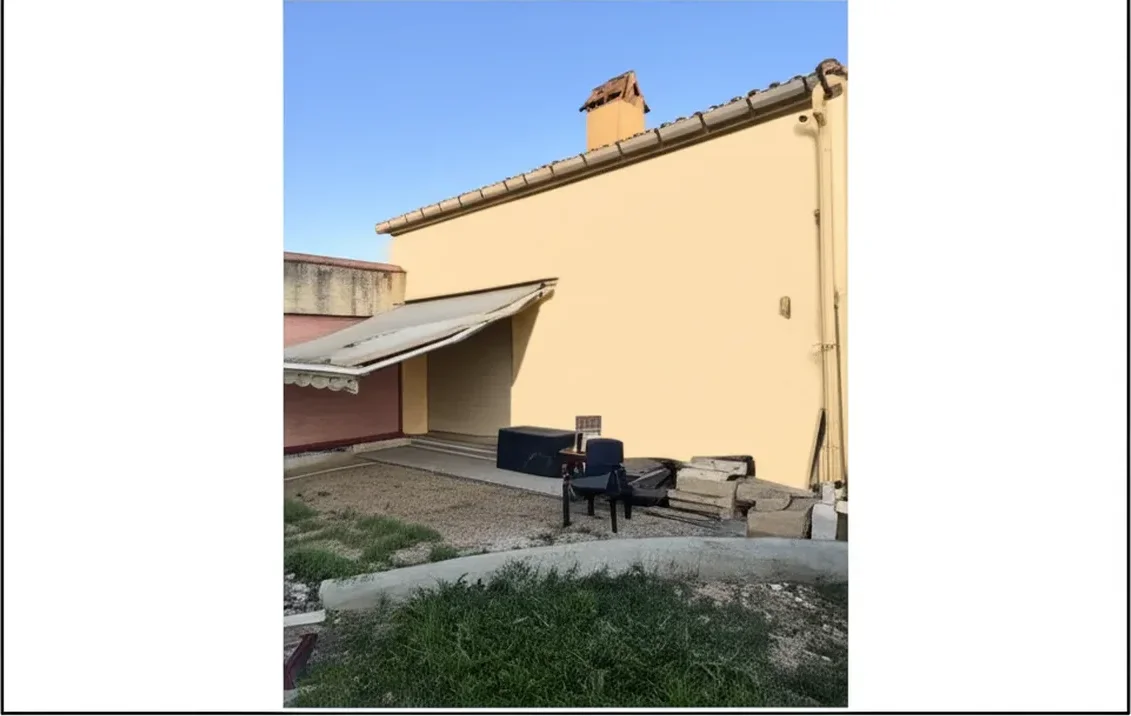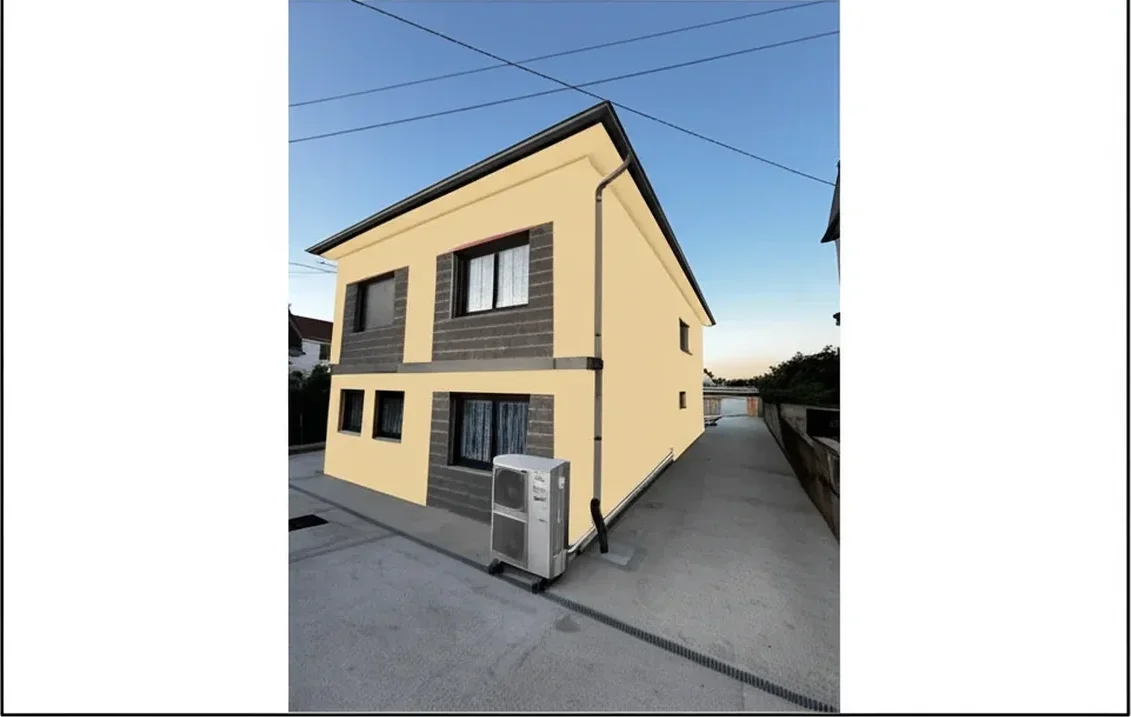
Try it on your house

The English country cottage is one of the most enduring images in British architecture: thick walls, small windows, climbing roses, and a soft painted facade in a colour that seems to grow out of the surrounding landscape. Choosing the right exterior paint colour for a UK cottage is not about following modern trends, it is about respecting hundreds of years of regional tradition while making your home feel current. This guide shares the 10 best cottage exterior paint colours for 2026, with specific Farrow and Ball, Little Greene, Dulux Weathershield, and Beeck product recommendations.
What makes a colour right for a UK cottage?
Before the colour comes the finish: a pre-1919 cottage with solid walls of lime render, cob or soft brick needs limewash or a mineral paint rather than a resin masonry paint, which conservation guidance warns traps moisture in walls that rely on evaporation. Our limewash versus masonry paint guide gives the coats, coverage and consent rules.
Three principles separate a successful cottage exterior colour from a failed one. First, the colour should be regionally appropriate. The pinks of Suffolk, the creams of the Cotswolds, the whites of the West Country, and the blues of Sussex all evolved from local pigments and traditions. Imposing a colour from one region onto a cottage in another region usually looks wrong, no matter how trendy the shade.
For full pricing, see our complete UK cost guide.
Second, the colour should be muted and chalky, not saturated. Country cottages were originally painted with limewash, which produces soft, chalky finishes that age gracefully. Modern bright colours look artificial on traditional cottage walls. The best modern paints (Farrow and Ball Limewash, Beeck Renosil) replicate this chalky quality while offering durability.
Third, the colour should complement the materials around it: stone trim, slate roof, oak beams, brick chimneys, and the climbing greenery that grows on most country cottages. A colour chosen in isolation almost always disappoints once it is on the wall.
The 10 best cottage exterior colours for 2026
1. Cotswold Cream
The classic. Farrow and Ball Wimborne White No.239 or Little Greene Ivory No.61. A warm off-white that mirrors the natural Cotswold limestone without being stark. Works on cottages from Chipping Campden to Bourton-on-the-Water and pairs beautifully with grey stone trim and a slate roof.
2. Suffolk Pink
The pink that defines the East Anglian countryside. Farrow and Ball Setting Plaster No.231 or Little Greene Hellebore No.275. This dusty rose was traditionally made by mixing pig blood, milk, and limewash. Today it is a beloved heritage colour suited to thatched cottages and rendered walls. Particularly stunning in golden hour light.
3. Sage Green
The 2024-2026 trend that has become a modern classic. Farrow and Ball Lichen No.19 or Little Greene Boxington No.84. A muted green-grey that grounds a cottage in its garden without being loud. Recommended for any cottage with mature climbing plants or surrounding hedgerows. Pair with cream trim and a black front door. Cream rather than brilliant white matters more than it sounds: against a muted sage the bright white contrast reads too stark for a country facade and makes the green look washed out instead of grounded. Our sage green house with cream windows pairing shows the finished effect on a rendered village house.
4. Devon White
The brilliant white of West Country fishermen's cottages. Beeck Maxil Plus white or Dulux Weathershield Pure Brilliant White. Crisp and uncomplicated, this works best on simple traditional cottages with minimal ornamentation, particularly along the Devon and Cornwall coasts. Use breathable formulations for cob and lime-rendered walls.
5. Slate Blue
The Sussex coastal favourite. Farrow and Ball Inchyra Blue No.289 or Little Greene Pleat No.280. A deep grey-blue that references the sea, slate roofs, and weather. Best for cottages with light stone trim and white windows. Striking in the fading evening light along the South Downs.
6. Buttermilk Yellow
A sunny but subtle yellow. Farrow and Ball Farrow's Cream No.67 or Little Greene Hammock No.42. This soft buttery shade brightens north-facing cottages without becoming garish. Particularly suited to thatched properties and cottages tucked under tree canopy. Avoid bright primary yellows which look modern and out of character.
7. Heritage Stone
A warm grey-beige inspired by aged limestone. Farrow and Ball Elephant's Breath No.229 or Little Greene Slaked Lime No.105. This versatile shade works on almost any cottage style and pairs well with cream trim, dark green doors, and natural wood beams. The best choice if you cannot decide.
8. Heritage Red
A rich earthy red. Farrow and Ball Picture Gallery Red No.42 or Little Greene Tuscan Red No.140. Best used as an accent on doors, window frames, and shutters rather than the entire facade. Pairs beautifully with cream walls or natural stone. Avoid saturated modern reds which look tacky.
9. Soft Sage Grey
For modernised cottages with contemporary touches. Farrow and Ball Pigeon No.25 or Little Greene French Grey No.113. Slightly cooler than traditional sage, this works on cottages with new extensions or modern additions. Pair with white trim and a charcoal door.
10. Limewash White
For purist heritage restoration. Farrow and Ball Limewash White or traditional St Astier NHL limewash. This is actual limewash, not a paint imitation. Highly breathable, regulates moisture in old walls, ages with character. Requires reapplication every 5-7 years but is the only option that fully respects 17th and 18th century cottages.
Regional cottage colour traditions
| Region | Traditional Colours | Best For |
|---|---|---|
| Cotswolds | Cream, stone, soft yellow | Limestone cottages |
| Suffolk and Norfolk | Pink, ochre, cream | Thatched and rendered cottages |
| Devon and Cornwall | White, light blue, sage | Coastal and cob cottages |
| Sussex and South Downs | Slate blue, navy, white | Flint and brick cottages |
| Yorkshire Dales | Stone, sage, cream | Stone-built dales cottages |
| Lake District | White, slate, sage | Slate and rendered cottages |
Try it on your house
No photo? Try a sample
Three of those six regions already list sage, which is the reason the current national favourite creates no friction on a cottage: sage tops our wider ranking of the best exterior house colours in the UK for 2026, and it has been a Dales, Lakeland and West Country colour for far longer than it has been a trend. The detail worth borrowing from that guide is the window frame: sage is pitched against a cream or off-white rather than brilliant white, because the warmth in the cream draws the yellow out of the green instead of leaving it looking washed out.
Cottage colour mistakes to avoid
- Bright modern colours, primary yellows, hot pinks, and saturated blues never work on traditional cottages
- Pure stark white, Brilliant White looks too modern and clinical. Always choose a warm off-white
- Wrong region pairing, Suffolk Pink on a Cotswold cottage looks out of place. Respect regional traditions
- Non-breathable paints on lime walls, modern acrylic masonry paints trap moisture in old cottage walls and cause damp problems
- Forgetting the trim, cottages often have stone window surrounds and door frames that need a contrasting accent
- Ignoring the front door, a black, deep green, or rich red front door is the easiest way to lift any cottage facade
Visualise these colours on your cottage
Reading about cottage colours is one thing. Seeing them on YOUR specific home is what tells you whether a shade actually works. Use our free AI house colour visualiser to upload a photo of your cottage and instantly preview Suffolk pink, sage green, slate blue, or any other heritage shade. You can test multiple options in seconds, better than the Dulux Visualiser and entirely free. Updated April 2026.
Frequently asked questions
What are the best paint colours for a UK country cottage?
The best cottage exterior paint colours in 2026 are Cotswold cream (Farrow and Ball Wimborne White), Suffolk pink (F&B Setting Plaster), sage green (F&B Lichen), Devon white, slate blue (F&B Inchyra Blue), buttermilk yellow, heritage stone, and limewash white. Match the colour to your regional tradition.
Can I paint my cottage in a modern colour?
You can, but most modern colours look out of place on traditional cottages. Bright primary colours and stark whites clash with the chalky character of old cottage walls. If you want a contemporary feel, stick to muted versions of modern colours: soft sage grey, slate blue, or warm off-white instead of true white.
What is Suffolk pink and where does it come from?
Suffolk pink is a traditional dusty rose colour used on rendered and thatched cottages across East Anglia for hundreds of years. It was originally made by mixing pig blood, milk, and limewash. Today, Farrow and Ball Setting Plaster and Little Greene Hellebore are the most accurate modern equivalents.
Should I use limewash on a historic cottage?
If your cottage has lime-rendered or cob walls, limewash is the most appropriate finish. It is highly breathable, allows moisture to escape, and ages naturally. The downside is that it needs reapplication every 5-7 years. For modern brick or rendered cottages, breathable mineral paints (Beeck, Keim) offer similar performance with longer durability.
What colour front door works best on a cottage?
Black, deep forest green, navy blue, and rich heritage red are the four most successful cottage door colours. Avoid pastels and bright modern shades. Match the door colour to your roof tone or your trim accents for the most cohesive look.
Trademarks mentioned (Sherwin-Williams, Benjamin Moore, Behr, Caparol, Brillux, Sto, Alpina, Valspar, PPG, Glidden, Dulux, Crown Trade, Sandtex, Farrow & Ball, Johnstone's, Leyland) are property of their respective owners. FacadeColorizer is independent and not affiliated with any of them. Nominative fair use under Lanham Act §1125.