
Developer & creator of FacadeColorizer · Paris
Reviewed by Hugo Dumoulin, Founder of FacadeColorizer · Updated 2026-03-25
Looking for a painter and decorator in Newcastle? With a population of around 302,000, Newcastle upon Tyne combines grand Georgian architecture in Grainger Town with row upon row of iconic Tyneside flats, Victorian terraces, and modern waterfront developments along the Quayside. Whether you need an interior refresh, a full exterior repaint, or specialist work on a listed Georgian townhouse, this guide covers the real 2026 costs, planning rules, and practical advice for hiring a decorator in Newcastle.
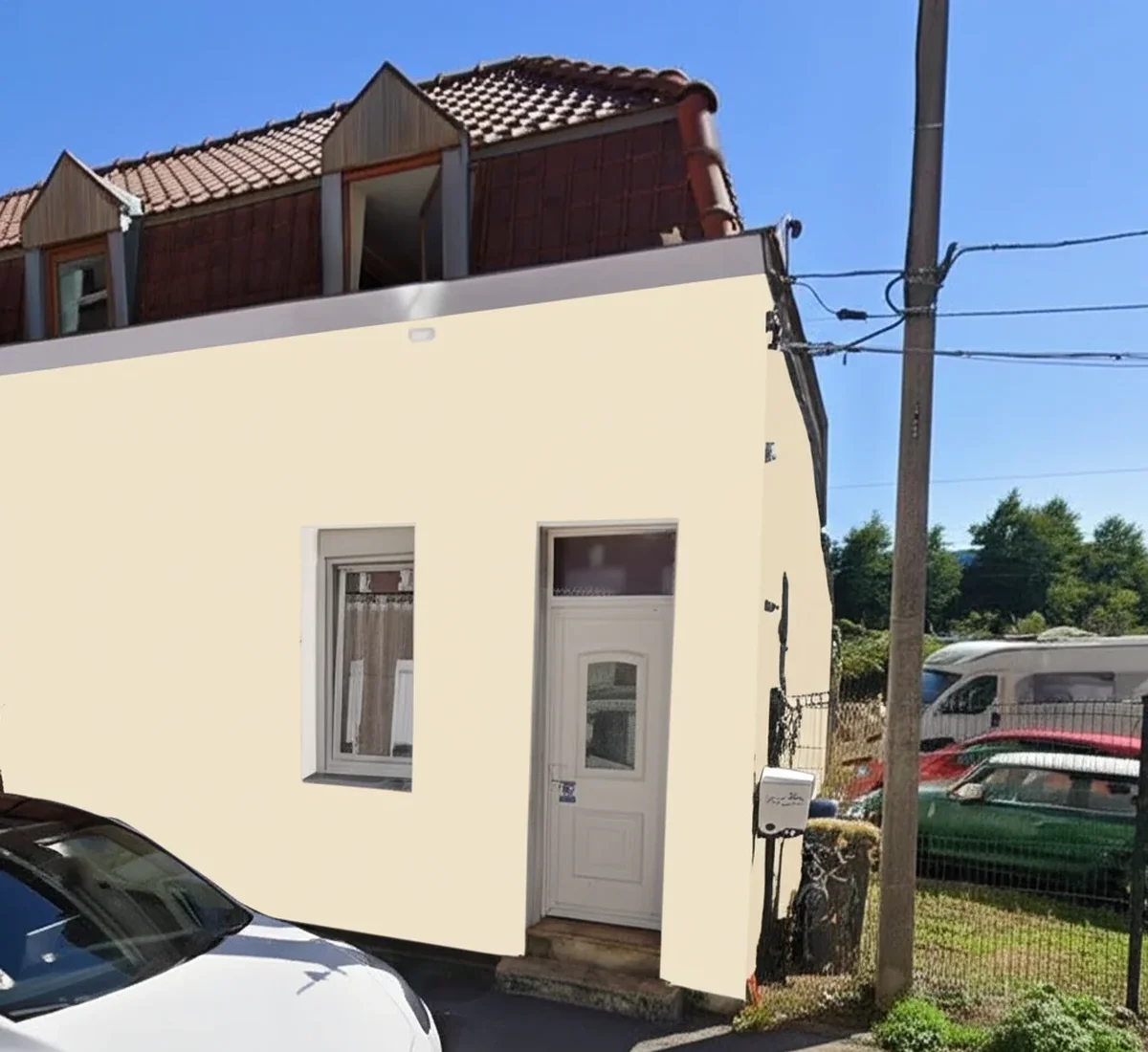
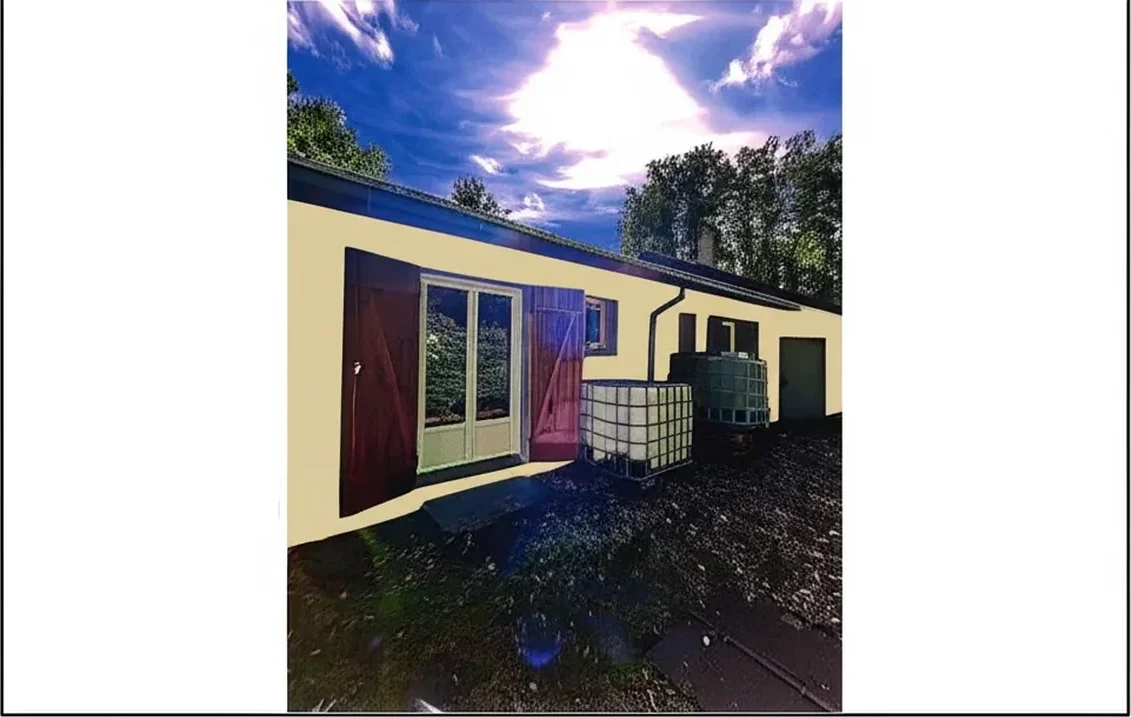
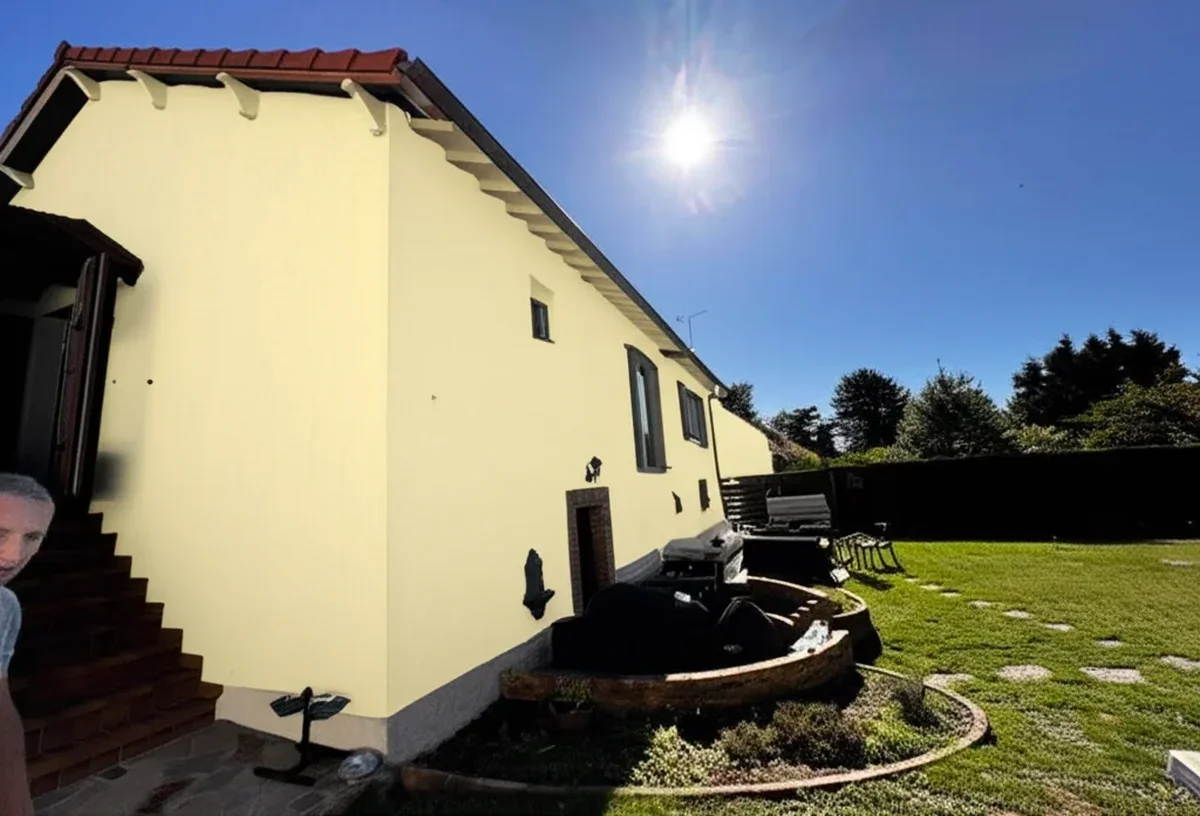
Before you commit to a colour, try our free AI house colour visualiser to see exactly how your property will look, no sample pots, no ladders, no commitment.
This guide covers the full painter and decorator service, interior rooms plus exterior masonry, render and sash windows across Newcastle. Only need indoor work (wallpapering, accent walls, room decoration)? See our dedicated interior decorator Newcastle 2026 guide for room-by-room pricing.
For full pricing, see our complete UK cost guide.
How Much Does a Painter and Decorator Cost in Newcastle?
Newcastle decorator rates are competitive compared to the national average, offering good value for the quality of work available. Day rates sit between £150 and £240, with hourly rates of £20–£38 depending on experience and the area of the city. The average painting project in Newcastle comes in at around £730, with most homeowners paying between £390 and £1,300. Here is a full breakdown for 2026:
| Service | Newcastle Price | National Average |
|---|---|---|
| Day rate (painter & decorator) | £150 – £240 | £180 – £250 |
| Hourly rate | £20 – £38 | £25 – £40 |
| Single room (walls & ceiling) | £340 – £460 | £380 – £500 |
| Tyneside flat interior (full repaint) | £380 – £500 | N/A |
| Exterior rendering (per m²) | £48 – £70 | £50 – £75 |
| Full exterior, 3-bed terrace | £650 – £1,100 | £800 – £1,200 |
| Average project cost | £730 (£390 – £1,300) | £800 (£450 – £1,500) |
Newcastle Tip
Rates vary across the city. Decorators working in Jesmond, Gosforth, and Ponteland typically charge 10–20% more than those in Byker, Walker, or Benwell. For the best value, obtain at least three quotes from decorators based near your property.
Tyneside Flats: Newcastle's Unique Property Type
The Tyneside flat is a housing type almost unique to Newcastle and the surrounding Tyne and Wear area. Built from the 1860s through to the 1930s, these are pairs of single-storey flats stacked one above the other, each with its own front door, they look like terraced houses from the outside but contain two separate dwellings. Tyneside flats present distinct decorating challenges:
- Shared exterior maintenance: the exterior of a Tyneside flat is typically the joint responsibility of both the upper and lower flat owners. Coordinating an exterior repaint or rendering project requires agreement (and cost-sharing) between neighbours.
- Layout considerations: Tyneside flats have long, narrow layouts with high ceilings. Interior repainting a typical two-bedroom Tyneside flat costs £380–£500, reflecting the larger wall areas created by high ceilings compared to modern flats.
- Period features: many Tyneside flats retain original ceiling roses, cornicing, picture rails, and timber panelled doors. Skilled decorators charge extra for detailed preparation and cutting-in around these features.
- Bay windows: prominent bay windows on the front elevation are a Tyneside flat hallmark. External painting of a bay window including preparation and gloss costs £120–£200.
Georgian Architecture and Conservation Areas in Newcastle
Newcastle boasts one of the finest collections of Georgian and early Victorian architecture in England. Grainger Town, designed by Richard Grainger and architect John Dobson in the 1830s, is a Grade I listed streetscape of classical stone buildings. The city has 25+ conservation areas, and understanding the rules before painting is essential:
- Standard property: no planning permission is needed for painting or repainting your home, including changing the colour. This is classed as permitted development.
- Conservation areas: Newcastle's 25+ conservation areas include Grainger Town, Jesmond, Summerhill, Brandling Village, and Heaton Park. You do not need planning permission to repaint, but you do need permission for cladding, exterior rendering, or any alteration that materially changes the external appearance.
- Listed buildings: Newcastle has a large number of Grade I and Grade II listed buildings, concentrated in Grainger Town and along the Quayside. Any exterior alteration, including repainting, requires Listed Building Consent from Newcastle City Council.
- Article 4 Directions: several conservation areas in Newcastle have Article 4 Directions that remove permitted development rights. Always check with Newcastle City Council's planning department before starting exterior work.
Key advice: if your property is in a conservation area or is a listed building, contact Newcastle City Council's planning team before commencing any exterior work. Fines for unauthorised alterations to listed buildings can be substantial.
Rendering Options and Damp Solutions for Newcastle Properties
Newcastle's cold, humid climate, with driving rain off the North Sea and cold northerly winds, makes the right render system and damp management critical. Here are the main options and their cost per m²:
- Cement render (sand and cement): the traditional choice at £35–£60/m². Applied as a scratch coat followed by a top coat, then painted with masonry paint such as Dulux Trade Weathershield or Sandtex. Requires repainting every 5–8 years. Render crack from freeze-thaw cycles is a common problem in Newcastle's cold winters.
- Silicone render: a premium option at £75–£115/m². K Rend silicone systems are increasingly popular across the North East for their self-cleaning, breathable render properties and excellent frost resistance. Weber also supplies high-quality silicone renders. These are self-coloured render products that never need repainting, ideal for Newcastle's harsh weather.
- Monocouche render: a single-coat system at £55–£85/m². K Rend and Weber monocouche products use a bellcast bead at the base and stop bead at edges, with render mesh embedded for crack prevention.
- Polymer render: a flexible, crack-resistant option at £65–£105/m². Ideal for properties with movement or settlement.
- Lime render with lime mortar: essential for Georgian townhouses and conservation area properties. Fully breathable render at £55–£75/m², allowing moisture to escape from older stone walls without trapping damp.
- Pebble dash and roughcast: common on inter-war and post-war Newcastle semis. Can be overpainted with masonry paint or replaced with modern silicone render.
Damp is a major concern in Newcastle. The combination of cold temperatures and high humidity creates ideal conditions for both rising damp and penetrating damp, particularly in older Tyneside flats and Georgian properties. A professional property survey or condition report should be carried out before any rendering or painting work begins. Always use breathable render and masonry paint on older stone and brick properties.
For scaffold access on two-storey properties, budget £600–£1,500. An access tower is a cheaper alternative for single-storey work at £80–£200 per week.
Best Season to Paint in Newcastle
Newcastle's north-eastern location gives it a cold, humid climate that creates a tighter window for exterior painting than many English cities:
- Best months: May to September. Temperatures sit between 9°C and 19°C, adequate for paint adhesion and curing, though cooler than southern cities. June and July offer the best conditions.
- Rainfall: Newcastle receives roughly 620 mm of rain per year, lower than western cities like Glasgow or Manchester, but cold north-east winds and coastal humidity increase drying times significantly.
- Frost risk: Newcastle averages 50–60 frost days per year. Exterior paint should never be applied below 5°C, ruling out November through March for most outdoor work.
- Exterior paint longevity: on masonry surfaces, expect exterior paint to last 5–9 years in Newcastle. North and east-facing walls are most exposed to cold sea breezes and may need recoating sooner.
- Interior work: can be carried out year-round. Many Newcastle decorators offer reduced rates for interior work during the quieter winter months.
Choosing a Decorator in Newcastle
Newcastle has a strong pool of painters and decorators. Here is how to find the right one for your project:
- Check Checkatrade or MyBuilder: look for decorators with 25+ reviews and a rating of 4.5 or above. Local recommendations from neighbours are equally valuable.
- Verify experience with your property type: a decorator experienced with Tyneside flats and Georgian townhouses approaches the job differently from one used to modern plasterboard. Ask for examples of similar work.
- Request itemised quotes: preparation, number of coats, paint brand (Dulux Trade, Farrow & Ball, or Crown), and any scaffold costs should all be listed separately.
- Insurance: confirm public liability insurance of at least £2 million. This is non-negotiable.
- Paint quality matters: insist on trade-grade paint. Dulux Trade and Crown Trade are reliable workhorses, while Farrow & Ball is ideal for Georgian period properties. For exterior rendering, K Rend and Weber silicone systems offer the best protection against Newcastle's harsh weather.
- PDA membership: Painting & Decorating Association members adhere to professional standards and carry appropriate insurance.
Energy Efficiency Grants and Standards
Adding EWI (External Wall Insulation) as part of a rendering project can significantly improve your home's EPC rating, particularly valuable in Newcastle's cold climate where heating costs are above the national average. The Green Homes Grant successor schemes and the ECO scheme (ECO4) may cover part of the cost for qualifying households. All insulation and colour work should comply with BS 4800 standards where specified.
Understanding Your Exterior Surface Before Painting
Before booking a painter and decorator, it is essential to understand your property's exterior surface. Many UK homes feature pebble dash or roughcast finishes, which require specialist preparation. If your walls have polymer render, self-coloured render, or traditional cement render with a bellcast bead and stop bead at the edges, the paint system must be compatible with these substrates. A condition report from a surveyor can identify any render crack, rising damp, or areas where render mesh has failed beneath the scratch coat and top coat.
For properties with breathable render or lime mortar joints, choose masonry paint that allows moisture vapour to escape, Dulux Trade Weathershield, Sandtex 365, Crown Smooth Masonry, and Farrow & Ball Exterior Masonry are all excellent options conforming to BS 4800 colour standards. If exterior rendering repairs are needed first, expect to pay an additional cost per m² of £40–£80 depending on whether you choose silicone render, monocouche render, or sand and cement render. Accessing upper floors typically requires scaffold or an access tower, adding £500–£1,500 to the total project cost. Properties with an EPC rating of D or below may also qualify for the ECO scheme or Green Homes Grant towards EWI (External Wall Insulation), combining insulation with repainting can deliver significant savings. Always request a property survey and check frost resistance ratings if work extends into autumn, as K Rend and Weber products have specific temperature requirements.
Visualise Your Newcastle Property Before Painting
Whether you are refreshing a Tyneside flat in Heaton, updating a Georgian townhouse in Jesmond, or modernising a detached home in Gosforth, choosing the right colour makes all the difference. FacadeColorizer lets you upload a photo of your property and test any colour in seconds, try Dulux's Polished Pebble, Farrow & Ball's Cornforth White, or Crown's Sail White and see the result instantly. It is completely free, with no sign-up required.
Frequently asked questions
How much does a painter and decorator cost in Newcastle?
Do I need planning permission to paint my house in Newcastle?
What is a Tyneside flat and how does it affect decorating costs?
When is the best time to paint the outside of a house in Newcastle?
Trademarks mentioned (Sherwin-Williams, Benjamin Moore, Behr, Caparol, Brillux, Sto, Alpina, Valspar, PPG, Glidden, Dulux, Crown Trade, Sandtex, Farrow & Ball, Johnstone's, Leyland) are property of their respective owners. FacadeColorizer is independent and not affiliated with any of them. Nominative fair use under Lanham Act §1125.