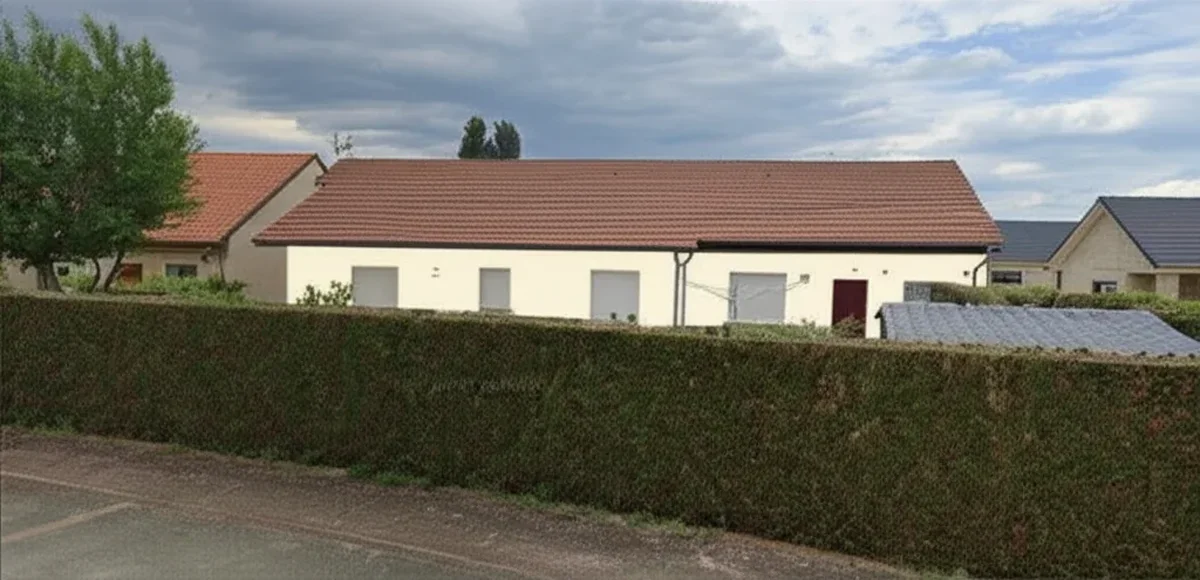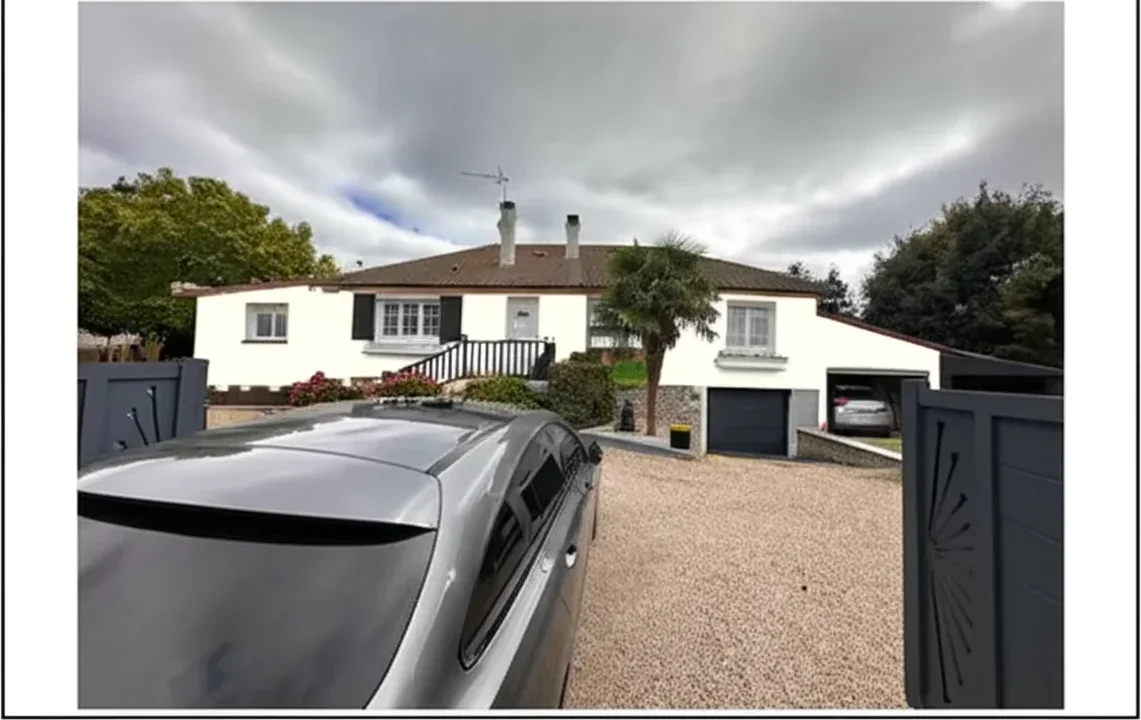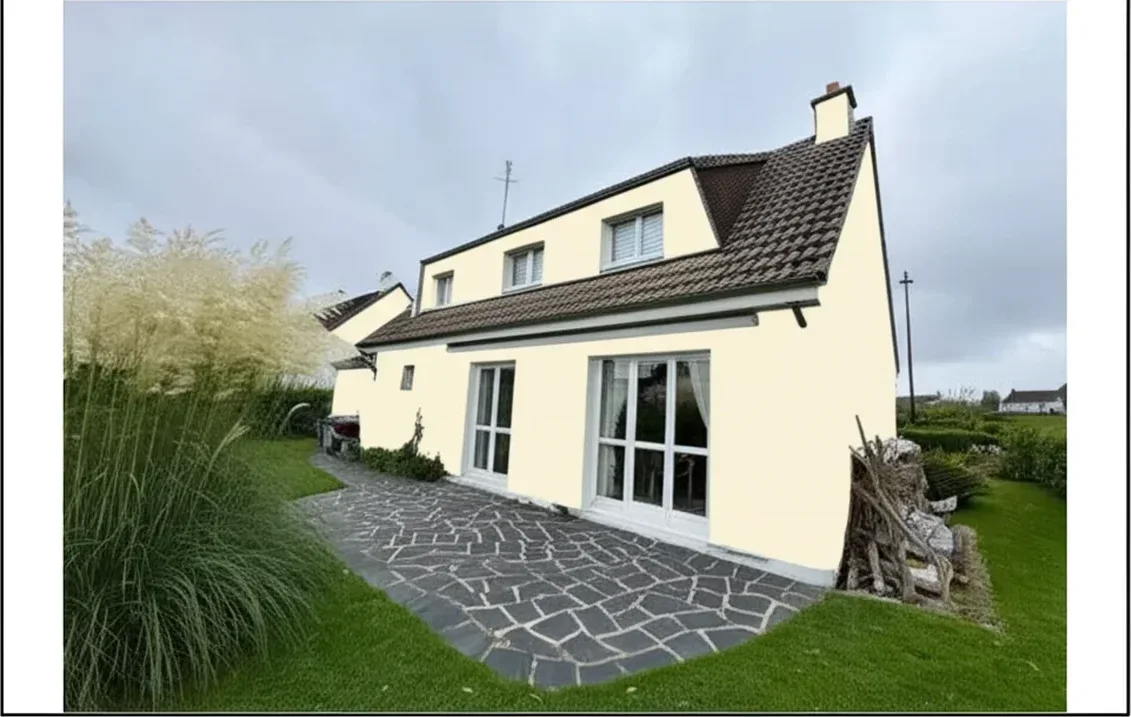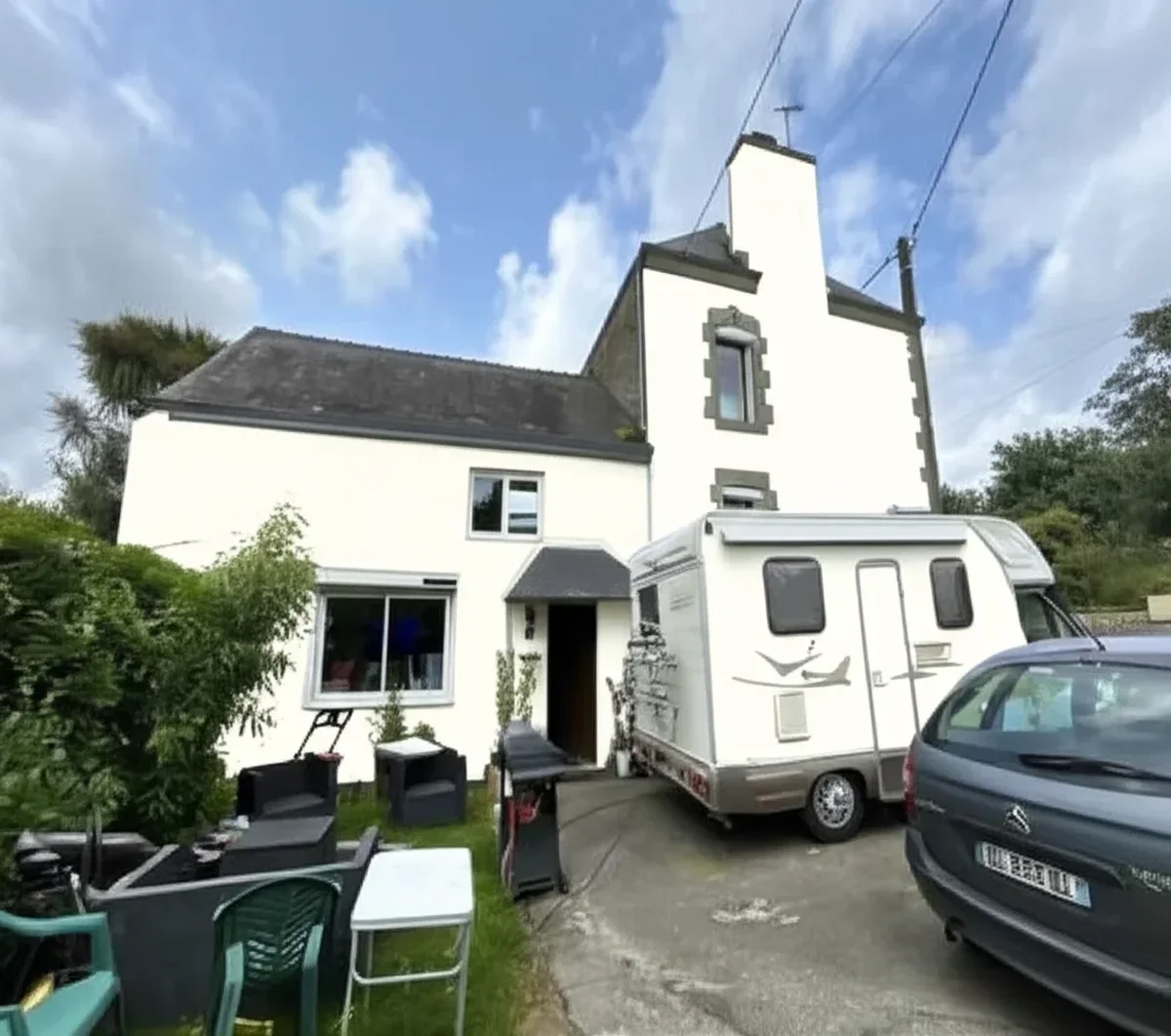
York is one of England's most historically sensitive cities — with 35 conservation areas, over 2,000 listed buildings, and strict heritage controls enforced by City of York Council. Rendering a property here demands careful material selection, specialist skills, and often planning permission. In 2026, York homeowners can expect to pay £55–£80 per m² for exterior rendering, reflecting the higher material specs and specialist labour required.
This guide covers real 2026 rendering costs for York, explains which systems satisfy heritage officers, and details the planning permission process. Before committing to a colour, try our free AI colour visualiser to preview any render shade on your York home — no samples needed.
Rendering Costs per m² in York
York sits in North Yorkshire, where renderer day rates are £180–£240. Heritage work commands a premium — specialist lime render applicators charge £220–£280 per day. Here are 2026 installed prices including materials, labour, and scaffold hire:
| Render Type | Cost per m² (Installed) | Lifespan | Heritage Suitability |
|---|---|---|---|
| Traditional sand and cement | £55 – £65 | 20–30 years | Poor — rarely approved in conservation areas |
| Monocouche (K Rend / Weber) | £60 – £75 | 25–35 years | Moderate — acceptable outside heritage zones |
| Silicone render | £68 – £80 | 30–40 years | Good — low maintenance, modern aesthetic |
| Lime render (heritage) | £65 – £80 | 50+ years | Excellent — required on listed buildings |
| EWI system (insulated) | £100 – £155 | 25–35 years | Restricted — rarely approved in conservation areas |
Total Project Costs for York Properties
These figures include scaffold hire (£700–£2,400 in York — premium due to narrow streets and restricted access in the historic centre), materials, and labour:
| Property | Approx. Wall Area | Cost Range | Duration |
|---|---|---|---|
| 2-bed Victorian terrace | ~50–80 m² | £2,750 – £5,600 | 3–5 days |
| 3-bed semi-detached | ~80–120 m² | £4,400 – £8,800 | 5–9 days |
| 4-bed detached | ~150–280 m² | £8,250 – £18,000+ | 8–14 days |
Expert tip
York's 35 conservation areas cover a huge portion of the city. Even properties that are not individually listed may be subject to strict heritage controls. Always contact City of York Council's conservation team before planning any rendering work. Using the wrong material — such as cement render on a historic building — can result in enforcement action and a requirement to remove the render at your expense.
Lime Render: The Heritage Standard for York
Lime render with lime mortar is the gold standard for York's historic properties. It is a fully breathable render that allows moisture to pass through solid walls — essential for the timber-framed, stone, and brick buildings that characterise the city. Conservation officers almost always require lime render on listed buildings and within conservation areas.
Applying lime render requires specialist skills. The scratch coat is applied and scored, followed by one or two finishing coats. Unlike modern cement render, lime must cure slowly — it cannot be applied in freezing conditions or extreme heat. Expect projects to take 25–30% longer than equivalent monocouche render jobs. Finishing options include limewash, masonry paint from heritage-approved ranges, or Farrow & Ball Exterior shades.
Cement render is actively discouraged on York's older buildings. It is impermeable, trapping moisture and causing damp, rising damp, and accelerated decay in the underlying masonry. If your property already has failing cement render, a condition report will likely recommend removal and replacement with lime render.
Modern Render Options Outside Heritage Zones
For York properties outside conservation areas — including newer estates in Huntington, Clifton Moor, and Haxby — modern render systems are available:
- Silicone render — premium, hydrophobic, self-cleaning; ideal for York's wet winters and excellent frost resistance
- Monocouche render from K Rend or Weber — self-coloured render applied with render mesh, bellcast bead, and stop bead profiles
- Polymer render — flexible, crack-resistant, suitable for substrates with slight movement
- Traditional sand and cement finished with Dulux Trade Weathershield, Crown Trade, or Sandtex masonry paint
The application process for modern systems follows standard practice: render mesh is embedded, bellcast bead creates a clean drip edge, and stop bead sections define edges. For pebble dash or roughcast properties, over-rendering with silicone render is possible if the existing surface is sound — confirm with a condition report.
Planning Permission and Strict Heritage Rules
York's strict heritage controls mean rendering is more regulated here than in most English cities. Key rules:
- York has 35 conservation areas — any change to external appearance within these zones requires planning permission from City of York Council
- Listed building consent is mandatory for all external alterations to Grade I, II*, or II properties — and York has over 2,000 of them
- Conservation officers typically require lime render and lime mortar on historic buildings — cement render, monocouche render, and silicone render are usually rejected
- Colour palettes are strictly controlled — expect to use BS 4800 heritage shades or approved Farrow & Ball colours
- EWI systems are rarely permitted in conservation areas as they alter the building's profile and proportions
- Unauthorised rendering can result in enforcement notices and a requirement to remove the render — an expensive mistake
Damp, Defects, and Pre-Rendering Surveys
York's riverside location and high water table increase damp risk, particularly in areas near the Ouse and Foss. Before any rendering project, commission a property survey:
- Rising damp — especially common near the rivers; must be resolved before rendering; breathable render is essential
- Existing cement render on older buildings — often the cause of trapped moisture and damp; removal is usually recommended
- Render crack in existing finishes — widespread cracking means debonding and full replacement
- Frost resistance — York's cold winters demand render systems rated for repeated freeze-thaw; silicone render and polymer render perform best
- Timber-frame condition — some York buildings have medieval timber frames that require specialist assessment
EWI, EPC Ratings, and Grants
EWI is an option for York properties outside conservation areas. Combining exterior rendering with insulation can boost your EPC rating by one or two bands. The ECO scheme (ECO4) and Great British Insulation Scheme fund qualifying households. However, heritage restrictions mean that many York properties cannot use EWI — internal wall insulation may be the alternative. Scaffold and access tower costs in York's narrow streets tend to be higher than average. All work must comply with Building Regulations, and colour specifications reference BS 4800 standards. A post-completion condition report is essential.
Getting the Best Quote in York
To get the best value for your York rendering project:
- Get 3–5 written quotes — for heritage work, choose renderers with documented lime render experience
- Check conservation area status first — contact City of York Council before getting quotes to understand what is permitted
- Book in late spring or early autumn — lime render cannot be applied in freezing weather, so winter work is limited
- For modern properties, choose silicone render for maximum frost resistance and longevity
- Check ECO scheme and Green Homes Grant successor funding for properties eligible for EWI
- Use Farrow & Ball, Dulux Trade, or Crown heritage ranges for approved colour matching
In a city with strict heritage controls, getting the colour right is even more critical — a rejected shade could delay your project by months. Upload a photo of your York home to FacadeColorizer and preview any render colour in seconds — free, instant, and far more reliable than a paint swatch against centuries-old stone.