Charcoal House with White Trim
A dark charcoal exterior with bright white trim is the inversion of the traditional American color scheme - and that's precisely its power. By flipping the light-dark ratio, this combination turns hea...
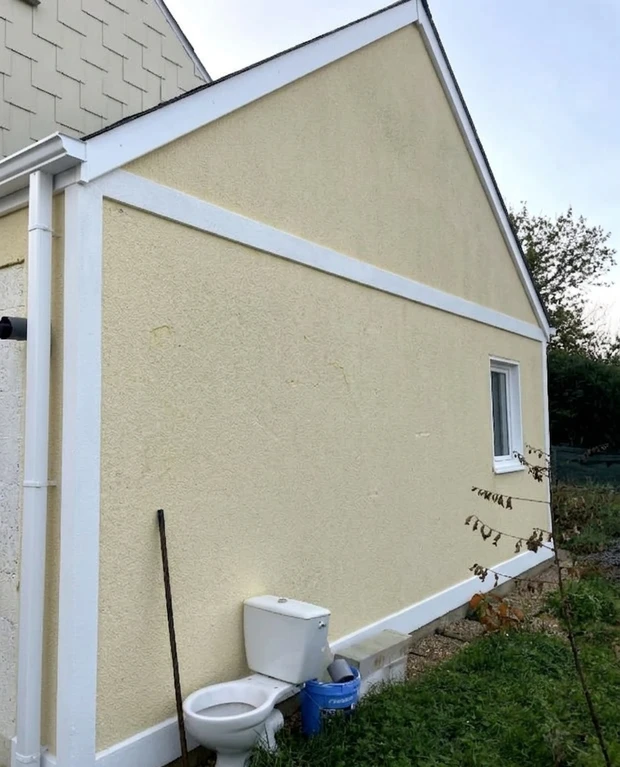
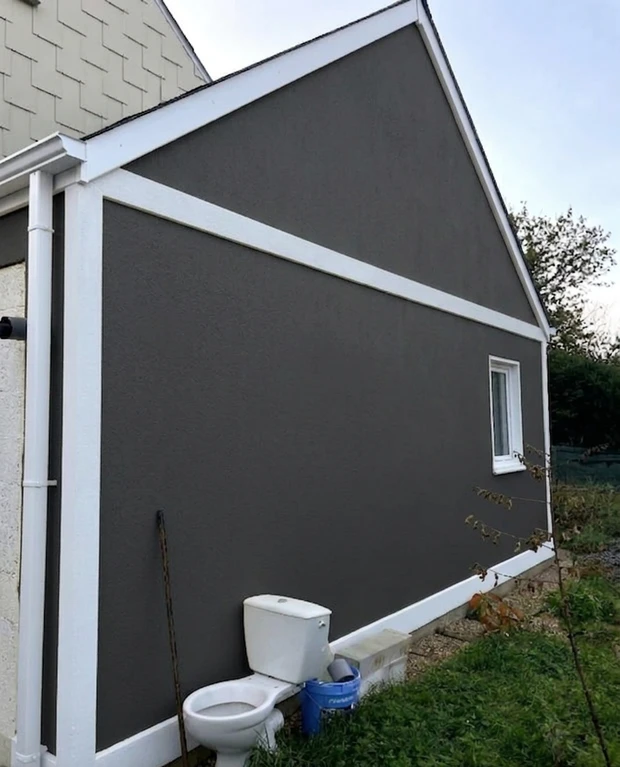
Try it on your house
No photo? Try a sample
Or see this palette on your own house in the exterior paint visualizer.
Understanding This Color Harmony
A dark charcoal exterior with bright white trim is the inversion of the traditional American color scheme - and that's precisely its power. By flipping the light-dark ratio, this combination turns heads on any street. The charcoal body absorbs light, giving the home a commanding, sculptural presence that shifts from deep blue-black in shadow to warm graphite in afternoon sun. White trim carves out windows and rooflines with surgical precision, turning architectural bones into decorative features. This scheme has exploded in popularity alongside the modern farmhouse and Scandinavian-inspired housing trends of the 2020s. It reads as intentional, design-forward, and confident - qualities that resonate with younger homebuyers willing to break from beige-dominated neighborhoods. Practically, charcoal siding in fiber cement or engineered wood holds its color better than lighter hues because fading is less perceptible against a dark base.
Technical Color Details
| Property | Facade | Trim |
|---|---|---|
| Color Name | Dark Charcoal | Bright White |
| Element | Walls / Facade | Trim |
| Style | Modern | |
Colour Technical Profile
Dark Charcoal reads as being among the neutral tones with very low saturation, close to the RAL reference RAL 7021. US exterior lines such as Sherwin-Williams Duration, Benjamin Moore Aura Exterior, Behr Marquee carry close matches across their 100% acrylic and elastomeric ranges; ask your paint store for a computer-tinted match to this colour.
The Light Reflectance Value (LRV) calculates to 20.0 using the WCAG relative-luminance formula (0.2126·R + 0.7152·G + 0.0722·B). LRV drives two practical outcomes for any exterior: how much solar heat the walls absorb, and whether the colour is compatible with exterior insulation finish systems (EIFS in the US, external wall insulation in the UK). At LRV 20.0 you are in the safe range for most cladding and EIFS assemblies, but still absorbing enough solar load that UV-stable pigments and a quality 100% acrylic binder are essential to prevent premature chalking.
The mathematical complement (180° across the hue wheel) lands on a pale cyan - best reserved for a small accent such as a door or mailbox rather than the main field. The existing accent of Bright White sits at a controlled contrast ratio that grounds the composition without breaking it up.
Expert Tips
Dark exteriors absorb significant solar heat. Choose siding rated for dark-color application (fiber cement, engineered wood, or dark-approved vinyl). Pair with bright white Azek or PVC trim for zero-maintenance contrast. Add warm-toned landscape lighting to prevent the house from disappearing after dark.
Common Mistakes to Avoid
Don't paint standard vinyl siding charcoal - the heat absorption can cause warping. Avoid using pure white grout or mortar on a charcoal brick facade, as it reads as unfinished rather than deliberate. Skip flat-finish charcoal, which shows every handprint and pollen stain; eggshell or satin provides the same modern look with far better washability.
Ideal Home Styles
Where This Combination Works Best
Architectural Match
The Modern style is tailored to the following home types: Modern farmhouse, Scandinavian style, A-frame, urban infill, new construction. On contemporary and transitional suburban homes this combination stays current without locking the house into a single aesthetic era.
Climate & Orientation
With an LRV of 20.0, this is a dark exterior colour. On south- and west-facing elevations surface temperatures can exceed 160°F, which most EIFS and some vinyl-siding warranties explicitly exclude. Reserve for north and east exposures, or specify infrared-reflective (IR) paint technology (such as Sherwin-Williams SunBlock or Benjamin Moore Element Guard) to cut absorbed heat and prevent substrate damage.
Urban & Regulatory Context
Before painting, check your HOA covenants - an estimated 60% of new US homes are governed by HOA rules, and many require Architectural Review Board (ARB) approval for exterior colour changes, with approved palettes limited to 15-30 pre-selected swatches. In designated historic districts, a Certificate of Appropriateness from the local preservation commission is often required in addition. This modern palette is broadly consistent with neighbourhood-friendly suburban expectations, but always submit paint chips and a written description to your HOA before ordering materials - retroactive enforcement can require repainting at the homeowner's expense.
When to Avoid This Pairing
On a strongly south- or west-facing wall, this dark tone (LRV 20.0) absorbs heat: most exterior insulation systems (EIFS / external wall insulation) require an LRV above 20, so avoid it on large insulated elevations without a cool-pigment paint. Finally, avoid this crisp, pared-back look on a heavily ornamented period home (mouldings, corbels, dressed stone), where it fights the existing detail.
Frequently Asked Questions
What colors are used in this combination?
This combination pairs Dark Charcoal (RAL 7021) on the walls with Bright White on the trim. The style is Modern.
What style of home suits this combination?
This color scheme is ideal for: Modern farmhouse, Scandinavian style, A-frame, urban infill, new construction.
How can I test this combination on my home?
Upload a photo of your facade to FacadeColorizer and apply these exact colors using our AI-powered simulator. It takes less than 30 seconds and is free to try.
What is the RAL reference for these colors?
The facade color Dark Charcoal has the reference RAL 7021.
You Might Also Like
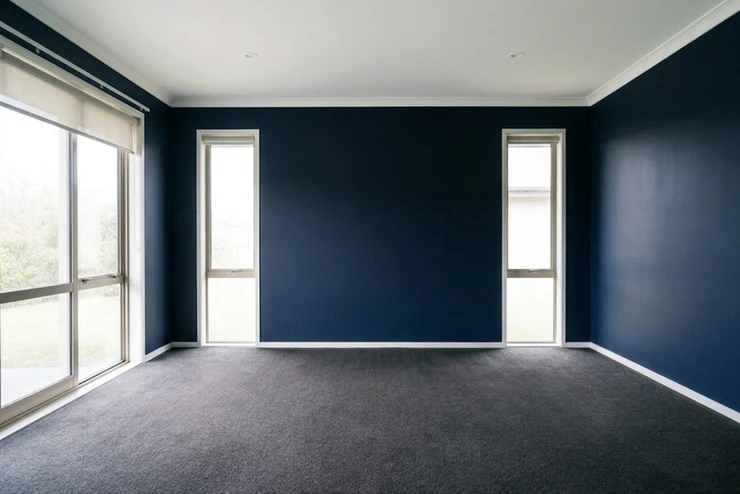
Navy Blue Bedroom with White Trim and Ceiling
Naval Navy + Pure White
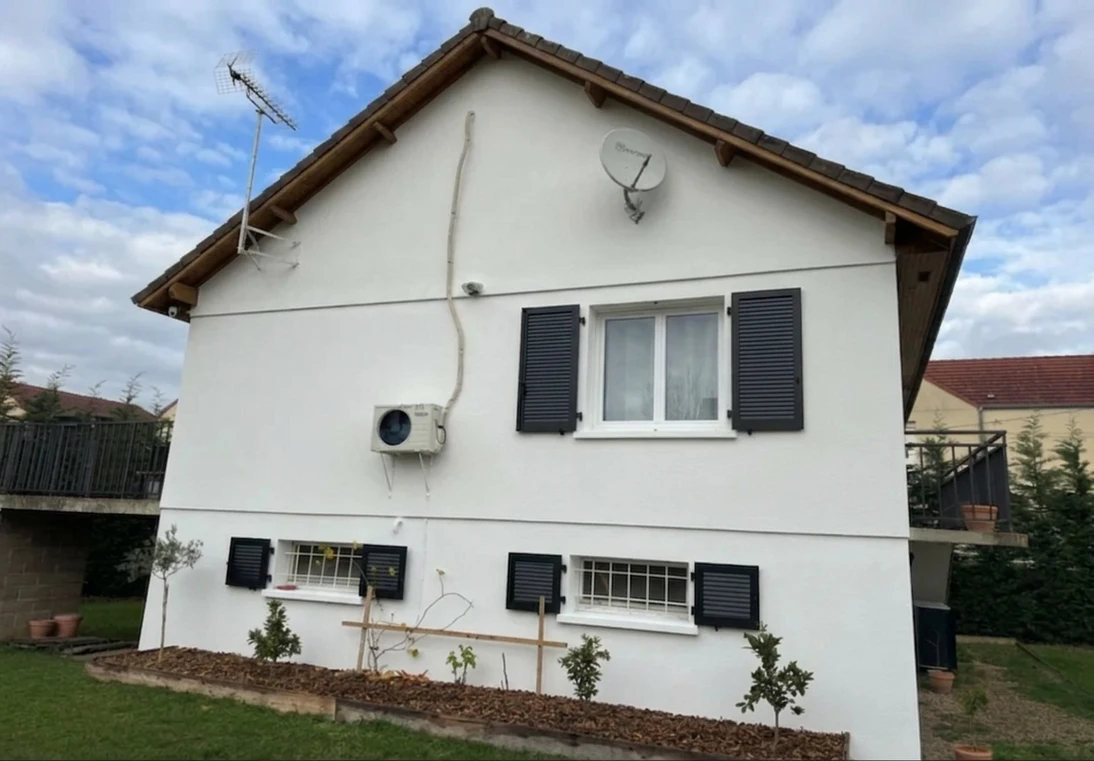
White House with Black Shutters
Classic White + Jet Black
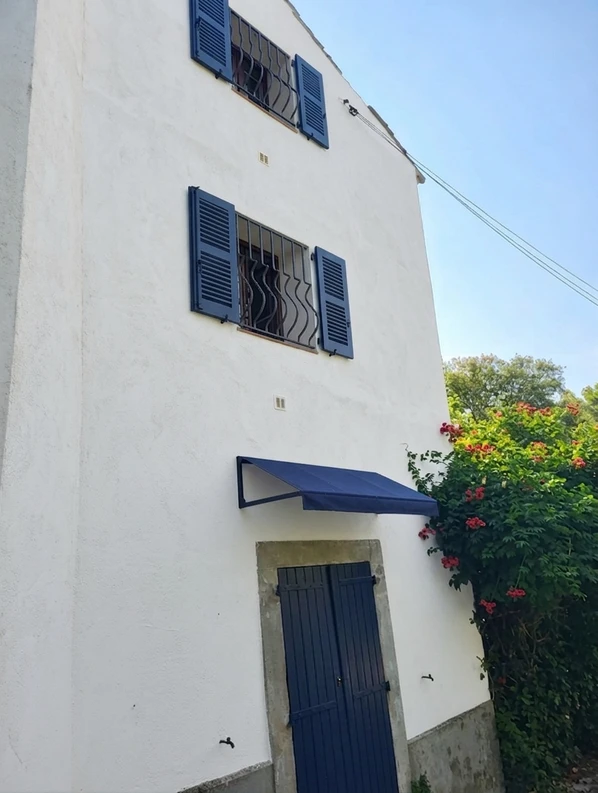
White House with Navy Blue Shutters
Bright White + Navy Blue
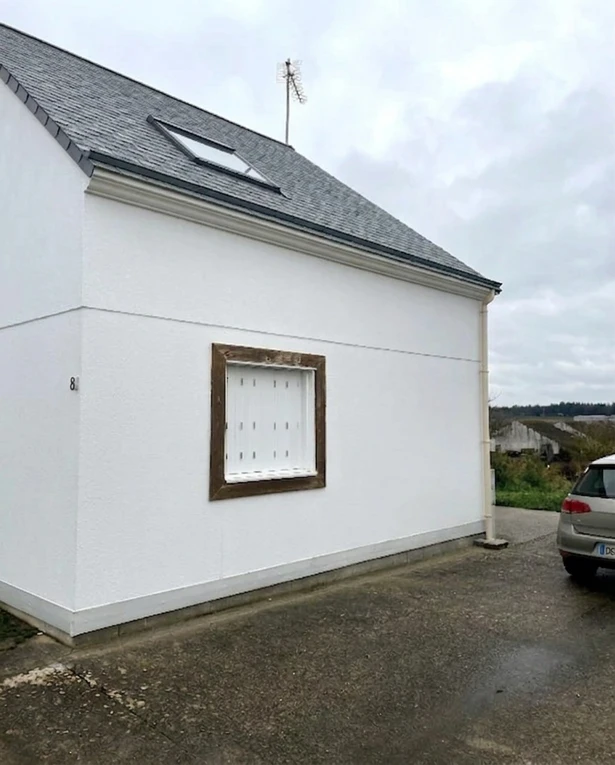
White House with Gray Roof
Bright White + Weathered Gray
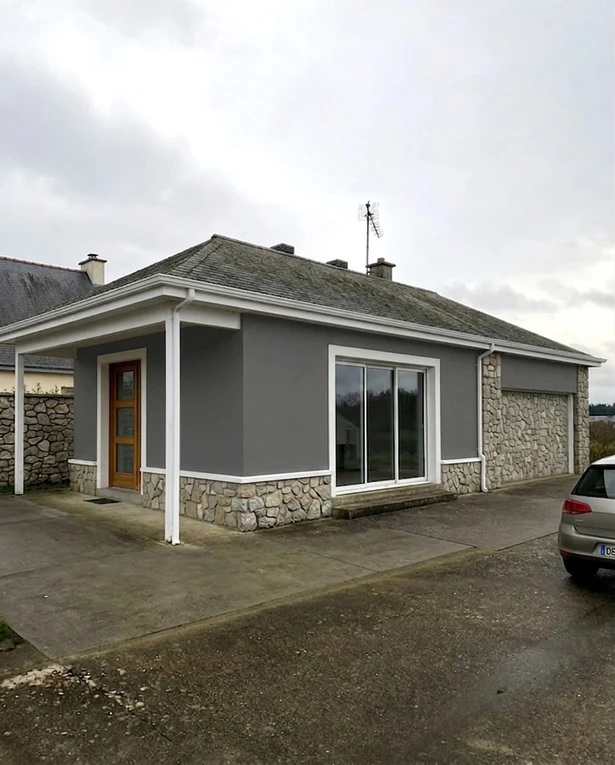
Deep Gray Ranch Exterior with White Trim and Natural Stone
Gauntlet Gray + Pure White + Fieldstone
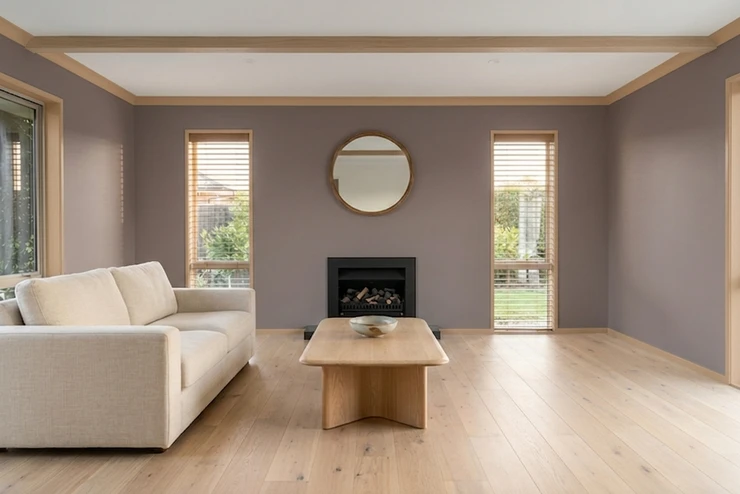
Cinnamon Slate Family Room Paint Color 2026 with Natural Oak Built-Ins
Cinnamon Slate + Natural Oak
Ready to See This Combination on Your Home?
Upload a photo of your facade and apply Dark Charcoal + Bright White in seconds with our AI simulator.
Try the Free SimulatorNo sign-up required • 1 HD sim + 3 variations free