If you are a painter and decorator in the UK who regularly finishes jobs and wonders where the profit margin went, the problem almost certainly lives inside your quotation. Under- quoting is the single biggest drain on earnings for trade decorators — and it is entirely preventable. The difference between a thriving decorating business and one that merely survives often comes down to how accurately you calculate labour, materials, preparation and contingency before you hand over a price. This guide gives you a step-by-step framework for building bulletproof quotes, whether you handle residential decorating, commercial decorating or specialist period property work across a conservation area or listed building. For a broader look at pricing models and day rates, see our decorator pricing strategy guide.
Why UK Decorators Undercharge — and Why It Matters
A 2026 Checkatrade survey found that nearly 40 % of self-employed tradespeople have completed at least one job in the past year where they made little or no profit. For painters and decorators, the most common culprits are:
- Under-estimating preparation time — stripping woodwork, repairing skirting boards or applying a mist coat to bare plaster can double the hours on site.
- Ignoring access difficulties — high ceilings, coving, dado rails and narrow stairwells slow you down and may require specialist scaffold or an access tower.
- Absorbing material costs — purchasing premium Dulux Trade, Farrow and Ball, Crown or Little Greene without a proper mark-up erodes margin instantly.
- Verbal-only agreements — a spoken price leads to scope creep and disputes. Always provide a written quotation.
The knock-on effects are serious: lower ROI on every project, unsustainable business growth, and eventually burnout. Getting your quoting process right is the single most effective way to protect your profit margin and build a competitive advantage in a crowded market.
The Site Survey: What to Measure Before You Quote
Every accurate quotation begins with a thorough site visit. A decorator who quotes from photographs alone is guessing — and guessing almost always means undercharging. During your survey, record the following for each room or exterior painting elevation:
- Total wall and ceiling area in m².
- Linear metres of woodwork: skirting boards, dado rails, architraves, door painting, window frames.
- Surface condition: existing paint type, bare plaster, lining paper, wallpaper, cracks, damp stains or render cracks on exteriors.
- Access factors: ceiling height, stairwells, scaffold or access tower requirements for exterior painting.
- Client preferences: brand (Dulux Trade, Crown, Farrow and Ball, Little Greene), finish (emulsion paint, eggshell, satinwood, gloss), colour scheme and any feature wall or wallpaper hanging requirements.
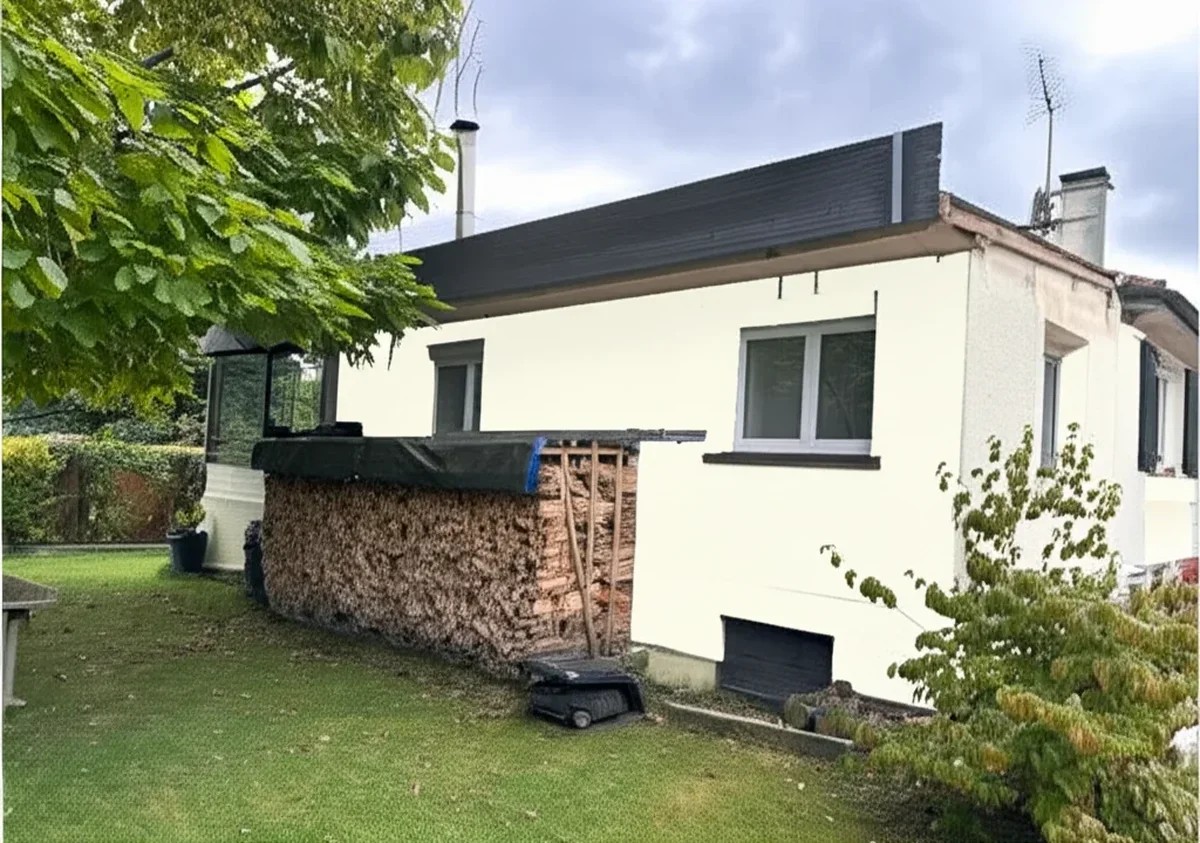
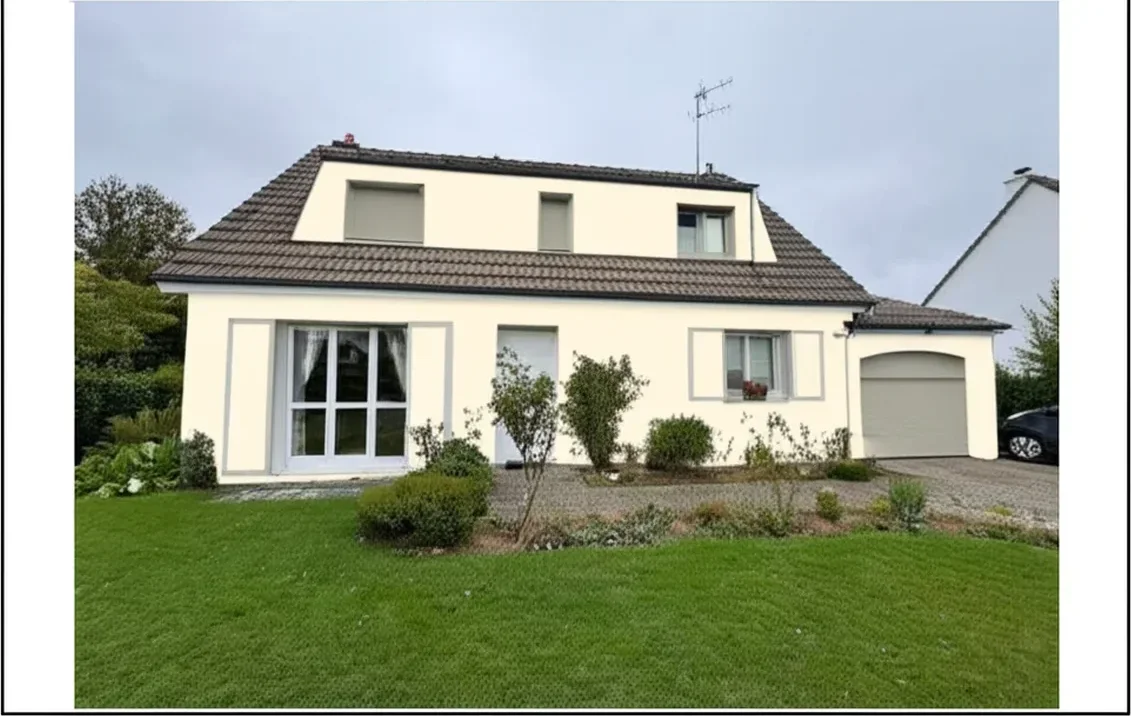
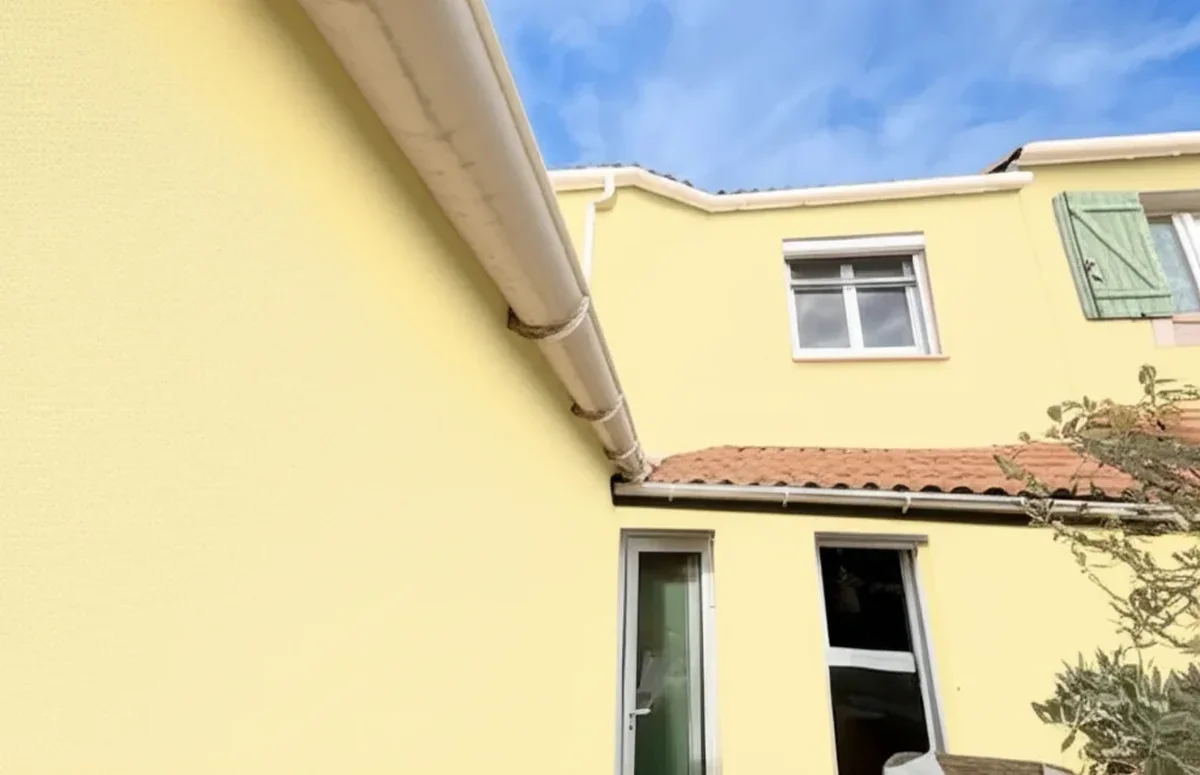
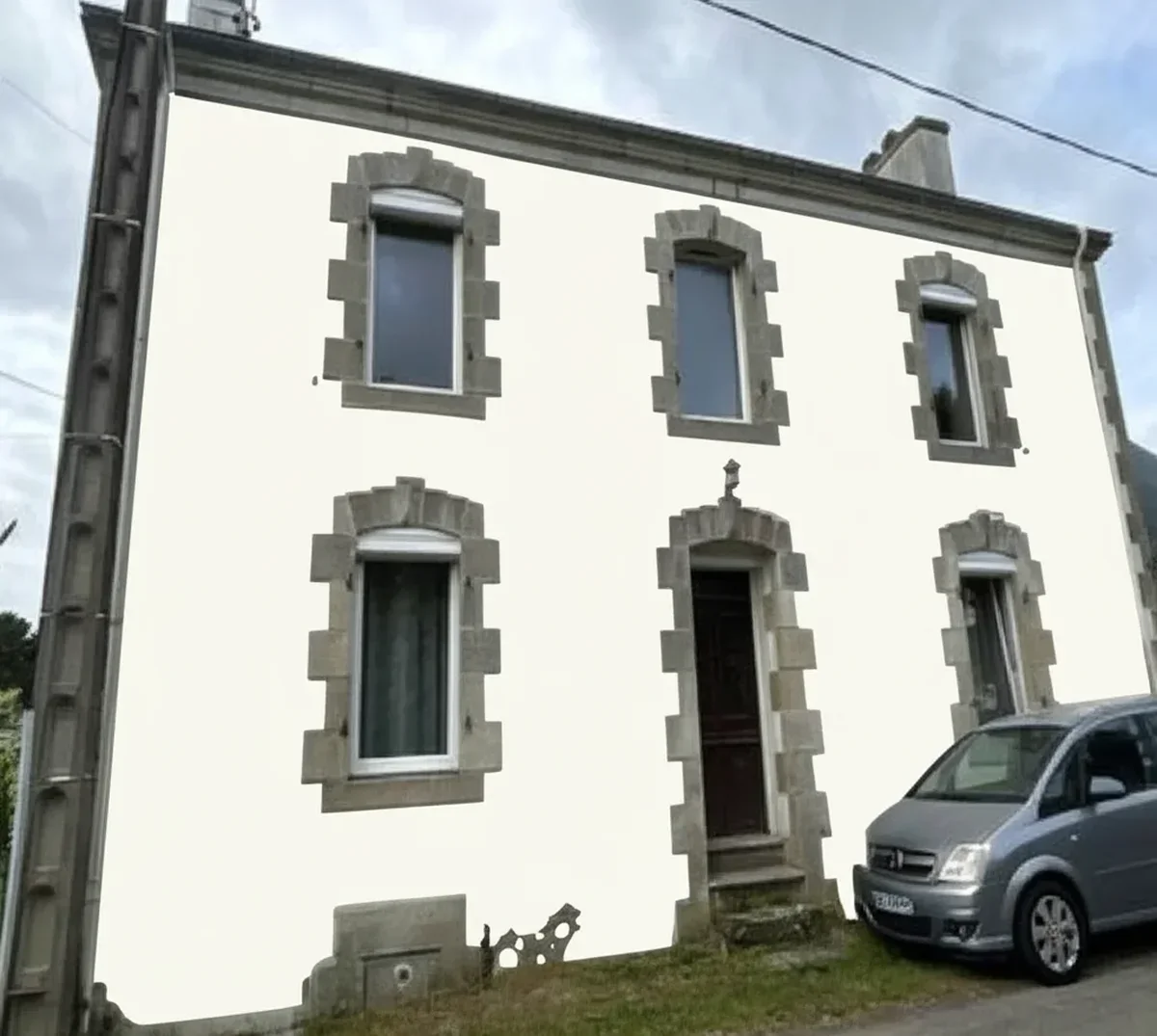
Photograph every room and, where the brief includes exterior painting, upload the image to FacadeColorizer to generate a professional colour preview. Presenting an AI visualisation at the client presentation stage justifies a higher price because the homeowner can see the finished result before committing — a proven way to improve your close rate. Learn more about integrating AI previews into your workflow in our colour visualiser for decorators guide.
Time Estimation per Room: A Decorator’s Reference Table
Under-estimating labour hours is the fastest route to undercharging. The table below shows realistic time allowances for a single experienced decorator, including surface preparation (sugar soap, sanding, filling, caulking), two full coats and drying time between coats. Use these figures as your baseline; add 20–30 % for period property features, conservation area restrictions or extensive wallpaper stripping.
| Task / Room | Estimated Days | Key Variables |
|---|---|---|
| Small bedroom (walls + ceiling) | 1–1.5 | Condition of plaster, coving detail |
| Double bedroom + woodwork | 1.5–2.5 | Number of window frames, wardrobe alcoves |
| Living room (incl. feature wall) | 2–3 | Dado rail, chimney breast, wallpaper hanging |
| Kitchen painting | 1.5–2.5 | Grease prep, undercoat on units, steam exposure |
| Bathroom painting | 1–1.5 | Moisture-resistant primer, tight spaces |
| Hallway, stairs & landing | 2–3.5 | Height, access, skirting board length |
| Exterior painting (3-bed semi, two coats masonry paint) | 3–5 | Scaffold, render crack repair, weather |
Multiply estimated days by your target day rate (the 2026 UK average sits between £250 and £400, depending on region and experience) to arrive at the labour element of your quotation. If you are working in London or the South East, factor in higher overheads. For regional benchmarks, browse our London decorator cost guide.
Materials: How to Calculate and Mark Up Correctly
Materials are where many decorators leak profit without realising it. The golden rule: never absorb material costs. List every item — primer, undercoat, emulsion paint, eggshell, satinwood, gloss, sugar soap, dust sheets, lining paper, filler, masking tape and sandpaper — and add a mark-up of 15–20 %. This is standard trade practice and covers your time sourcing, collecting and transporting materials to site. Clients still pay less than retail because you buy at trade prices from Dulux Trade centres or merchant accounts.
When calculating paint quantities, measure the total paintable area in m² and check the coverage rate on the tin. As a rough guide:
- Emulsion paint (walls): 12–14 m² per litre. A medium room (~40 m² wall area) needs roughly 6–7 litres for two coats.
- Undercoat / primer: 14–16 m² per litre.
- Gloss / satinwood (trim): 16–17 m² per litre.
- Masonry paint (exterior painting): 6–8 m² per litre on textured sand and cement render, 10–12 m² on smooth surfaces.
Always round up to the next full tin size. Left-over paint is useful for touch-ups and avoids the costly mistake of running short mid-job, which wastes a half-day trip to the merchant and pushes you past your time estimate. Where you are using premium brands like Farrow and Ball or Little Greene, confirm the client’s colour scheme in writing and consider generating a colour preview with an AI tool such as FacadeColorizer to lock in the choice before ordering.
Building in Contingency: The Costs You Always Forget
Even experienced trade decorators forget to account for the hidden time-sinks that eat into every job. Build a 10–15 % contingency into every quotation to cover:
- Travel and parking — especially for city-centre conservation area projects with permit-only parking.
- Drying time delays — low-VOC and quick-drying paints have improved, but cold or damp conditions in older period property homes still slow recoat intervals.
- Unexpected preparation — hidden layers of wallpaper, rising damp stains, or crumbling render mesh beneath old coatings.
- Client changes — a last-minute swap from emulsion paint to wallpaper hanging on a feature wall changes the scope entirely.
- Waste disposal and clean-up — stripping old wallpaper, sanding dust and paint tins all take time.
State in your quotation that the price covers the agreed scope only. Any additional work discovered on site — such as damp treatment or render crack repair — will be quoted separately. This protects your margin and sets clear expectations with the client, boosting long-term customer satisfaction and referral rates.
Presenting Your Quotation Like a Professional
A well-presented quotation does more than win work — it positions you as a credible trade decorator and justifies your price. Your quote document should include:
- Your business name, address, public liability insurance details and Checkatrade or federation membership number.
- An itemised scope: rooms, surfaces, number of coats, paint brand and finish, prep work included.
- A clear total (state whether VAT is included or you are below the threshold).
- Validity period (typically 30 days).
- Payment terms — a 20–25 % deposit on acceptance, balance on completion.
Where the project involves exterior painting or a full colour consultation, attach a colour preview generated by an AI tool like FacadeColorizer. Presenting a before and after visualisation alongside the written price transforms a plain document into a compelling client presentation. Decorators who use digital tools in their quoting process report a measurably higher close rate — often 30–40 % better than those who rely on verbal descriptions alone.
Use quoting software such as YourTradebase or a branded PDF template to ensure consistency. A polished quote signals professional finish before you have even picked up a brush, giving you a clear competitive advantage in a market where many competitors still scribble prices on the back of an envelope.
How AI Colour Previews Help You Close More Quotations
Price is rarely the only factor when a homeowner chooses a decorator. Customer satisfaction research consistently shows that clients value clarity and confidence in the outcome. An AI colour visualiser delivers both. Upload a photograph of the property to FacadeColorizer, apply the proposed colour scheme — whether it is a muted Farrow and Ball palette on a Victorian terrace or a bold Crown masonry paint on a modern semi — and include the preview in your quotation. The homeowner sees exactly what they are paying for, which eliminates colour indecision and dramatically reduces the risk of post-completion complaints.
From a lead generation perspective, every colour preview you create doubles as portfolio content. Share it on social media, add it to your Checkatrade profile and include it in follow-up emails. That single image works as ongoing upselling material — a neighbour who sees the preview may become your next referral. For tips on maximising that exposure, read our decorator social media marketing guide.
Accurate quoting and compelling client presentations are two sides of the same coin. When your quotation is backed by a realistic price and a professional visualisation, you stop competing on cost alone and start winning on value. That is the foundation of sustainable business growth, a healthy profit margin and the kind of project management discipline that separates a busy decorator from a profitable one. Try your first AI colour preview free at facadecolorizer.com — it takes seconds and could transform how you quote.