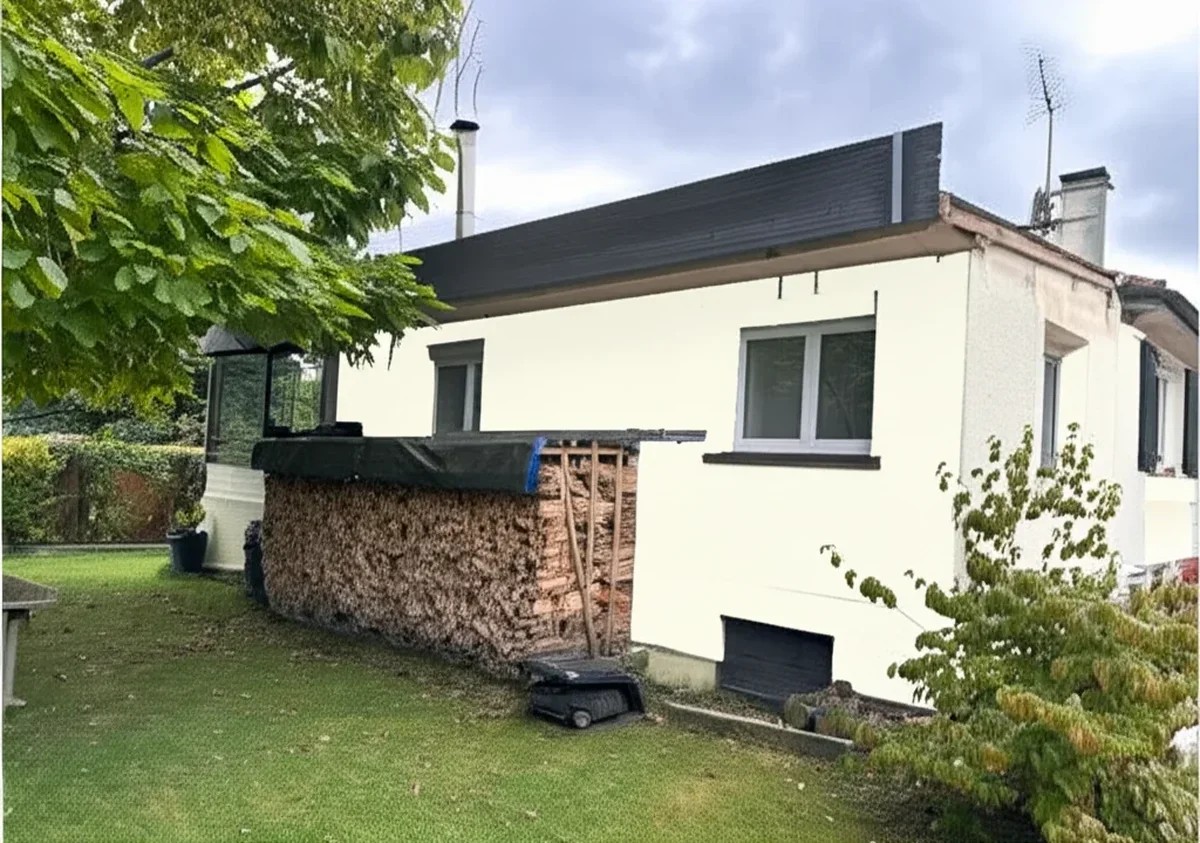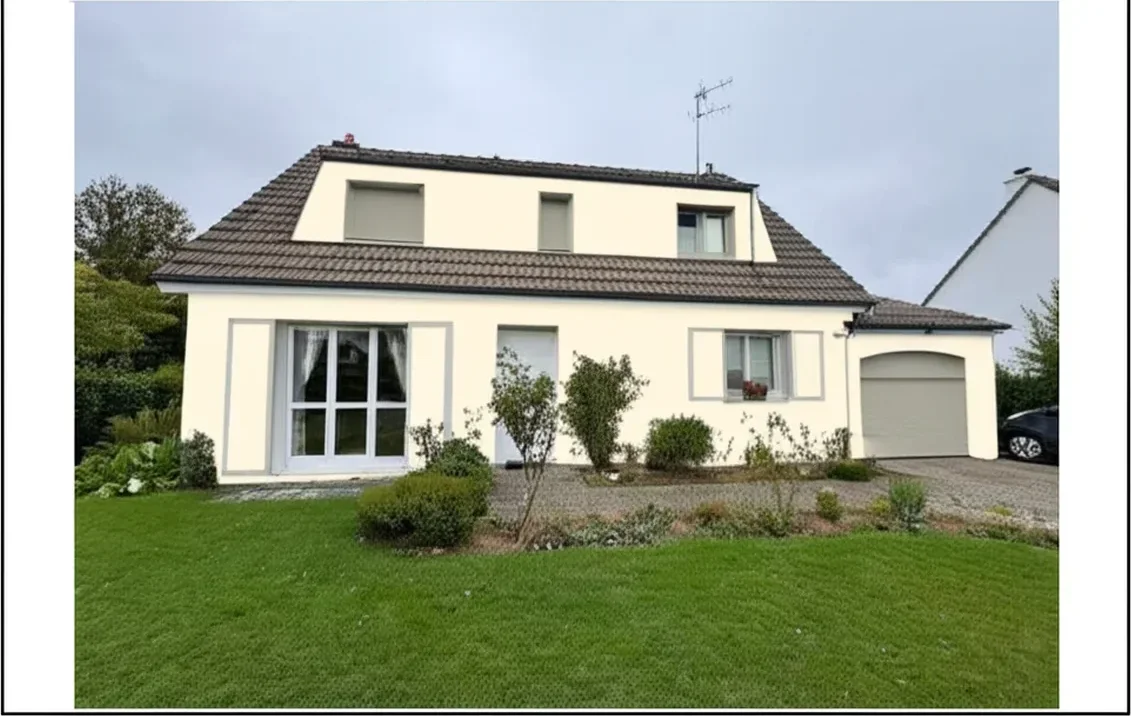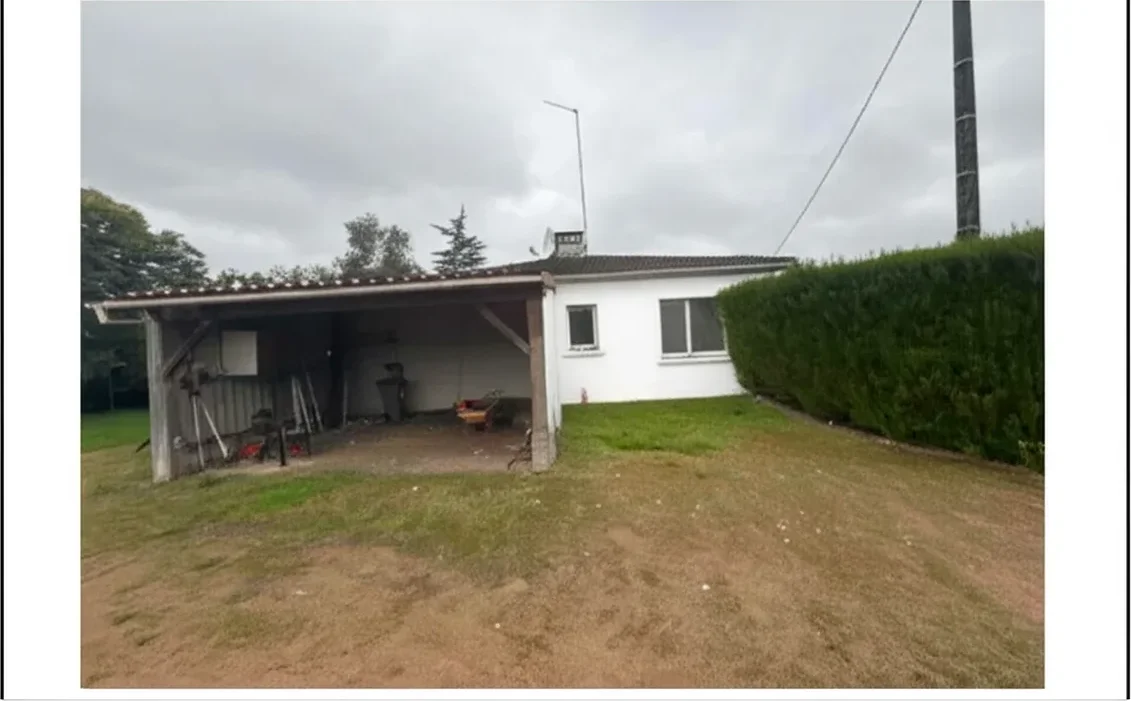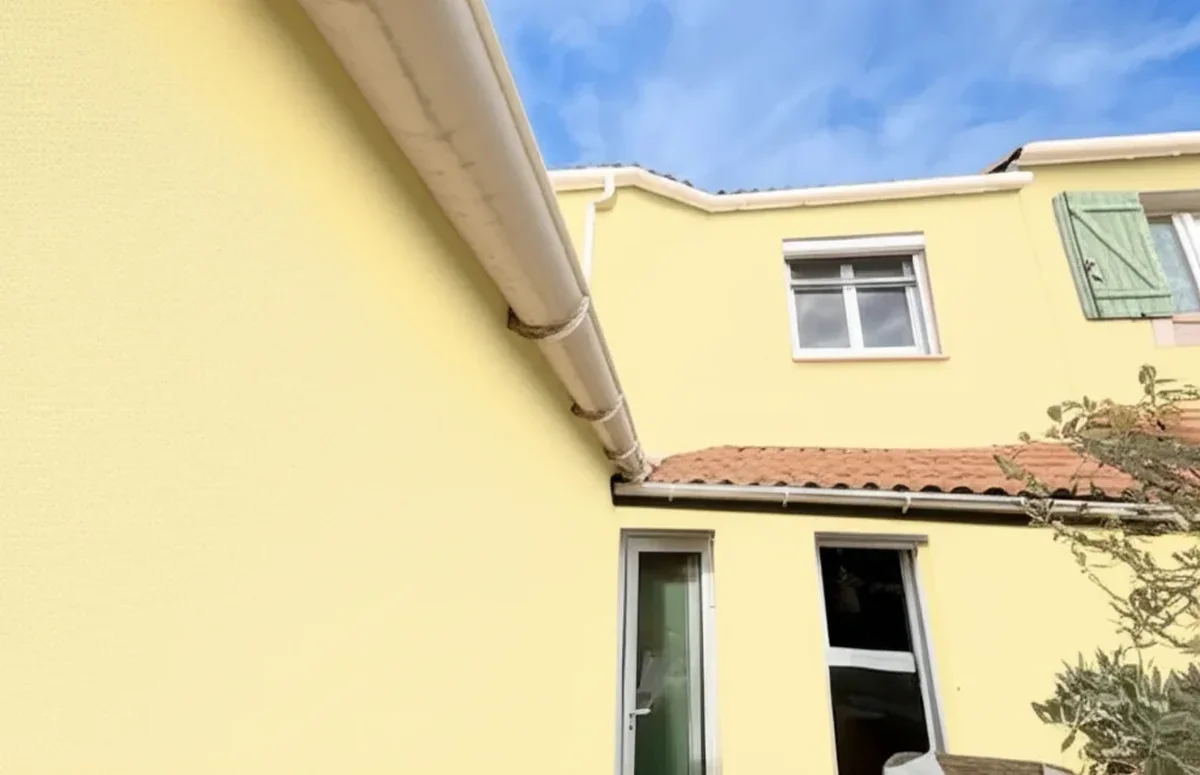
If you are a painter and decorator winning every single job you quote for, you are almost certainly undercharging. It is one of the most common traps in the trade: staying busy while your profit margin quietly shrinks. Whether you work as a sole trade decorator or run a small team, getting your pricing right is the single biggest lever for business growth. This guide walks you through the main pricing models used by UK decorators, shows you how to calculate a fair day rate that covers every overhead, and explains when — and how — to charge a premium for specialist work.
Pricing well is not just about numbers; it is about confidence. When you present a quotation backed by a professional colour consultation and a photorealistic colour preview of the client's own property, the conversation shifts from cost to value. Tools like FacadeColorizer give you that edge — and we will show you exactly how a colour visualiser fits into a profitable pricing workflow. If you are new to AI-assisted quoting, start with our colour visualiser for decorators guide.
Pricing Models Compared: Day Rate vs Per Room vs Per m²
Most UK painters and decorators price work using one of three models. Each has strengths and risks. The table below compares them so you can choose — or combine — the approach that suits your business best.
| Pricing Model | Typical UK Range | Best For | Risk to Decorator | Client Perception |
|---|---|---|---|---|
| Day Rate | £250–£400 | Complex prep, unknown scope, period property work | Low — you earn regardless of surprises | Some clients worry about slow progress |
| Per Room (Fixed) | £350–£1,000+ | Standard residential decorating, repeat clients | Medium — hidden prep can erode margin | Clients prefer certainty; easy to compare quotes |
| Per m² | £8–£25/m² | Large-scale exterior painting, commercial decorating | Low — directly tied to measured area | Transparent; trusted by commercial clients |
| Hourly Rate | £20–£40/hr | Small touch-ups, snagging, ad-hoc tasks | Low — paid for time spent | Can feel open-ended; best for trusted relationships |
Many successful decorators use a hybrid approach: they quote per room for standard interior decorating jobs (where they can estimate prep time accurately), switch to a day rate for unpredictable work on older or listed buildings, and price per m² for large exterior painting contracts. The key is to measure every surface carefully, account for preparation, and never guess.
How to Calculate a Fair Day Rate
Your day rate is not your salary — it is a figure that must cover your desired income, every business overhead, and a margin for growth. The formula used by experienced trade decorators is straightforward:
Day Rate = (Target Annual Income + Annual Overheads + Profit Pot) ÷ Billable Days per Year
A realistic breakdown for a self-employed decorator might look like this: target take-home of £40,000, annual overheads of £10,000 (van, insurance, public liability, tools, Checkatrade membership, marketing) and a £5,000 business reinvestment pot. With roughly 220 billable days per year (after holidays, sick days and admin), the calculation gives a day rate of approximately £250. In London and the South East, add 20–40 % to reflect higher costs, pushing the rate towards £300–£400.
Labour typically accounts for around 80 % of the total project cost, with materials making up the remaining 20 %. When supplying paint — whether Dulux Trade, Crown, Farrow & Ball or Little Greene — it is standard practice to apply a 20 % mark-up on materials to cover sourcing time and wastage. That mark-up is part of your overall profit margin, not an afterthought.
When to Charge a Premium
Not all decorating work is equal, and your pricing should reflect that. Specialist skills, additional risk and compliance requirements all justify higher rates. Here are the most common scenarios where you should charge 25–50 % above your standard rate:
- Heritage & conservation work — Decorating a listed building or property in a conservation area often requires breathable paint, lime-based coatings or bespoke colour schemes approved by the local heritage officer. The project management overhead alone warrants a premium.
- High-access jobs — Properties requiring scaffold or an access tower add safety risk and logistical complexity. Factor in scaffold hire (£500–£2,000+) and the extra time needed to work at height safely.
- Specialist finishes — Applying specialist coatings such as Farrow & Ball estate emulsion, Little Greene Intelligent paints or heritage lime wash demands expertise that generalist decorators cannot offer. Your premium reflects years of training.
- Exterior rendering & masonry — Work involving silicone render, K Rend, masonry paint or Sandtex weathershield systems requires an understanding of substrates, damp, and frost resistance. Price per m² and include weather contingency days.
- Commercial contracts — Commercial decorating often involves out-of-hours work, tight deadlines and compliance paperwork. Build in a margin for the administrative burden.
Five Pricing Mistakes That Kill Your Profit
- Guessing instead of measuring. Experienced decorators build a custom pricing system based on square-metre rates for walls and ceilings. Without accurate measurements, you risk quoting too low and absorbing the loss.
- Forgetting hidden overheads. Van maintenance, public liability insurance, Checkatrade subscriptions, evenings spent writing quotations, bank holidays with no income — these all eat into your margin if not built into your rate.
- Underestimating preparation time. Stripping wallpaper, repairing plaster, treating damp or rising damp, sanding woodwork — prep can consume 40–60 % of total project time. Always survey the property and price prep separately.
- Competing on price alone. Undercutting local competitors leads to a race to the bottom. Instead, compete on value by offering colour consultations and AI visualisations that justify a higher fee. When a client can see a photorealistic colour preview of their home, they focus on the result — not the price tag.
- No profit pot. Your day rate should include a dedicated business reinvestment margin — typically £10–£20 per day — for new equipment, training and digital tools that give you a competitive advantage.
How a Colour Visualiser Helps You Charge What You Are Worth
The single most effective way to shift a client presentation from a price negotiation to a value conversation is to show the homeowner exactly what they will get. An AI tool like FacadeColorizer lets you upload a photo of the client's property and apply any colour scheme in seconds, creating a before and after visualisation that clients can share with family before committing.
Decorators who include a colour preview in their quotation report close rates significantly above the industry average of 20–35 %. The visual proof eliminates buyer hesitation, reduces callbacks and cancellations, and naturally leads to upselling — a client who sees their hallway in a premium Little Greene shade alongside a standard Dulux Trade option will often choose the upgrade. That single upsell can add £200–£500 to the job value without increasing your acquisition cost.
Want to see how other decorators showcase these visuals to win work? Read our decorator portfolio with AI visualiser guide.
Pricing, Lead Generation and Long-Term ROI
Getting your pricing right has a compounding effect on every other part of your business. A healthy profit margin lets you invest in lead generation channels — a Checkatrade profile, local Facebook ads, Google Business optimisation — that keep your diary full of residential decorating and commercial decorating enquiries. A well-priced decorator who delivers a professional finish and uses digital tools to enhance the client experience generates consistent referral business, reducing reliance on paid advertising and improving ROI year on year.
Customer satisfaction is highest when expectations match reality. By including a colour visualisation at the quotation stage, you set clear expectations from day one. Fewer disputes, fewer repaints, and more five-star reviews on Checkatrade and Google all contribute to a stronger competitive advantage in your local market — whether you are based in London, Manchester, Edinburgh or a rural area.
Stop Undercharging — Start Presenting With Confidence
Your skills as a painter and decorator deserve a price that reflects your expertise, your overheads and the quality of your professional finish. Measure accurately, know your numbers, charge a premium for specialist work, and use a colour visualiser to turn every quotation into a compelling client presentation. Try FacadeColorizer free today — upload a property photo, generate a colour preview in seconds, and see for yourself how a professional visualisation helps you close more work at the right price. Whether you specialise in interior decorating, exterior painting of period properties, or large-scale commercial decorating, smarter pricing is the fastest route to a sustainable, profitable decorating business.