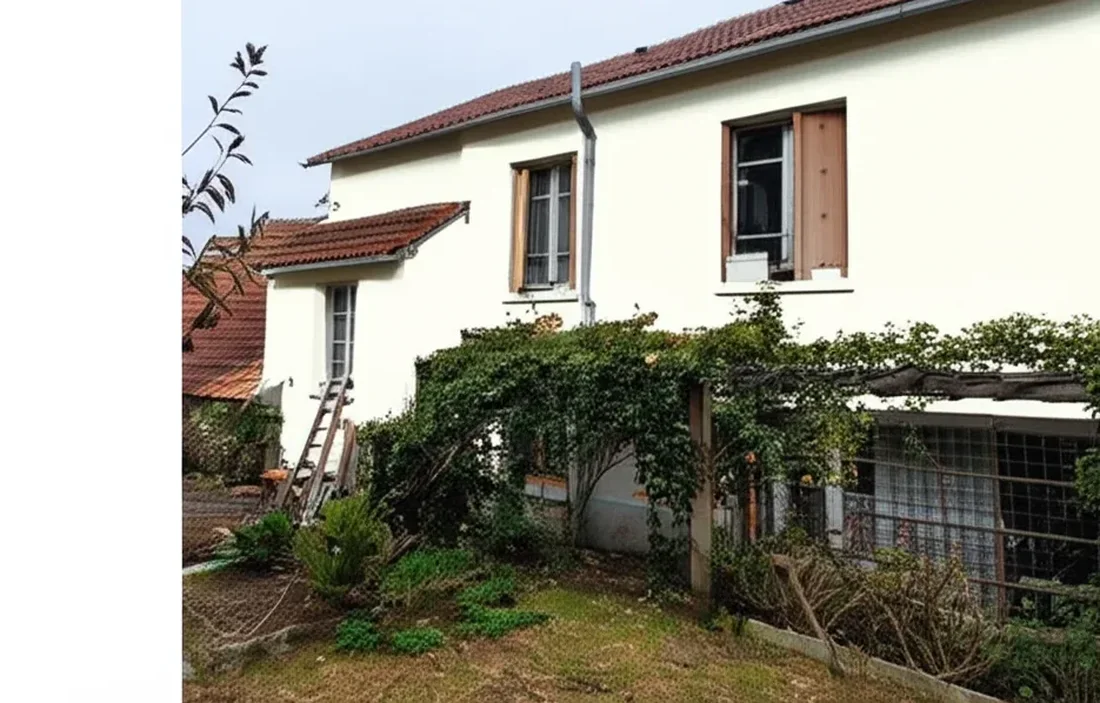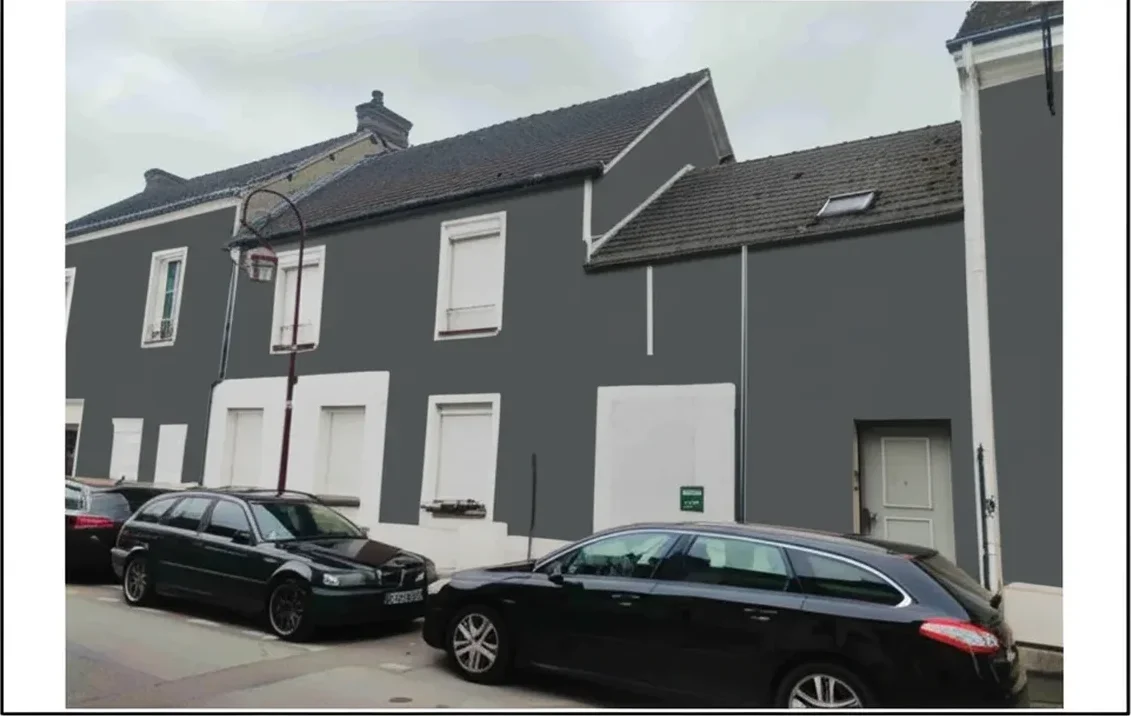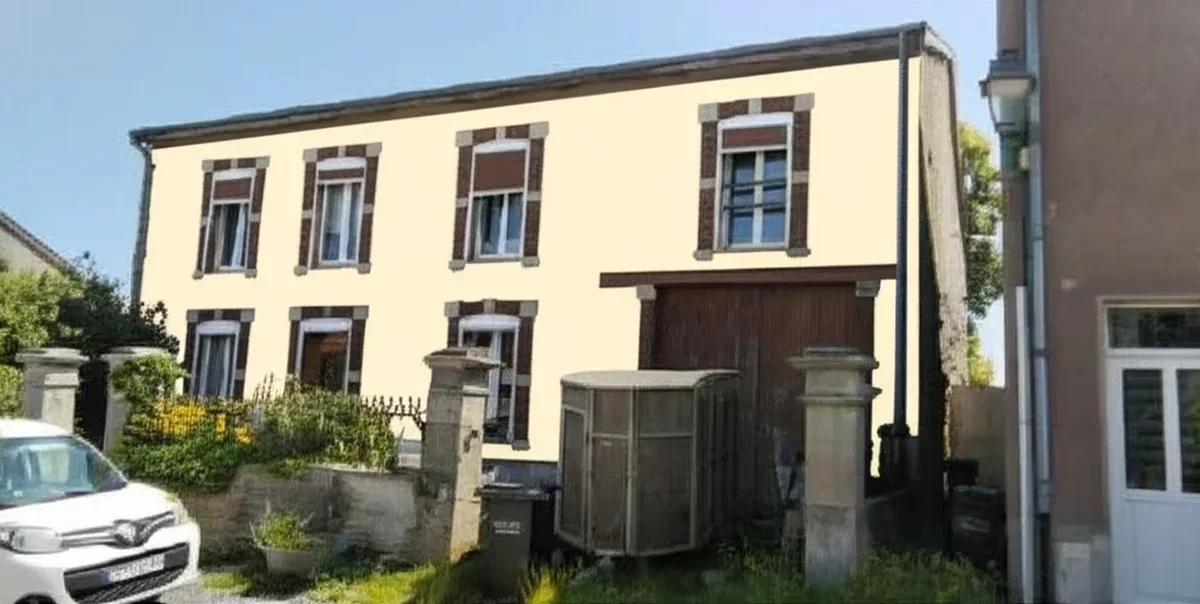
Try it on your house

Every painter and decorator in the UK knows the feeling: you finish a stunning lounge transformation or a crisp exterior repaint, but the only record is a quick snap on your phone. Meanwhile, the decorator down the road is posting polished before and after visuals on Instagram and watching enquiries pour in. In 2026, a professional portfolio is no longer a "nice-to-have", it is the single most powerful lead generation tool available to trade decorators. Research shows that tradespeople who consistently post high-quality project images see up to a 40 % increase in enquiries over six months, with many of those converting into confirmed bookings.
This guide shows you exactly how to build a portfolio that wins work, and how an AI colour visualiser like FacadeColorizer gives you a competitive advantage by letting you showcase proposed colour schemes alongside finished results, even before the first brush stroke. If you have not yet explored how a colour visualiser fits into your quoting workflow, start with our colour visualiser for decorators guide.
Why a Professional Portfolio Is Essential for Decorators
When a homeowner searches for a painter and decorator on Checkatrade, Google or local Facebook groups, the first thing they do is look at photos of completed work. According to BrightLocal, 77 % of consumers "always" or "regularly" read reviews and browse portfolios when evaluating local tradespeople. If your online presence is a blank profile with no images, you are invisible to the majority of potential clients, no matter how skilled you are.
A curated portfolio does three things simultaneously: it builds customer satisfaction expectations by showing real outcomes, it proves your ability to handle different project types, from residential decorating to commercial decorating, and it creates a library of social proof that drives referral traffic long after the paint has dried.
What to Include in Your Decorator Portfolio
The strongest portfolios combine before and after photography with context. Do not just show the finished wall; show the preparation, the colour consultation process and, crucially, the AI visualisation you presented at the quotation stage. This three-part narrative - problem, proposed solution, completed result, tells a compelling story that potential clients can picture happening in their own home.
Aim for 10–15 curated projects covering a range of work: interior decorating (feature walls, full room repaints, period property restorations), exterior painting (masonry, render, woodwork) and specialist tasks like period property decoration in a conservation area or listed building. For each project, note the paints used, whether Dulux Trade, Farrow & Ball, Crown or Little Greene, and the colour scheme chosen. This detail signals expertise and reassures clients who are particular about brand quality and a professional finish.
How AI Colour Visualisation Supercharges Your Portfolio
Traditional portfolios only show what you have done. An AI tool like FacadeColorizer lets you show what you could do, on the client's own property. Upload a photo, apply a colour preview in seconds, and save the side-by-side visualisation as a portfolio piece that demonstrates your colour consultation capabilities. This is a genuine game-changer for upselling: when a client sees a photorealistic render of their hallway in a Farrow & Ball shade versus a standard Crown emulsion, the conversation shifts from price to project management and scope.
Over time, every client presentation you create with the colour visualiser becomes a reusable portfolio asset. A decorator in Manchester who produces five AI visuals a week has 250 portfolio-ready images by year-end, an enormous content library for social media, your website, and platforms like Checkatrade. That volume drives lead generation, improves ROI on marketing spend, and cements your reputation as a digital tool-savvy professional.
Where to Showcase Your Portfolio for Maximum Reach
| Platform | Best For | Portfolio Tip | Cost |
|---|---|---|---|
| Before & after reels, carousel posts | Post AI colour visualisation side-by-sides weekly | Free | |
| Facebook Business Page | Local community reach, client reviews | Create albums per project; pin best transformation | Free (ads optional) |
| Checkatrade / TrustATrader | Verified reviews, high-intent leads | Upload 15+ photos with descriptions & testimonials | £60–£120/month |
| Your Own Website | SEO, full control, branding | Dedicated gallery page with AI visuals & testimonials | £10–£30/month |
| Google Business Profile | Local SEO, map pack visibility | Add project photos monthly; respond to every review | Free |
Try it on your house
No photo? Try a sample
The most effective strategy is to cross-post across all five platforms. A single finished project can yield an Instagram reel, a Facebook album, a Checkatrade photo upload, a website case study and a Google Business photo, five touchpoints from one job. Add the AI colour preview you showed at the client presentation and you double the content without doubling the effort.
Pairing Testimonials With Portfolio Images
A beautiful photo of a freshly decorated living room is powerful on its own, but combine it with a genuine client testimonial and it becomes virtually irresistible. BrightLocal research confirms that 77 % of consumers read reviews before hiring a local tradesperson, so every portfolio entry should include a short quote from the homeowner. Ask clients at handover, when customer satisfaction is at its peak, for a two-sentence review you can pair with the before and after images.
For maximum impact, mention the colour visualiser in the testimonial prompt: "Would you mind mentioning how the colour preview helped you decide?" Clients who reference the visualisation in their review create a referral loop, future prospects see that you offer a service competitors do not, which further strengthens your competitive advantage and justifies a higher profit margin.
How a Strong Portfolio Improves Your Close Rate and ROI
The link between a polished portfolio and business growth is direct. When a homeowner lands on your Instagram or website and sees twenty professional transformations, complete with colour consultation previews and five-star reviews, their confidence soars. They are far more likely to accept your quotation without shopping around, which pushes your close rate well above the industry average of 20–35 %.
A higher close rate means fewer wasted consultations, better project management of your diary, and a stronger ROI on every pound you invest in marketing. Decorators who combine AI visualisation with a curated portfolio regularly report that clients request larger scopes of work, adding hallways, staircases or exterior painting to an original single-room brief, because they can see the potential. That organic upselling lifts your average job value without increasing your acquisition cost.
To understand how decorating costs factor into your pricing strategy, see our interior decorator cost UK guide 2026.
Step-by-Step: Building Your AI-Enhanced Portfolio
- Photograph every job. Take a "before" shot at the quotation visit and an "after" shot once the professional finish is complete. Use natural daylight and the same angle for both.
- Create an AI colour preview. Upload the client's property photo to FacadeColorizer, apply the agreed colour scheme and save the colour preview. This becomes the middle panel of a three-image story: before → AI preview → after.
- Write a mini case study. Two to three sentences: the brief, the paints used (Dulux Trade, Little Greene, etc.) and the client's reaction.
- Publish across platforms. Post to Instagram, Facebook, Checkatrade, your website and Google Business Profile. Tag the location and use relevant hashtags.
- Request a testimonial. Send the client the finished images and ask for a short review. Add it to the portfolio entry.
Listed Building Consent: Adding a Heritage Service Line
If you decorate in the UK you will eventually meet a client whose home is listed, sits in a conservation area, or falls inside an Article 4 Direction. Most general decorators treat this as a complication. Specialists treat it as a billable service line. Offering to prepare a Listed Building Consent visual pack, photos of the elevation, an annotated colour proposal, and a colour preview rendered in the agreed scheme, lets you charge a separate consultancy fee of GBP 150 to GBP 400 on top of the painting contract. The pack also speeds up the council's 8-week determination because the conservation officer sees exactly what they are approving.
Useful primary sources to cite in the heritage pages of your portfolio: historicengland.org.uk for guidance on traditional materials and breathable paint chemistry, gov.uk/listed-buildings for the legal framework and consent application route, and the Institute of Historic Building Conservation (ihbc.org.uk) for accredited conservation professional listings. Reference these alongside your project photographs and clients see immediately that you understand the regulatory landscape.
Period-Correct Colour Lines for Decorator Portfolios
The colour ranges that win heritage approvals are different from the mass-market lines you would specify on a 1990s estate house. Adding a "Heritage" tab to your portfolio that segments completed work by architectural period gives prospects an immediate signal of expertise. Group your case studies under Georgian (lime cream, stone, lead grey doors), Regency (Suffolk pink stucco, off-white), Victorian (deep ox-blood reds, sage greens, chocolate browns), Edwardian (soft cream renders, Brunswick green joinery) and Arts and Crafts (signal red, soft sage, slate). For each, name the brand and reference: Dulux Heritage, Crown Period Collection, Johnstone's Heritage, Little Greene National Trust and Farrow and Ball Heritage are all conservation-officer favourites.
Article 4 Directives: Why Your Local Knowledge Is a Portfolio Asset
An Article 4 Direction withdraws permitted development rights from a defined zone, normally a conservation area or a historic high street. For a decorator, an Article 4 zone means every colour change requires planning permission. Most homeowners do not know whether their street is covered, and the council planning maps are not always easy to navigate. A portfolio page dedicated to "Article 4 streets we work on" with a brief postcode list and a sample of an approved colour scheme is one of the cheapest lead magnets you can publish. It also reassures the local conservation officer when they recommend trade contacts.
Heritage Portfolio Cross-Reference Table
Use the table below as a quick reference when categorising heritage projects in your portfolio or quoting heritage-aware specifications.
| Listing / zone | Paint restrictions | Consent route | Portfolio value |
|---|---|---|---|
| Grade I | Limewash or mineral silicate only; archival paint scrape often required | Listed Building Consent + Historic England referral | Highest day rate; premium reference for tenders |
| Grade II* | Breathable systems mandatory on pre-1919 fabric; matched colours | Listed Building Consent + Historic England referral | Strong reference for council and National Trust work |
| Grade II | Like-for-like permitted; colour changes need consent | Listed Building Consent (local authority) | Bulk of UK heritage opportunities |
| Conservation area + Article 4 | Colour and material changes restricted | Householder planning permission (approx GBP 258) | High-volume residential niche in city centres |
| Conservation area only | Council discretion; like-for-like generally accepted | Pre-application enquiry recommended | Good upsell route to consent service |
Sources: Planning (Listed Buildings and Conservation Areas) Act 1990, Historic England, IHBC.
Note from our visualiser data.
Across 16,983 colour previews produced through 2026, UK decorator accounts on FacadeColorizer attach an average of 2.4 renders per quote. Heritage and listed-building briefs trend higher (3.1 renders per quote) because clients want to see multiple period-correct palettes side by side before approving Listed Building Consent paperwork.
Start Building Your Portfolio Today
You do not need an expensive camera or a marketing degree. All you need is a smartphone, a consistent process, and a digital tool that turns ordinary property photos into persuasive client presentations. FacadeColorizer is free to try - upload your first property photo now and start creating the kind of before and after visuals that convert browsers into paying clients. Whether you specialise in residential decorating, commercial decorating or sensitive work on listed buildings in conservation areas, a portfolio powered by AI visualisation is the fastest route to more enquiries, a higher close rate and sustained business growth.
Frequently asked questions
How many projects should a decorator include in their portfolio?
How does an AI colour visualiser help decorators win more clients?
Where should painters and decorators showcase their portfolio in the UK?
Do client testimonials really impact a decorator's bookings?
Can I use AI-generated colour previews on social media to attract leads?
Trademarks mentioned (Sherwin-Williams, Benjamin Moore, Behr, Caparol, Brillux, Sto, Alpina, Valspar, PPG, Glidden, Dulux, Crown Trade, Sandtex, Farrow & Ball, Johnstone's, Leyland) are property of their respective owners. FacadeColorizer is independent and not affiliated with any of them. Nominative fair use under Lanham Act §1125.