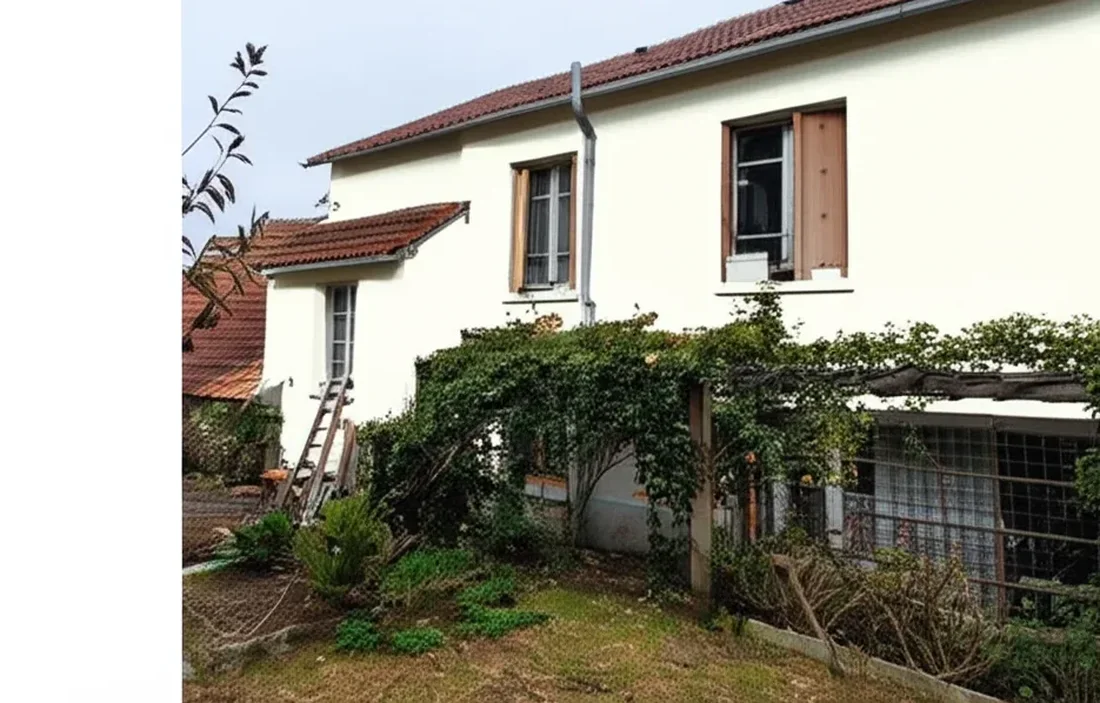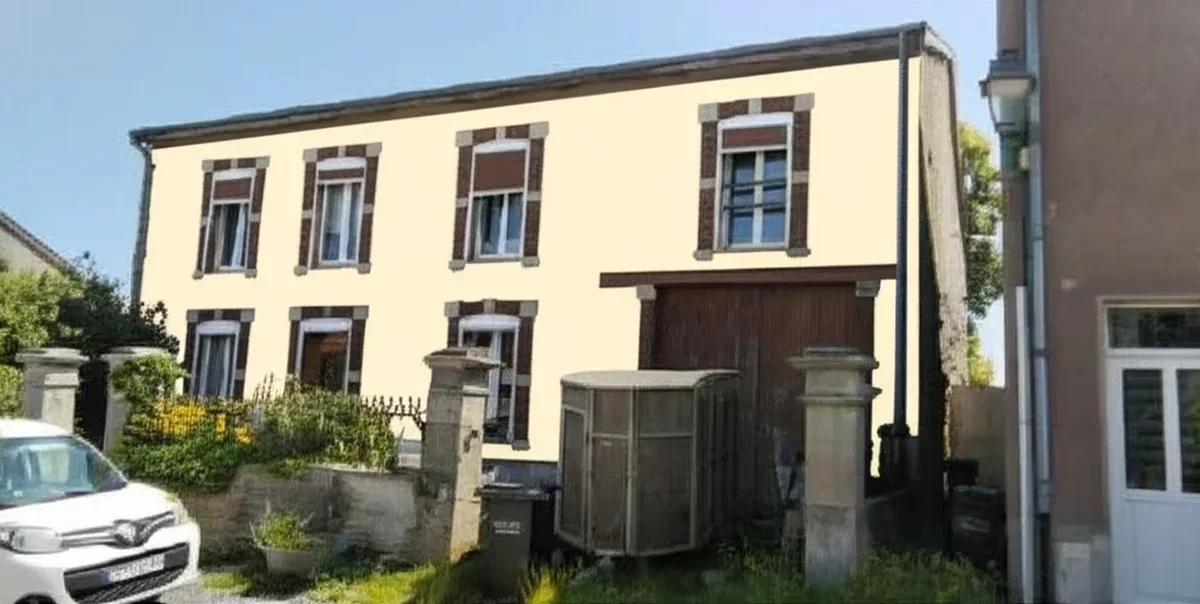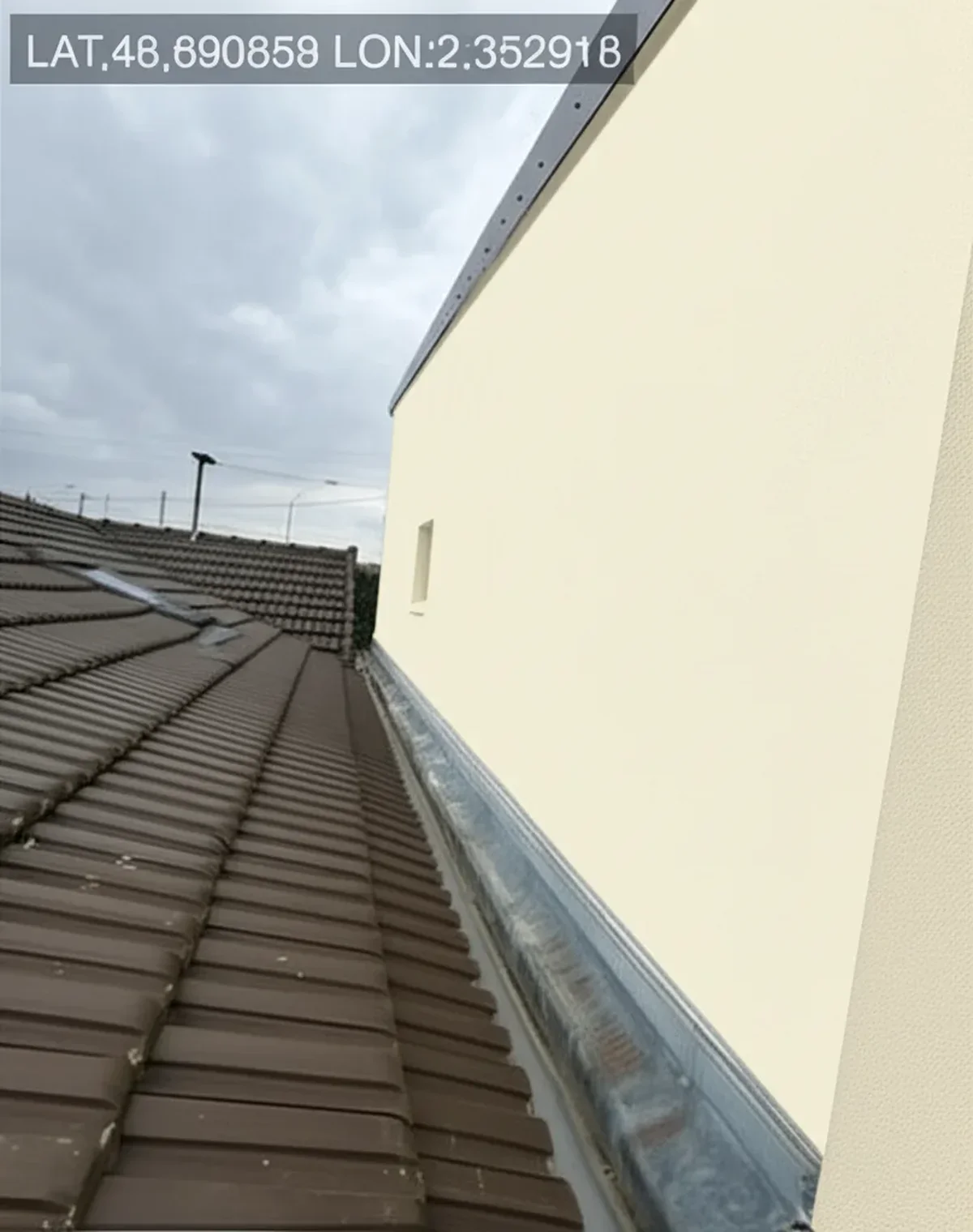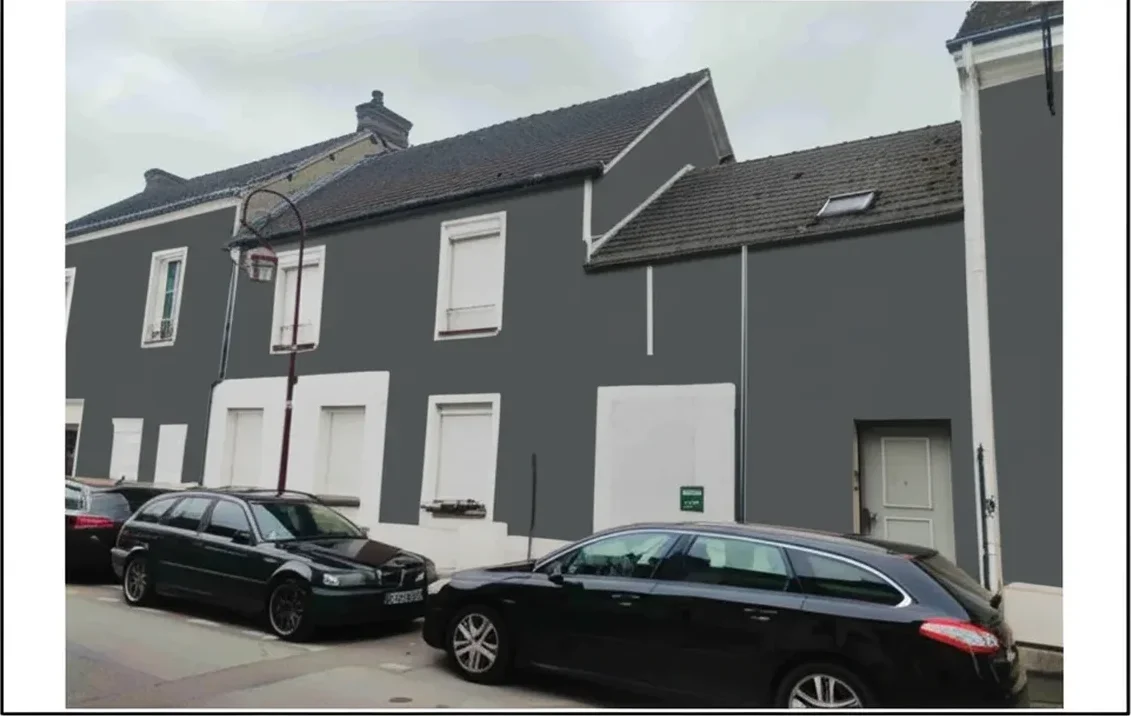
Try it on your house

Ryan Whitfield runs Whitfield Decorating, a two-person painter and decorator business covering South Manchester, Stockport and the south-Cheshire commuter belt. In October 2025 his quote-to-job conversion was stuck at 38 percent, meaning two out of three exterior painting quotes he produced never turned into paid work. By April 2026, six months later, that figure had climbed to 51 percent, a 35 percent uplift in conversion, and his average job value had grown by 22 percent. The single biggest change he made was adding an AI colour visualiser to every exterior quote. This case study walks through the numbers, the workflow, and the lessons for any UK decorator looking to close more jobs without cutting prices.
The business before: numbers that were good, not great
Whitfield Decorating had a solid foundation. A 4.9-star Checkatrade profile, 162 verified reviews, membership of the Painters and Decorators Association, City and Guilds Level 3 in Decorative Finishes, and full public liability insurance. Ryan's vans carry Trading Standards Buy With Confidence signage. Leads were coming in at roughly 18 to 22 exterior quote requests per month between March and October.
Here are Whitfield Decorating's baseline figures for the six months from April to September 2025:
| Metric | April to September 2025 (baseline) |
|---|---|
| Exterior quotes issued | 118 |
| Jobs won | 45 |
| Quote-to-job conversion | 38 percent |
| Average exterior job value (incl. VAT) | GBP 3,650 |
| Time from first visit to signed contract | 14 days average |
| Share of quotes requiring colour change mid-job | 21 percent |
Try it on your house
No photo? Try a sample
The problem: colour indecision killing quotes
Ryan identified three recurring patterns in lost quotes. First, homeowners said they needed "to think about colour" and then went dark. Second, a meaningful share of homeowners waited to see another decorator's quote before deciding. Third, when a job did start, one in five customers asked to change colour mid-project, which cost Whitfield Decorating material waste, scheduling disruption, and eroded margin.
The common thread: clients could not visualise the finished result. Holding a paper Farrow and Ball swatch up to a rendered gable-end does not tell a homeowner whether their house will actually look right. Without certainty, they delayed. Delay means shopping around. Shopping around means the cheapest quote wins, regardless of quality.
The change: an AI colour visualiser in every quote
From October 2025 onwards, Ryan added a single new step to his quoting process. During the site visit, he took three clean reference photos of the elevation with his phone. Before issuing the quote, he uploaded the main photo to a free AI colour visualiser, applied the two or three shades the client had shortlisted, and embedded the rendered images directly in the PDF quote. Total extra time per quote: around 12 minutes.
He also trained his apprentice, Harvey, to use the same tool on interior quotes. The system: every quote over GBP 1,500 now leaves the office with at least two visualised colour options attached.
The same free tool Whitfield Decorating uses on every quote
The results: six months after the change
| Metric | Baseline (Apr-Sep 2025) | After (Oct 2025 to Mar 2026) | Change |
|---|---|---|---|
| Exterior quotes issued | 118 | 109 | -8 percent |
| Jobs won | 45 | 56 | +24 percent |
| Conversion rate | 38 percent | 51 percent | +35 percent |
| Average exterior job value | GBP 3,650 | GBP 4,455 | +22 percent |
| Time from visit to contract | 14 days | 6 days | -57 percent |
| Colour changes mid-job | 21 percent | 5 percent | -76 percent |
The headline number, 35 percent more jobs from the same inbound lead flow, understates the full economic effect. Because average job value also rose, total revenue from exterior work grew from GBP 164,250 to GBP 249,480 over the six-month period: a 52 percent revenue increase. Meanwhile the drop in mid-job colour changes saved an estimated GBP 3,800 in wasted paint and rework time.
Why the conversion lift happened
Ryan and his wife Kate (who runs the books and customer communications) ran informal exit interviews with homeowners who declined the quote. Three themes came up repeatedly among accepted quotes that they would previously have lost:
- Speed of decision: seeing the house in the proposed colour removed the "let me sleep on it" pause
- Confidence in the decorator: the visualiser felt professional, which raised the perception of the whole quote
- Reduced competitive shopping: clients rarely pursued a second quote once they had a rendered preview from Whitfield
- Upsell of higher-value systems: when clients saw exactly how a Farrow and Ball or Little Greene shade would look, they accepted premium paint specifications more readily
The exact workflow: how to copy this
Any UK decorator can replicate Ryan's process. The tool is free, no sign-up, and works from any phone or laptop.
- During the site visit, take three photos: one full front elevation, one side elevation, one close-up of any bargeboard or porch detail. Shoot on a cloudy day or in even light for best results.
- Discuss two or three colour options with the client on the doorstep. Have printed Farrow and Ball, Dulux Heritage and Little Greene colour cards ready. Let them shortlist.
- Back at the office, upload the main front elevation photo to the AI colour visualiser. Apply each shortlisted colour. Save each result as a PNG.
- Embed the rendered images into the PDF quote, on a dedicated "Colour visualisation" page, with the Farrow and Ball or Dulux Heritage reference clearly labelled under each.
- Send the quote by email within 24 hours of the site visit. Include a one-line note: "Colour previews attached, happy to visualise any other shade you wish to see."
- Follow up within 48 hours. Ask which visual the client preferred and whether any other questions remain.
Cost, time, and tooling
The AI visualiser Ryan uses is free. The only investment is time, roughly 12 to 15 minutes per quote. On a business issuing 20 quotes per month, that is five hours of effort. Set against the GBP 85,000 in additional six-month revenue Whitfield Decorating generated, the return on time is extraordinary. Any decorator member of the Painters and Decorators Association should treat visualiser use as standard practice in 2026.
What would Ryan do differently if he started again?
- Introduce the visualiser earlier, ideally during the site visit on a tablet, to capture enthusiasm in the moment
- Batch render five or six shortlisted colours, not just two, so the client has an anchor and can feel they chose from a real palette
- Pair each visualiser output with a price breakdown per paint system (Dulux Weathershield vs Farrow and Ball) so the upgrade conversation is transparent
- Use the visualiser as a social media asset, Ryan now posts before-and-after renders on Instagram, which has grown his inbound leads by a further 28 percent
Add this to your next quote and measure the conversion lift for yourself
Heritage upsell: the Listed Building Consent service line
Around 18 percent of Whitfield Decorating's south-Manchester catchment, areas around Didsbury, Chorlton, Sale and Altrincham, contains conservation areas or listed properties. Through 2026 the team layered a paid heritage consultancy on top of the standard quote: GBP 250 for a Listed Building Consent visual pack consisting of elevation photos, a one-page Heritage Statement, an annotated colour proposal referenced against Dulux Heritage, Farrow and Ball, Little Greene National Trust or Crown Period Collection, and a rendered colour preview. The pack is submitted to the local authority alongside the homeowner's planning application. Where an Article 4 Direction is in force (parts of Didsbury Village conservation area), the same pack supports the householder planning application (approximately GBP 258).
Useful sources to cite in the Heritage Statement: historicengland.org.uk for traditional materials and breathable paint chemistry, gov.uk/listed-buildings for the legal framework under the Planning (Listed Buildings and Conservation Areas) Act 1990, and the Institute of Historic Building Conservation (ihbc.org.uk) for accredited consultants when the case is complex.
Period-correct shortlists by era
When the Manchester team works on heritage stock, the visualiser shortlist is era-targeted. Georgian townhouses (rare in Manchester but present in Castlefield): lime cream and stone tones with lead grey or bottle green doors. Early Victorian terraces (Whalley Range, Hulme): chocolate brown and ox-blood red on joinery, soft cream renders. Late Victorian and Edwardian (Didsbury, Chorlton, Sale): sage green, Brunswick green or teal joinery against pale buff render. Arts and Crafts villas (parts of Bowdon, Hale Barns): signal red, soft sage, slate grey. Naming the brand and reference in the quote, for example "front door, Farrow and Ball Studio Green No. 93, oil eggshell finish", carries more weight than "dark green" with both the client and the conservation officer.
Listed grade restrictions: what Manchester decorators actually face
| Listing / zone | Paint restriction | Consent route | Typical Manchester area |
|---|---|---|---|
| Grade I | Lime wash or mineral silicate; archival match | Listed Building Consent + Historic England referral | Cathedral, Town Hall (commercial only) |
| Grade II* | Breathable system mandatory pre-1919 | Listed Building Consent + Historic England referral | Castlefield, parts of Ardwick |
| Grade II | Like-for-like permitted; colour change needs consent | Listed Building Consent (local authority) | Didsbury, Whalley Range, Victoria Park |
| Conservation area + Article 4 | Colour change restricted | Householder planning (~GBP 258) | Didsbury Village, parts of Chorlton |
| Conservation area only | Council discretion | Pre-application enquiry recommended | Sale Moor, Heaton Mersey |
Sources: Planning (Listed Buildings and Conservation Areas) Act 1990, Historic England, IHBC. Verify with Manchester City Council or Trafford planning teams.
Note from our visualiser data.
Across 16,983 colour previews produced through 2026, UK decorator accounts attach an average of 2.4 renders per quote. Heritage and conservation-area briefs (notably suburban Manchester Victorian and Edwardian terraces) trend higher at around 3.1 renders per quote, because clients want side-by-side period-correct options before signing off the Listed Building Consent paperwork or the household planning application.
Frequently asked questions
How much more can a UK decorator realistically earn by using an AI colour visualiser?
Whitfield Decorating in Manchester grew exterior revenue by 52 percent in six months by embedding a free AI visualiser in every quote. The main drivers were a 35 percent lift in quote-to-job conversion and a 22 percent rise in average job value, supported by fewer costly colour changes mid-project. Results vary by region and specification, but even a 10 to 15 percent conversion improvement is realistic for any decorator starting from a 30 to 40 percent baseline.
Is using an AI colour visualiser difficult for a non-technical decorator?
No. The tool Ryan uses is free, requires no sign-up, and works on any phone or laptop browser. You upload a photo, pick a colour, and download the rendered result. Most decorators are proficient within 15 minutes of their first try. No software to install, no subscription.
Does showing a visualised colour increase the risk that the finished paint will disappoint the client?
In Ryan's data, the opposite is true. Mid-job colour change requests dropped from 21 percent to 5 percent after he introduced the visualiser, because clients committed to shades they had already seen rendered on their own property. The tool reduces, not increases, the risk of disappointment. Always still apply a physical test patch before the main job to catch any substrate-specific differences.
What does a decorator need to get started with an AI colour visualiser?
A smartphone with a decent camera and a free account with an AI colour visualiser. That is it. Take three clean photos during the site visit (even light, no direct sun if possible), upload the main elevation, apply shortlisted colours, save, and attach to your PDF quote. Total learning curve: one afternoon.
Free, unlimited, used by UK decorators to close more jobs every month
If you run a painter-and-decorator business in the UK and want the same conversion lift Whitfield Decorating achieved, start by adding visualised colour previews to your next exterior quote. Our free AI colour visualiser is the same category of tool Ryan uses. Sources: Whitfield Decorating six-month results October 2025 to March 2026, Painters and Decorators Association, Checkatrade 2025 decorator survey, Building Regulations compliance checklist.
Trademarks mentioned (Sherwin-Williams, Benjamin Moore, Behr, Caparol, Brillux, Sto, Alpina, Valspar, PPG, Glidden, Dulux, Crown Trade, Sandtex, Farrow & Ball, Johnstone's, Leyland) are property of their respective owners. FacadeColorizer is independent and not affiliated with any of them. Nominative fair use under Lanham Act §1125.