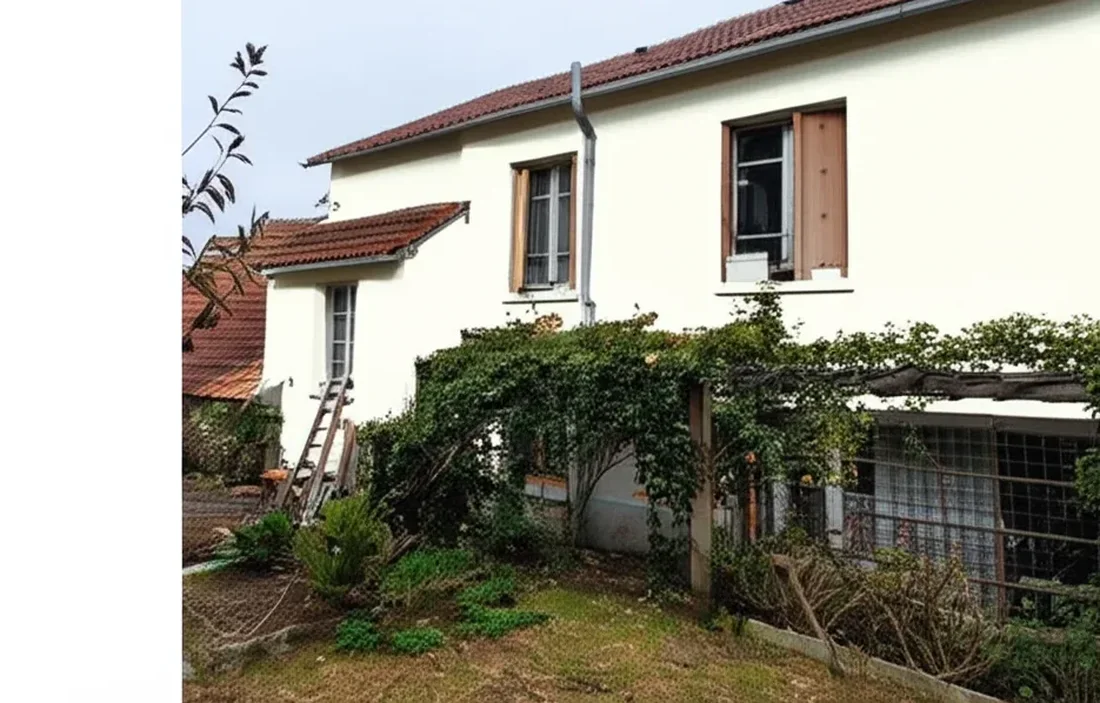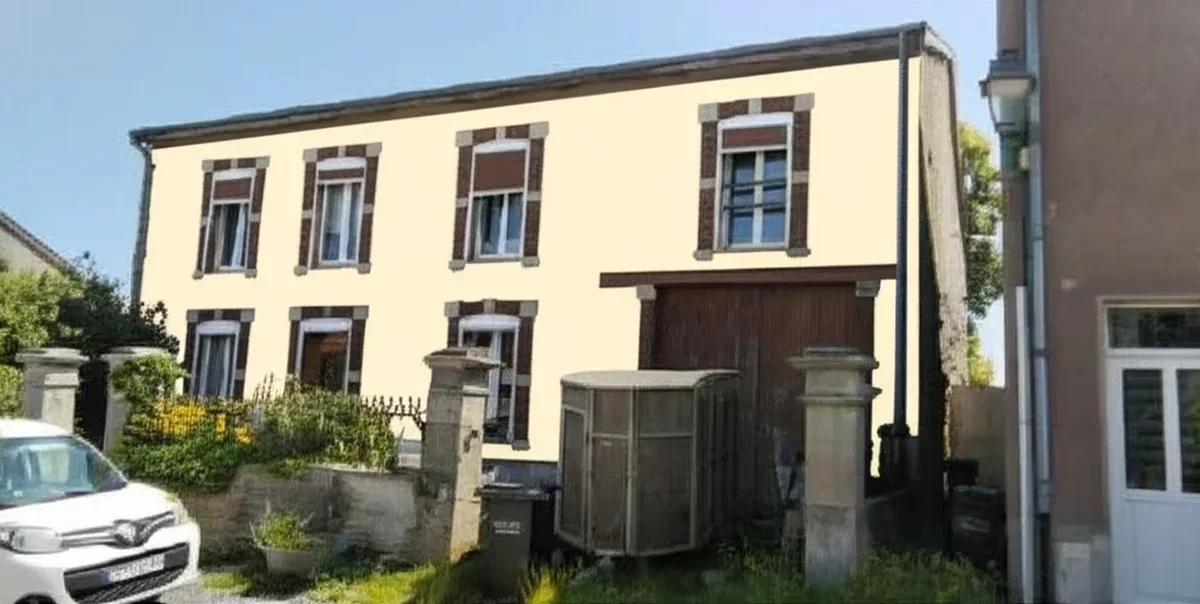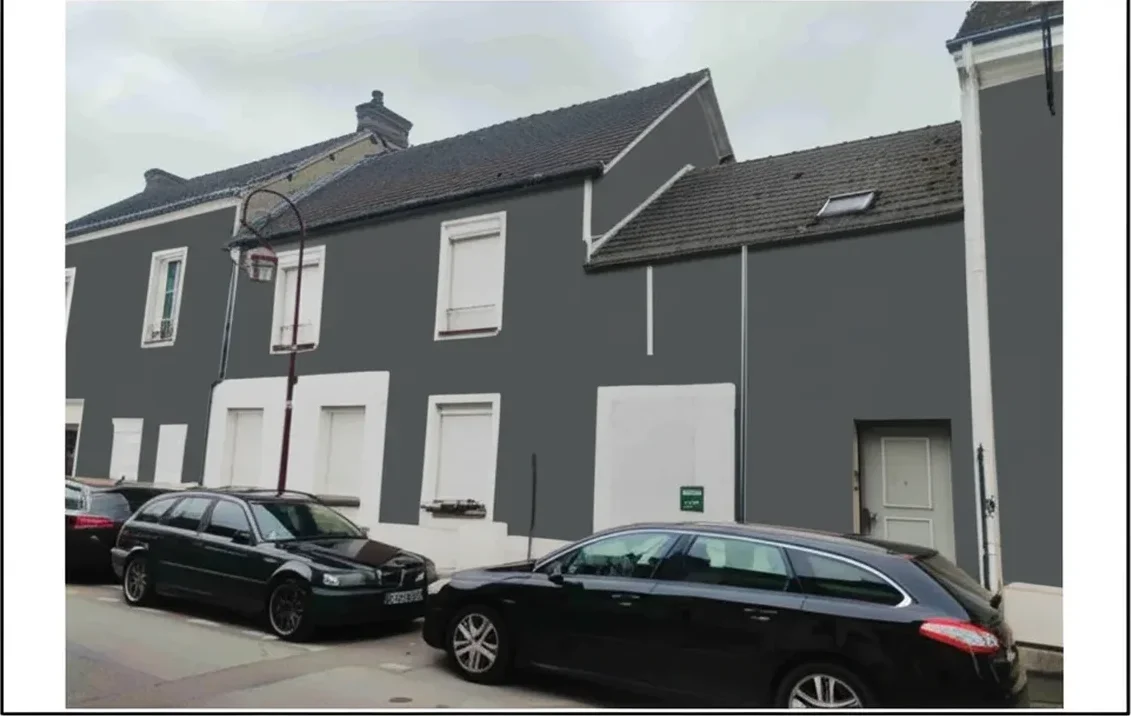
Try it on your house

The UK has roughly five million period property homes - Georgian, Victorian and Edwardian houses that demand specialist knowledge most general painters and decorators simply do not offer. Homeowners restoring sash windows in a Bath crescent or choosing heritage colours for an Arts & Crafts villa in Harrogate will happily pay a profit margin premium of 20–40 % for a decorator who truly understands their building. If you are a trade decorator looking for business growth, positioning yourself as a period property specialist is one of the fastest routes to higher-value residential decorating and commercial decorating contracts. This guide shows you exactly how to build that expertise, win the work, and deliver a professional finish that generates referral after referral. For a broader look at digital tools for your practice, see our colour visualiser for decorators guide.
Why Specialise in Period Properties?
General exterior painting and interior decorating jobs are fiercely competitive. On platforms like Checkatrade, dozens of decorators quote for the same living-room repaint, driving prices down to bare-minimum day rates. Period work is different. Clients seek out specialists, and they expect to pay more for them. A painter and decorator with proven heritage credentials enjoys three key advantages:
- Higher profit margin, heritage projects command £350–£550 per day versus £250–£350 for standard work, because the client is paying for knowledge, not just labour.
- Stronger referral pipeline - period-property owners form tight communities (local history societies, conservation area resident groups). One quality job generates two or three warm leads.
- Competitive advantage, few decorators invest in heritage training, so the niche is less crowded. You compete on expertise, not price.
Building a reputation also opens doors to commercial decorating contracts, country-house hotels, heritage trusts, and council-owned listed building stock all require specialist decorators on approved-contractor lists.
Heritage Paint Knowledge Every Specialist Needs
Knowing your paints is the foundation of credibility. Period substrates, lime render, soft brick, horsehair plaster, lath-and-plaster ceilings, behave differently from modern plasterboard and cement render. Using the wrong product traps moisture, causes blistering, and damages irreplaceable fabric. The table below summarises the key heritage paint systems and when to recommend each one.
| Paint System | Best For | Brands | Typical Cost / litre | Key Benefit |
|---|---|---|---|---|
| Limewash | Lime render, soft brick, stone | Little Greene, Earthborn, Ty-Mawr | £15–£30 | Fully breathable; bonds chemically to lime substrates |
| Distemper (soft / oil-bound) | Interior plaster, lath & plaster ceilings | Farrow and Ball, Little Greene | £25–£50 | Historically accurate flat finish; vapour-permeable |
| Microporous masonry paint | Exterior render, stucco | Dulux Trade, Sandtex, Johnstone's | £20–£40 | Weather protection with moisture release |
| Heritage emulsion | Interior walls in good condition | Farrow and Ball, Crown, Little Greene | £45–£80 | Deep pigment; curated period colour scheme palettes |
| Linseed oil paint | Exterior joinery, sash windows | Allback, Ottosson, Brouns & Co | £30–£55 | Flexible; nourishes timber; no microplastic flaking |
Try it on your house
No photo? Try a sample
Recommending the right system during a colour consultation instantly sets you apart from decorators who default to vinyl emulsion on every surface. It also protects you legally: applying a film-forming paint over lime can constitute damage to a listed building, exposing both you and the client to enforcement action.
Conservation Area and Listed Building Rules You Must Know
Understanding planning permission requirements is a genuine upselling opportunity: clients will pay you to navigate the process they find confusing. Here are the essentials:
- Listed buildings, any change to a listed property that affects its character requires listed building consent. This can include changing exterior paint colour, painting previously unpainted surfaces, or using a non-breathable product. Always check with the local planning authority before starting work.
- Conservation areas, repainting in the same colour is generally permitted, but an Article 4 Direction may restrict colour changes. Many conservation areas in cities like Bath, Edinburgh, York and London boroughs have such directions in place.
- Scotland, Historic Environment Scotland oversees listed properties, and the Planning (Scotland) Act applies. Harling (Scottish lime render) demands specialist lime skills.
- Wales, Cadw manages heritage assets. Welsh Government planning rules mirror English guidance but have their own application process.
As a specialist decorator, you can offer to prepare the visual evidence for the client's consent application. Heritage officers increasingly expect a before and after visualisation showing proposed colours. Upload the property photograph to FacadeColorizer, apply the proposed colour scheme, and include the colour preview image with the submission. This AI tool handles Georgian stucco facades, Victorian terraces and Edwardian bay-fronted semis with pixel-level accuracy. For full guidance on listed building regulations, read our listed building painting rules UK guide.
Pricing Period Property Work: Charge What You Are Worth
One of the biggest mistakes trade decorators make is quoting period jobs at standard rates. Heritage work takes longer - more preparation, specialist materials, and careful surface treatment - so your quotation must reflect that reality. Use these benchmarks when building your pricing:
| Job Type | Standard Rate | Period Specialist Rate | Premium |
|---|---|---|---|
| Full exterior repaint (3-bed semi) | £2,500–£4,000 | £3,500–£6,000 | +30–40% |
| Sash window restoration & repaint (per window) | £150–£250 | £250–£400 | +50–60% |
| Interior room (heritage emulsion + prep) | £400–£700 | £600–£1,000 | +35–45% |
| Lime render / limewash application | N/A (specialist only) | £45–£65 per m² | Premium niche |
| Colour consultation + consent visuals | Rarely offered | £150–£350 | Pure add-on |
Present your quotation alongside a colour preview generated by an AI tool like FacadeColorizer. Showing the client a realistic before and after of their home in the proposed colour scheme lifts your close rate dramatically, decorators using digital tools at the quoting stage report conversion increases of 30–40 %. For more on structuring quotes, see our decorator pricing strategy guide.
Using AI Visualisation to Win Period Property Clients
Period-property owners are emotionally invested in their homes. They do not want a decorator who turns up with a colour chart and says "that'll look nice". They want a client presentation that proves you understand their building. Here is a workflow that delivers exactly that:
- Photograph the property, capture the full elevation in diffused daylight, plus close-ups of decorative details (cornices, quoins, string courses).
- Upload to FacadeColorizer, generate two or three colour scheme options. The colour visualiser distinguishes render, brickwork, joinery and ironwork automatically.
- Create a mood board, pair the colour preview images with Farrow and Ball, Little Greene or Dulux Trade colour references and notes on the paint system you recommend.
- Present at the property, walk the client through each option on a tablet. Explain why each colour scheme suits the architectural period - muted off-whites and stone tones for Georgian, deeper earth reds and greens for Victorian, pastel creams and sage greens for Edwardian.
- Issue the quotation, attach the chosen visualisation to your written quote so the client has a visual record of what they are commissioning.
This approach transforms you from a "bloke with a brush" into a trusted heritage advisor. It justifies your premium rates, boosts customer satisfaction, and turns every completed project into a portfolio piece and a lead generation engine. Learn how to build a compelling project gallery in our decorator portfolio guide.
Building Your Reputation as a Period Specialist
Heritage credentials take time to accumulate, but every step you take widens the gap between you and general decorators. Consider these project management and marketing actions:
- Get trained, the Society for the Protection of Ancient Buildings (SPAB) runs courses in lime application, traditional painting and heritage care. A SPAB certificate on your Checkatrade profile or website signals genuine expertise.
- Join heritage networks, local civic societies, conservation-area advisory committees, and Historic England's contractor register all connect you with homeowners seeking specialist decorators.
- Document every project, take professional before and after photographs. Upload them to your portfolio and social media. ROI on a single set of high-quality images can be enormous when prospective clients share them within their community.
- Offer a colour consultation service, charge £150–£350 for an on-site heritage colour assessment, including colour preview visuals generated via FacadeColorizer. Many clients will proceed directly to the full decorating contract.
- Pursue commercial decorating tenders, councils, the National Trust, and English Heritage outsource period painting. Having a documented portfolio of listed building work is your entry ticket.
Over time, your referral network will sustain a steady pipeline of premium work without the need to compete on price for general residential decorating jobs.
Listed Building Consent: A Step-by-Step Process Specialists Can Charge For
The single most lucrative add-on for a period-property specialist is preparing the Listed Building Consent visual pack for the homeowner. Most decorators see consent as the client's problem; specialists treat it as a billable service line. The pack is a one-page Heritage Statement, elevation photographs, an annotated colour proposal naming the brand and reference (for example "front door, Dulux Heritage Regency Cream, oil eggshell"), an A4 paint sample board and a rendered colour preview. Submission is via the Planning Portal and there is no application fee in England under section 17 of the 1990 Act. Determination targets sit at 8 weeks. For Grade I and II* cases the application is referred to Historic England for a 28-day comment window.
Useful primary sources to cite in the bundle: historicengland.org.uk for traditional materials and breathable paint chemistry guidance, gov.uk/listed-buildings for the legal framework, and the Institute of Historic Building Conservation (ihbc.org.uk) for accredited heritage professionals if the case is complex. Charging GBP 150 to GBP 400 for the pack is now standard among specialists, and it usually leads directly to the painting contract.
Period-Correct Colours: Brand Lines Conservation Officers Recognise
Naming the architectural period in your quote and tying it to a documented brand range carries serious weight. Georgian (1714 to 1830): stone, off-white and lime cream renders with lead grey, oxblood red or bottle green doors. Reference Farrow and Ball Slipper Satin, Dulux Heritage Regency Cream, Little Greene Stone-Pale-Warm. Regency: Suffolk pink stucco, pale lime cream. Reference Crown Period Collection Soft Lime, Johnstone's Heritage Pale Stone. Early Victorian: deeper earth tones, chocolate brown. Reference Farrow and Ball London Stone or Little Greene Rolling Fog. Late Victorian and Edwardian: sage green, ochre, teal on joinery. Reference Dulux Heritage Pale Cashmere or Crown Eau de Nil. Arts and Crafts: Brunswick green, signal red, slate grey, soft sage. Reference Little Greene French Grey or Farrow and Ball Studio Green.
Article 4 Directives: Local Knowledge As a Sales Asset
An Article 4 Direction withdraws permitted development rights from a defined area, normally a conservation area. For paint, the practical impact is that any colour change on an already-painted surface requires a householder planning application (around GBP 258 in England). Coverage is dense across Bath (35 conservation areas covered), the City of Westminster and Kensington and Chelsea in London, Edinburgh, York, Oxford, Cambridge, Bristol Clifton, Cheltenham and Brighton. A specialist who can name the streets covered in their local market, and who already holds approval templates that have worked, sells differently from a general decorator. Most council planning portals publish interactive GIS maps where a postcode pin reveals listed status, conservation area boundary and Article 4 overlays in a single view.
Heritage Restriction Cross-Reference for Specialists
| Listing / zone | Paint restriction | Consent route | Day rate uplift |
|---|---|---|---|
| Grade I | Lime wash or mineral silicate; paint-scrape match | LBC + Historic England referral | +40 to +60 % |
| Grade II* | Breathable systems mandatory pre-1919 | LBC + Historic England referral | +30 to +50 % |
| Grade II | Like-for-like permitted; colour change needs consent | LBC (local authority) | +20 to +40 % |
| Conservation area + Article 4 | Colour change restricted | Householder planning (~GBP 258) | +10 to +25 % |
| Conservation area only | Council discretion; like-for-like accepted | Pre-application enquiry recommended | +10 to +20 % |
Sources: Planning (Listed Buildings and Conservation Areas) Act 1990, Historic England, IHBC.
Note from our visualiser data.
Across 16,983 colour previews produced through 2026, UK heritage and conservation-area briefs attach more renders per quote (around 3.1) than general residential briefs (2.4). Specialists who present side-by-side period-correct options before the Listed Building Consent application is submitted report faster officer decisions and fewer requests for additional information.
Start Winning Period Property Work Today
Specialising in period property decorating is not an overnight transformation, but it is one of the smartest business growth moves a UK painter and decorator can make. The demand is there: millions of Georgian, Victorian and Edwardian homes need expert care, and owners are willing to pay a meaningful premium for the right decorator.
Your first step is free. Head to facadecolorizer.com/en, upload a photograph of a period property you have worked on (or are quoting for), and generate a professional colour preview in under 30 seconds. Use it in your next client presentation and watch your close rate, and your reputation, climb.
Test heritage shades on your period property. 30 seconds, no signup.
Try it free on my photoFrequently asked questions
Do I need special qualifications to decorate period properties in the UK?
How much more can I charge for period property decorating versus standard work?
What paint should I use on a listed building exterior?
Do I need permission to paint the exterior of a house in a conservation area?
How can a colour visualiser help me win period property decorating jobs?
Trademarks mentioned (Sherwin-Williams, Benjamin Moore, Behr, Caparol, Brillux, Sto, Alpina, Valspar, PPG, Glidden, Dulux, Crown Trade, Sandtex, Farrow & Ball, Johnstone's, Leyland) are property of their respective owners. FacadeColorizer is independent and not affiliated with any of them. Nominative fair use under Lanham Act §1125.