
Developer & creator of FacadeColorizer · Paris
Reviewed by Hugo Dumoulin, Founder of FacadeColorizer · Updated 2026-03-25
Searching for a painter and decorator in York? With a population of around 198,000, York is one of England’s most architecturally rich cities — a place where medieval timber-framed buildings on the Shambles sit alongside elegant Georgian townhouses on Bootham and Victorian terraces in Bishopthorpe Road. With 35 conservation areas and some of the strict heritage controls in the country, choosing the right decorator and understanding the regulations is not optional — it is essential. This guide gives you the real 2026 prices, planning permission rules, and practical advice for hiring a decorator in York.
Before you commit to a colour, try our free AI house colour visualiser to see exactly how your property will look — no sample pots, no ladders, no commitment.
For full pricing, see our complete UK cost guide.
How Much Does a Painter and Decorator Cost in York?
York’s high property values (averaging £310,000) and the specialist skills required for its historic building stock push decorator rates above the national average. Day rates range from £170 to £280, with hourly rates of £25–£45 depending on experience and heritage expertise. The average painting project in York comes in at around £880, with most homeowners paying between £480 and £1,550. Here is a full breakdown for 2026:
| Service | York Price | National Average |
|---|---|---|
| Day rate (painter & decorator) | £170 – £280 | £180 – £250 |
| Hourly rate | £25 – £45 | £25 – £40 |
| Single room (walls & ceiling) | £390 – £510 | £380 – £500 |
| Interior walls & ceilings (per m²) | £10 – £28 | £10 – £25 |
| Lime render (per m²) | £60 – £80 | £55 – £80 |
| Full exterior — 3-bed terrace | £800 – £1,400 | £800 – £1,200 |
| Average project cost | £880 (£480 – £1,550) | £800 (£450 – £1,500) |
York Tip
York’s heritage premium is real. Decorators experienced with listed building work and lime render command the highest rates. Within the city walls, expect to pay 15–25% more than in outer suburbs like Haxby or Strensall. Heritage-specialist decorators are in high demand — book 6–8 weeks ahead during summer.
Medieval, Georgian, and Victorian Properties in York
York’s building stock spans nearly a thousand years, and each period demands a different decorating approach:
- Medieval timber frames: the Shambles and surrounding streets contain some of England’s best-preserved medieval timber-framed buildings. These require specialist limewash finishes and careful lime mortar pointing. Modern paints and renders are inappropriate — only breathable render and traditional materials should be used.
- Georgian townhouses: Bootham, Micklegate, and The Mount feature elegant Georgian properties with decorative stucco facades, sash windows, and classical detailing. Lime render with lime mortar is essential for repairs — modern cement render traps moisture and causes damp. Budget £60–£80 per m² for lime render work.
- Victorian terraces: Bishopthorpe Road, Holgate, and South Bank have rows of Victorian terraces in local brick. Sash windows need repainting every 5–7 years at £55–£85 per window. Interior features like picture rails and ceiling roses are common.
- Edwardian and inter-war: areas like Acomb and Tang Hall have Edwardian semis and inter-war estates. Pebble dash and roughcast finishes are common and can be overpainted with masonry paint or re-rendered with silicone render.
Planning Permission, Conservation Areas, and Strict Heritage Rules in York
York has 35 conservation areas and some of the most strict heritage controls in England. The rules here are more onerous than in most cities:
- Standard property outside conservation areas: no planning permission is needed for painting or repainting, including changing the colour. This is classed as permitted development.
- Conservation area (35 across York): you do not need planning permission simply to repaint in the same colour, but changing the colour or adding exterior rendering to a previously unrendered building requires approval from the City of York Council. Any alteration that materially changes external appearance needs consent.
- Listed buildings: York has over 2,000 listed building entries — one of the highest concentrations in England. Any exterior alteration — including repainting, re-rendering, or even changing window colour — requires Listed Building Consent. The council’s heritage team scrutinises applications carefully, and they often specify acceptable materials and colours.
- Article 4 Directions: many of York’s conservation areas have Article 4 Directions that remove permitted development rights even for minor changes. This means even a standard repaint may require approval.
- Materials restrictions: for listed and heritage properties, the council frequently mandates lime render, limewash, and traditional lime mortar. Modern masonry paint, silicone render, and cement render are often explicitly prohibited on historic facades.
Key advice: in York, always check with the City of York Council’s planning and heritage team before starting any exterior work. The strict heritage controls mean that even seemingly minor changes can require consent. Unauthorised work on listed buildings is a criminal offence with serious penalties.
Best Season to Paint in York
York sits in the Vale of York with a climate that affects exterior decorating:
- Best months: May to September. Temperatures sit between 10°C and 21°C — ideal for paint adhesion and curing. June and July are typically the driest months.
- Rainfall: York receives roughly 640 mm of rain per year with around 115 rain days — relatively dry for a northern city. However, the Ouse floodplain means some properties face periodic flooding risk.
- Frost risk: York averages 50–60 frost days per year — more than most English cities. Frost resistance is critical when choosing render systems and exterior paints. Paint should never be applied below 5°C, ruling out November through March.
- Exterior paint longevity: on masonry surfaces, expect exterior paint to last 5–10 years in York. Exposed north-facing stone facades may need recoating sooner.
- Interior work: can be carried out year-round, though ventilation is easier in warmer months. Heritage properties with thick stone walls stay cool in summer and cold in winter — factor drying times accordingly.
Choosing a Decorator in York
York demands decorators with heritage expertise. Finding the right one is more important here than in most cities:
- Check Checkatrade or MyBuilder: look for decorators with 25+ reviews and a rating of 4.5 or above. For heritage work, ask specifically for references from listed building projects.
- Heritage expertise is essential: a decorator experienced with medieval timber frames, Georgian stucco, and lime render work is worth the premium. Ask about their experience with Listed Building Consent applications and council heritage team requirements.
- Request itemised quotes: preparation, number of coats, paint brand (Dulux Trade, Farrow & Ball, or Crown), and any scaffold costs should all be listed separately. For heritage work, lime render and limewash costs should be broken out.
- Insurance: confirm public liability insurance of at least £2 million. For listed building work, specialist heritage insurance is recommended.
- Paint quality matters: Farrow & Ball is the top choice for York’s period properties — their traditional formulations and heritage colour palette are well suited to Georgian and Victorian facades. Dulux Trade and Crown Trade work well for standard properties. For non-heritage exterior rendering, K Rend silicone render systems are excellent, but always check council restrictions first.
- PDA membership: Painting & Decorating Association members adhere to professional standards and carry appropriate insurance.
Rendering Options and Damp Solutions for York Properties
York’s historic building stock means traditional renders dominate, but modern options are available for non-heritage properties. Understanding the different render types and their cost per m² is essential:
- Lime render with lime mortar: the default choice for York’s medieval and Georgian properties, and often the only material permitted on listed buildings. Fully breathable render at £60–£80/m², allowing moisture to escape from older stone and timber walls. Essential in conservation area properties.
- Cement render (sand and cement): suitable for non-listed, non-heritage properties at £35–£65/m². Applied as a scratch coat followed by a top coat, then painted with masonry paint such as Dulux Trade Weathershield or Sandtex. Watch for render crack damage from York’s frequent freeze-thaw cycles.
- Silicone render: a premium option at £75–£120/m², but not permitted on listed buildings or in many York conservation areas. K Rend and Weber silicone systems are excellent for non-heritage properties — self-coloured render with superb frost resistance and breathable render properties.
- Monocouche render: a single-coat system at £55–£90/m². Again, check council restrictions before use in heritage settings. A bellcast bead at the base and stop bead at edges ensure clean termination. Render mesh is embedded for crack prevention.
- Polymer render: a flexible option at £70–£110/m². Suitable for non-heritage properties with movement.
- Pebble dash and roughcast: found on inter-war properties in Acomb and Tang Hall. Can be overpainted with masonry paint or covered with silicone render (subject to council approval in conservation areas).
Damp is a major concern in York, exacerbated by the city’s low-lying position on the Ouse floodplain. Rising damp is particularly prevalent in older properties near the river. A professional property survey or condition report is essential before any rendering or decorating work on properties in flood-risk areas. Always use breathable render and masonry paint on historic stone properties — trapping moisture behind impermeable coatings causes severe damage.
For scaffold access on two-storey properties, budget £650–£1,600. In York’s narrow medieval streets, scaffold erection may require road closure permits, adding £200–£500. An access tower is a cheaper alternative for single-storey work at £80–£200 per week.
Energy Efficiency Grants and Standards
Adding EWI (External Wall Insulation) as part of a rendering project can improve your home’s EPC rating — but in York, EWI is rarely permitted on listed buildings or in conservation areas. Internal wall insulation is usually the only option for heritage properties. The Green Homes Grant successor schemes and the ECO scheme (ECO4) may cover part of the cost for qualifying households. All work should comply with BS 4800 colour standards where specified.
Understanding Your Exterior Surface Before Painting
Before booking a painter and decorator, it is essential to understand your property's exterior surface. Many UK homes feature pebble dash or roughcast finishes, which require specialist preparation. If your walls have polymer render, self-coloured render, or traditional cement render with a bellcast bead and stop bead at the edges, the paint system must be compatible with these substrates. A condition report from a surveyor can identify any render crack, rising damp, or areas where render mesh has failed beneath the scratch coat and top coat.
For properties with breathable render or lime mortar joints, choose masonry paint that allows moisture vapour to escape, Dulux Trade Weathershield, Sandtex 365, Crown Smooth Masonry, and Farrow & Ball Exterior Masonry are all excellent options conforming to BS 4800 colour standards. If exterior rendering repairs are needed first, expect to pay an additional cost per m² of £40–£80 depending on whether you choose silicone render, monocouche render, or sand and cement render. Accessing upper floors typically requires scaffold or an access tower, adding £500–£1,500 to the total project cost. Properties with an EPC rating of D or below may also qualify for the ECO scheme or Green Homes Grant towards EWI (External Wall Insulation), combining insulation with repainting can deliver significant savings. Always request a property survey and check frost resistance ratings if work extends into autumn, as K Rend and Weber products have specific temperature requirements.
Visualise Your York Property Before Painting
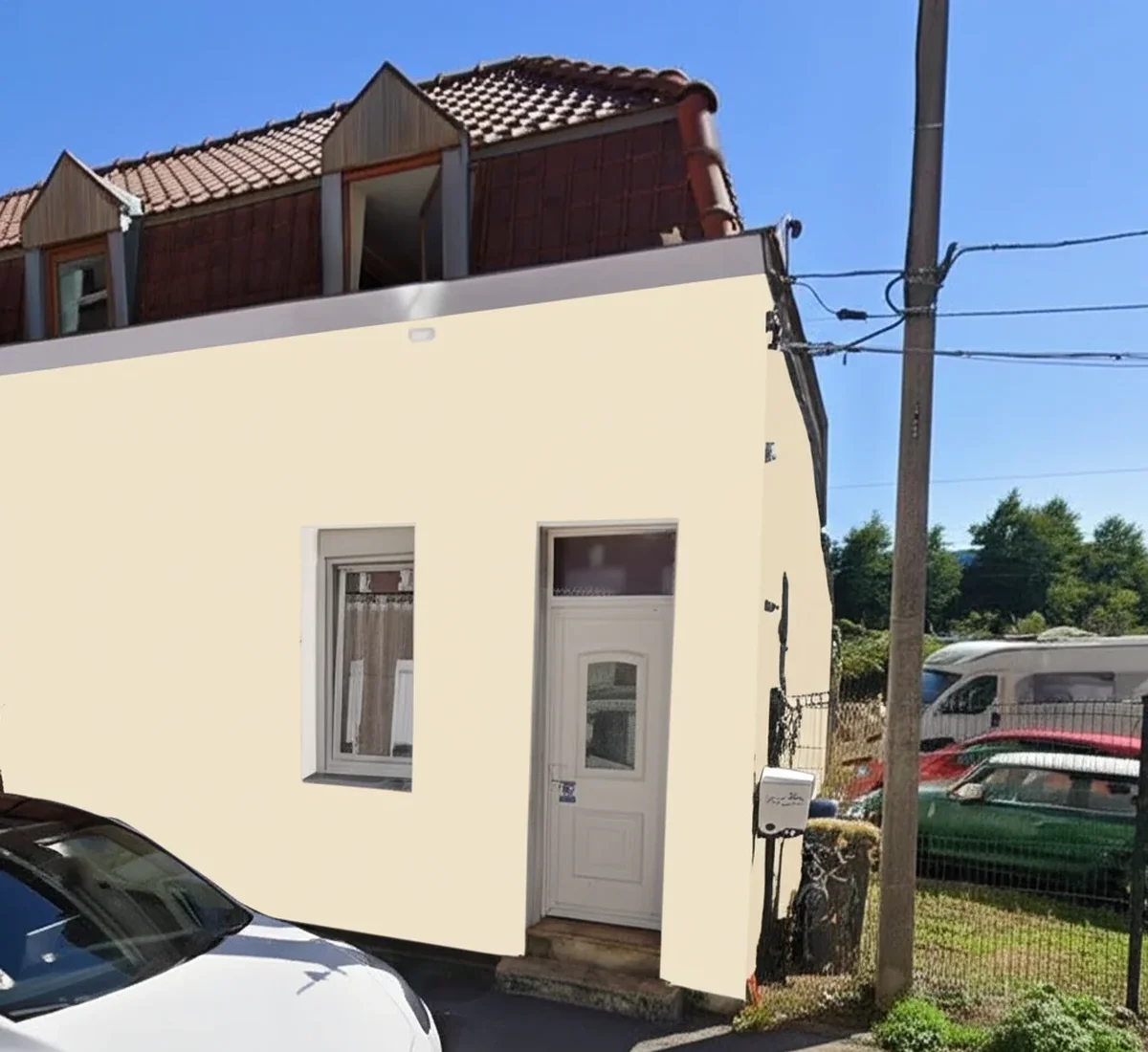
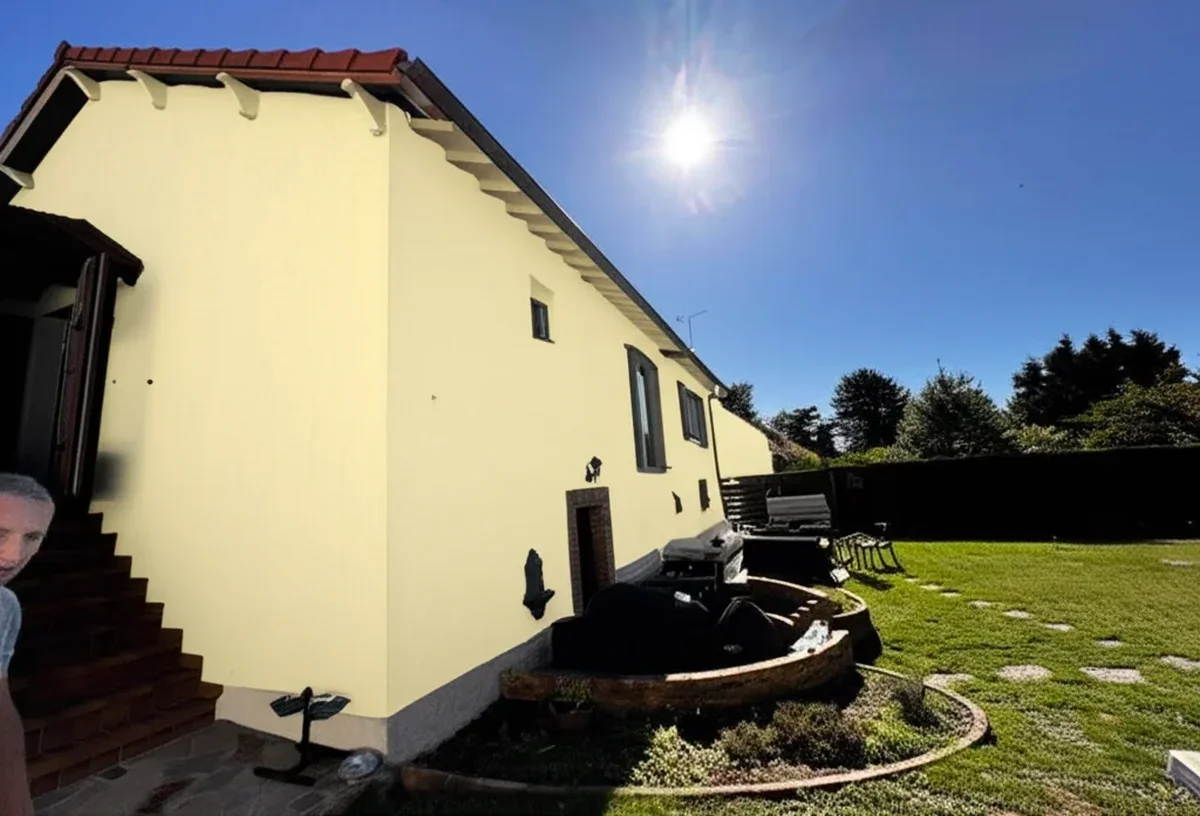
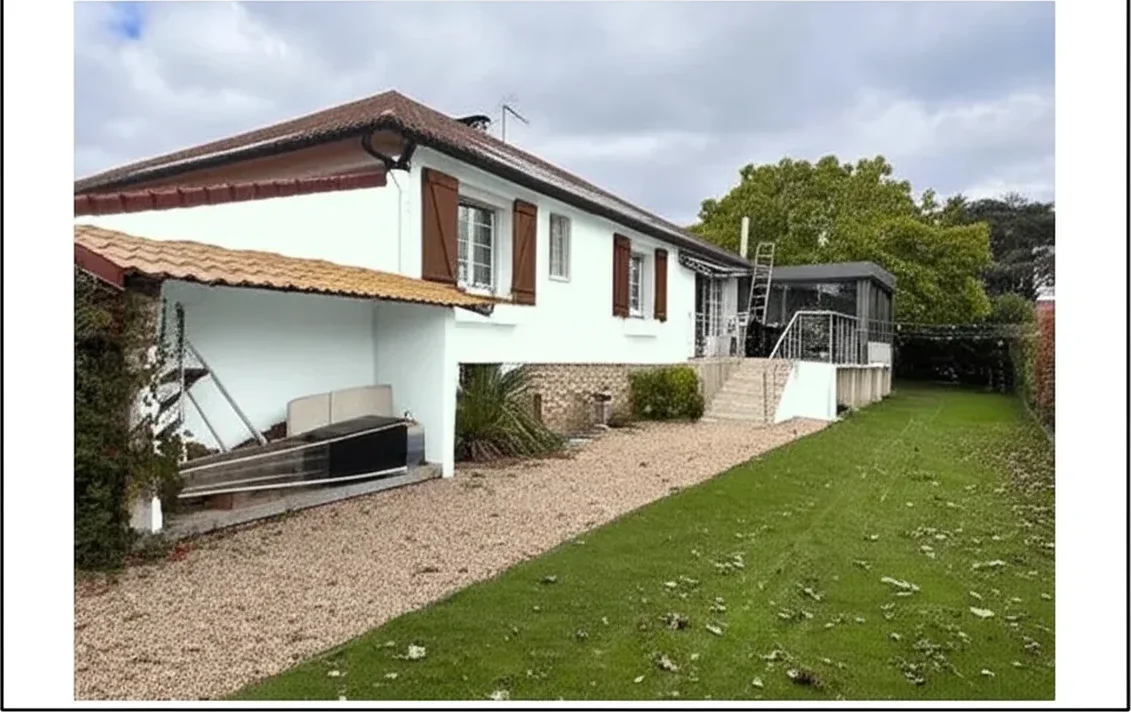
Whether you are refreshing a Georgian townhouse on Bootham, updating a Victorian terrace on Bishopthorpe Road, or modernising a detached home in Haxby, choosing the right colour makes all the difference. FacadeColorizer lets you upload a photo of your property and test any colour in seconds — try Farrow & Ball’s Cornforth White, Dulux’s Polished Pebble, or Crown’s Sail White and see the result instantly. It is completely free, with no sign-up required.
Frequently asked questions
How much does a painter and decorator cost in York?
Do I need planning permission to paint my house in York?
What materials can I use on a listed building in York?
When is the best time to paint the outside of a house in York?
Trademarks mentioned (Sherwin-Williams, Benjamin Moore, Behr, Caparol, Brillux, Sto, Alpina, Valspar, PPG, Glidden, Dulux, Crown Trade, Sandtex, Farrow & Ball, Johnstone's, Leyland) are property of their respective owners. FacadeColorizer is independent and not affiliated with any of them. Nominative fair use under Lanham Act §1125.