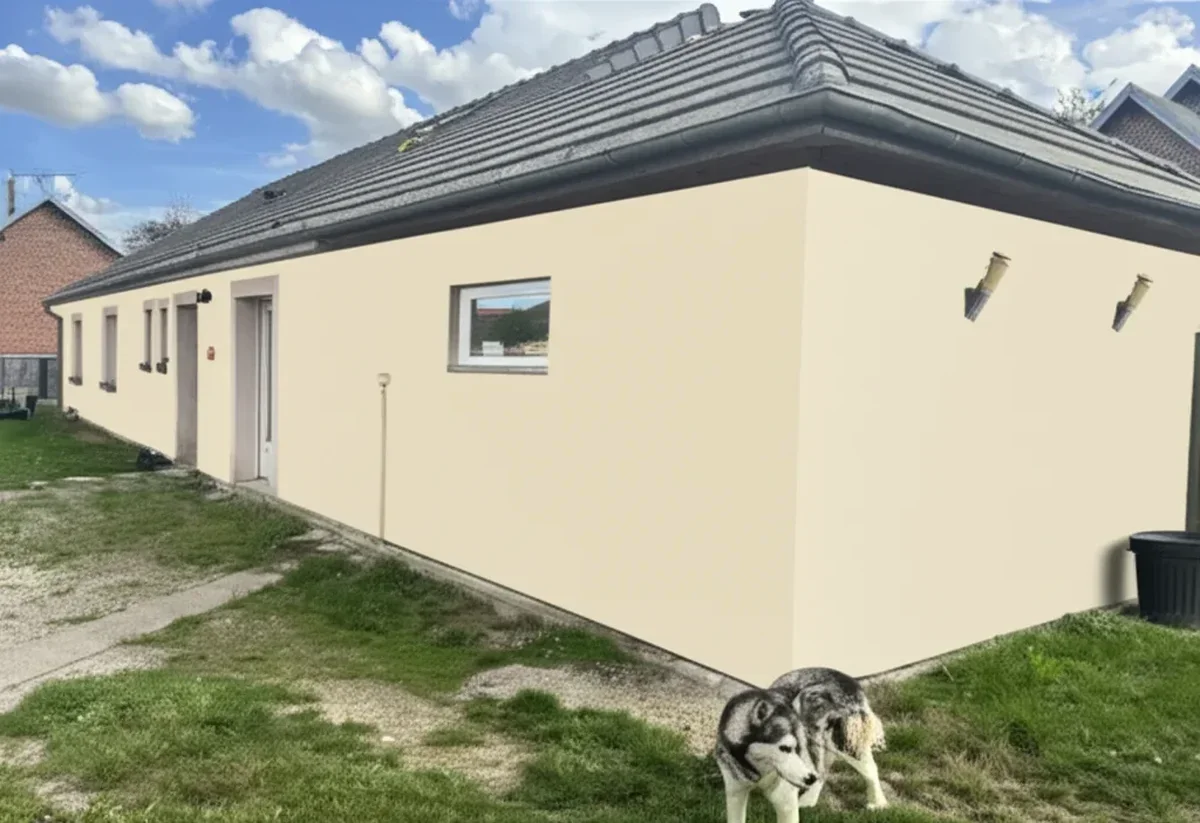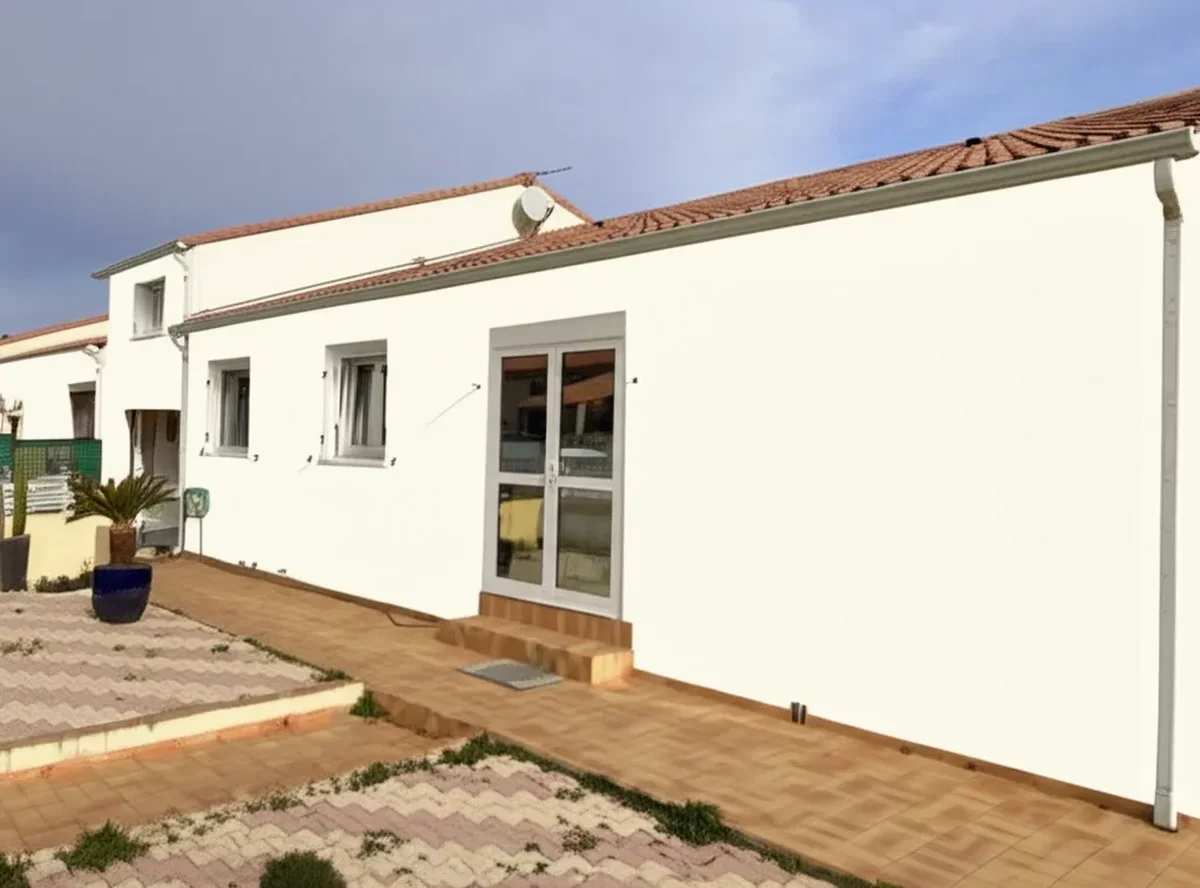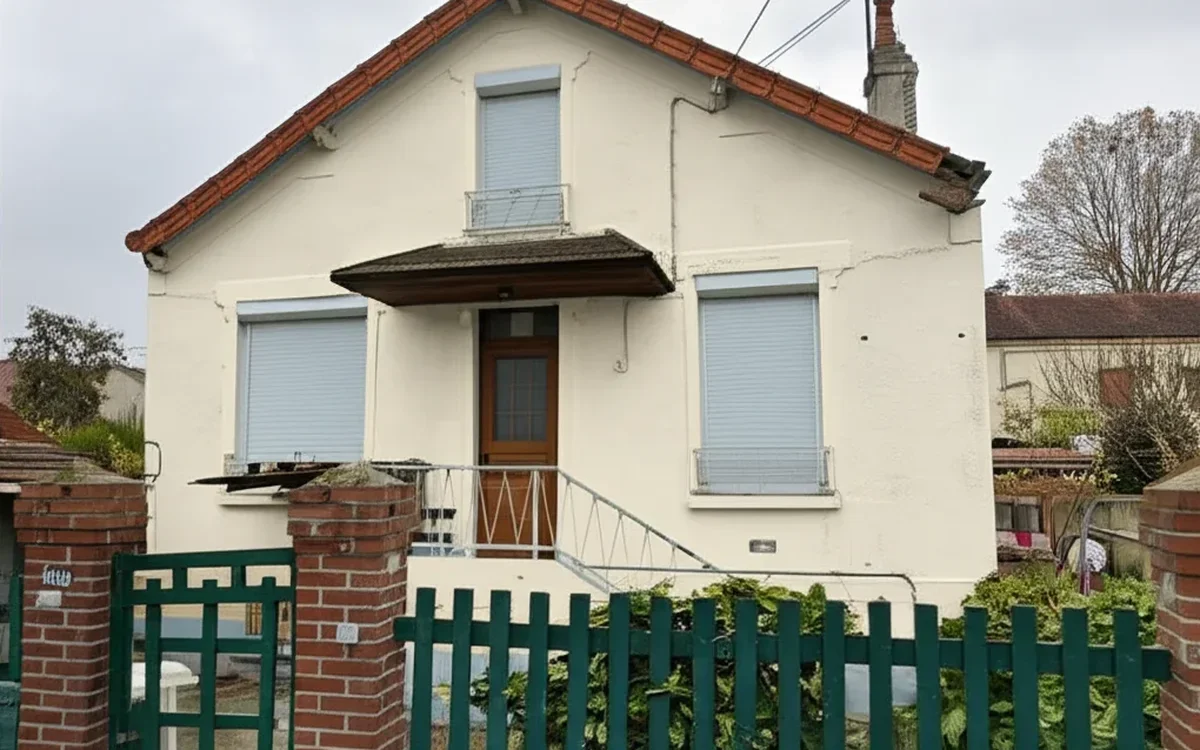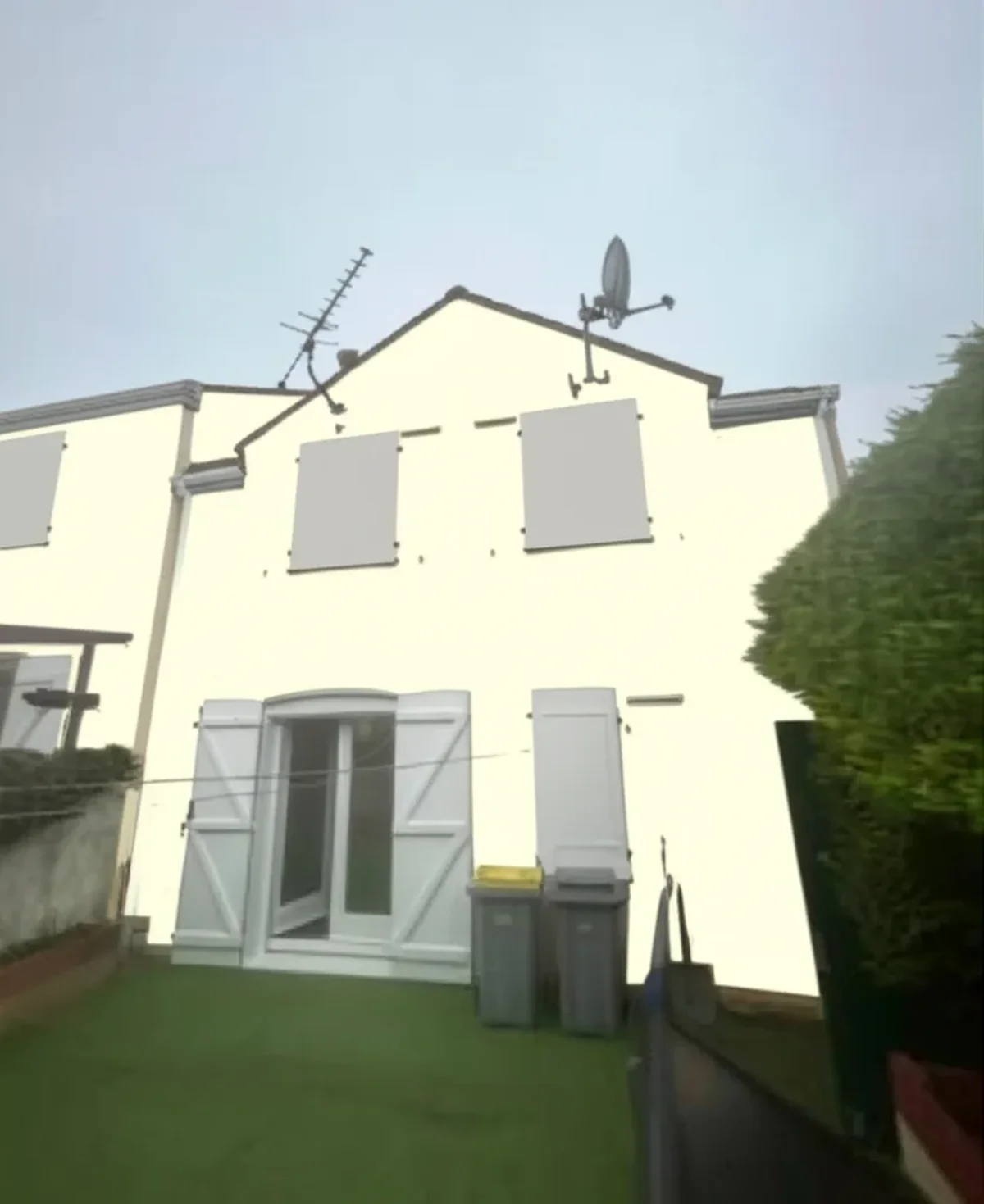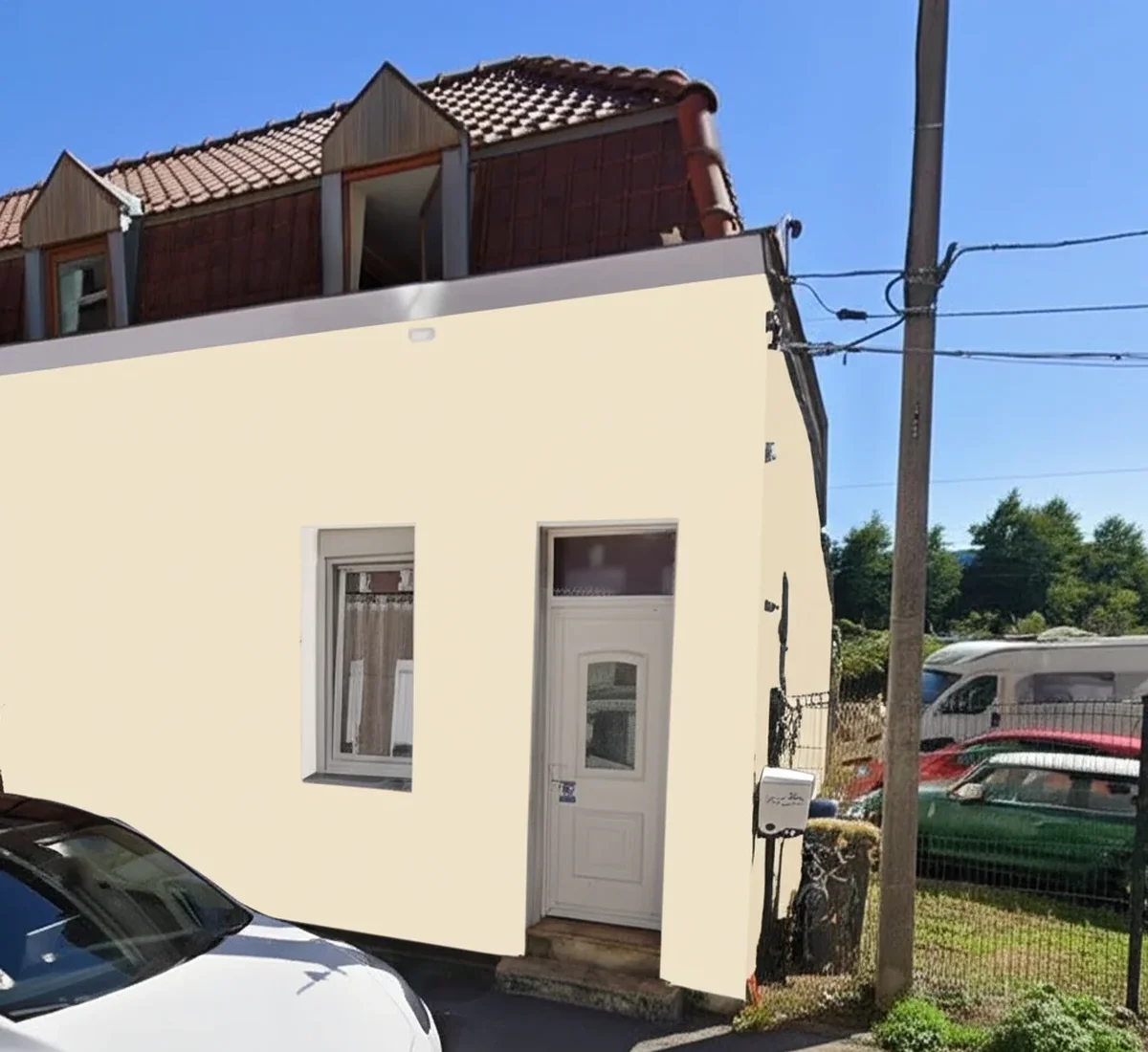
Try it on your house

Choosing exterior paint colors that satisfy your homeowners association while still reflecting your personal style can feel like threading a needle. The approved color palette your HOA publishes is designed to protect property value, maintain curb appeal, and ensure visual harmony across the planned community. But not every shade of beige is created equal, and 2026 is bringing fresh options that are winning architectural review approval across the country.
Below you will find the most commonly approved colors by region, brand-specific picks from Sherwin-Williams, Benjamin Moore, and Behr, and proven strategies for getting your paint submission greenlit, even if you want to push beyond safe neutral colors. Before you submit a single color sample, preview your color on your actual home with our free AI paint visualizer so your architectural committee can see exactly what you have in mind. If you are on a phone, the browser app that produces the HOA mockup from one photo needs no download and exports the render you attach to the request.
Why HOA Color Palettes Are Shifting in 2026
For decades, HOA color restrictions leaned toward a narrow band of tans and off-whites. That is changing. As new construction communities adopt contemporary styles, palettes are expanding to include deeper grays, muted greens, and warm charcoals. Homebuyers in suburban markets demand more individuality alongside resale value, and improved fade resistance from Sherwin-Williams and Benjamin Moore makes darker exterior paint colors viable even in sun-drenched regions. Digital color simulators give architectural committees the confidence to approve bolder options because they can visualize the outcome before a gallon is opened.
If you are new to HOA regulations, start with our complete HOA exterior paint color rules guide before diving into specific colors.
Top HOA-Approved Colors by Region
While every association's approved color palette is unique, regional patterns emerge based on climate, architectural tradition, and local market preferences. The table below highlights the colors that consistently pass paint approval in each major U.S. region for 2026, along with recommended trim color and accent color pairings. Use it as a starting point, then confirm against your specific CC&Rs and neighborhood guidelines.
| Region | Body Colors (Most Approved) | Trim & Accent | Notes |
|---|---|---|---|
| Southeast (FL, GA, SC, NC) |
SW Accessible Beige, BM White Dove, Behr Almond Wisp, warm tans, soft coral | Crisp white trim; shutters in deep green or navy | Light colors dominate for heat reflection on stucco and siding |
| Southwest (AZ, NM, TX, NV) |
SW Toasty, BM Revere Pewter, terracotta, sandy beige, warm clay | Desert sage or cream trim; turquoise front door accents | Earth tones dominate; stucco-friendly palettes standard |
| Northeast (MA, NY, PA, CT) |
BM Hale Navy, SW Repose Gray, colonial blue, slate gray, classic ivory | White or cream trim; burgundy or forest green shutters | Heritage colors required in many historic district areas |
| Midwest (IL, OH, MN, MI) |
SW Agreeable Gray, BM Edgecomb Gray, warm greige, soft taupe, stone | Off-white trim; charcoal or black garage door | Durable neutral colors preferred for harsh winters |
| West Coast (CA, OR, WA) |
SW Iron Ore, BM Simply White, sage green, warm charcoal, greige | Natural wood-tone or matte black trim; bold front door colors | More modern palettes; deeper tones gaining paint approval |
| Pacific (HI) |
BM Linen White, SW Sea Salt, BM Templeton Gray, SW Tradewind | SW Pure White trim; forest green or navy shutters; deep red front door | Salt-air and tropical-UV product specs required; body LRV often capped |
Try it on your house
No photo? Try a sample
That last row is the outlier worth a second look. Hawaii is the one market whose approved palettes do not map onto any mainland region: committees there work from Plantation Heritage creams, Hawaiian native reds and ocean blues, and coastal-modern sea-salt greens, and many publish a maximum body LRV, commonly 80, to control daytime glare on neighbors and adjacent roads. That ceiling is unusual enough that a color approved on the mainland can fail in Honolulu for being too light. Our guide to HOA-approved exterior colors for Hawaii covers the island-by-island differences and the HRS 421J procedure behind them.
Regardless of region, the safest bet is pairing a warm or cool neutral color body with a contrasting trim color from the same brand family. This approach satisfies most covenants and creates a cohesive look that boosts curb appeal. If you want to drill deeper into the safest neutral family, our roundup of gray exterior paint colors (the most HOA-approved family) walks through the warm, cool, and greige options committees approve most often in 2026.
Brand-Specific HOA Color Picks for 2026
Each major paint manufacturer maintains dedicated programs for HOA communities. Here are the standout colors gaining traction on approved color palettes this year:
Sherwin-Williams
- Accessible Beige (SW 7036), The quintessential greige. Warm enough to feel inviting, neutral enough to pass virtually any architectural review.
- Agreeable Gray (SW 7029), A cooler greige ideal for siding in the Midwest and Northeast.
- Evergreen Fog (SW 9130), A muted sage green reflecting the 2026 nature-inspired trend; increasingly approved on the West Coast.
Benjamin Moore
- White Dove (OC-17), A soft warm white for both body and trim. Universally approved.
- Revere Pewter (HC-172), A timeless greige, safe for repainting in any region.
- Hale Navy (HC-155), Gaining acceptance as a body color for Craftsman homes in the Northeast.
Behr
- Almond Wisp (N260-1), A warm cream popular in Southeast planned community palettes.
- Creamy Mushroom (N240-2), A light taupe that complements stone and brick, a compliance-friendly favorite.
If your CC&Rs reference a Sherwin-Williams color but you prefer Benjamin Moore, use a color matching service at your local paint store to find the closest equivalent and submit both swatches with your application.
How to Push Boundaries Without Getting a Violation
Want something bolder than greige? You can still express your style while staying in compliance with your neighborhood guidelines. Here is how savvy homeowners are navigating the line in 2026:
- Lead with the front door. Most CC&Rs allow bolder accent color choices on the front door. A deep teal or vibrant red door paired with a neutral body is the fastest-approved way to stand out.
- Use a color simulator. Attach a photorealistic preview to your paint submissionour free tool helps the architectural committee say yes faster.
- Reference recent approvals. Ask for a list of recently approved color samples in your community. A neighbor's similar tone creates precedent.
- Frame it as a value play. Colors that photograph well boost resale value and online listing engagement, supporting property value.
- Propose a test area. Offer to paint a 4-by-4-foot section and invite the committee to view it in different lighting before final paint approval.
Understanding the full cost of repainting before you begin helps you budget for any revisions. Our exterior house painting cost guide breaks down national and regional pricing for 2026, from labor and scaffolding to primer and finish coats.
HOA repainting cycles are one of the few cases where the budget Sherwin-Williams line, A-100, is the sensible specification: a light approved color on sound siding repainted on a fixed schedule does not need a lifetime-warranty film. Our A-100 exterior review sets out what the 15-year warranty actually covers.
Maintenance and Repainting Requirements
Most CC&Rs include a maintenance schedule requiring repainting every 7 to 10 years, or sooner if peeling, fading, or chalking is visible. Enforcement for neglected paint is as strict as for unapproved colors, with violation notices and fines following the same escalation path. When your scheduled repaint arrives, use it as an opportunity to request a color update, architectural committees are more receptive during routine maintenance because the home needs painting regardless.
HOAs monitor siding, trim color on fascia and soffits, the garage door, shutters, and the front door. Keep all elements coordinated with your approved color palette to maintain compliance and avoid surprise violation letters. Time your color consultation with your regular maintenance schedule for the smoothest paint approval experience.
Visualize Your HOA Color Before You Commit
The difference between a fast approval and a drawn-out back-and-forth often comes down to whether the architectural committee can see what you see. Our AI-powered color simulator lets you upload a photo and test any exterior paint color, body, trim color, accent color, front door, and garage door, in seconds. Attach the visualization to your paint submission and the committee gets a photorealistic preview instead of guessing how "Accessible Beige" will look on your siding at sunset.
Preview your color before submitting to HOA
Upload a photo of your home and test HOA-friendly palettes instantly, free, no sign-up required.
Try the Free Color VisualizerFrequently asked questions
What exterior paint colors do most HOAs approve in 2026?
Do HOA-approved colors vary by region?
Can I use a bold front door color and still pass HOA review?
How can I get my HOA to approve a non-standard exterior color?
How often does an HOA require homeowners to repaint their exterior?
Official sources
To verify the regulatory information in this guide at the primary source:
- US EPA : Lead-safe (RRP) rules for homes built before 1978
- U.S. Department of Energy : Energy-efficient exterior and coating guidance
- International Code Council : Model building codes adopted by most US jurisdictions
External links. FacadeColorizer is not affiliated with these bodies and their guidance may change over time.
Trademarks mentioned (Sherwin-Williams, Benjamin Moore, Behr, Caparol, Brillux, Sto, Alpina, Valspar, PPG, Glidden, Dulux, Crown Trade, Sandtex, Farrow & Ball, Johnstone's, Leyland) are property of their respective owners. FacadeColorizer is independent and not affiliated with any of them. Nominative fair use under Lanham Act §1125.