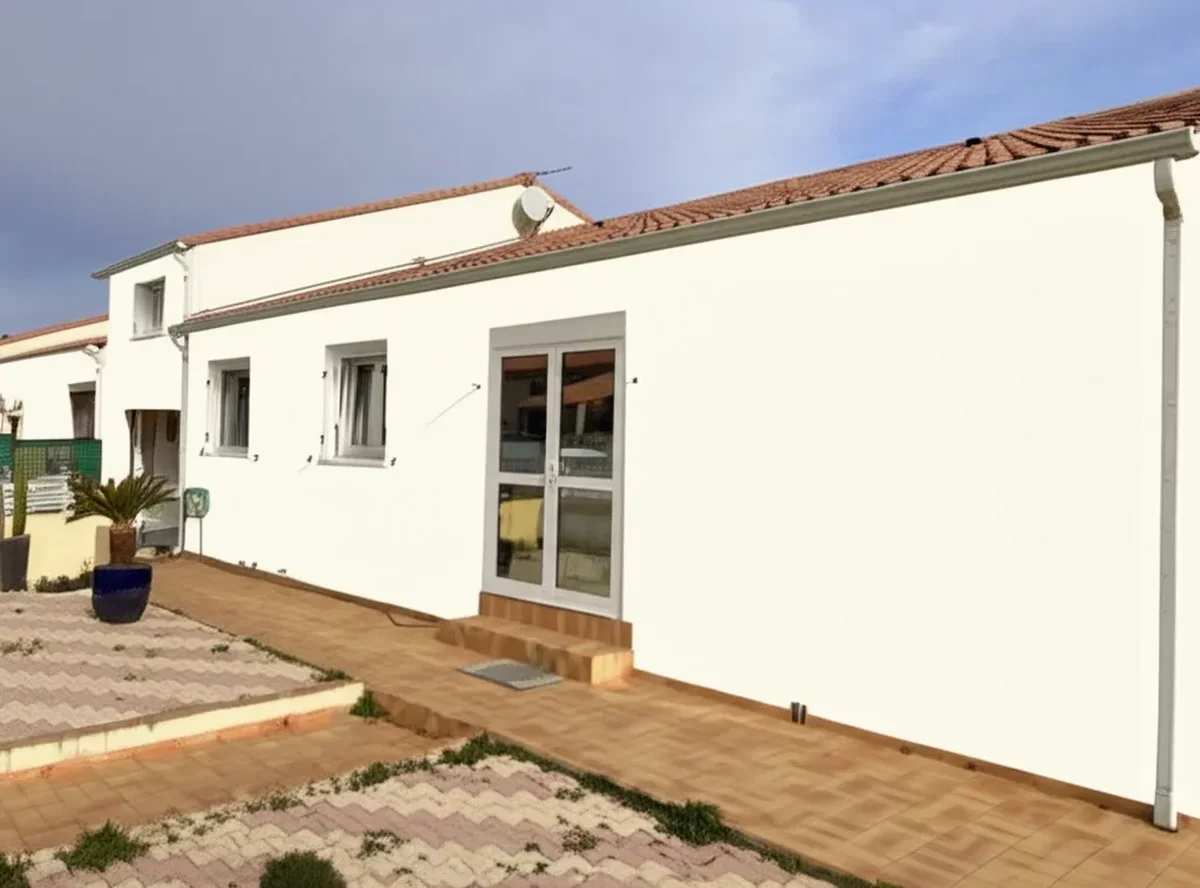
Try it on your house

Changing your home's exterior paint colors inside a homeowners association (HOA) requires more than choosing a shade you love. Every planned community enforces color restrictions through its governing documents, and skipping the formal paint approval process can trigger violation notices, fines, or even a forced repaint. Whether you live in a suburban subdivision in Texas, a historic district in Virginia, or a new construction neighborhood in Arizona, this step-by-step guide walks you through every stage of the HOA color change request-from reading your CC&Rs to holding written approval in your hand.
For a broader overview of association paint policies, start with our HOA exterior paint color rules guide before diving into the approval steps below.
Step 1 - Review Your CC&Rs and Neighborhood Guidelines
Your covenants, conditions, and restrictions (CC&Rs) are the legally binding rules that govern every exterior modification in your community. Before selecting a single swatch, pull up your CC&Rs and look for sections on architectural review, exterior maintenance schedule, and approved color palette requirements. Many associations also publish a separate set of neighborhood guidelines or design standards that specify allowed paint sheen types, trim color and accent color coordination, and which surfaces-such as your front door, shutters, and garage door-need individual approval. Note every deadline, required form, and color sample format so your first submission is complete.
If you cannot locate your CC&Rs, contact your property management company or HOA board directly. Many associations in California, Florida, and Texas also file their governing documents with the county recorder, making them publicly accessible. State laws in Arizona, California (Davis-Stirling Act), and Florida require associations to provide these documents upon request, so exercise your right to a copy before you begin.
Step 2 - Choose Colors from the Approved Color Palette
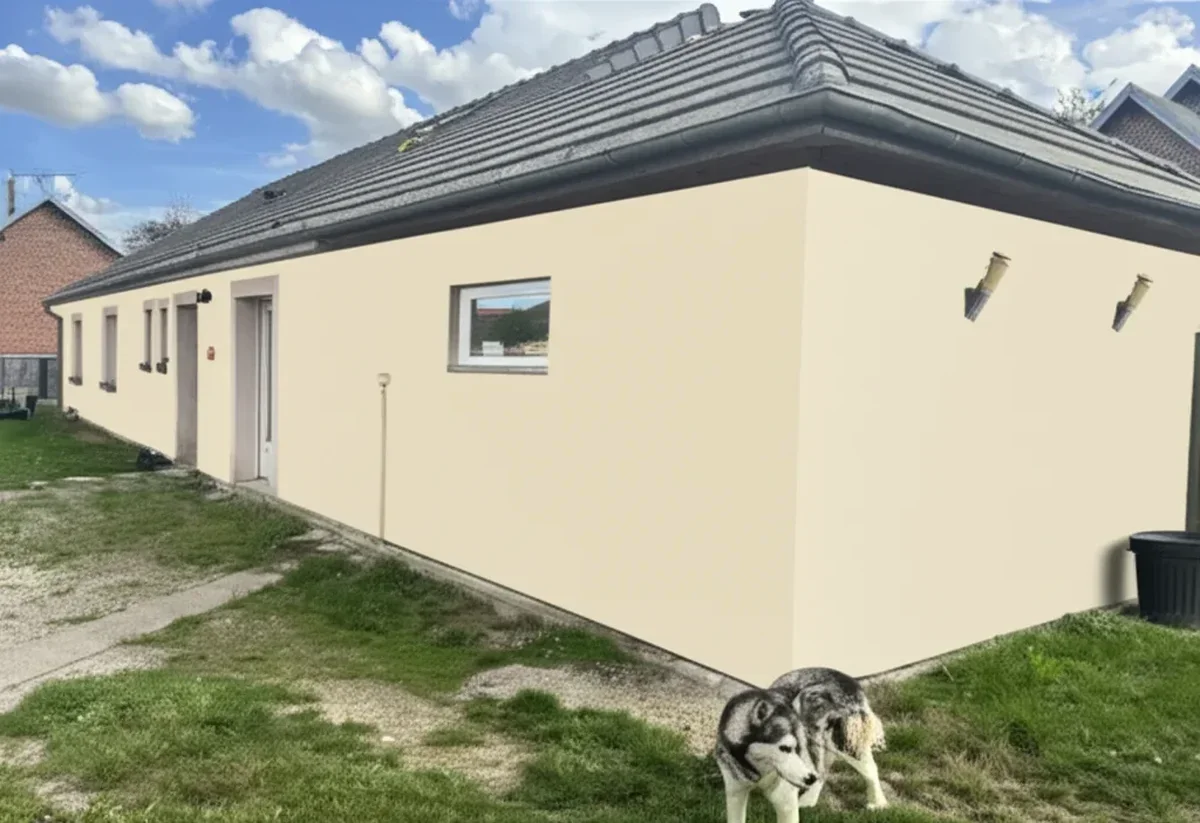
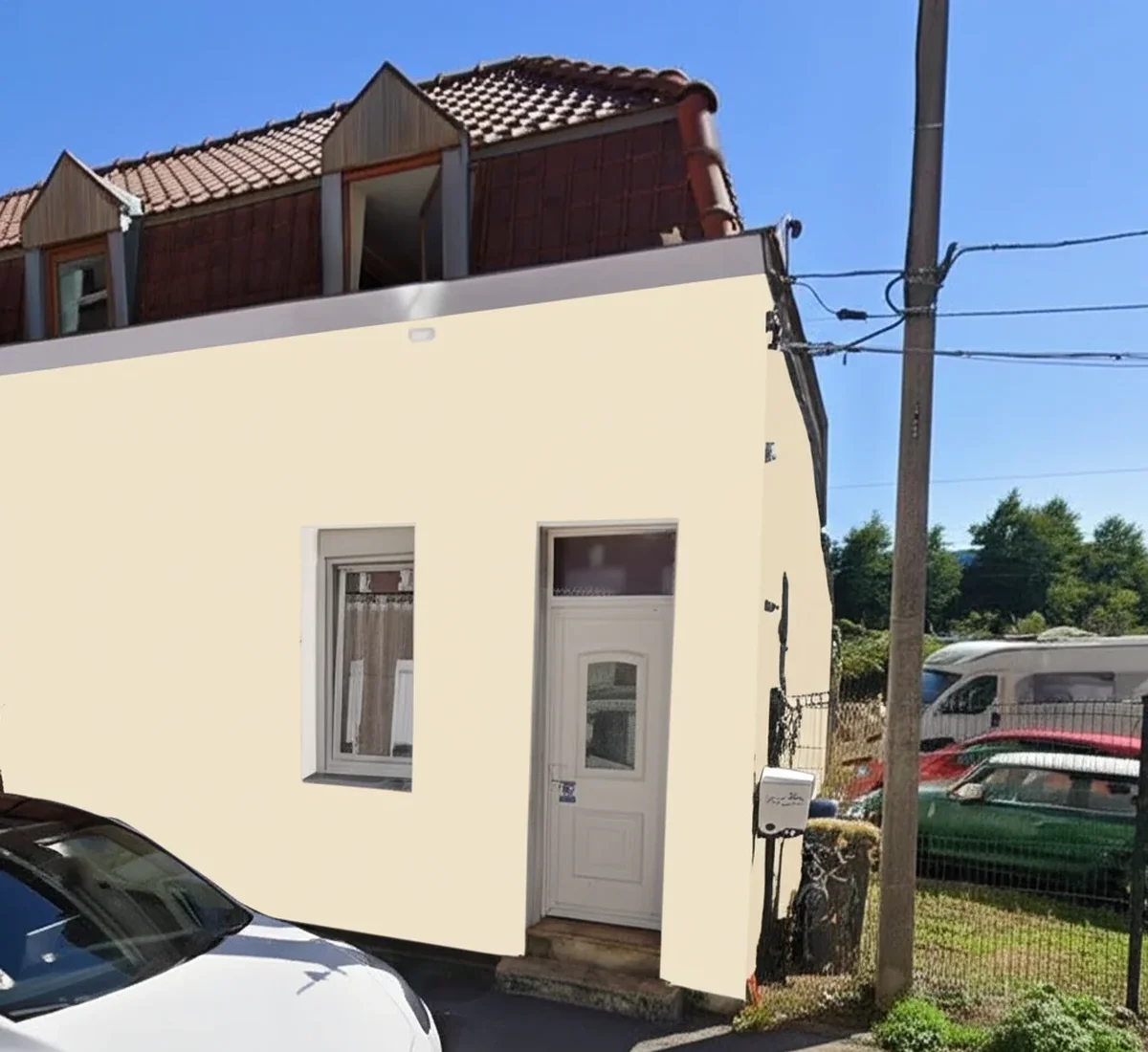
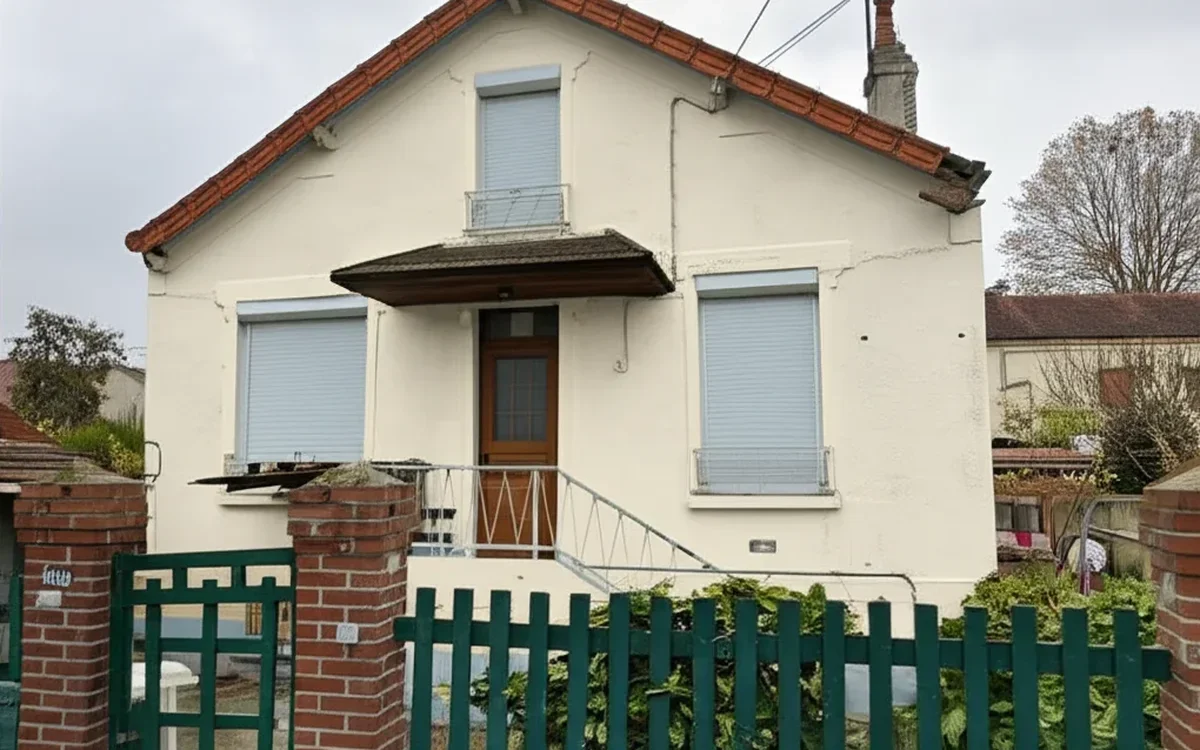
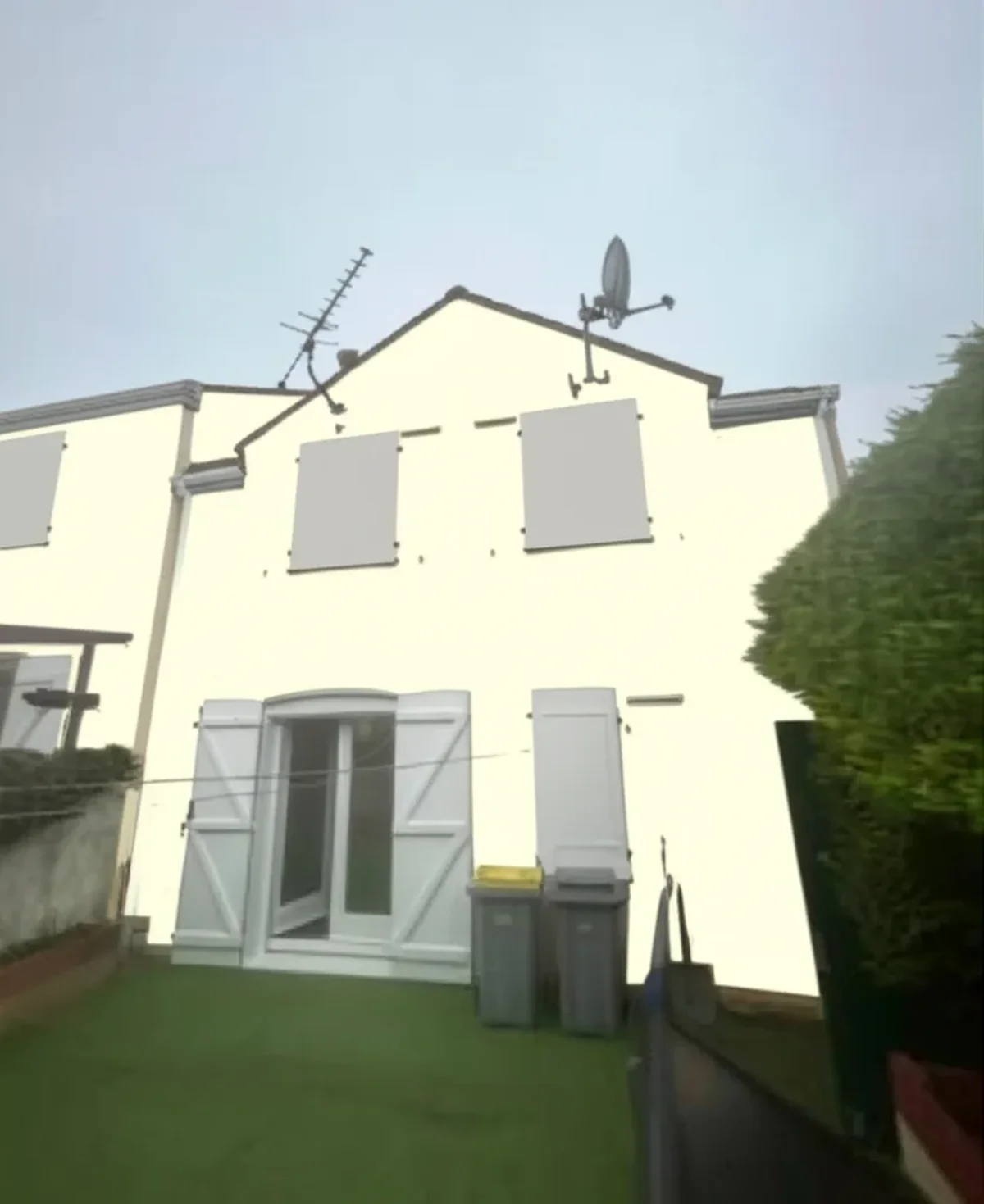
Most HOA communities maintain a pre-approved list of exterior paint colors curated in partnership with major brands like Sherwin-Williams, Benjamin Moore, or Behr. Selecting from this palette is the fastest path to approval. Sherwin-Williams even hosts an online HOA Color Archive where you can search by state, city, and community name to find your neighborhood's sanctioned schemes. Behr offers a similar lookup tool on its website. Once you have the sanctioned codes, a rendering of your own house in those colors makes the request easier to approve; the paint-my-house app that runs in the browser produces that mockup from a single photo, without an install.
When picking your combination, consider curb appeal, resale value, and harmony with permanent features like brick, stone, and roof shingles. Earth tones and neutral colors remain the safest bets for fast approval, but many 2026 palettes also welcome muted blues, greens, and warm grays. For trending options that meet most association standards, see our roundup of HOA-approved exterior paint colors for 2026. Use a paint visualizer or color simulator to preview your choices on your actual home before committing-it saves time and reduces the risk of rejection. Preview your color before submitting to your HOA with FacadeColorizer's free color consultation tool.
One caveat on the word "palette": in some communities it is not a brand color card at all but a set of tones inherited from the original master plan, and a committee will read your submission against that inheritance. Columbia, Maryland is the textbook case, where the Architectural Resource Committee still works from the earth tones the Rouse plan established, and Annapolis Historic District adds a Federal-era vocabulary of its own. If that is your situation, our guide to Maryland architectural coating rules and approved colors shows how those inherited palettes translate into actual SW and BM codes.
Step 3 - Prepare and Submit Your ARC Application
The architectural committee-often called the Architectural Review Committee (ARC) or Architectural Control Committee (ACC)-is the body that evaluates every paint submission. A complete application typically requires:
- A completed modification request form (available from your property manager or HOA portal).
- Physical color samples or paint chips for body, trim color, accent color, front door, shutters, and garage door.
- The paint brand, product line, and sheen for each surface (e.g. Sherwin-Williams Duration Exterior, Satin).
- A photo or sketch showing where each color will be applied.
- Any additional items your CC&Rs specify, such as a contractor's license number or a color matching report.
Missing details are the number-one cause of delays. Double-check every field before you submit, and keep a dated copy of your application for your records. Many associations now accept digital submissions through online portals, but some still require mailed or hand-delivered color samples.
Step 4 - Understand the Review Timeline
After submission, the architectural committee reviews your request against community standards. Timelines vary widely, so plan accordingly. Below is a typical schedule, though your CC&Rs will state the exact deadlines for your neighborhood:
| Stage | Typical Duration | Notes |
|---|---|---|
| Application received & logged | 1–3 days | Confirmation email or receipt from property manager |
| Committee review | 14–30 days | Some boards meet monthly; others review on a rolling basis |
| Revision request (if needed) | 7–14 days per cycle | Each round of corrections resets the review clock |
| Written decision issued | 30–60 days total | Some states mandate automatic approval if no response by deadline |
| Painting must begin within | 30–90 days post-approval | Approval typically expires if work is not started on time |
Try it on your house
No photo? Try a sample
Pro tip: Submit your application well before your desired painting season. If you want repainting done by summer, file in late winter to account for possible revision cycles. Stay in regular contact with your property manager for status updates-proactive follow-up signals seriousness and can prevent unnecessary delays.
Common Reasons for Rejection - and How to Avoid Them
Understanding why the architectural committee denies requests helps you build a stronger application. Here are the most frequent causes of rejection:
| Rejection Reason | Prevention Checklist |
|---|---|
| Color not on the approved palette | Choose only from pre-approved Sherwin-Williams, Benjamin Moore, or Behr schemes |
| Too similar to adjacent neighbor | Walk the street and note surrounding homes before selecting |
| Incomplete application or missing samples | Attach physical paint chips and specify brand, product, and sheen for each surface |
| Mismatched trim, body, and accent combination | Use a color simulator to verify coordination before submitting |
| Fluorescent or overly bold colors | Stick to earth tones, neutral colors, or muted heritage colors unless guidelines allow bold accents |
| Conflict with historic district regulations | Research local preservation rules in addition to HOA standards |
The single most effective way to prevent rejection is to preview your exact color scheme on your home before you submit. Upload a photo to a paint visualizer like FacadeColorizer, apply your chosen palette, and attach the rendering to your application. Boards appreciate applicants who demonstrate thoughtful color consultation, and a realistic preview eliminates guesswork on both sides.
How to Appeal a Denied Color Request
A rejection does not have to be the end of the road. Most HOA governing documents include a formal appeals process, and homeowners have the fundamental right to challenge decisions that are arbitrary, inconsistent, or not grounded in the published neighborhood guidelines. Here is how to approach it:
- Request the written denial: Ask the architectural committee to cite the specific guideline your submission violated. Vague rejections with no reference to the CC&Rs may be challengeable under state law.
- Gather evidence: Photograph comparable homes nearby that were approved in similar colors. Compile your color samples, visualizer renderings, and any correspondence. Organize everything in a clear binder or digital folder.
- Submit a formal appeal: Write a professional appeal letter to the HOA board. Reference the specific covenant section, explain how your proposal meets compliance standards, and attach your supporting evidence.
- Attend the board meeting: Present your case in person. Boards are more likely to reconsider when they see a well-prepared homeowner who has done the research.
- Consider mediation: If internal appeals fail, many states encourage or require mediation before litigation. California's Davis-Stirling Act and Arizona's HOA statutes both promote alternative dispute resolution. Mediation is typically faster and far less expensive than court.
Remember that enforcement must be consistent. An HOA cannot approve one homeowner's taupe palette while denying the same palette for another without a documented reason. If you find evidence of inconsistent enforcement, it strengthens your appeal. For persistent disputes, consulting an HOA attorney who specializes in your state's regulations is a worthwhile investment.
Tips to Get Your Color Approved Faster
Experienced homeowners who navigate the paint approval process repeatedly share these strategies for speeding up compliance and reducing friction with their architectural review board:
- Use pre-approved colors exclusively. Choosing from your HOA's established palette with Sherwin-Williams or Benjamin Moore eliminates the biggest hurdle. Some communities even fast-track submissions that stay within the palette.
- Attach a realistic visualization. A color simulator rendering of your home shows the board exactly what the finished result will look like-no imagination required. Upload your home photo to FacadeColorizer now and generate a free preview in seconds.
- Submit a complete application the first time. Missing paint chips, unsigned forms, or vague descriptions reset the clock. Complete submissions get reviewed immediately; incomplete ones get sent back.
- Time your submission before the next board meeting. If your architectural committee meets on the first Tuesday of each month, submit at least two weeks before that date so your request is on the agenda.
- Introduce yourself to the committee. A brief, polite email or phone call before your formal paint submission lets the board know what to expect. Building rapport goes a long way in communities with volunteer committees.
- Document everything. Keep copies of your application, color samples, emails, and the written approval. If board members change or a dispute arises years later, your records protect your property value and compliance standing.
The HOA color change process does not have to be stressful. Treat it as a structured conversation between you and your community-come prepared with approved exterior paint colors, a professional color simulator rendering, and a complete application, and approval is almost always a formality. Preview your color before submitting to your HOA-upload a photo to FacadeColorizer and see the result in seconds.
Frequently asked questions
How long does HOA paint color approval take?
What documents do I need for an HOA paint color change request?
Can an HOA reject my paint color choice?
How do I appeal an HOA paint color rejection?
What is the fastest way to get HOA paint approval?
Official sources
To verify the regulatory information in this guide at the primary source:
- US EPA : Lead-safe (RRP) rules for homes built before 1978
- U.S. Department of Energy : Energy-efficient exterior and coating guidance
- International Code Council : Model building codes adopted by most US jurisdictions
External links. FacadeColorizer is not affiliated with these bodies and their guidance may change over time.
Trademarks mentioned (Sherwin-Williams, Benjamin Moore, Behr, Caparol, Brillux, Sto, Alpina, Valspar, PPG, Glidden, Dulux, Crown Trade, Sandtex, Farrow & Ball, Johnstone's, Leyland) are property of their respective owners. FacadeColorizer is independent and not affiliated with any of them. Nominative fair use under Lanham Act §1125.