Try it on your house

If you live in a planned community or suburban neighborhood governed by a homeowners association, you already know that painting your home's exterior is never as simple as picking a color you love. HOA color restrictions exist to maintain curb appeal, protect property value and resale value, and preserve the visual harmony of the neighborhood. But those same rules can feel overwhelming, especially when you're staring at a 30-page set of CC&Rs (covenants, conditions, and restrictions) and trying to figure out which shade of greige is actually allowed on your garage door.
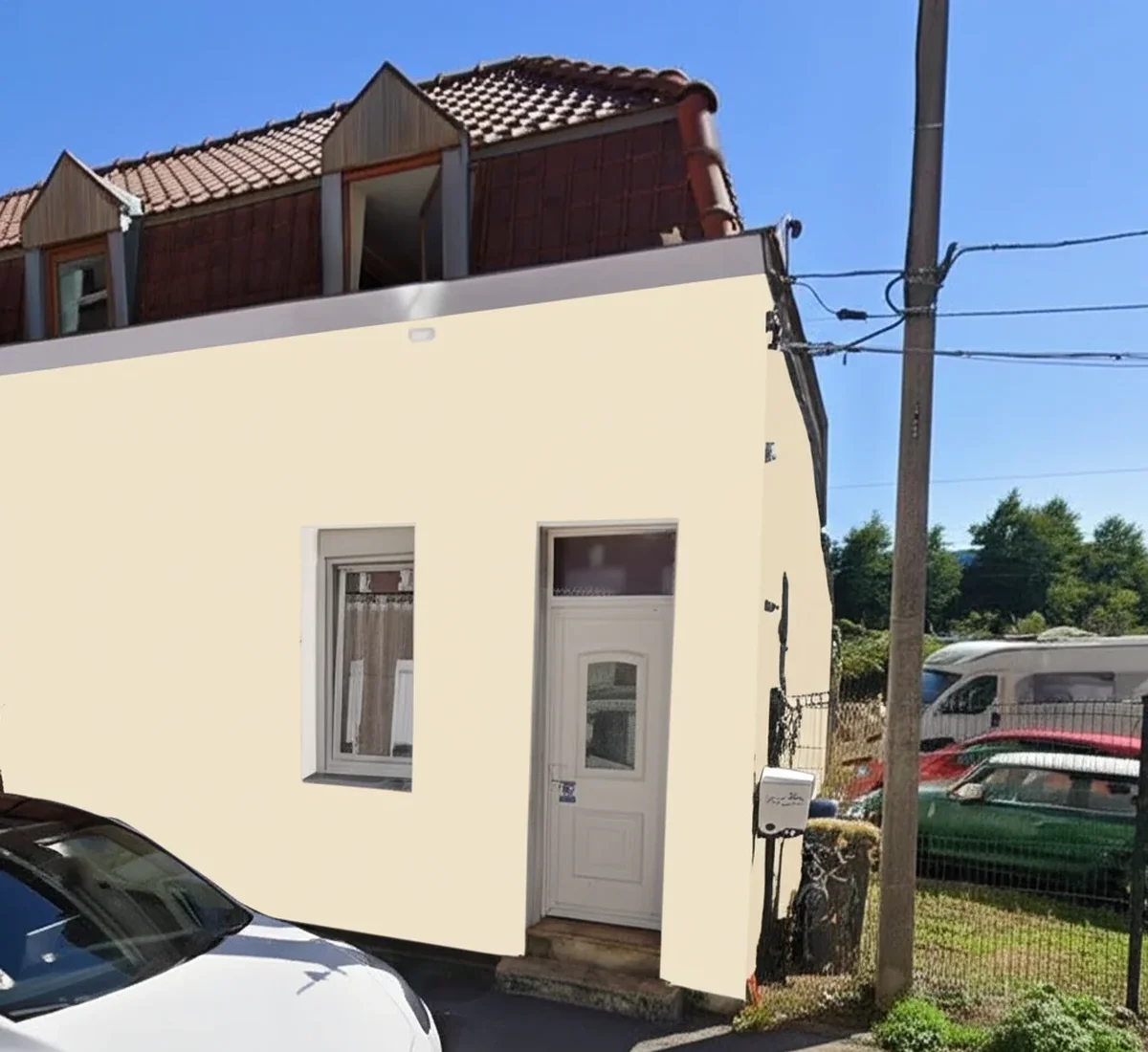
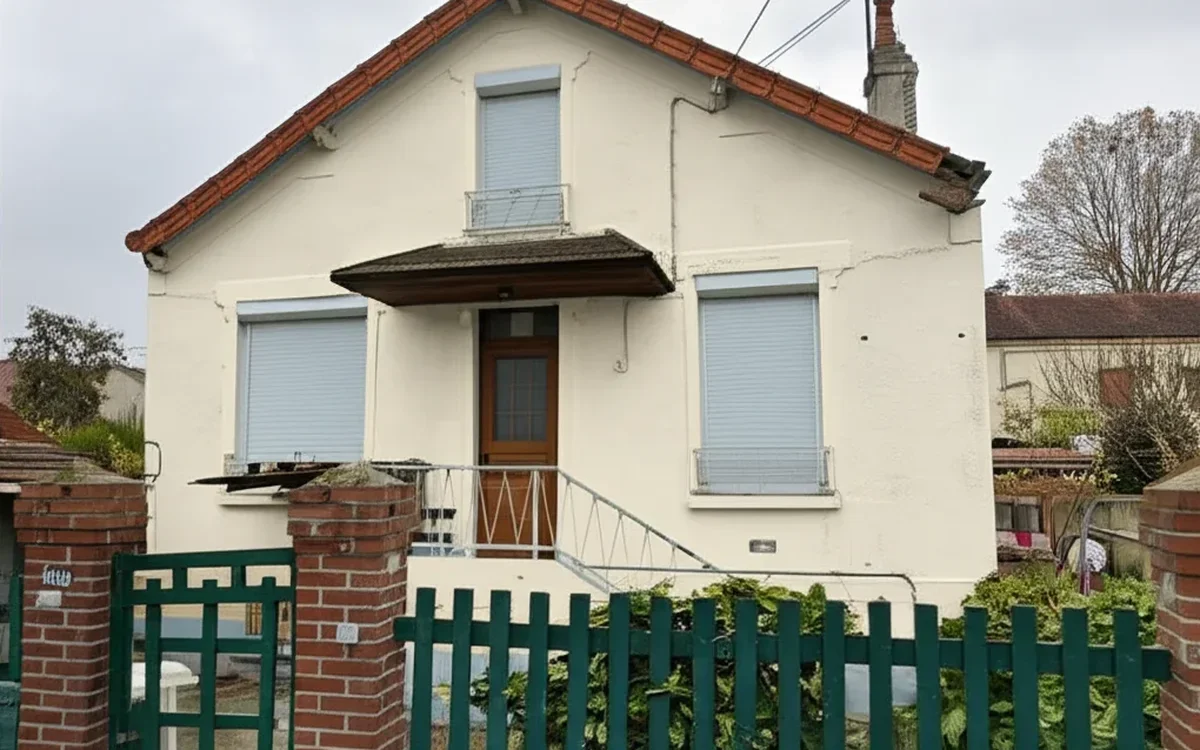
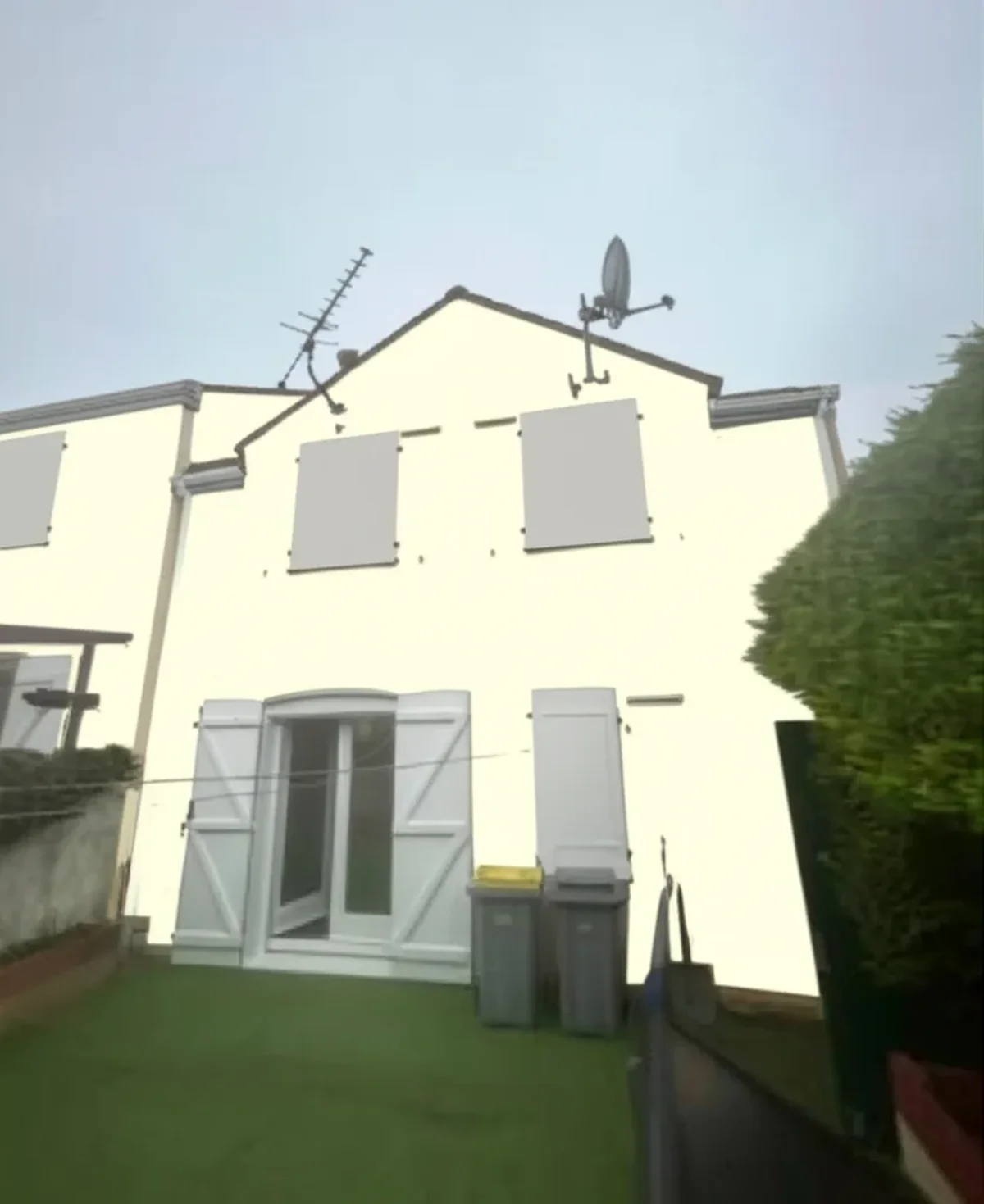
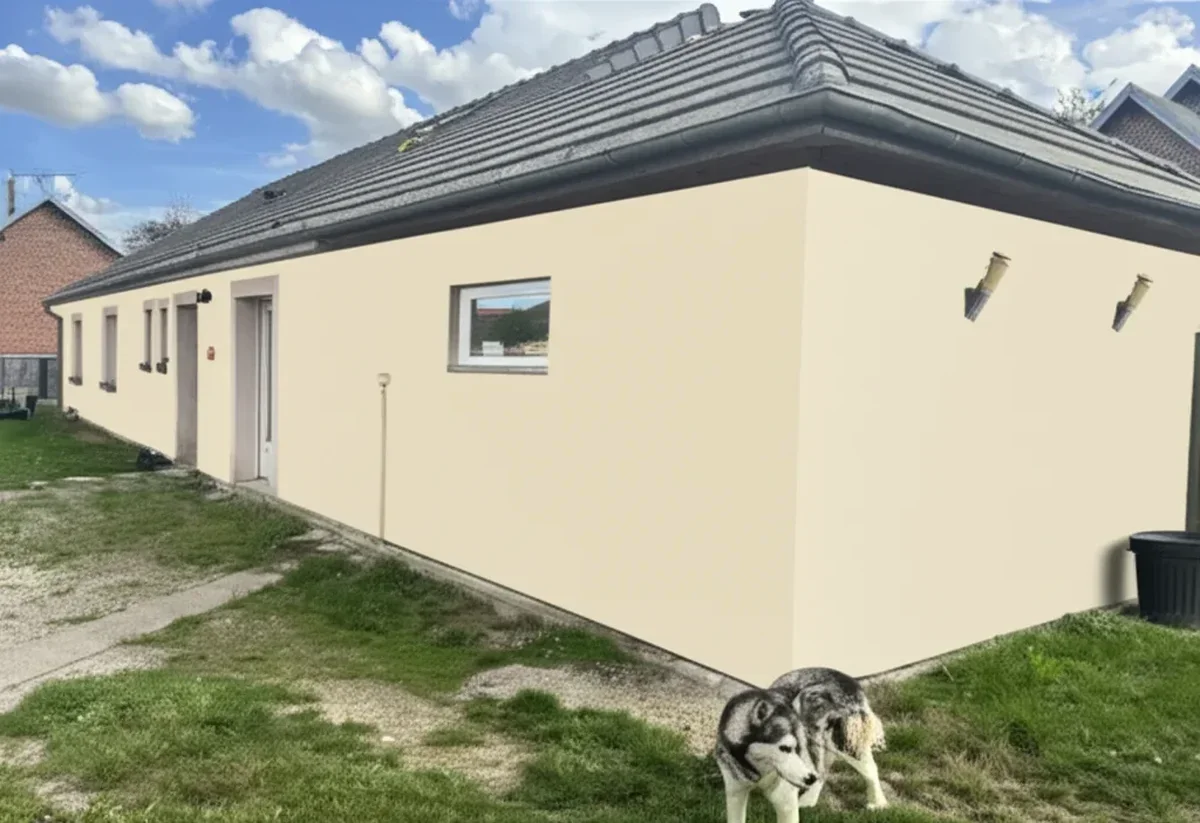
This guide covers everything you need to know about HOA exterior paint colors in 2026: the architectural review process, how to submit a paint approval request, common violation and fine scenarios, popular approved color palette options from Sherwin-Williams, Benjamin Moore, and Behr, and your rights as a homeowner. Before you submit your application, visualize your new color before submitting to your HOA, our free AI paint visualizer lets you preview any shade on your actual home photo in seconds.
What Are HOA Color Restrictions and Why Do They Exist?
Most homeowners associations regulate exterior paint colors through their CC&Rs and neighborhood guidelines. These rules are legally binding documents recorded with the county that every homeowner agrees to when purchasing property in the community. The goal is straightforward: ensure consistent aesthetics so that one neon-green house doesn't tank property value for the entire block.
Typical color restrictions cover the body of the home, trim color, accent color elements (like shutters and front door), garage door, gutters, and even fascia boards. Most associations maintain an approved color palette, a curated list of pre-approved combinations, and require paint approval before any work begins. These palettes typically favor earth tones, neutral colors, and classic shades that age well and appeal to buyers across demographics, which directly supports resale value.
If your community sits in a historic district, expect even stricter controls. Heritage colors, period-accurate palettes, may be mandatory, and changes often require approval from both your HOA's architectural committee and the local historic preservation board, adding weeks to the timeline.
The ARC/ACC Approval Process: Step by Step
The architectural review committee (ARC), sometimes called the Architectural Control Committee (ACC) or Design Review Committee (DRC), is the body that reviews and approves or denies all exterior modification requests, including repainting. Here is how the paint submission process typically works:
- Review your CC&Rs. Start by reading your association's covenants and architectural standards. Many communities post their approved color palette online or provide it at the management office.
- Select your colors. Choose body, trim color, and accent color from the approved list. If you want a color outside the palette, you'll need a stronger case. Use a color simulator or paint visualizer to test combinations on your home's actual photo, try our free tool here.
- Gather color samples. Attach physical color sample swatches or manufacturer color chips (e.g. Sherwin-Williams SW 7015 Repose Gray) to your application. Most committees want to see the exact product and finish.
- Submit the request form. Complete your HOA's architectural modification form. Include the color sample chips, the areas being painted, and the expected timeline. Some boards also ask for a color consultation report or contractor details.
- Wait for board review. The architectural committee reviews your submission, typically within 30 to 60 days, though some fast-track communities respond in 14 days.
- Receive a decision. If approved, you can begin painting. If denied, the board should provide a written explanation so you can revise and resubmit.
- Schedule an inspection (if required). Some associations require a post-project compliance check to confirm the finished work matches the approved color sample.
Pro tip: many CC&Rs include an "auto-approval" clause, if the committee fails to respond within the stated review window, your request is deemed approved. Check your documents carefully.
HOA Paint Approval Timeline
One of the most common complaints is how long the process takes. Below is a realistic breakdown of the approval timeline for a standard repainting project in 2026:
| Stage | Typical Duration | Notes |
|---|---|---|
| Review CC&Rs & select colors | 1 – 3 days | Use a color simulator to speed up decisions |
| Gather color samples & complete form | 1 – 2 days | Attach manufacturer chips from Sherwin-Williams, Benjamin Moore, or Behr |
| ARC/ACC review period | 14 – 60 days | 30 days is the most common; historic district adds 30 – 60 days |
| Revision & resubmission (if denied) | 7 – 21 days | Request written feedback to avoid repeated denials |
| Painting project execution | 3 – 7 days | Depends on home size, weather conditions, and crew |
| Post-project inspection | 7 – 14 days | Not all HOAs require this step |
Try it on your house
No photo? Try a sample
Total realistic timeline: 5 to 15 weeks from initial research to final inspection. Plan ahead, especially if you're tackling the project around peak new construction season (spring through fall) when committees face heavier backlogs.
HOA Violation Fines for Unauthorized Painting
What happens if you skip the approval process or paint your home an unapproved color? Enforcement is typically swift and escalating. Most associations follow a structured penalty system outlined in their CC&Rs:
| Violation Type | Typical Fine Range | Escalation |
|---|---|---|
| Painting without prior approval | $50 – $200 initial | Written notice + 14 – 30 day cure period |
| Using unapproved color on body/trim | $100 – $500 | Must repaint to approved color at owner's expense |
| Failure to correct after notice | $25 – $100/day | Daily fines until compliance is achieved |
| Peeling or neglected exterior paint | $50 – $200 | Part of the maintenance schedule requirement |
| Repeated non-compliance | $500+ | Lien on property; potential legal action |
Beyond financial penalties, unresolved violations can complicate real estate transactions. Many title companies flag open HOA violations during closing, which can delay or even derail a sale, directly hurting your resale value. The cost of repainting the entire exterior of a home ranges from $3,500 to $8,500 nationally (see our exterior house painting cost guide for a full breakdown), so the financial risk of skipping the approval process far outweighs a few weeks of patience.
Popular HOA-Approved Exterior Color Palettes
The three dominant paint brands in the HOA space, Sherwin-Williams, Benjamin Moore, and Behr, all offer dedicated HOA color programs. Sherwin-Williams maintains an HOA Color Archive where communities can register their approved color palette. Behr provides a searchable HOA Color Service that lets you find palettes by community name. Benjamin Moore works through its dealer network to support color consultation for planned communities.
While every association is different, most approved color palettes favor these categories:
- Earth tones: Warm beiges, tans, and sandstone shades, universally popular in suburban communities across the Sun Belt.
- Neutral colors: Cool grays, warm greiges, and soft whites dominate in newer developments. Sherwin-Williams Repose Gray (SW 7015) and Agreeable Gray (SW 7029) are among the most commonly approved neutrals nationwide.
- Heritage colors: Muted greens, colonial blues, and burgundy accents are standard in historic district communities, especially in the Northeast and Mid-Atlantic.
- Modern muted tones: Charcoal, slate, and deep navy appear on newer new construction palettes, particularly in contemporary communities.
For 30 board-friendly picks across SW, BM, and Behr decks (with codes and best-use notes), see our companion roundup of the best HOA-approved exterior paint colors for 2026.
For accent color elements, your front door, shutters, and trim - most associations offer more flexibility, allowing deeper or bolder tones as long as they complement the body color. A color matching service at your local paint store can help you find the exact manufacturer equivalent if your HOA palette references a different brand than you plan to use. Still narrowing down the body color itself? Walk through the full framework in our step-by-step guide to choosing an exterior house color.
Homeowner Rights vs. HOA Authority
While HOA enforcement power is significant, it isn't unlimited. Your rights as a homeowner are protected by both state law and the association's own governing documents. Understanding the balance between compliance and personal freedom is essential:
- State laws override HOA rules. If a covenants provision conflicts with state property law, consumer protections, or fair housing regulations, the state law prevails. Several states, including Florida, Texas, Arizona, and California, have enacted HOA reform legislation that limits fine amounts, mandates due process before penalties, and requires boards to act in good faith.
- Right to a hearing. In most states, homeowners have the right to dispute a violation notice and present their case before fines are imposed. The board must follow the notice and hearing procedure outlined in the CC&Rs.
- Access to records. You have the right to review the association's financial records, meeting minutes, and the specific neighborhood guidelines that govern architectural decisions. Some states put a clock on that right instead of leaving it open-ended: Maryland's Title 11B gives the association 20 days to hand over the governing documents once you ask in writing, which is why a Maryland submission usually starts with that letter. Our guide to Maryland architectural coating rules and approved palettes works through the sequence.
- Reasonable enforcement. Courts have overturned HOA actions that were found to be arbitrary, discriminatory, or applied inconsistently. If your neighbor painted the same color without a fine, that precedent can work in your favor.
- Solar and sustainability protections. Federal and many state laws prevent HOAs from blocking solar panels, and some states now limit restrictions on drought-tolerant landscaping and energy-efficient exterior coatings.
If you're dealing with stucco or specialty siding, review our stucco and siding cost guide before choosing your paint system, the substrate matters for both HOA approval and long-term durability.
Tips for Getting Your Color Approved Fast
Thousands of homeowners navigate the paint submission process every year without a hitch. Here are the strategies that consistently speed up approvals:
- Stick to the palette. Choosing a pre-approved color from the association's approved color palette almost guarantees a quick approval. If your HOA works with Sherwin-Williams, check their HOA Color Archive first.
- Use a color simulator. Attach a realistic preview of your home in the proposed colors. Upload a photo of your home and generate a professional visualization, committee members respond faster when they can see the result.
- Submit a complete application. Include all color sample chips, areas to be painted, contractor information, and timeline. Incomplete submissions are the number-one cause of delays.
- Attend the committee meeting. If your architectural committee holds open sessions, attend in person. A brief explanation of your vision can resolve concerns on the spot.
- Know your maintenance obligations. Many CC&Rs include a maintenance schedule that requires homeowners to repaint every 7 to 10 years. Framing your project as routine maintenance (rather than a dramatic color change) can smooth the process.
Regional painting costs vary significantly by city, if you're budgeting for the project, our cost-by-city guide breaks down real contractor rates across 12 major metro areas.
Visualize Before You Submit: Why It Matters
The single best thing you can do to avoid rejection is to show the committee exactly what your home will look like. A paint visualizer or color simulator eliminates ambiguity, no more debating whether "Accessible Beige" will look yellow on your siding in afternoon sun.
Our AI-powered tool lets you upload a photo of your home and instantly preview thousands of exterior paint colors from Sherwin-Williams, Benjamin Moore, and Behr. You'll see how each trim color, accent color, and body shade interacts with your roof, landscaping, and neighboring homes. The result? A realistic rendering you can attach directly to your paint submission form, strengthening your application and cutting review time. Color consultation has never been easier.
Ready to see your home in a new color?
Upload a photo and preview HOA-friendly palettes instantly, no sign-up, no cost.
Try the Free Color VisualizerFrequently asked questions
Can my HOA force me to repaint my house?
How long does it take to get HOA approval for exterior painting?
What happens if I paint my house without HOA approval?
What exterior paint colors do most HOAs approve?
Can I challenge an HOA decision that denies my paint color?
Official sources
To verify the regulatory information in this guide at the primary source:
- US EPA : Lead-safe (RRP) rules for homes built before 1978
- U.S. Department of Energy : Energy-efficient exterior and coating guidance
- International Code Council : Model building codes adopted by most US jurisdictions
External links. FacadeColorizer is not affiliated with these bodies and their guidance may change over time.
Trademarks mentioned (Sherwin-Williams, Benjamin Moore, Behr, Caparol, Brillux, Sto, Alpina, Valspar, PPG, Glidden, Dulux, Crown Trade, Sandtex, Farrow & Ball, Johnstone's, Leyland) are property of their respective owners. FacadeColorizer is independent and not affiliated with any of them. Nominative fair use under Lanham Act §1125.