In January 2024, Mark Ellison was a one-man decorating operation in Harrogate, North Yorkshire. He had a battered Transit, a Checkatrade profile with eleven reviews, and a phone gallery full of blurry photos taken at five o'clock on dark winter evenings. By December 2025, he had a second van, a full-time apprentice, and a waiting list stretching into March 2026. The difference was not a new marketing agency or a viral TikTok — it was a £0 investment in before and after photography that transformed every job into a portfolio piece, every portfolio piece into a social media post, and every post into an enquiry.
This is how he did it — and how you can replicate his approach, starting with your next job.
The Problem: Invisible Craftsmanship
Mark's story is familiar to thousands of UK painters and decorators. He was good at his trade — meticulous prep, clean lines, quality products from Dulux Trade and Farrow & Ball. But his Checkatrade profile had just three photos, all taken after the furniture had been moved back in, all slightly yellow from overhead tungsten light. His Instagram had 47 followers, mostly family. When potential clients compared his profile to competitors with slick before and after galleries, they chose the decorator who looked more professional — even if that decorator's actual painting was no better.
The core issue was not Mark's decorating. It was that his craftsmanship was invisible. A perfectly cut-in ceiling line, a flawless Farrow & Ball Hague Blue feature wall, a meticulously prepared Victorian cornice — none of it existed in the digital world where homeowners make hiring decisions. Research from Checkatrade suggests that tradespeople with strong photo portfolios receive significantly more enquiries than those with text-only profiles.
The Solution: A Three-Minute Photography Routine
Mark did not buy a camera. He did not hire a photographer. He developed a three-minute routine using his iPhone that he followed on every single job. Within six weeks, he had 40 high-quality before and after pairs. Within three months, his Checkatrade profile had 25 new photos, his Instagram had crossed 600 followers, and enquiries had doubled.
Here is the exact routine:
- Step 1 — The "before" shot (60 seconds): take the photo before you move any furniture or lay dust sheets. Stand in the doorway — this gives a natural, consistent framing. Turn on all the room's lights and open curtains fully. Take two shots: one landscape (horizontal) for Instagram feed posts, one portrait (vertical) for Instagram Stories and Reels. Always include the full wall and ceiling junction — it proves you can see the existing condition.
- Step 2 — The "progress" shot (30 seconds): halfway through the job, take one photo showing your preparation work — masked skirting boards, filled cracks, sanded woodwork. This is the shot that separates professionals from cowboys. Clients love seeing the invisible work that justifies your price.
- Step 3 — The "after" shot (90 seconds): take this before the client arrives and before furniture goes back. Same doorway position as the "before" shot. Clean the floor of dust sheets. If possible, take this at the same time of day as the "before" to match the light. Include the paint tin in one shot — it shows the brand and colour name, adding credibility and helping followers identify shades they like.
Mark's tip
"The single biggest improvement was standing in the same spot for the before and after. When the angle matches, the transformation is obvious. When the angles are different, people assume you are hiding something."
The Results: From 11 Reviews to a Waiting List
Mark tracked his numbers carefully. Here is what changed over 12 months of consistent before and after photography:
| Metric | January 2024 | December 2025 |
|---|---|---|
| Checkatrade reviews | 11 | 68 |
| Checkatrade profile photos | 3 | 85+ |
| Instagram followers | 47 | 1,400+ |
| Weekly enquiries | 1–2 | 6–8 |
| Average job value | £650 | £1,100 |
| Annual turnover | ~£38,000 | ~£62,000 |
The average self-employed painter and decorator in the UK earns approximately £47,750 per year before tax, according to Checkatrade's 2026 trade earnings data. Mark's turnover growth to £62,000 put him comfortably above average — and the photography routine cost him nothing beyond three minutes per job.
The higher average job value was the most significant change. Mark's portfolio attracted homeowners who wanted quality decorating — Farrow & Ball feature walls, full room transformations, heritage colour schemes — rather than the cheapest quote. Better clients, better margins, less chasing for payment.
What You Can Take From This
Mark's approach works because it solves the fundamental problem every decorator faces: your best work disappears the moment the client moves their sofa back. Photography makes craftsmanship permanent and shareable. Here is how to apply it to your own business:
- Consistency beats quality: a slightly imperfect photo from every job is worth more than one professional shoot per year. Build the three-minute routine into your workflow as firmly as masking up or laying dust sheets.
- Use natural light: open all curtains and blinds. Turn off warm-toned lamps that cast yellow light and distort paint colours. If the room has no natural light, use your phone's flash bounced off a white ceiling — never direct flash, which creates harsh shadows.
- Show the brand: including the paint tin in your "after" shot is free advertising for the manufacturer and builds trust with followers who recognise Dulux Trade, Farrow & Ball, or Little Greene products.
- Caption with specifics: "Hallway in Farrow & Ball Railings No.31, two coats over Zinsser BIN primer on original Victorian plaster. Four days including full prep." This level of detail attracts informed clients who value craftsmanship — and it is excellent for SEO on your Google Business profile.
- Cross-post everywhere: one set of photos should appear on Instagram (feed + Stories), your Checkatrade gallery, your Google Business profile, and Facebook. Four platforms, three minutes of photography, multiplied across 200+ jobs per year.
AI Visualisation: The Next Step
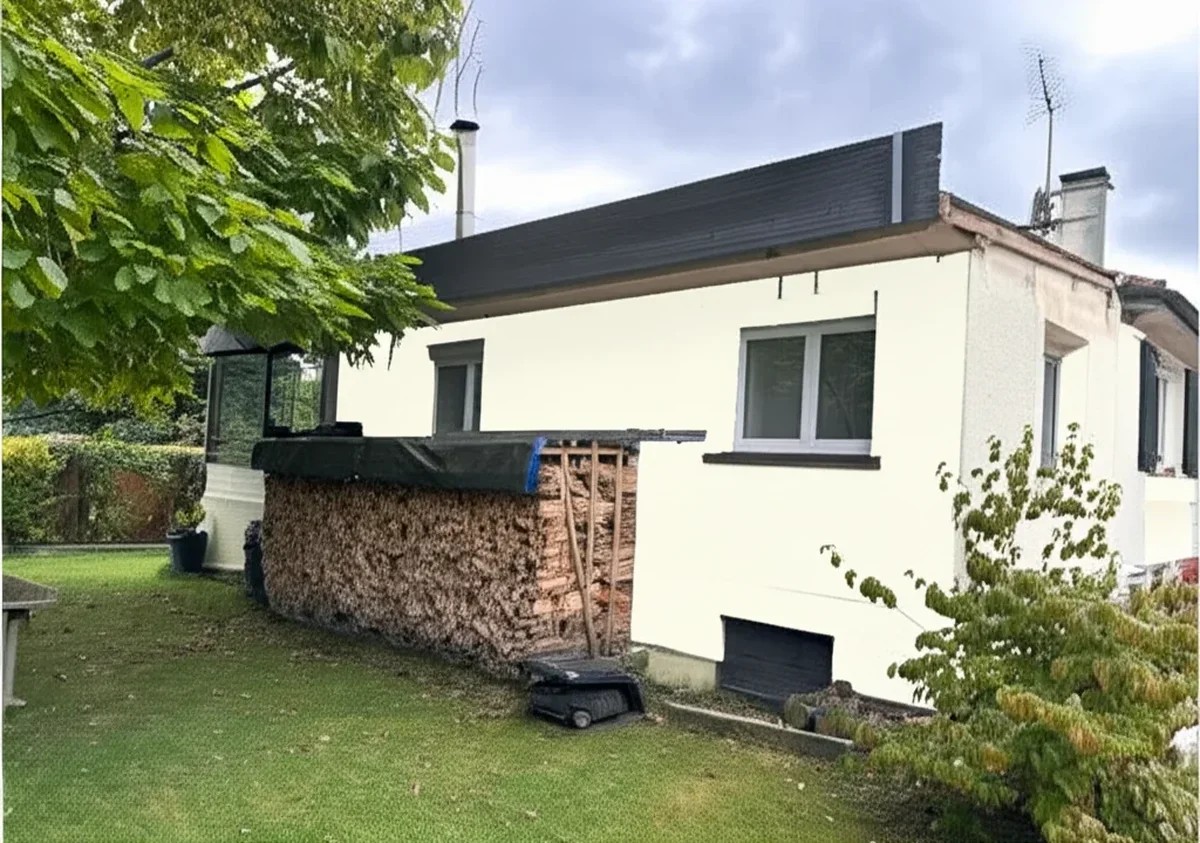
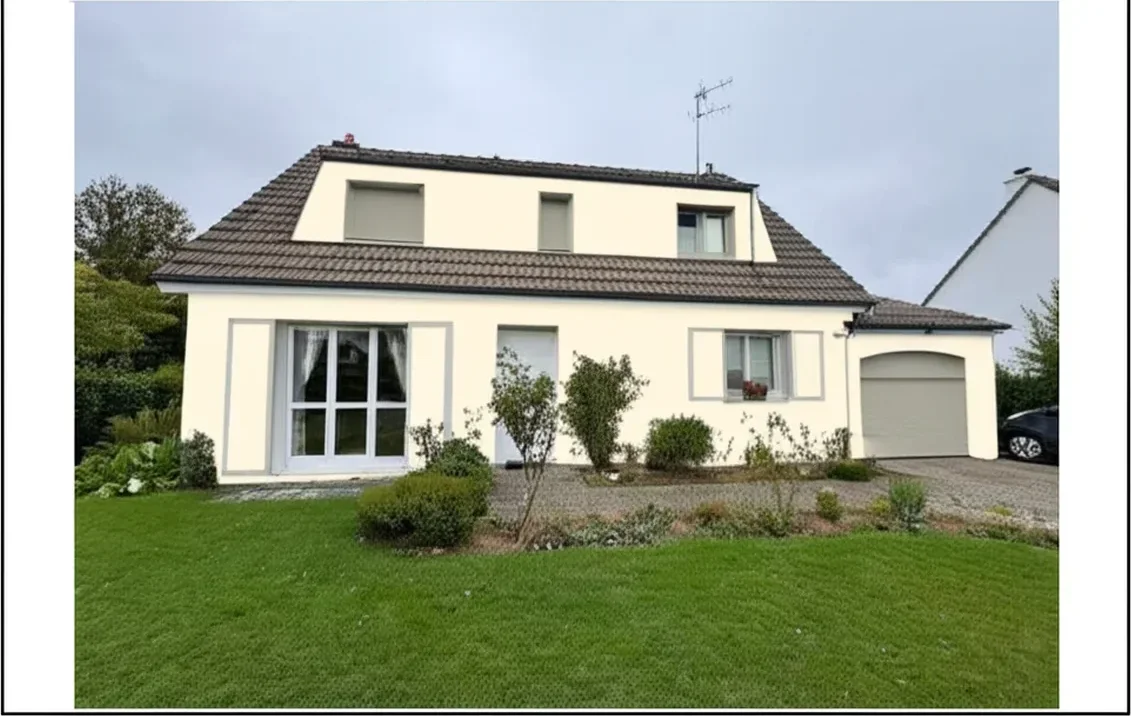
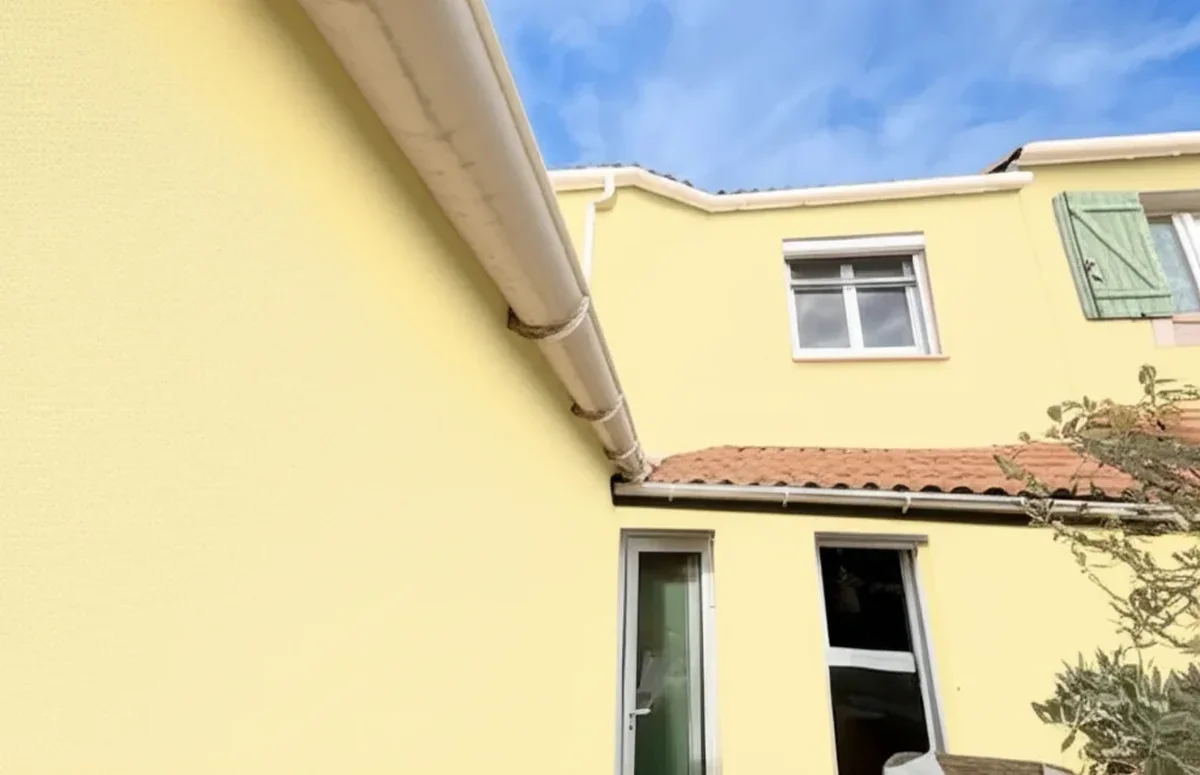
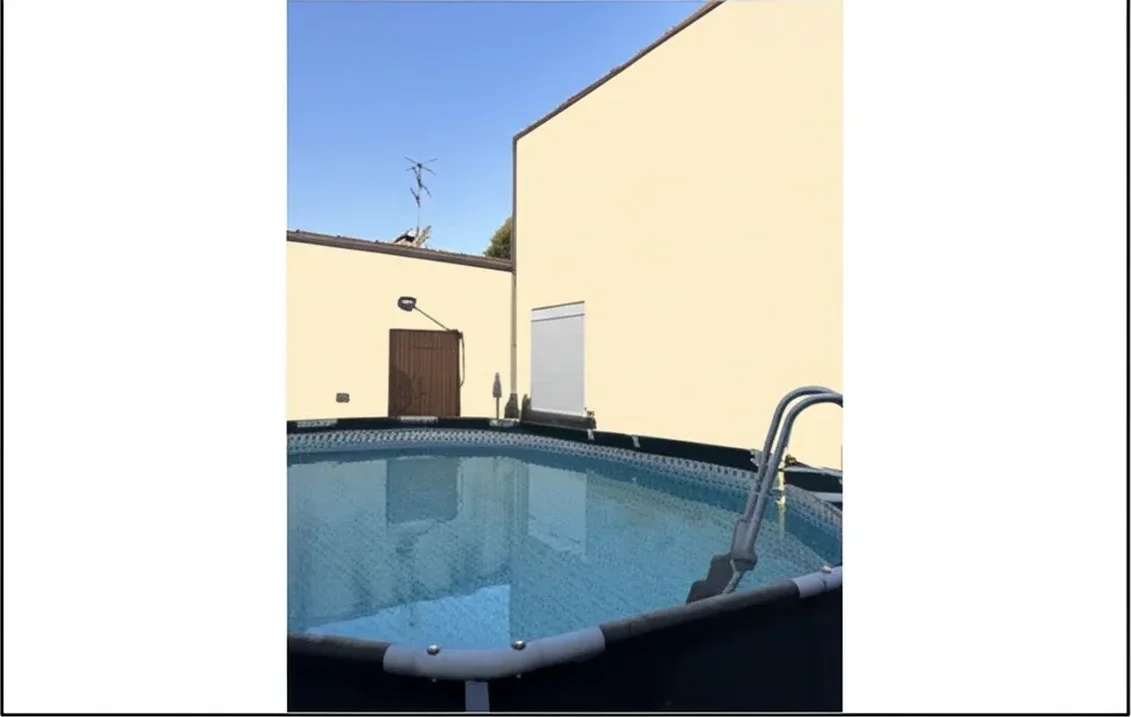
Mark's latest addition to his sales process is using AI colour visualisation during the quoting stage. When a client asks "What would our house look like in Dulux Chic Shadow?", he uploads their property photo to FacadeColorizer and generates a realistic render in under 30 seconds. The client sees the result on their actual house — not a generic stock photo — and the conversation moves from "if" to "when".
For exterior work, AI visualisation is particularly powerful. Homeowners are understandably nervous about committing to a bold facade colour when the only preview is a 5 cm paint swatch. Showing them a photorealistic simulation of their house in Sandtex Plymouth Grey, K Rend Pewter Grey, or Little Greene Sage Green removes the uncertainty and shortens the decision cycle. Mark estimates it has increased his quote-to-job conversion rate by roughly 30%.
"I used to spend half the quoting visit talking about colours. Now I spend 30 seconds on the AI tool and the rest of the time talking about prep, timescales, and products. The client already knows what they want — they just need someone they trust to deliver it."
— Mark Ellison, Harrogate, 2026
Whether you are a sole trader just starting out or an established firm looking to attract higher-value projects, before and after photography is the simplest, cheapest, and most effective marketing investment you can make. Three minutes per job, zero cost, measurable results. Start on your next project — your future clients are already scrolling.
Try FacadeColorizer free — 1 HD simulation + 3 regenerations for your client presentations. No sign-up, no watermark. Upgrade from £8.90 for more.