Three years ago, Marcus Cole was a painter and decorator in South London scraping by on one-off jobs from Gumtree and word of mouth. He was quoting against five other decorators for every job, winning maybe one in four, and spending his evenings chasing leads instead of resting. Today, 70% of his work comes from repeat clients and referrals — he hasn't advertised in eighteen months, his average job value has doubled, and he has a three-week waiting list. This is the story of how he got there, and the five customer retention strategies any trade decorator can steal.
The problem: the feast-and-famine cycle
Marcus's situation was painfully common. Most sole-trader painters and decorators in the UK live on a rollercoaster of busy months and dead patches. According to the Federation of Master Builders, 62% of small trade businesses report inconsistent workloads as their biggest challenge. The maths is brutal: acquiring a new client costs five to seven times more than retaining an existing one, yet most decorators spend almost nothing on retention. They finish a job, move on, and hope the phone rings again.
"I was spending two or three hours every evening on Checkatrade, MyBuilder, and Facebook groups, just trying to fill the next week," Marcus recalls. "I'd quote for a living room in Brixton on Monday and a hallway in Croydon on Tuesday, both competing on price against decorators I'd never met. It was exhausting and it wasn't sustainable." He knew something had to change — but he didn't realise the answer was already sitting in his phone contacts: the 200+ past clients he'd never spoken to again.
The solution: five strategies that changed everything
Marcus didn't read a business book or hire a marketing consultant. He made five simple changes over six months, each one building on the last. The results were cumulative — by month nine, the feast-and-famine cycle was broken.
Strategy 1: The 48-hour follow-up
Within 48 hours of finishing every job, Marcus sends a personal thank-you message via WhatsApp — not a template, but a genuine note referencing something specific about the project. "Thanks for the tea and biscuits, Mrs Patel — the hallway looks brilliant in that Farrow & Ball Elephant's Breath. Let me know if you need anything touched up once it's fully cured." This tiny gesture achieves three things: it demonstrates professionalism, it opens a communication channel for future work, and it plants the seed for a review request. Marcus follows up three days later with a polite request to leave a review on Checkatrade or Google. His review count went from 12 to 87 in one year.
Strategy 2: The 18-month check-in
Marcus created a simple spreadsheet — nothing fancy, just client name, address, date of last job, and what was done. Every month, he filters for clients whose last job was 18 months ago and sends a brief message: "Hi, it's Marcus from Cole Decorating. I did your kitchen and landing back in October 2024 — just checking everything's still looking good. If you've got any rooms you'd like freshening up this year, I'd be happy to pop round for a quote." The response rate? About 25% reply, and roughly half of those book new work. That's 12-15 repeat jobs per year from a ten-minute monthly task. Research from the Painting and Decorating Association suggests that repeat clients spend on average 40% more per project than first-time customers, because trust is already established.
Strategy 3: The colour visualisation upgrade
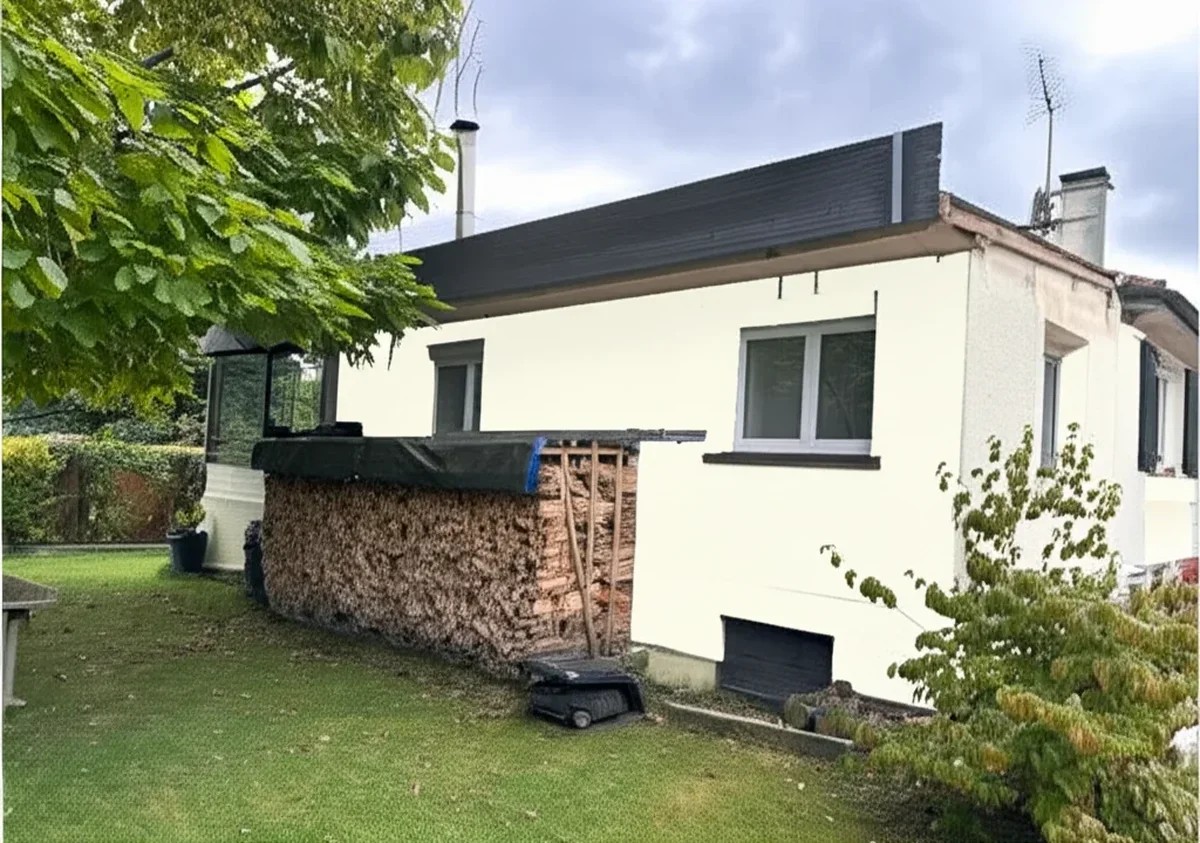
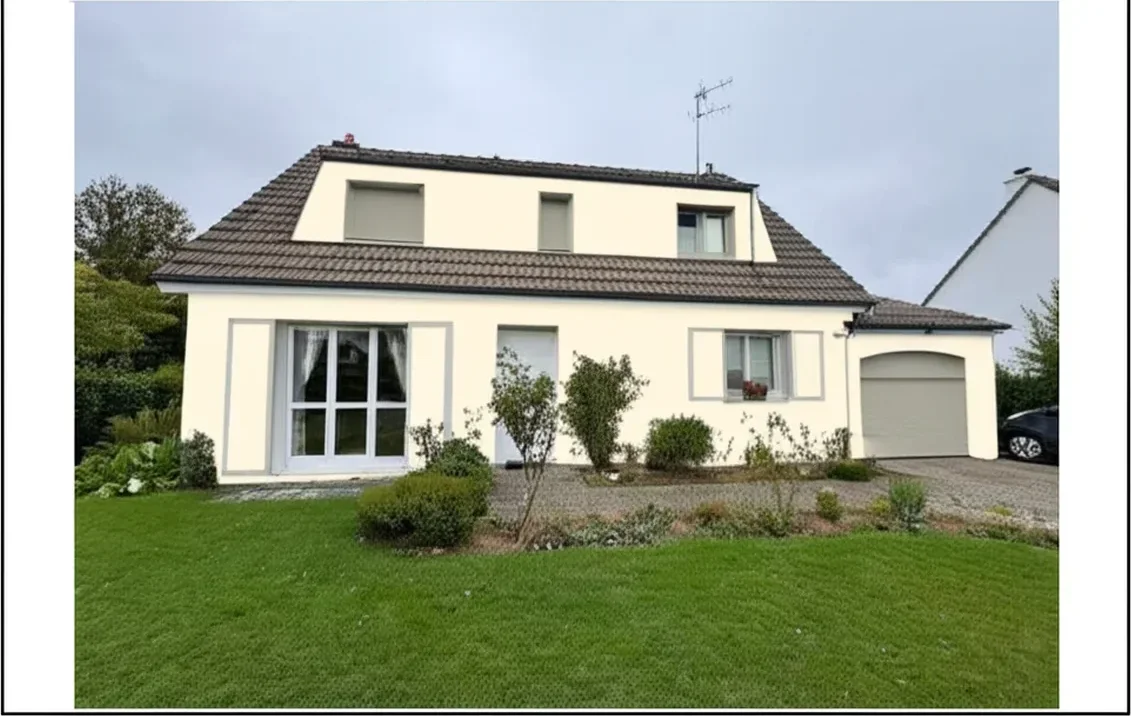
The single biggest change to Marcus's close rate came from adopting a colour visualiser. During site visits, he photographs the room or exterior, uploads the image to FacadeColorizer, and shows the client exactly how their space will look in their chosen colours — on their actual walls, in their actual lighting. "Before I started using it, about half my quotations led to a job," he says. "Now it's closer to 80%. Clients commit faster because they can see the result. And they almost always add extra rooms once they see the before and after preview."
The visualisation also eliminates the most common source of client disputes: "It doesn't look like I expected." When a client has approved a digital preview showing Dulux Trade Heritage Cream on their Victorian terrace, there are no surprises when the dust sheets come off. Marcus estimates this alone has saved him two or three complaint callbacks per year — each of which used to cost a full day's lost earnings plus materials.
Strategy 4: The referral reward
Marcus introduced a simple referral programme: for every new client who books a job through a recommendation, the referring client receives a free touch-up visit (typically 2-3 hours of work covering scuffs, marks, and wear). It costs Marcus half a day in labour but generates a job worth £800-£2,000+. The economics are overwhelmingly positive — and the touch-up visit itself often leads to more work. "I went to do a touch-up for a client in Dulwich last March," Marcus says. "She asked me to quote for the master bedroom and both kids' rooms while I was there. That's a £2,400 job from a £100 gesture."
The key is making the referral programme feel personal, not transactional. Marcus never offers cash discounts — the touch-up visit is positioned as professional aftercare, which reinforces his reputation for quality. According to Checkatrade data, tradespeople with active referral programmes generate 35% more annual revenue than those relying solely on platform leads.
Strategy 5: Seasonal proactive outreach
Twice a year — in early spring and late autumn — Marcus sends a targeted message to his entire client list with seasonal advice. The spring message covers exterior painting preparation ("winter weather takes a toll — now's the time to check for flaking, cracks, and damp patches before summer"). The autumn message focuses on interior decorating ("dark evenings are the perfect time to refresh your living spaces — here are the trending colours for the season"). Each message includes a link to the free colour visualiser so clients can explore options before contacting him.
This approach fills the traditionally quiet months. Marcus's January and February — historically dead — are now booked solid with interior decorating work from clients who received his autumn outreach. His summer months are packed with exterior projects from clients who responded to his spring message. The feast-and-famine cycle is broken because he controls the pipeline rather than waiting for it.
The results: by the numbers
After 18 months of consistently applying these five strategies, Marcus's business looks fundamentally different:
- Repeat client rate: from 15% to 70% of all jobs
- Average job value: from £650 to £1,350 (repeat clients spend more and add rooms)
- Quotation close rate: from 25% to 78% (colour visualiser was the main driver)
- Checkatrade reviews: from 12 to 87 (5-star average maintained)
- Marketing spend: from £180/month on platform subscriptions to £0
- Annual revenue: up approximately 85% with the same working hours
The most important number? Marcus now works a consistent 5-day week with a 3-week advance booking window. No more Sunday-evening anxiety about where next week's work is coming from. Increasing customer retention by just 5% can boost profits by 25-95%, according to research cited by Harvard Business Review — and Marcus's experience confirms that figure is realistic for the painting and decorating trade.
What you can take from this
Marcus's story isn't exceptional — it's replicable. Every painter and decorator in the UK has past clients sitting in their phone. The tools are free or nearly free: WhatsApp for follow-ups, a spreadsheet for tracking, and a colour visualiser for presentations. The strategies don't require a marketing budget, a website redesign, or a social media following. They require consistency and a mindset shift: from "I need to find new clients" to "I need to keep the clients I already have."
"The best marketing I ever did was texting a client I painted for two years ago. She booked three rooms and recommended me to her neighbour. That's two jobs from one message — no platform fees, no competing quotes, no stress."
— Marcus Cole, Cole Decorating, South London
For more strategies on growing your decorating business, explore our guides on using a colour visualiser as a decorator, decorator pricing strategy, and client communication best practices. Your most profitable clients are the ones you've already served — start retaining them today.
Start using the colour visualiser free
Join hundreds of UK painters and decorators who use FacadeColorizer to win more work and keep clients coming back. Upload a photo of your client's property, apply Dulux Trade, Farrow & Ball, Crown, or Little Greene colours, and share a professional before and after preview in seconds. Free, no sign-up, works on any device. Try FacadeColorizer now — the digital tool that turns one-off jobs into repeat business.