According to the Painting & Decorating Association (PDA), more than one in three customer disputes in UK decorating jobs trace back to a vague or incomplete written quote. A solid quote is not just a price — it is the contract that protects your day rate, your materials margin and your reputation. In 2026, with rising paint costs and tighter HMRC compliance under Making Tax Digital, your quote template has to do more work than ever.
This guide walks through every section of a professional UK decorator quote, aligned with PDA standards: company details, scope of works, preparation breakdown, paint specification, labour calculation, materials with markup, payment terms, insurance and snagging. We finish with a sample breakdown for a 3-bed Victorian semi and the digital tools UK trade decorators use in 2026.
Why Your Quote Template Matters in 2026
A scribbled "£3,400 all in" on the back of a delivery note is no longer good enough. UK customers compare quotes on Checkatrade, MyBuilder and Trustpilot, and they read them line by line. A vague scope invites scope creep; an unprotected variation clause means you absorb the cost of every "while you're here" extra. The PDA recommends a structured, itemised template so both parties know exactly what is — and what is not — included.
A well-organised template also speeds you up. Once you have built a master document in Markate UK, JobLogic or Tradify, you should be able to issue a watertight quote in under 30 minutes after the survey, instead of three evenings of back-and-forth emails.
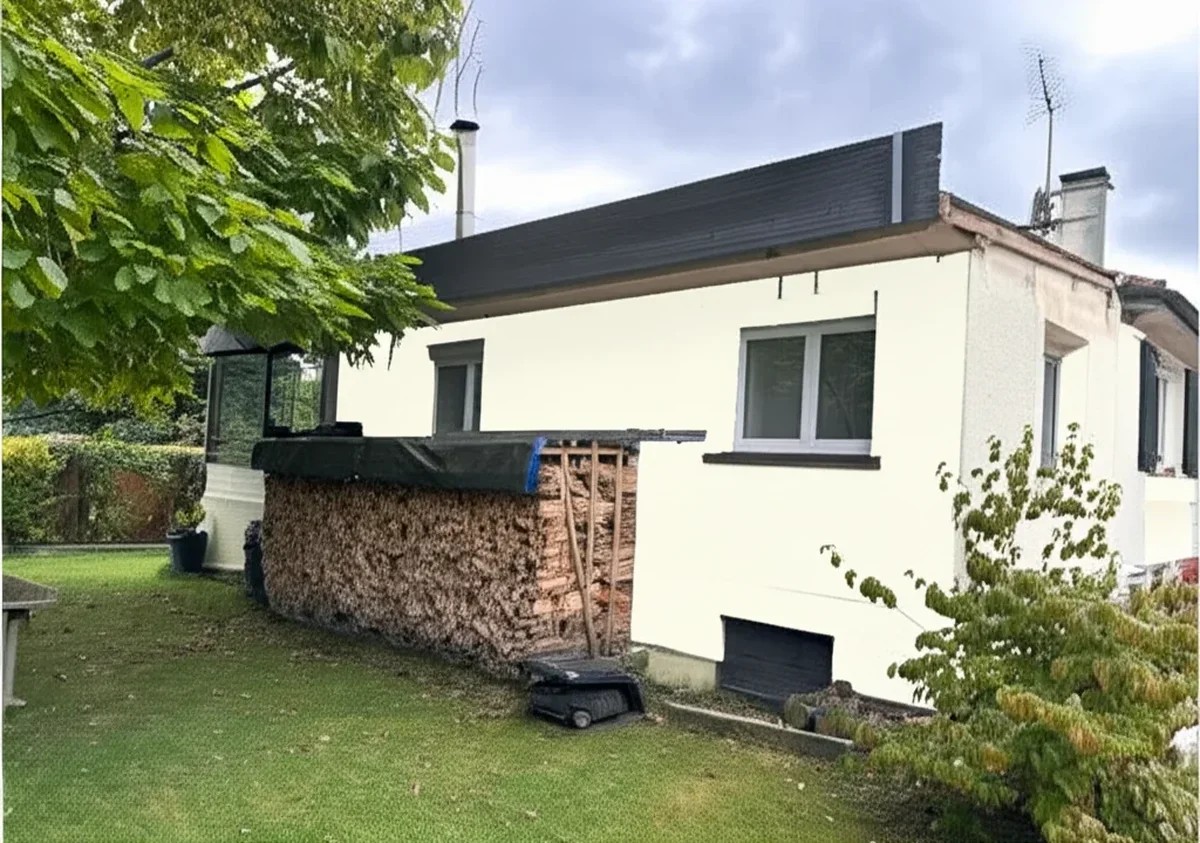
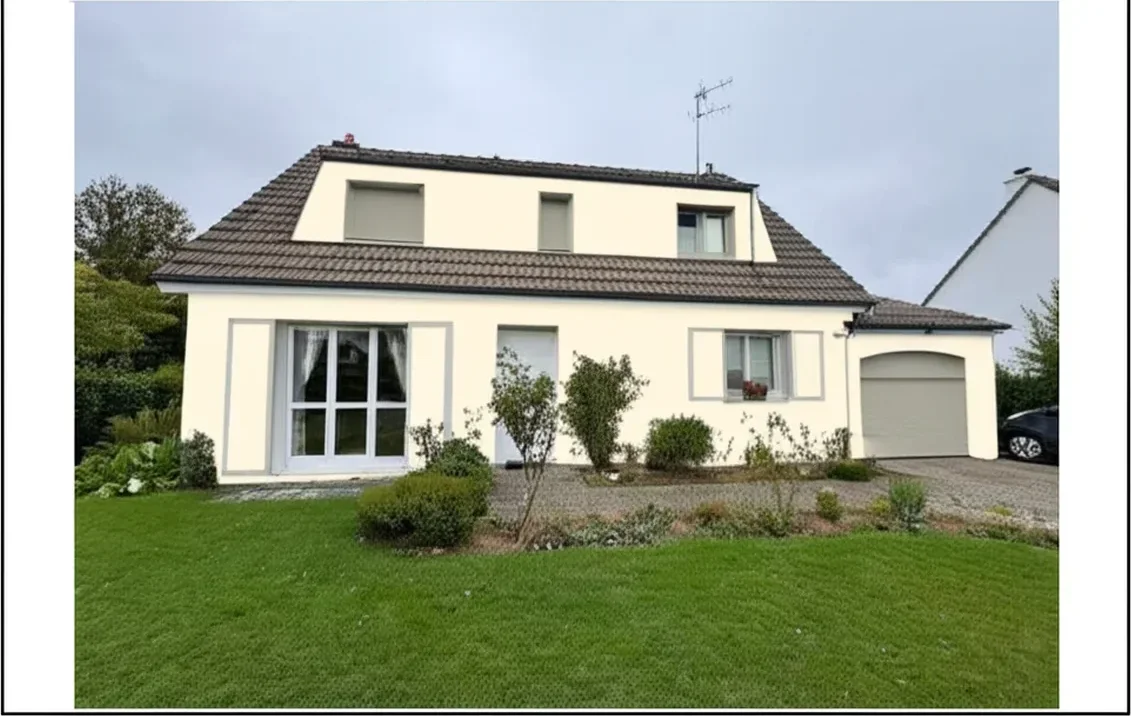
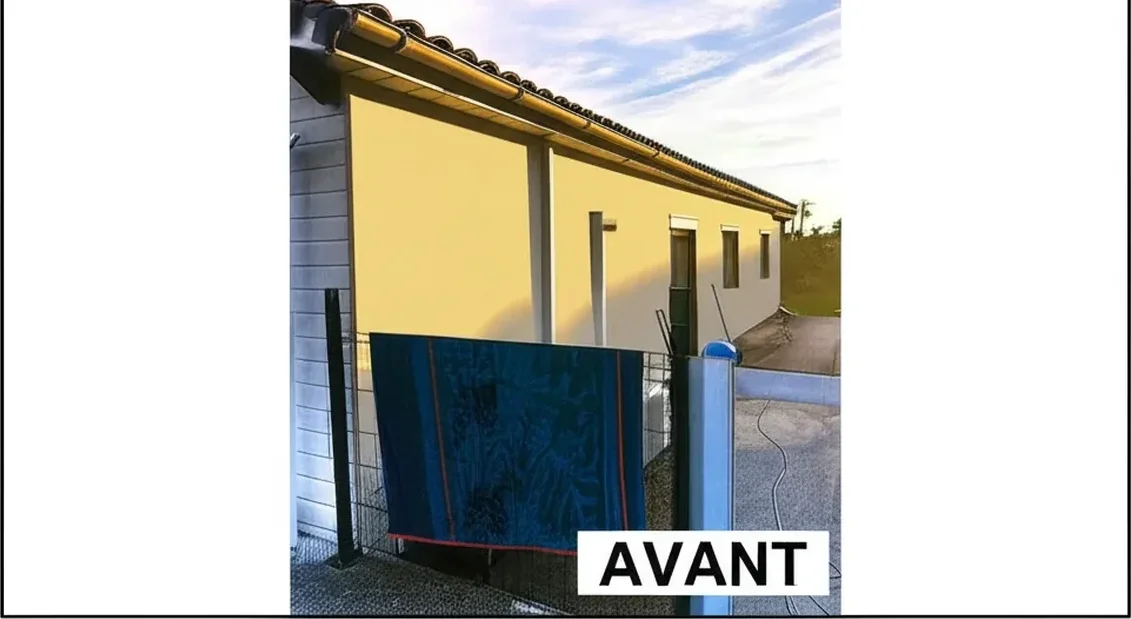
Show clients the finish before you quote — close more jobs in 30 seconds
The 10 Essential Sections of a PDA-Standard Quote
Every professional decorator quote in the UK should contain these ten sections. Miss any of them and you leave yourself exposed to disputes, late payment or HMRC queries.
1. Company Details & Compliance Information
Your header must include trading name, registered address, contact details, VAT number (if registered, threshold £90,000 in 2026), UTR number for sole traders or company number for limited firms, and CIS registration if you subcontract or work for contractors. Add your PDA membership number if applicable — it is a powerful trust signal in the residential market.
Always quote a unique reference (e.g. Q-2026-0184) and date the document. HMRC expects records to be retrievable for six years; a numbering system makes audits painless.
2. Project Description & Room Schedule
Describe the property type, address and the rooms involved. A room schedule table listing each space, its dimensions, and the surfaces being decorated (walls, ceilings, woodwork, radiators) prevents the most common dispute of all: "I thought you were doing the skirting too." Be specific about what is excluded — for example, "fitted wardrobe interiors not included".
3. Surface Preparation Breakdown
Preparation is where 70% of decorating quality lives, and it is also where unscrupulous competitors low-ball. Itemise every step:
- Sanding — specify grit (e.g. 120 then 240) and whether by hand or orbital
- Filling — nail holes, cracks, gouges; product (Toupret, Polyfilla Pro)
- Caulking — mitres, skirting-to-wall joints, architraves
- Primer — bare wood, stain block, alkali-resistant for fresh plaster
- Masking & protection — floors, fittings, furniture relocation
A quote that lumps "preparation" into a single line for £200 is a red flag — both for the client and for HMRC if challenged.
4. Paint Specification
Specify brand, colour code, finish and number of coats for every surface. For example: "Ceilings: Dulux Trade Vinyl Matt, Pure Brilliant White, 2 coats." This protects you if the client later requests a premium product mid-job. Reference the colour using the manufacturer code (e.g. Farrow & Ball No. 285 Bone) so there is no ambiguity.
If the colour is still being decided, note "colour TBC, allowance based on standard tinted emulsion; deep bases or specialist finishes may attract a supplement". Use a colour visualiser to lock the choice down before the quote becomes a contract.
5. Labour Calculation
UK trade day rates in 2026 typically sit between £180 and £280 per decorator per day, depending on region (Greater London £240-£280, Midlands £200-£240, North £180-£220). State the day rate, the number of decorator-days, and the total clearly. Do not bury labour inside a single "supply & fit" figure — that is exactly what blocks payment when a client wants to query your time.
6. Materials with Markup
Materials should be itemised with quantities (litres, rolls, tubes) and shown at retail price including your markup. The PDA-recommended markup range is 15-25% on trade-purchased paint and sundries — this covers your time collecting from the merchant, returns, wastage and storage. Be transparent: many decorators show the line "trade-supplied materials, prices include handling charge".
7. Provisional Sums for Additional Works
A provisional sum is a budget allowance for work you cannot fully scope until you start — for example, plaster repairs that only become visible once paper is stripped. Common provisional sums on UK decorator quotes:
- Plaster patch repairs — £150-£400
- Damp/stain block treatments — £80-£200
- Replacement timber sections — £100-£300
- Strip and re-line damaged walls — £25-£40 per m²
Make it crystal clear: "Provisional sums are estimates only; actual costs will be confirmed in writing before work commences and may increase or decrease the final invoice." This is your firewall against unprotected variations.
8. Payment Terms
The PDA-aligned standard for residential jobs over £2,000 in 2026 is:
- 50% deposit on signature (covers materials and mobilisation)
- 25% mid-stage on agreed milestone (e.g. preparation complete)
- 25% on completion after snagging walk-through
For smaller jobs under £2,000, a 50/50 split (deposit and completion) is acceptable. Always state the bank details, payment window (typically 7 days), and the late payment interest you will charge under the Late Payment of Commercial Debts Act — currently 8% above Bank of England base rate plus a fixed compensation fee.
9. Commencement & Completion Dates
Give a planned start date and an estimated completion date, with a clause covering reasonable delays (weather, supplier shortages, additional approved works). Vague timescales invite disputes — "starts in spring" is not professional. Use the room schedule to project realistic durations, then add 10-15% buffer.
10. Insurance, Snagging & Signature Block
State your public liability insurance cover (the UK industry standard for residential decorating is £2 million to £5 million), your insurer and policy reference. Mention employers' liability if you have staff (legally required, minimum £5 million).
Define a snagging period — 14 days from completion is the PDA recommendation — during which the client raises any defects in writing for you to remedy free of charge. Outside this window, repairs are chargeable. Finish with a signature block for both parties, dated, with space for printed name and capacity.
Common Pitfalls That Cost UK Decorators Money
Three traps appear again and again in PDA dispute reports. Avoid them and you will spend less time arguing and more time decorating.
Low-Balling to Win the Job
Cutting your day rate or skipping prep stages to undercut a competitor is a path to losing money fast. UK customers researching on Checkatrade and Trustpilot in 2026 increasingly recognise that the cheapest quote is rarely the best value. Price for the work you will actually do, and explain the value — the colour visualisation, the proper preparation, the £5M insurance.
Vague Scope
"Paint hallway" is not a scope. Is the staircase included? The under-stairs cupboard? The ceiling rose? Be ruthless in your specification — if it is not written down, it is not in the quote, and you lose every "but I assumed" argument.
Unprotected Variations
When the client asks "could you also do the landing while you're here?", a verbal yes is a financial trap. Issue a written variation order — a one-page addendum with the extra scope, price, and revised completion date, signed before the additional work begins. Most quoting software (Markate UK, JobLogic, Tradify) generates these in two clicks.
Sample Quote Breakdown: 3-Bed Victorian Semi
To make this concrete, here is a sample quote for a typical UK project: a 3-bed Victorian semi, full interior repaint of hallway, landing, lounge, dining room and master bedroom, including all woodwork. Colour: Farrow & Ball Cornforth White (No. 228) on walls, Pure Brilliant White on ceilings and woodwork. Two decorators, eight working days. Region: outer London.
| Line item | Detail | Cost (£) |
|---|---|---|
| Site setup & protection | Dust sheets, masking, furniture relocation | 180 |
| Surface preparation — walls | Sand, fill, caulk, prime fresh plaster patches | 640 |
| Surface preparation — woodwork | Sand, fill nail holes, knot & prime bare timber | 420 |
| Ceilings — 2 coats vinyl matt | Dulux Trade, Pure Brilliant White, 5 rooms | 560 |
| Walls — 2 coats estate emulsion | Farrow & Ball Cornforth White No. 228 | 1,180 |
| Woodwork — 2 coats eggshell | Skirting, architraves, doors, window reveals | 880 |
| Materials (paint, sundries) | Trade purchased, 20% handling markup | 740 |
| Labour | 2 decorators × 8 days × £240/day | 3,840 |
| Provisional sum — plaster repairs | Allowance, confirmed before works begin | 250 |
| Snagging & final clean | 14-day snagging period included | 120 |
| Subtotal (ex VAT) | 8,810 | |
| VAT @ 20% | If VAT registered | 1,762 |
| Total (inc VAT) | 10,572 |
This quote is itemised, defensible, and it tells the client exactly where their money goes. Compare that to a one-line "£9,500 to repaint house" — the structured version wins the job and protects the margin.
Digital Quoting Tools UK Decorators Use in 2026
Three platforms dominate the UK trade decorator market for quoting and job management:
- Markate UK — strong on mobile-first quoting, customisable templates, deposits via Stripe. Around £29-£49/month.
- JobLogic — built for slightly larger firms, integrates with Xero, full job management, scheduling and CIS. From £55/month.
- Tradify — popular with sole traders and 2-3 person teams, clean quote-to-invoice workflow. Around £25-£40/month.
Whichever you choose, build your master template once with all ten sections above, then clone it for each new survey. Couple it with a colour visualisation step before signing — clients who have seen the colour on a photo of their own room sign quotes 2-3 times faster.
Lock in the colour before you send the quote — no signup required
Frequently Asked Questions
What should a UK decorator quote include in 2026?
A PDA-standard UK decorator quote should include: company details with VAT and UTR/CIS numbers, a room-by-room scope, an itemised preparation breakdown (sanding, filling, caulking, primer), full paint specification (brand, code, finish, coats), labour days at a stated day rate, materials with declared markup, provisional sums for unknowns, payment terms (typically 50/25/25), commencement and completion dates, public liability insurance details (£2-£5M), a 14-day snagging period and a signature block.
What is a fair day rate for a decorator in the UK?
In 2026, UK trade decorator day rates typically range from £180-£280 per decorator per day. Greater London commands £240-£280, the Midlands £200-£240, and the North of England and Wales £180-£220. Specialist work (heritage, lime, conservation areas) attracts a 15-30% premium. Always state the day rate explicitly in your quote so labour can be queried transparently.
How much markup should a decorator add on materials?
The PDA-recognised range is 15-25% markup on trade-purchased paint and sundries. This covers your time collecting and returning materials, wastage, storage and handling. Below 15% you are effectively working for free on procurement; above 25% on standard products you risk losing the quote on price. Specialist or hard-to-source items can justify higher markup if disclosed.
Is a 50% deposit standard for UK decorating jobs?
Yes, for jobs above roughly £2,000 the standard structure is 50% on signature, 25% mid-stage, 25% on completion after snagging. The deposit covers materials purchase and mobilisation. For smaller jobs a 50/50 split is common. Always document payment terms in the quote, with bank details, a 7-day payment window and a reference to the Late Payment of Commercial Debts Act for overdue invoices.
A clean, PDA-aligned quote template is the single highest-leverage tool in a UK decorator's business. Combine it with a quick colour visualisation step using our free AI colour visualiser before sending, and you will close more jobs at better margins in 2026. Sources: Painting & Decorating Association (PDA), HMRC Making Tax Digital, Late Payment of Commercial Debts Act.