A 2024 Which? consumer trust survey found that 78% of UK homeowners check at least one accreditation badge before booking a decorator, and 56% say they would pay a premium of 5-15% for a vetted trader. Yet picking the wrong scheme can cost a sole trader £1,000 a year in fees with no measurable lead uplift.
This guide compares the five accreditations that matter to UK painters and decorators in 2026: TrustMark, Checkatrade, MyBuilder, Which? Trusted Trader and the Federation of Master Builders (FMB), with a side-look at the Painting & Decorating Association (PDA). We break down annual cost, vetting depth and verifiable ROI for sole traders, limited companies and 5-employee firms.
Why accreditation matters more in 2026
Three structural shifts have raised the stakes since 2023. First, Energy Company Obligation (ECO-flex) funding for insulation-linked redecoration is now restricted to TrustMark-registered businesses under the BSI ISO compliance framework. Second, most local authority and housing association tenders demand a Government-endorsed Quality Scheme listing. Third, AI-driven review platforms have made customer trust signals far easier to verify, and far easier to fake without independent vetting.
Accreditation is no longer a vanity badge. It is a renewable annual subscription with a certification audit, and the difference between schemes is not branding but the depth of background checking, dispute mediation and tender eligibility you receive in return.
The five schemes compared at a glance
Below is a side-by-side comparison of headline 2026 fees, vetting model, expected return on investment and notable benefits. Costs assume a single trading entity; multi-branch firms negotiate bespoke rates.
| Scheme | Annual cost | Vetting | Typical ROI | Headline benefit |
|---|---|---|---|---|
| TrustMark | £300-£500 | Government-endorsed, BSI ISO audit | High (tender access) | ECO-flex eligibility, council work |
| Checkatrade | £480-£1,800 (£40+/mo) | 12 background checks, vetted reviews | Medium-high (volume leads) | Strong consumer brand recall |
| MyBuilder | Pay-per-lead £15-£70 | ID + insurance check, light | Variable (cost-per-lead) | No fixed fee, low entry barrier |
| Which? Trusted Trader | £2,400 (£200/mo) | 9-point assessment, references | Premium clients | Highest consumer trust signal |
| FMB | £395-£1,200 (size-based) | Site inspection, references | Medium (B2B credibility) | Build Assure warranty, contracts |
TrustMark: the Government-endorsed baseline
TrustMark is the only Government-endorsed Quality Scheme on this list, operated under licence from the Department for Energy Security and Net Zero. Annual fees of £300-£500 include a BSI ISO compliance audit, with a Trading Standards relationship that gives you formal mediation rights if a dispute escalates.
The standout commercial benefit in 2026 is ECO-flex eligibility: any decorator delivering paint or coating work tied to insulation, damp proofing or ventilation under the Energy Company Obligation must be TrustMark-listed. This unlocks subsidised retrofit work that runs into the thousands per dwelling. TrustMark registration is also a near-universal prerequisite for local authority and housing association tenders.
Checkatrade: the lead-volume workhorse
Checkatrade charges from £40 per month, scaling up depending on category, postcode coverage and add-on features. A typical decorator pays £80-£150/month, putting annual cost at £960-£1,800. In return you get a public profile, vetted customer reviews, 12 background checks (insurance, references, ID) and a directory listing visited by millions of homeowners each month.
Checkatrade is best understood as a marketing channel with a trust badge attached. ROI depends heavily on profile quality, photo evidence and review velocity. Decorators who treat their Checkatrade profile like a portfolio site, refreshing photos quarterly, typically see 8-15 enquiries per month, a cost-per-lead of £6-£15.
Show clients realistic before/after previews on their own photo, no sign-up required
MyBuilder: pay-per-lead flexibility
MyBuilder uses a different model: there is no fixed annual fee, you pay £15-£70 per lead depending on job size and category. Vetting is light, an ID check, insurance verification and a public review history, but the platform's reverse-bidding format means homeowners shortlist you rather than the other way round.
For a sole trader testing the water without committing to monthly fees, MyBuilder is the cheapest entry point. The trade-off is variable cost-per-acquisition. Decorators report £40-£80 cost per won job at the cheap end, rising to £200+ in saturated London postcodes. The badge has lower perceived authority than TrustMark or Which?, so MyBuilder works best as a top-of-funnel volume play, not a premium positioning tool.
Which? Trusted Trader: the premium trust signal
At £200 per month (£2,400/year), Which? Trusted Trader is the most expensive scheme but carries the strongest consumer trust signal. The 9-point assessment includes a credit check, customer reference calls, a sample-of-work review and a code-of-conduct sign-off. The Which? brand, built over 60 years of consumer journalism, converts particularly well in middle-class postcodes and on jobs over £5,000.
Direct lead volume is modest, perhaps 2-5 enquiries per month, but conversion rates and average job values are high. According to the 2024 Which? consumer trust survey, 62% of respondents said the Which? badge was the single most reassuring credential when commissioning home improvement work.
FMB and PDA: trade-body credibility
The Federation of Master Builders charges £395 to £1,200 per year depending on firm size, with a site inspection and reference checks at registration. FMB membership unlocks the Build Assure warranty, member-only contract templates and a directory listing favoured by larger residential clients and B2B partners (architects, project managers).
The Painting & Decorating Association (PDA) is the trade-specific equivalent. PDA membership costs £200-£400 per year, including the ProQualify competency framework which formalises NVQ-aligned skills evidence. PDA is a strong credibility signal in commercial and contractor-of-contractor work, less powerful in direct consumer marketing.
Cost vs ROI by business size
There is no universal "best" scheme. The right mix depends on whether you trade as a sole trader, a limited company chasing volume, or a 5-employee firm with overheads to feed. Below is the typical 2026 portfolio for each profile.
Sole trader, residential focus, under £80k turnover
Recommended stack: TrustMark + MyBuilder, total annual outlay roughly £400 fixed plus pay-per-lead variable. TrustMark covers the credibility floor and unlocks small ECO-flex jobs; MyBuilder fills the diary without committing to monthly fees. Total predictable spend stays under £1,500/year, with cost-per-lead clearly trackable.
Limited company, £80k-£250k turnover
Recommended stack: TrustMark + Checkatrade + PDA, total annual outlay £1,500-£2,400. Checkatrade becomes the primary lead engine, PDA adds technical credibility for B2B referrals, TrustMark keeps tender eligibility alive. Drop MyBuilder unless cost-per-lead in your area beats Checkatrade.
5-employee firm, £400k+ turnover, mixed commercial/residential
Recommended stack: TrustMark + Which? Trusted Trader + FMB + PDA, total annual outlay £3,500-£4,500. At this scale, premium positioning matters more than raw lead volume. Which? attracts higher-value private clients, FMB opens contract work, PDA differentiates on technical depth, TrustMark stays mandatory for tenders. Checkatrade becomes optional if your referral pipeline is mature.
How to display badges for maximum effect
Accreditation only converts when prospects see it at the point of decision. Decorators who win on trust apply badges in three places consistently.
Van livery: badges on both rear doors and the driver-side panel get measurable doorstep recall. Stick to two badges maximum, oversized rather than cluttered. Website: footer plus a dedicated "Accreditations" section, with the underlying licence number visible (homeowners increasingly verify directly on the issuing site). Leaflets and quotes: a single badge row in the header of every quote PDF, plus a sentence in the cover email referencing the scheme by name.
Avoid the rookie mistake of showing six badges of equal size. Hierarchy matters: lead with TrustMark (Government-endorsed), then your strongest consumer-facing badge (Checkatrade or Which?), then trade-body credentials.
Verifiable benefits beyond leads
The accreditation conversation usually fixates on lead volume, but several less-publicised benefits move the needle on profitability over a 3-year horizon.
Dispute mediation: TrustMark, Which? and FMB all provide formal mediation services. A single avoided court case saves £2,000-£8,000 in legal fees and lost time. Trading Standards relationship: TrustMark-registered traders receive priority handling from local Trading Standards officers, useful when a vexatious complaint surfaces. Insurance leverage: several public liability insurers offer 5-10% premium discounts to TrustMark or FMB members. Tender access: ECO-flex, council redecoration frameworks and most housing association schedules of rates are gated to accredited contractors.
The annual audit: what actually happens
Each scheme renews annually with a certification audit. The depth varies sharply. TrustMark conducts a documentary audit against BSI ISO criteria, with random site visits roughly once every 3 years. Checkatrade re-runs background checks and reviews any complaints filed in the past 12 months. Which? repeats the 9-point assessment in full every 24-36 months. FMB reinspects on a 3-year cycle. MyBuilder renews insurance and ID checks but no site inspection.
Plan ahead: keep your insurance certificates, NVQ evidence, customer references and recent project photos in one folder, refreshed quarterly. An audit fail leads to suspension, public profile removal and lost leads for 4-8 weeks while you remediate, easily £3,000-£10,000 of revenue at risk.
Frequently asked questions
Is TrustMark or Checkatrade better for a new decorator in 2026?
For a brand-new business, TrustMark first, Checkatrade second. TrustMark is the cheaper Government-endorsed credential, takes 4-8 weeks to register and immediately unlocks ECO-flex and small council work. Add Checkatrade once you have 5-10 verified customer reviews from completed jobs, otherwise you pay £40-£100/month for a profile that converts poorly. MyBuilder pay-per-lead can fill the gap in months 1-3.
Does the Which? Trusted Trader badge justify £200 per month?
It does for firms targeting average job values above £4,000, period properties or affluent postcodes. The 2024 Which? consumer trust survey showed 62% of homeowners rate the Which? badge as the most reassuring credential when spending over £5,000. For sole traders doing £500-£1,500 single-room redecorations, the maths rarely works, TrustMark plus Checkatrade delivers more leads at lower cost.
Can I claim ECO-flex insulation work without TrustMark?
No. Under the current Energy Company Obligation rules, TrustMark registration is mandatory for any contractor delivering measures funded under ECO-flex, including post-insulation redecoration, damp-proof coatings and ventilation-related paint work. The TrustMark licence number must appear on the funding application. PAS 2030/2035 compliance is also required for the lead retrofit coordinator, but the decorator-side TrustMark listing is the gating credential.
Do I need both FMB and PDA membership?
Rarely. FMB suits decorators who do structural-adjacent work (rendering, plaster repairs, full refurbs) and want B2B contractor credibility. PDA suits specialist painters and decorators who want NVQ-aligned skills validation through ProQualify. If you do pure painting and decorating, PDA is the better £200-£400 spend. If you operate as a multi-trade refurb firm, FMB delivers stronger contract templates and warranty options. Holding both is overkill unless you genuinely cross-sell into both segments.
Putting it all together
Accreditation in 2026 is a portfolio decision, not a single-product purchase. The most profitable UK decorators we surveyed run two to four overlapping schemes, layered to cover the credibility floor (TrustMark), the lead engine (Checkatrade or MyBuilder), the premium signal (Which? or FMB) and the technical badge (PDA). Total spend ranges from £400 for a starting sole trader to £4,500 for an established 5-employee firm.
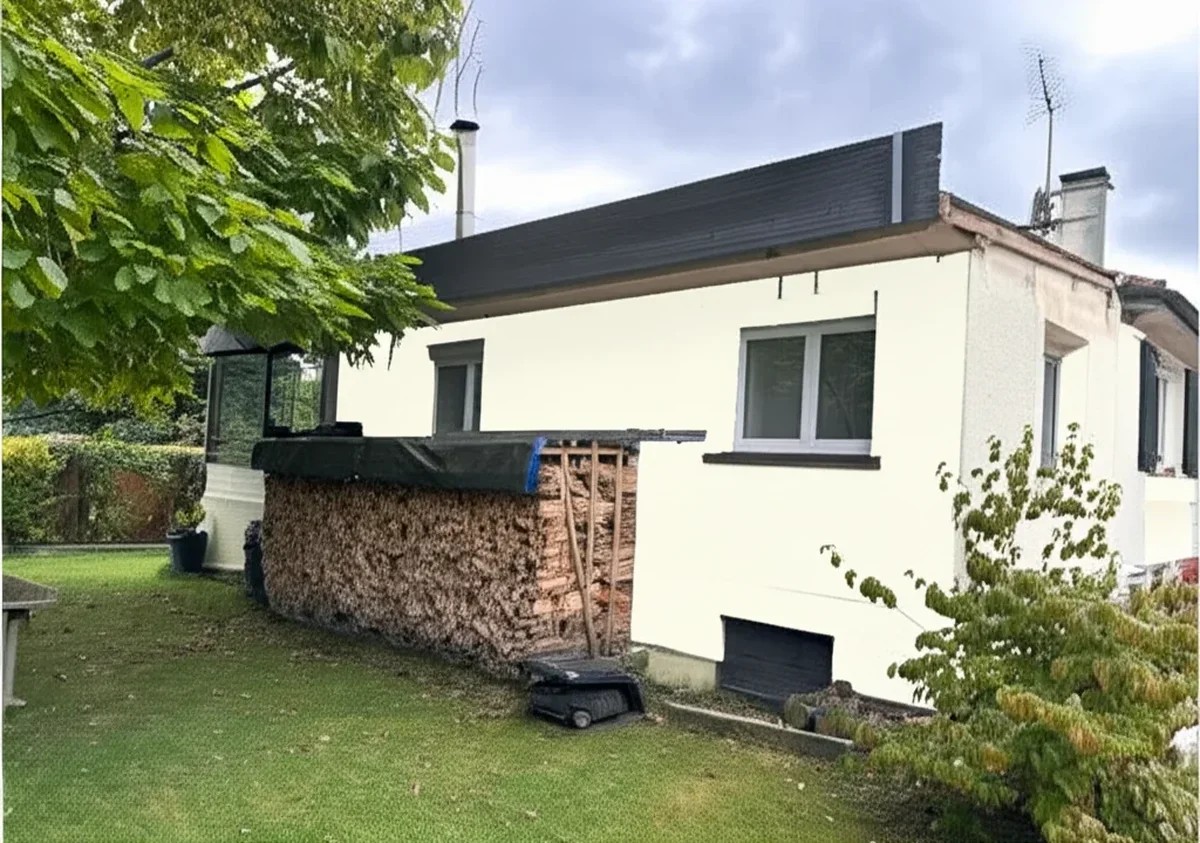
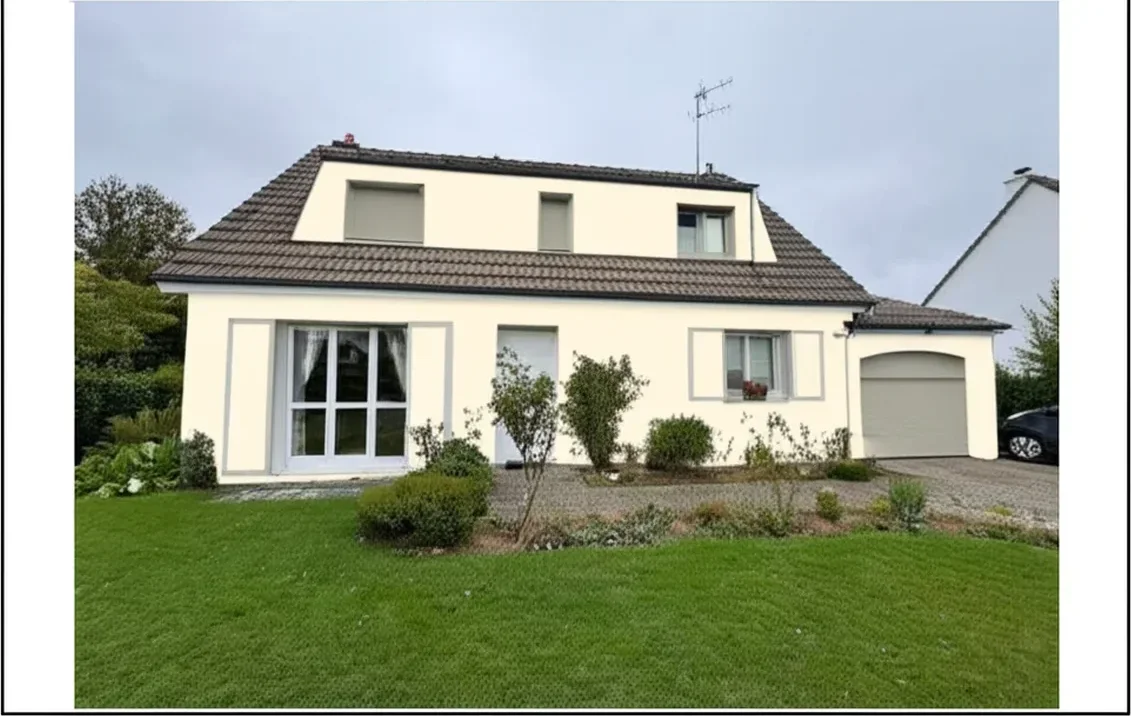
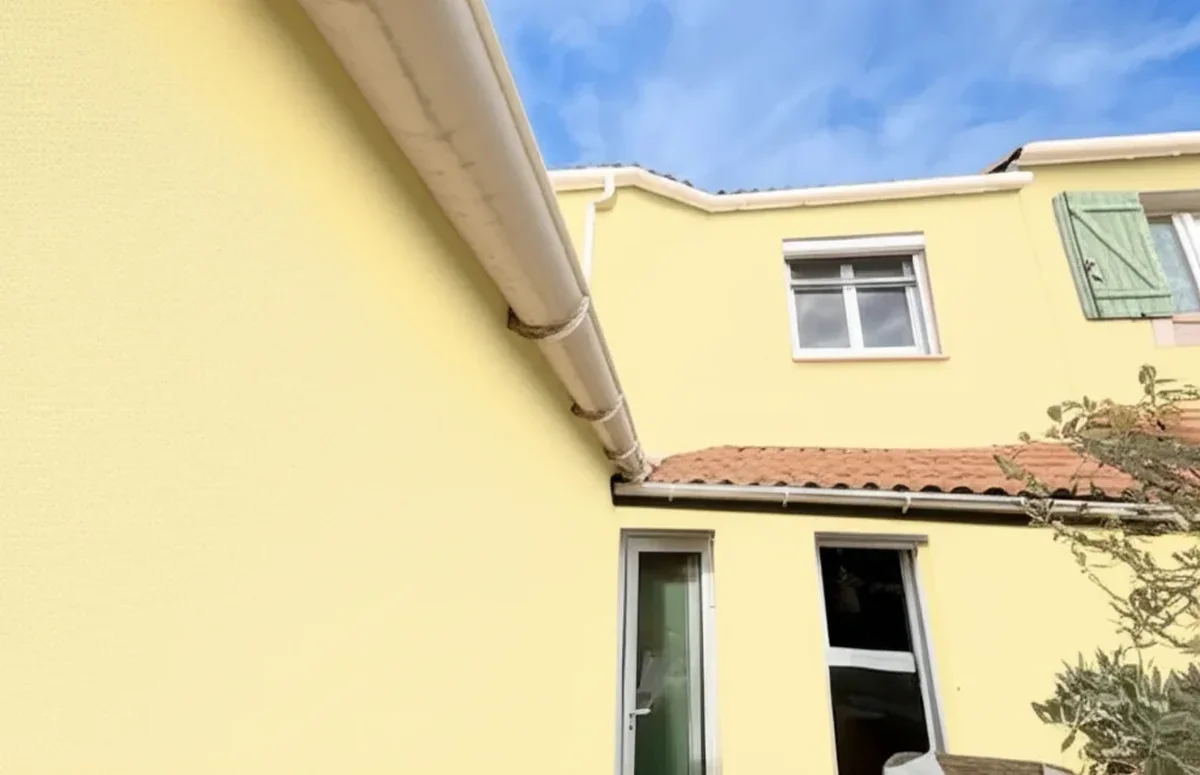
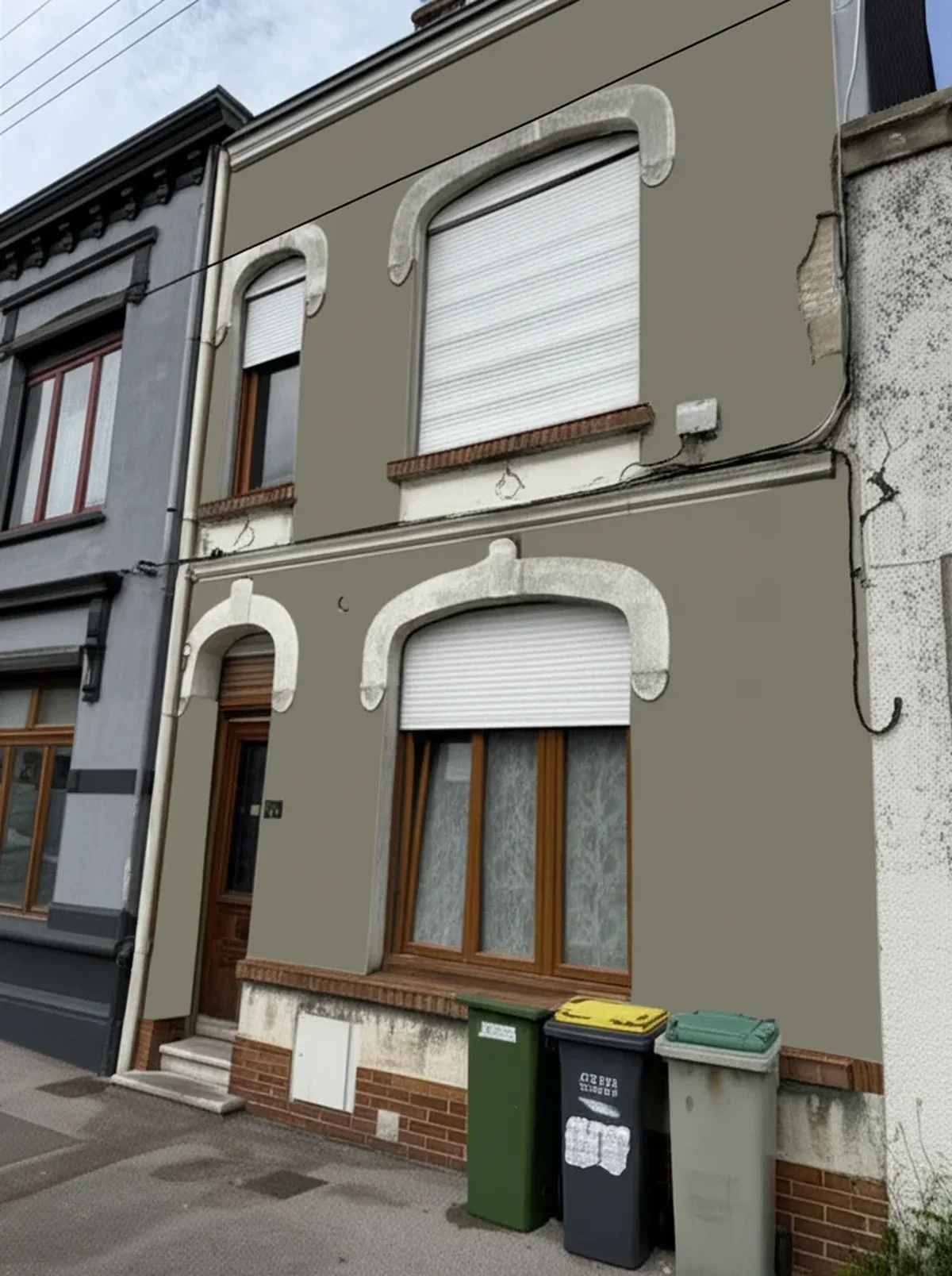
Whatever stack you pick, pair it with strong visual conversion tools at the quoting stage. Showing a homeowner a realistic AI-generated preview of their own room or facade in your proposed scheme dramatically increases close rates, especially when paired with a credible accreditation badge in the same email.
Free, no sign-up, results in under 30 seconds
Pick the accreditation stack that matches your turnover and target client, then pair it with a strong portfolio. Use our free AI colour visualiser to add realistic before/after previews to every quote you send. Sources: TrustMark scheme guidance 2026, Checkatrade trader handbook, MyBuilder pricing pages, Which? Trusted Trader 2024 consumer survey, FMB and PDA member fees.