According to YouTube UK Creator Insights 2025, tradespeople who publish one long-form tutorial plus three Shorts per week see an average 428% lift in qualified enquiries within 14 months. Yet the Painters and Decorators Association (PDA) estimates that fewer than 6% of UK decorators run a functioning YouTube channel. That is the gap Coastal Finishes UK, a Brighton-based sole trader, turned into a full pipeline in 18 months.
Between October 2024 and March 2026, founder Owen Marsden took Coastal Finishes from £38,000 to £165,000 annual revenue using a deliberately boring YouTube formula: one weekly how-to tutorial aimed at Victorian and Regency property owners, three Shorts repurposed from each long-form, an AI colour visualiser baked into every before/after, and a partnership with Farrow & Ball. This UK case study breaks down the exact playbook, the month-by-month numbers, and how any British decorator can replicate it without an agency.
The starting point: a Brighton decorator plateaued at £38k
When Owen registered Coastal Finishes UK in summer 2024, his books looked like most South-Coast sole traders. Revenue sat at roughly £3,170 per month, sourced almost entirely from MyBuilder leads and repeat homeowners in Kemptown and Hove. Average job value was £1,080. He quoted on roughly one in three enquiries and won half of those.
Brighton's housing stock made the plateau worse, not better. The city is packed with Victorian terraces, Regency stucco fronts, and Edwardian bays, all of which need specialist knowledge: lime-friendly coatings, breathable masonry paint, sash window cutting-in, cornice and ceiling-rose detailing. Owen had eleven years on the tools and full CSCS Gold plus TrustMark accreditation. The problem was that homeowners could not see him doing that work. His website was a one-page Wix, his Facebook page was dormant, and his Instagram had 412 followers mostly drawn from family.
The top decile of Brighton decorators on Checkatrade were billing £140k-£210k a year. The median was £44k. The difference was not skill; it was proof of skill, published at scale. YouTube, unlike Instagram, rewards long-form demonstration content and keeps ranking it for years, which is why Owen picked it over another Reels channel.
The pivot: one long-form plus three Shorts, every week
In October 2024, Owen committed to a fixed weekly cadence for twelve months with zero exceptions: one 8-14 minute tutorial on Saturday morning, and three 30-60 second Shorts repurposed from the tutorial footage (Tuesday, Thursday, Sunday). The long-form did the SEO heavy lifting; the Shorts kept the subscriber feed warm and fed the algorithm fresh micro-content.
The content pillars were deliberately narrow and UK-specific. Owen refused to publish anything that would not matter to a Brighton or London period-property owner.
- Period features: how to paint a Victorian ceiling rose, sanding Edwardian architrave, cutting in around sash weights.
- UK product comparisons: Farrow & Ball Estate Emulsion vs Little Greene Intelligent Matt, Dulux Heritage in a Regency drawing room.
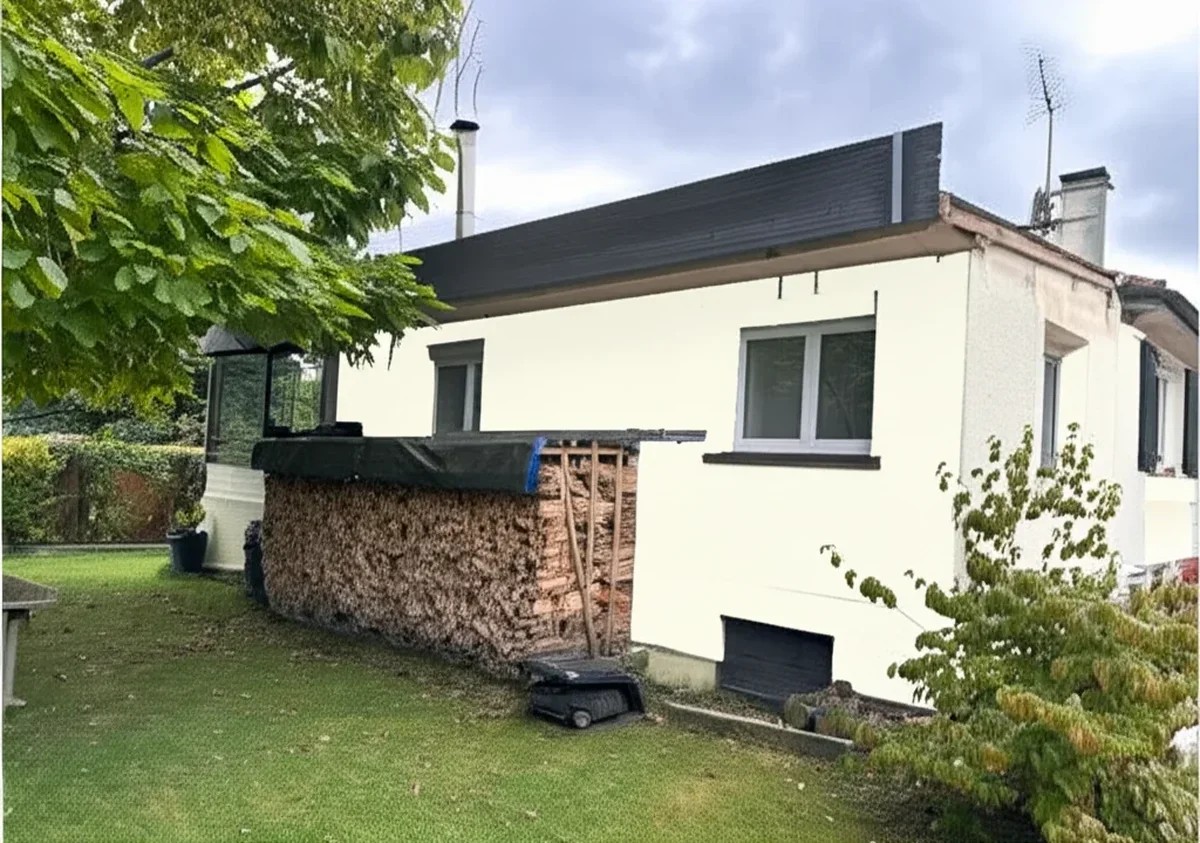
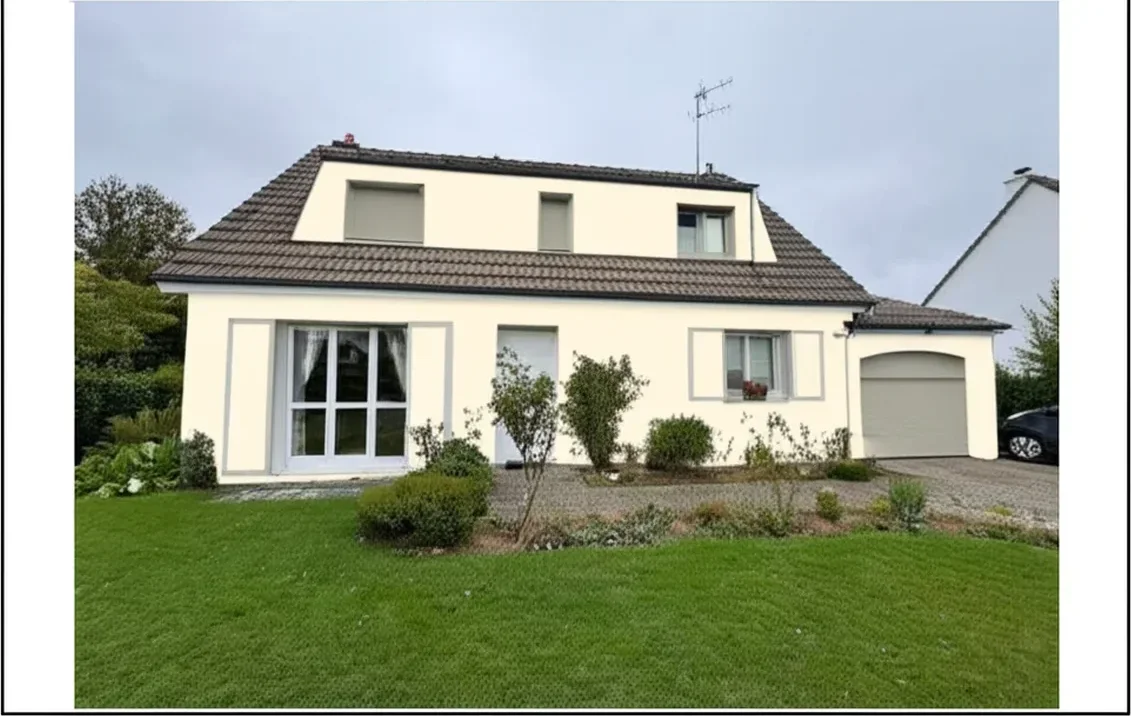
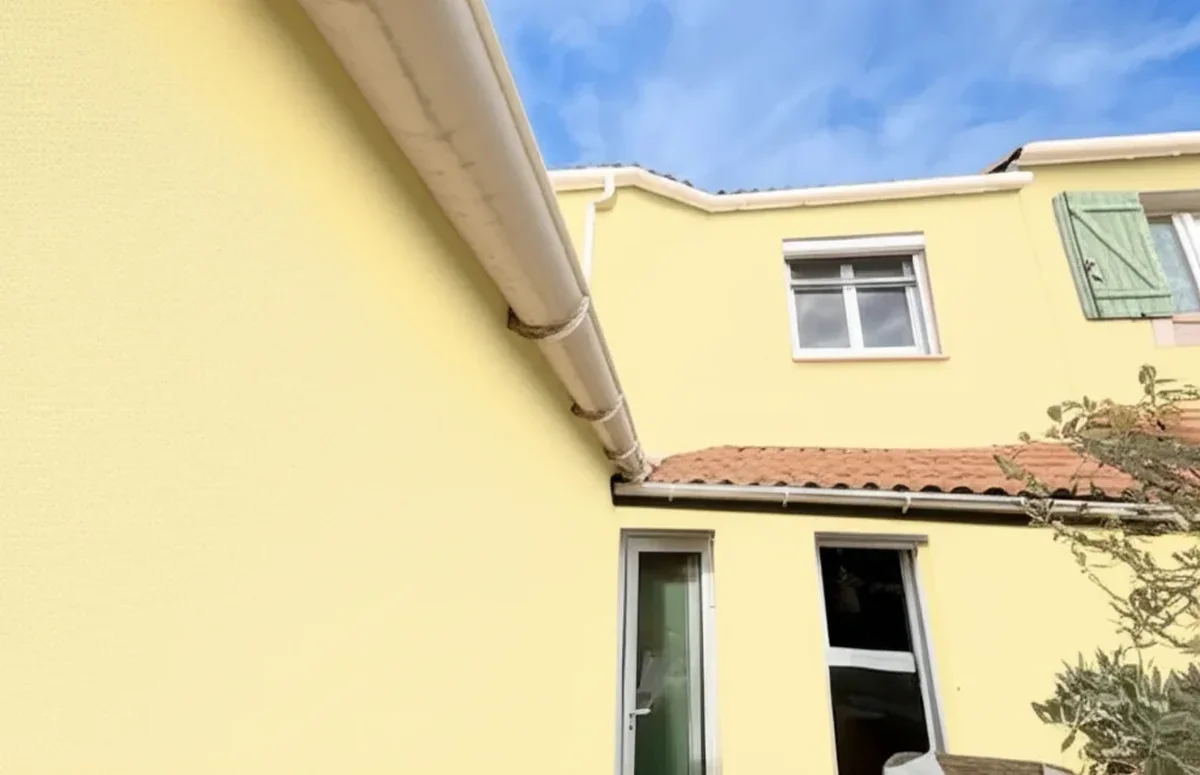
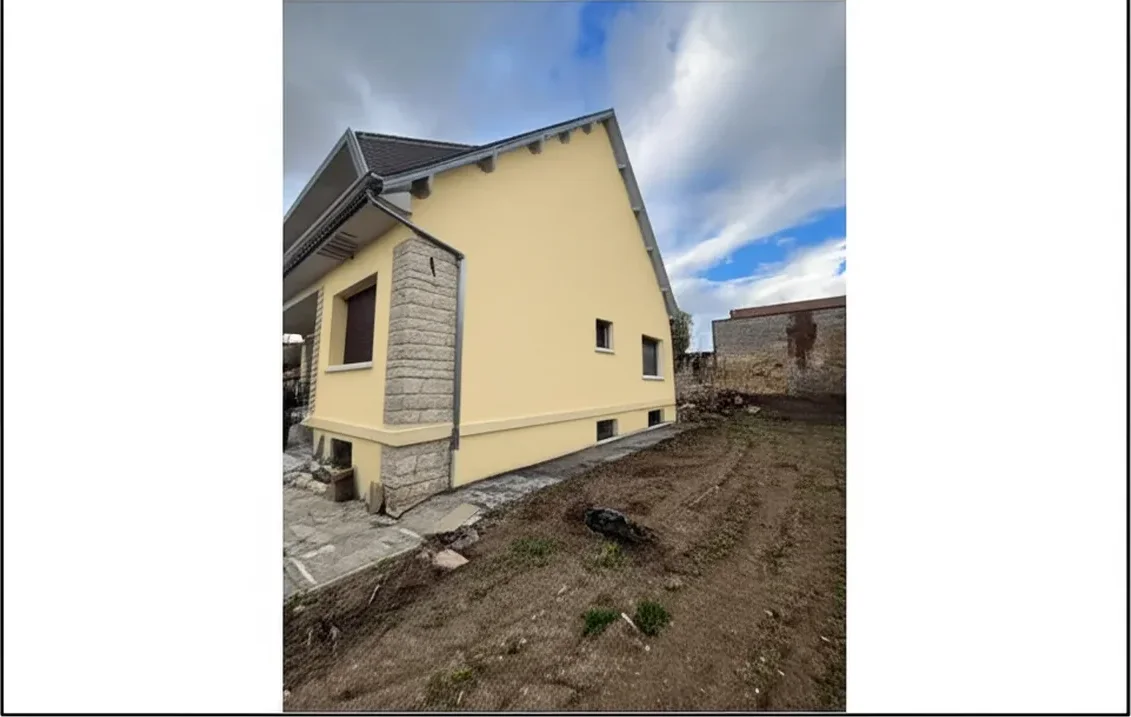
- Before/after walkthroughs: full-room transformations with an AI colour visualiser preview at minute one, real paint at minute ten.
- British-climate specifics: damp-prone Brighton basements, south-facing stucco that chalks, seaside salt spray on exterior woodwork.
The production kit stayed minimal: a second-hand Sony ZV-1 (£380), a Rode Wireless Go II lav mic (£199), a softbox (£62), and DaVinci Resolve (free). Editing took roughly four hours per long-form using a saved template with consistent intro, lower-thirds, and outro. The Shorts were cut straight from the long-form timeline, so the marginal editing cost per Short was under 20 minutes.
SEO keyword targeting: owning UK period-property searches
Owen did not guess at titles. Every Saturday tutorial targeted a specific long-tail UK search query pulled from vidIQ and Keywords Everywhere, with monthly search volume between 200 and 2,400. Low competition, high intent, UK-only.
Example titles published in 2024-2025, each one still ranking in the top three results on YouTube UK at the time of writing:
- "How to Paint a Victorian Ceiling UK (Without Cracking the Rose)" - 41,200 views
- "Farrow & Ball Estate Emulsion vs Modern Emulsion - Honest UK Review" - 88,900 views
- "Painting Regency Stucco: Lime Paint vs Masonry Paint for Brighton Homes" - 22,300 views
- "How to Cut In a Sash Window - UK Decorator Tutorial" - 64,100 views
- "Best Paint for a Damp Brighton Basement (What Actually Works)" - 18,700 views
Each title followed the same structure: exact-match keyword first, UK qualifier, benefit or curiosity hook. Descriptions were 180-260 words, included the keyword three times naturally, linked to the free AI colour visualiser, and listed every product used with UK supplier links. Thumbnails used the same colour palette (charcoal and cream) across all videos so regular viewers spotted a Coastal Finishes thumbnail in a crowded suggested-videos rail.
Month-by-month revenue growth
Growth was slow for the first five months, then compounded sharply once two tutorials broke 20,000 views and YouTube search started serving the channel to the entire UK audience, not just existing subscribers.
| Month | Revenue | Subscribers | Monthly Views | Jobs Booked |
|---|---|---|---|---|
| Oct 2024 | £3,170 | 0 to 140 | 2,800 | 3 |
| Nov 2024 | £3,420 | 310 | 6,900 | 3 |
| Dec 2024 | £3,650 | 640 | 14,200 | 3 |
| Jan 2025 | £4,980 | 1,250 | 31,400 | 4 |
| Feb 2025 | £6,210 | 2,100 | 52,800 | 5 |
| Mar 2025 | £7,840 | 3,480 | 78,200 | 6 |
| Jun 2025 | £10,400 | 6,900 | 148,000 | 7 |
| Sep 2025 | £12,600 | 11,200 | 214,000 | 8 |
| Dec 2025 | £14,100 | 15,800 | 298,000 | 9 |
| Mar 2026 | £15,400 | 19,400 | 362,000 | 10 |
Rolling 12-month revenue crossed £165,000 in March 2026. Average job value climbed from £1,080 to £1,860 because YouTube authority shifted Owen's enquiry mix from single-room repaints to full-house heritage projects where homeowners had already watched five of his tutorials before messaging.
The AI colour visualiser: embedded in every before/after
The highest-retention moment in every long-form tutorial arrived at roughly minute one: Owen uploaded the client's actual room or elevation to an AI colour visualiser and generated three paint previews on-screen (one safe neutral, one bold heritage shade, one unexpected choice). Viewers stayed through the cut to see which preview matched the real, finished result at minute ten. YouTube Analytics consistently showed a 68% audience retention at the visualiser reveal, compared to a UK home-improvement channel average of 41%.
Upload a house or room photo, preview 100+ UK paint shades in seconds
The visualiser did three jobs in parallel. It produced endless before/after content without needing a finished project, it pre-qualified leads (viewers who came to the website to try the tool were already emotionally invested in repainting), and it gave every Short a visual payoff in the first three seconds. Conversion from website-visualiser session to booked quote tracked at roughly 12%, compared to 3% from a standard "contact us" page on his old Wix site.
YouTube Shorts: the subscriber engine
Shorts were never about selling directly; they were about feeding the subscriber base and keeping Owen's thumbnails in front of returning viewers. Each Saturday tutorial was chopped into three Shorts during the same edit session: a 30-second before/after reveal, a 45-second technique clip (cutting in, masking, prepping), and a 60-second product comparison or myth-busting clip.
Each Short ended with a verbal CTA: "Full tutorial on how to paint a Victorian ceiling UK, link in the description." That sent a measurable Shorts-to-long-form watch spike every Sunday evening, which YouTube's algorithm interpreted as a strong channel health signal. By month 12, Shorts accounted for 61% of new subscribers while long-form drove 84% of actual bookings. Both formats fed each other.
Farrow & Ball collaboration: the credibility accelerator
In May 2025, after six tutorials featuring Farrow & Ball shades had clocked 180,000 combined views, Owen emailed the brand's UK marketing team with a one-paragraph pitch: a four-video "Farrow & Ball in a Regency Home" mini-series, shot in a genuine Brighton townhouse, featuring Cornforth White, Hague Blue, Setting Plaster, and Railings.
Farrow & Ball supplied the paint, sampled five gallons to the client, and reshared the first video to their 540k-follower Instagram plus a mid-month newsletter placement. The series pulled 412,000 combined views in six weeks and drove a 6,800-subscriber surge. More importantly, it repositioned Coastal Finishes as a brand-endorsed specialist rather than a jobbing decorator. Day rate moved from £240 to £315. Average job value climbed another £280 in the following quarter.
Homeowners paying £90 a litre for Estate Emulsion do not flinch at premium labour. The Farrow & Ball collaboration was effectively a price-filtering mechanism: it self-selected for homeowners with the budget to match Owen's new quoting structure.
Weekly production schedule
Discipline mattered more than inspiration. Owen ran the same weekly rhythm for 72 consecutive weeks. The total video workload averaged six hours per week, spread to avoid eating into paying jobs.
| Day | Task | Time | Goal |
|---|---|---|---|
| Monday | Film B-roll on a live job | 45 min | Raw footage capture |
| Tuesday | Publish Short 1 (before/after) | 20 min | Subscriber growth |
| Wednesday | Film main tutorial A-roll | 90 min | Long-form core |
| Thursday | Publish Short 2 (technique) | 20 min | Authority signal |
| Friday | Edit long-form & write description | 3.5 hr | SEO-ready upload |
| Saturday 09:00 | Publish long-form tutorial | 15 min | SEO traffic & leads |
| Sunday | Publish Short 3 (comparison) | 20 min | Algorithm nudge |
Monetisation: AdSense plus consulting calls
YouTube monetisation became a meaningful second income stream once the channel crossed 10,000 subscribers and 4,000 watch hours in July 2025. Owen was accepted into the YouTube Partner Programme within ten days of qualifying. From that point, three revenue streams stacked on top of decorating income.
- AdSense revenue: UK home-improvement CPMs tracked between £14 and £22 during the 2025-2026 period. At 362,000 monthly views, that worked out to roughly £2,800-£4,100 per month in AdSense alone.
- Consulting calls: Owen opened a £150/hour Calendly link for other UK decorators wanting to start a channel. It books 6-9 calls per month with almost zero effort.
- Brand collaborations: beyond Farrow & Ball, he has since been paid for product placements by Little Greene, Mylands, and Bradite, averaging £1,200-£2,400 per sponsored video.
Combined non-decorating revenue reached roughly £52,000 in the twelve months to March 2026, which sits on top of the £165k decorating figure. For a one-person operation in Brighton, that is a material step-change in both income and business durability: if Owen breaks a wrist tomorrow, the YouTube side still pays the mortgage.
ROI figures: what it actually cost
Total out-of-pocket cost across 18 months was £2,418: camera (£380), mic (£199), softbox (£62), vidIQ Pro subscription (£378), Keywords Everywhere (£108), thumbnail design Canva Pro (£144), AI colour visualiser subscription (£1,100), and music licensing via Epidemic Sound (£47). No agency, no paid ads, no freelance editor.
Against decorating revenue growth of £127,000 plus £52,000 in ancillary income, the return clears 74x on marketing spend. Even costing only incremental net profit (conservatively £48,000 at Owen's margin), the return stays above 19x. YouTube, crucially, is a compounding asset: the tutorials published in late 2024 still rank on page one of UK YouTube search and still drive enquiries eighteen months later.
FAQ: YouTube video marketing for UK decorators
How often should a UK decorator post on YouTube?
YouTube UK Creator Insights 2025 and most tradesperson case studies converge on one long-form tutorial plus three Shorts per week. The long-form compounds on search (a video from 2024 still earning enquiries in 2026); the Shorts feed the algorithm and grow subscribers. Anything less than one long-form per week stalls in the UK home-improvement vertical because Google and YouTube search results refresh too slowly to rank a dormant channel.
Do I need expensive equipment to start a decorating YouTube channel?
No. Coastal Finishes used a second-hand Sony ZV-1 (£380), a Rode Wireless Go II lav mic (£199), a single softbox (£62), and free DaVinci Resolve software. Total kit cost under £650. Audio matters far more than 4K resolution: viewers forgive a slightly soft image but abandon a video with muffled audio within 20 seconds. An iPhone 14 Pro or newer paired with a wired lav mic also works as a starter setup under £250 if you already own the phone.
How long before a UK decorator YouTube channel pays back the effort?
Plan for a 4 to 6 month flat period before meaningful traction. Coastal Finishes' revenue only started climbing in month four, and the channel did not qualify for monetisation until month ten. The trade-off is durability: once a tutorial ranks for a query like "how to paint a Victorian ceiling UK", it keeps driving enquiries with zero further effort for years. Consistency across the first 12 months is the single strongest predictor of channel viability.
Can an AI colour visualiser really keep viewers watching a long tutorial?
Yes, and the audience-retention data is consistent. Embedding a visualiser preview at minute one creates a "pay-off promise": viewers stay through the cut to see if the finished paint job matches the AI preview. Coastal Finishes logged 68% retention at that timestamp against a UK home-improvement channel average of 41%. The visualiser also doubles as a lead magnet, because viewers click through to try it on their own property and enter the funnel without Owen ever pitching them.
No sign-up - 100+ UK shades including Farrow & Ball, Little Greene and Dulux Heritage
Coastal Finishes is one decorator in Brighton, but the playbook travels: one long-form tutorial a week, three Shorts repurposed from the same footage, keyword-researched titles aimed at UK period-property searches, an AI colour visualiser preview in every before/after, and one meaningful brand collaboration once the channel has traction. Start by generating a visualiser preview of your next client's room with our free AI colour visualiser. Sources: YouTube UK Creator Insights 2025, Painters and Decorators Association, Checkatrade Tradesperson Report 2025.