
Developer & creator of FacadeColorizer · Paris
Reviewed by Hugo Dumoulin, Founder of FacadeColorizer · Updated 2026-03-25
Looking for a painter and decorator in Plymouth? With a population of around 264,000, Plymouth is Devon’s largest city — a maritime hub where coastal exposure is a defining factor for any exterior decorating project. From the limestone townhouses of the Barbican and Stonehouse to the post-war Modernist architecture of the city centre and rendered semis across Peverell and Mannamead, Plymouth’s building stock demands careful material selection. This guide gives you the real 2026 prices, planning permission rules, and practical advice for hiring a decorator in Plymouth.
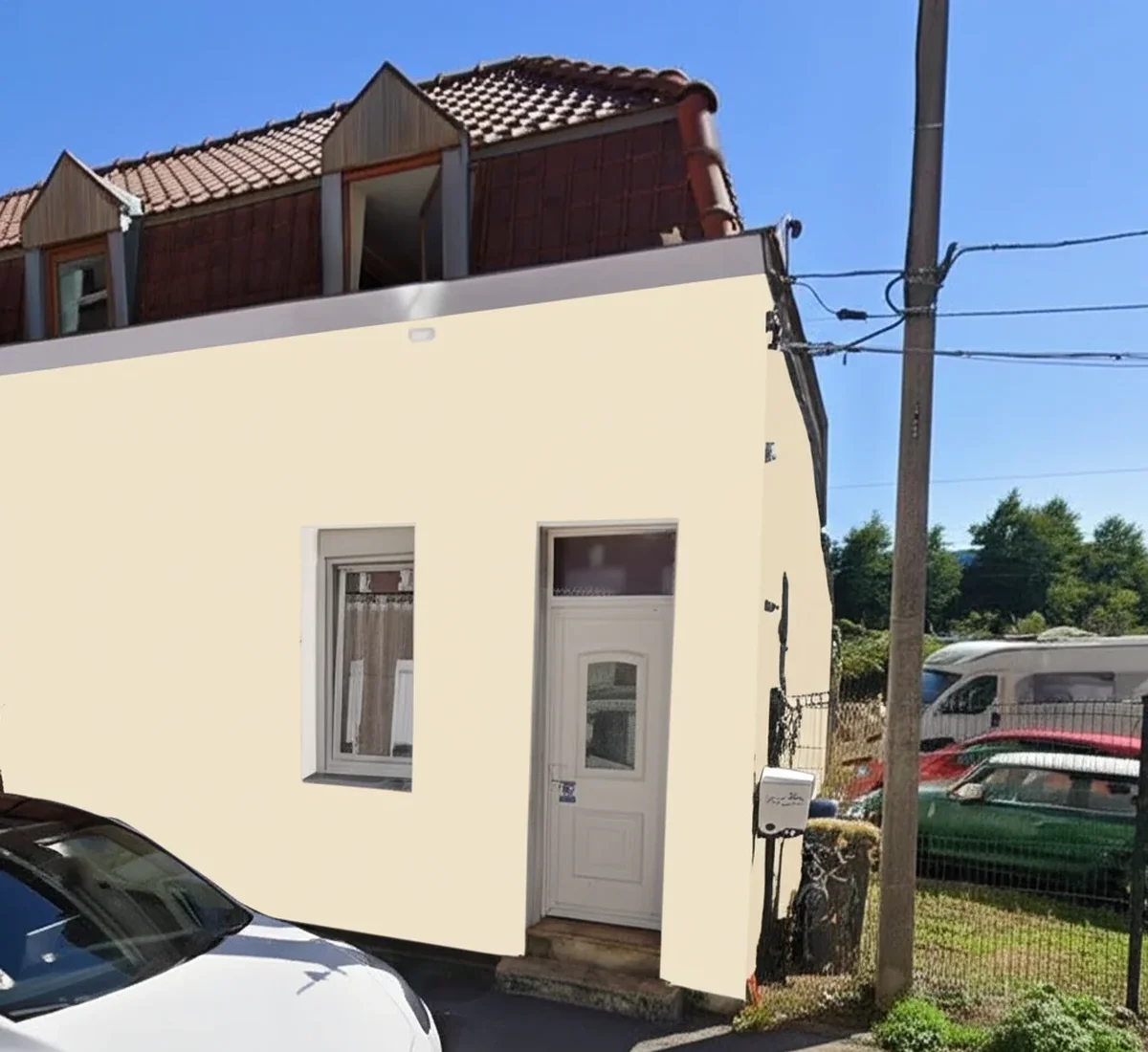
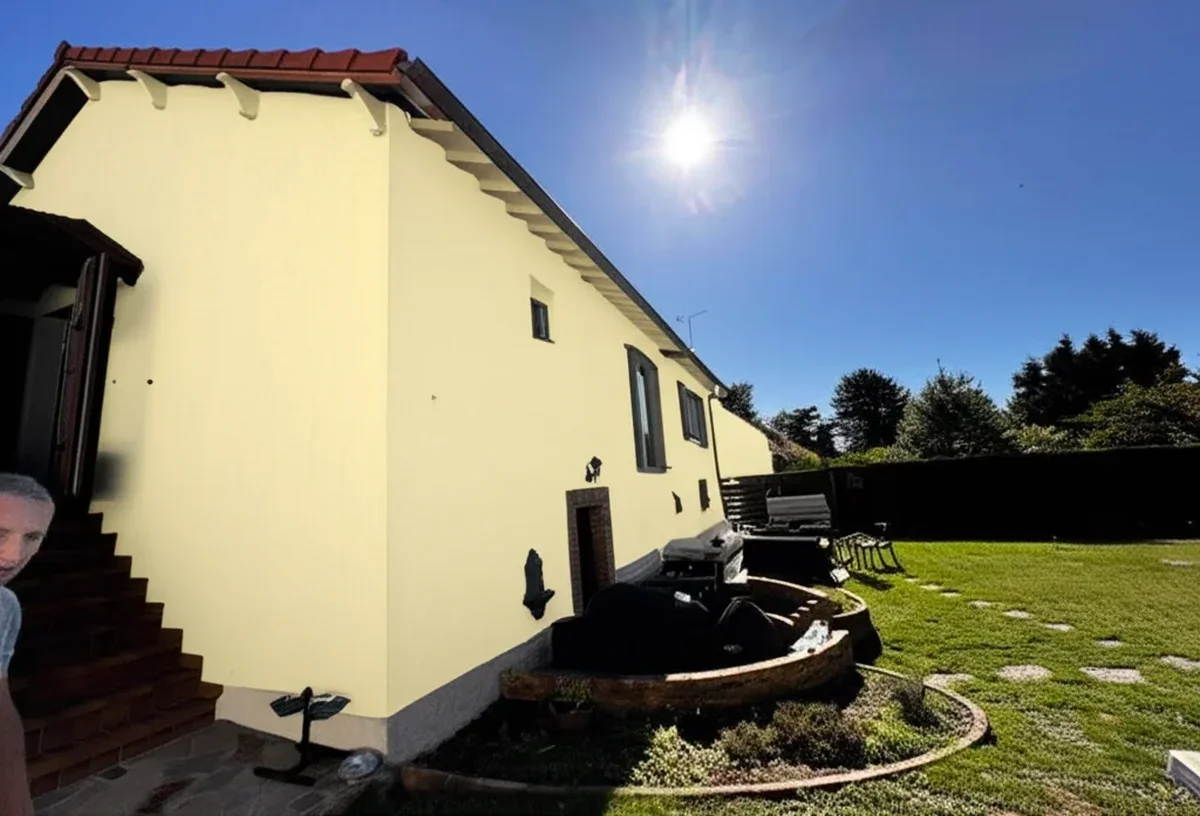
Before you commit to a colour, try our free AI house colour visualiser to see exactly how your property will look — no sample pots, no ladders, no commitment.
For full pricing, see our complete UK cost guide.
How Much Does a Painter and Decorator Cost in Plymouth?
Plymouth offers some of the most competitive decorator rates in southern England, reflecting the lower average property values (around £220,000) compared to the south-east. Day rates range from £140 to £220, with hourly rates of £18–£35 depending on experience. The average painting project in Plymouth comes in at around £680, with most homeowners paying between £370 and £1,200. Here is a full breakdown for 2026:
| Service | Plymouth Price | National Average |
|---|---|---|
| Day rate (painter & decorator) | £140 – £220 | £180 – £250 |
| Hourly rate | £18 – £35 | £25 – £40 |
| Single room (walls & ceiling) | £320 – £440 | £380 – £500 |
| Interior walls & ceilings (per m²) | £7 – £22 | £10 – £25 |
| Lime render (per m²) | £50 – £70 | £55 – £80 |
| Full exterior — 3-bed semi | £600 – £1,050 | £800 – £1,200 |
| Average project cost | £680 (£370 – £1,200) | £800 (£450 – £1,500) |
Plymouth Tip
Rates vary across the city. Decorators in Mannamead, Hartley, and Plympton charge 10–15% more than those in Devonport or Keyham. For coastal properties facing Plymouth Sound, always request a decorator with experience in marine-grade coatings.
Coastal Exposure and Limestone Facades in Plymouth
Plymouth’s position on the south Devon coast means properties face some of the harshest weather conditions in England. The city’s distinctive limestone architecture and rendered facades demand specialist knowledge:
- Limestone facades: the Barbican, Stonehouse, and parts of Stoke feature buildings constructed from local Plymouth limestone. These should generally remain unpainted — masonry paint traps moisture and accelerates decay. If already painted, breathable render or limewash is the safest option.
- Salt and wind exposure: properties facing Plymouth Sound, the Hoe, and Millbay experience severe salt-laden winds. Masonry paint such as Dulux Trade Weathershield or Sandtex must be marine-grade. Expect to repaint exposed facades every 3–5 years.
- Rendered properties: many Plymouth homes — especially in Peverell, Mutley, and Lipson — have sand and cement rendered facades. Render crack damage from coastal exposure and moisture ingress is extremely common. K Rend silicone render is increasingly popular as a long-term replacement.
- Post-war city centre: Plymouth was heavily bombed during World War II and rebuilt in the 1950s. These concrete and rendered buildings have specific maintenance needs, including addressing carbonation and spalling.
Planning Permission and Conservation Areas in Plymouth
Plymouth has several conservation areas, and understanding the rules before painting is crucial:
- Standard property: no planning permission is needed for painting or repainting your home, including changing the colour. This is classed as permitted development.
- Conservation area: the Barbican, parts of Stonehouse, and the Hoe are all within conservation areas. You do not need planning permission simply to repaint, but you do need permission for cladding, exterior rendering, or any alteration that materially changes the external appearance.
- Listed buildings: Plymouth has significant listed building stock, particularly around the Barbican and Royal William Yard. Any exterior alteration — including repainting — requires Listed Building Consent from Plymouth City Council.
- Article 4 Directions: some conservation areas in Plymouth have Article 4 Directions. Check with Plymouth City Council planning department before starting any work.
Key advice: if your property is in a conservation area or is a listed building, contact Plymouth City Council’s planning team before starting work. Fines for unauthorised alterations to listed buildings can be substantial.
Best Season to Paint in Plymouth
Plymouth’s maritime climate is mild but wet, with implications for exterior decorating:
- Best months: May to September. Temperatures sit between 11°C and 20°C — good for paint adhesion and curing. July and August are typically the driest months.
- Rainfall: Plymouth receives roughly 1,000 mm of rain per year — well above the national average — with around 145 rain days. South-west facing walls take the brunt of Atlantic weather systems.
- Frost risk: Plymouth averages only 15–25 frost days per year, one of the lowest figures in England. However, the combination of moisture and salt is far more damaging than frost alone.
- Exterior paint longevity: on exposed coastal masonry surfaces, expect exterior paint to last only 3–6 years. Sheltered inland facades in areas like Plympton last longer at 5–8 years.
- Interior work: can be carried out year-round. Plymouth’s mild winters rarely drop below 5°C, making ventilation during interior work manageable even in January.
Choosing a Decorator in Plymouth
Plymouth has a good supply of painters and decorators, but finding the right one takes a bit of research:
- Check Checkatrade or MyBuilder: look for decorators with 25+ reviews and a rating of 4.5 or above. Local recommendations from neighbours are equally valuable.
- Coastal experience is essential: a decorator experienced with coastal exposure and limestone facades will understand the specific challenges Plymouth properties face. Ask for examples of waterfront or Hoe-area work.
- Request itemised quotes: preparation, number of coats, paint brand (Dulux Trade, Farrow & Ball, or Crown), and any scaffold costs should all be listed separately.
- Insurance: confirm public liability insurance of at least £2 million. This is non-negotiable.
- Paint quality matters: insist on trade-grade paint. Dulux Trade Weathershield and Sandtex are essential for Plymouth’s harsh coastal conditions. Farrow & Ball is ideal for period properties in the Barbican. For exterior rendering, K Rend silicone render systems offer the best weather resistance.
- PDA membership: Painting & Decorating Association members adhere to professional standards and carry appropriate insurance.
Rendering Options and Damp Solutions for Plymouth Properties
Many Plymouth homeowners face a common question: should you paint the existing render or re-render entirely? Understanding the different render types and their cost per m² helps you make the right decision:
- Cement render (sand and cement): the traditional choice at £30–£55/m². Applied as a scratch coat followed by a top coat, then painted with masonry paint such as Dulux Trade Weathershield or Sandtex. In Plymouth’s wet, salt-heavy climate, render crack damage is a persistent problem.
- Silicone render: a premium option at £75–£120/m². K Rend silicone systems are the top recommendation for Plymouth — their self-cleaning, breathable render properties and excellent weather resistance handle coastal exposure superbly. Weber also offers high-quality silicone renders. These are self-coloured render products that never need repainting.
- Monocouche render: a single-coat, through-coloured system at £50–£85/m². K Rend and Weber monocouche products are applied in one pass. A bellcast bead at the base and stop bead at edges ensure clean termination. Render mesh is embedded for crack prevention.
- Polymer render: a flexible, crack-resistant option at £65–£105/m². Excellent for Plymouth’s older properties with movement or settlement.
- Lime render with lime mortar: essential for limestone properties in the Barbican and Stonehouse. Fully breathable render at £50–£70/m², allowing moisture to escape from older stone walls.
- Pebble dash and roughcast: common on 1930s–1960s Plymouth semis. Can be overpainted with masonry paint or covered with modern silicone render.
Damp is one of Plymouth’s most significant property issues due to the combination of high rainfall and coastal exposure. Rising damp and penetrating damp both affect ground-floor walls and must be treated before rendering — a professional property survey or condition report can identify the source. Always use breathable render and masonry paint on older limestone and stone properties.
For scaffold access on two-storey properties, budget £500–£1,300. An access tower is a cheaper alternative for single-storey work at £80–£200 per week.
Energy Efficiency Grants and Standards
Adding EWI (External Wall Insulation) as part of a rendering project can significantly improve your home’s EPC rating. The Green Homes Grant successor schemes and the ECO scheme (ECO4) may cover part of the cost for qualifying households in Plymouth. Plymouth City Council has been particularly active in promoting energy efficiency upgrades for its older housing stock. All insulation work should comply with BS 4800 colour standards where specified.
Understanding Your Exterior Surface Before Painting
Before booking a painter and decorator, it is essential to understand your property's exterior surface. Many UK homes feature pebble dash or roughcast finishes, which require specialist preparation. If your walls have polymer render, self-coloured render, or traditional cement render with a bellcast bead and stop bead at the edges, the paint system must be compatible with these substrates. A condition report from a surveyor can identify any render crack, rising damp, or areas where render mesh has failed beneath the scratch coat and top coat.
For properties with breathable render or lime mortar joints, choose masonry paint that allows moisture vapour to escape, Dulux Trade Weathershield, Sandtex 365, Crown Smooth Masonry, and Farrow & Ball Exterior Masonry are all excellent options conforming to BS 4800 colour standards. If exterior rendering repairs are needed first, expect to pay an additional cost per m² of £40–£80 depending on whether you choose silicone render, monocouche render, or sand and cement render. Accessing upper floors typically requires scaffold or an access tower, adding £500–£1,500 to the total project cost. Properties with an EPC rating of D or below may also qualify for the ECO scheme or Green Homes Grant towards EWI (External Wall Insulation), combining insulation with repainting can deliver significant savings. Always request a property survey and check frost resistance ratings if work extends into autumn, as K Rend and Weber products have specific temperature requirements.
Visualise Your Plymouth Property Before Painting
Whether you are refreshing a limestone townhouse in the Barbican, updating a rendered semi in Peverell, or modernising a detached home in Plympton, choosing the right colour makes all the difference. FacadeColorizer lets you upload a photo of your property and test any colour in seconds — try Dulux’s Polished Pebble, Farrow & Ball’s Cornforth White, or Crown’s Sail White and see the result instantly. It is completely free, with no sign-up required.
Frequently asked questions
How much does a painter and decorator cost in Plymouth?
Can I paint a limestone building in Plymouth?
When is the best time to paint the outside of a house in Plymouth?
What is the best render for Plymouth's coastal climate?
Trademarks mentioned (Sherwin-Williams, Benjamin Moore, Behr, Caparol, Brillux, Sto, Alpina, Valspar, PPG, Glidden, Dulux, Crown Trade, Sandtex, Farrow & Ball, Johnstone's, Leyland) are property of their respective owners. FacadeColorizer is independent and not affiliated with any of them. Nominative fair use under Lanham Act §1125.