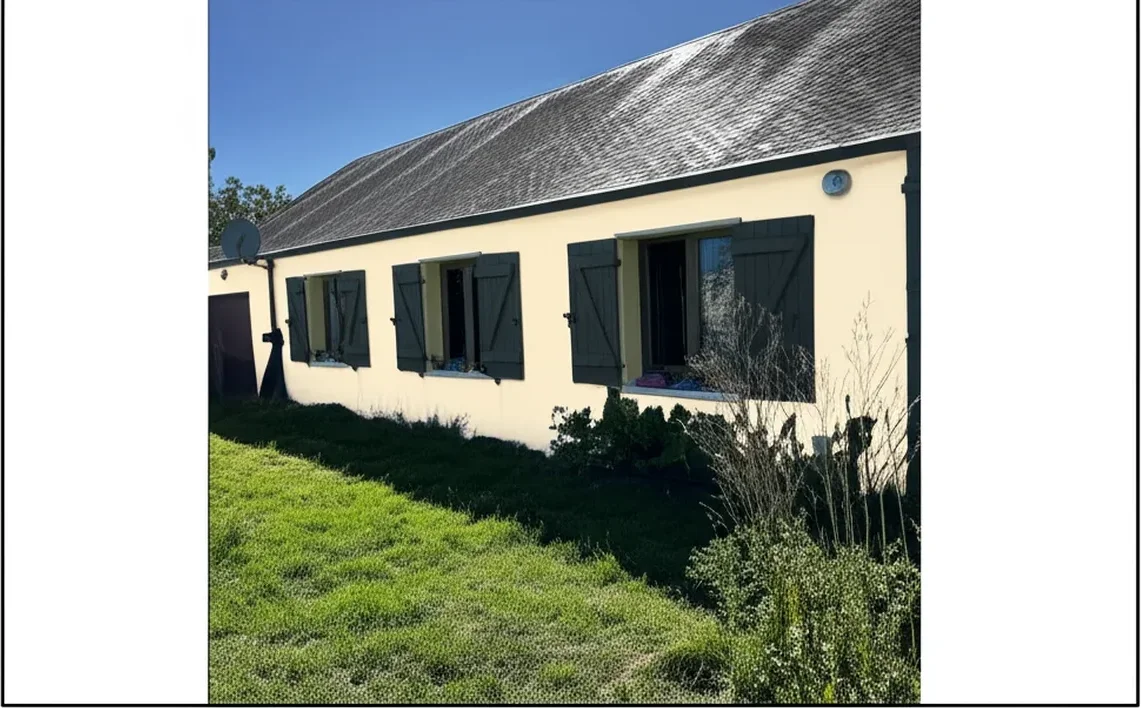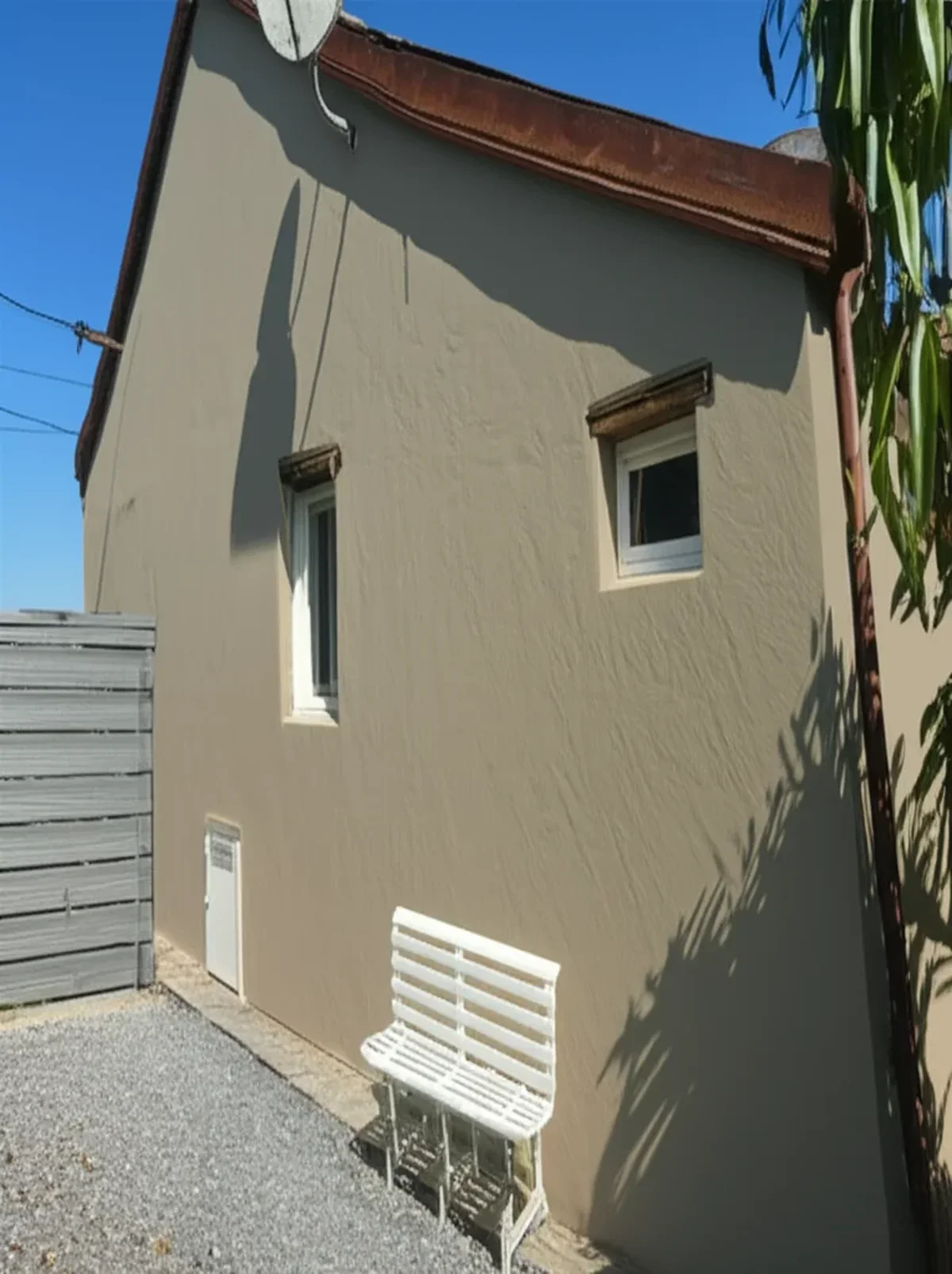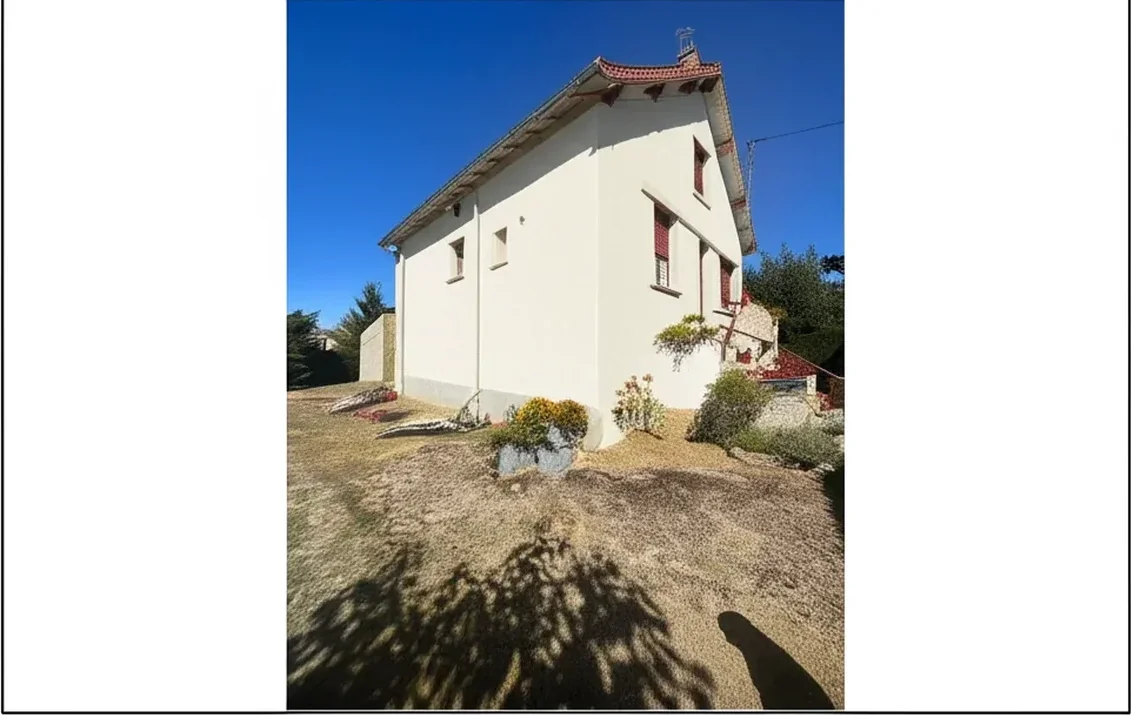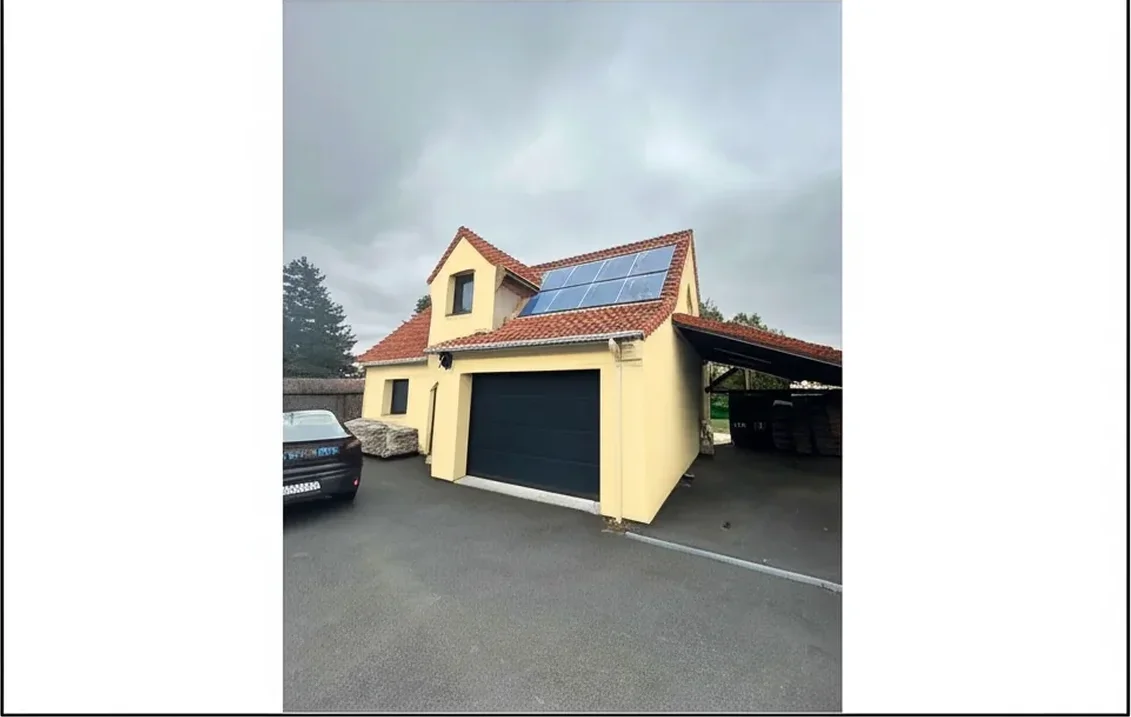
Try it on your house

Booking a painter and decorator in the UK in 2026 means navigating day rates that range from £180 to £350 nationally and £450 to £650 in London, per-room labour of £200 to £1,200 depending on size and prep, and exterior masonry at £8 to £25 per m² before scaffolding. The gap between the cheapest sole-trader quote and the most expensive heritage specialist on a Victorian terrace can easily be 3x, so the question is not just "how much" but "for what scope, on which substrate, in which postcode".
This pillar gathers 2026 figures from Checkatrade, MyBuilder, MyJobQuote, RatedPeople and regional sources into one British-English reference. It covers the painter versus decorator distinction, national and London day rates, costs per room and per m², prep and access multipliers, conservation area and listed building premiums in Camden, Bath and Edinburgh Old Town, plus heritage paint brands such as Farrow & Ball, Little Greene and Mylands. Before you commission any quotes, try our free AI colour visualiser to lock in the colour your decorator will be working to, so the figures below are the only surprise you have to budget for.
Painter vs Decorator: Why the UK Still Distinguishes
In most British directories, the trade is listed as "painter and decorator" because the vast majority of sole traders sell both services. The distinction still matters for pricing. A painter applies paint and protective coatings: walls, ceilings, woodwork, masonry. A decorator covers the wider scheme, including wallpaper hanging, lining paper, specialist finishes such as marbling, graining and glazing, and colour advice for the room as a whole. Office for National Statistics survey data puts average painter salaries near £25,000 and decorators near £30,000, which translates to a noticeable gap on day rates once you move beyond plain emulsion work.
Practically: if your job is a flat-pack repaint of three bedrooms, a "painter" rate quote of £180 to £220 per day is reasonable. If you want a hand-hung paper feature wall, restored sash architraves and a coordinated colour scheme across a Victorian reception room, you are buying a "decorator" and should expect £280 to £450 per day. Heritage specialists who do lime-based finishes, gilding or hand-painted murals sit at £500 to £700 per day.
National Day Rates and London Premium (2026)
Checkatrade's 2026 painter and decorator cost guide puts the UK national average at £325 per day for an established sole trader. That sits inside a wide band because of experience, region and complexity. London adds 25 to 40 per cent across the board, driven by ULEZ charges, parking restrictions, congestion fees, higher professional indemnity premiums and the simple fact that property values support more demanding finishes.
| Tier / experience | UK National (£/day) | London (£/day) | London premium |
|---|---|---|---|
| Sole trader, 1 to 3 years | £180 to £260 | £260 to £380 | +30 per cent |
| Established, 4 to 10 years | £260 to £380 | £450 to £550 | +30 to 40 per cent |
| Specialist (heritage, 10+ years) | £450 to £550 | £600 to £850+ | +30 per cent |
| Half-day rate (small jobs) | £140 to £220 | £200 to £320 | +40 per cent |
| Hourly (touch-ups, snagging) | £25 to £45 | £45 to £65 | +40 to 50 per cent |
Try it on your house
No photo? Try a sample
Always insist on a written quote, never a verbal day rate alone. The day rate is a labour figure: paint, primer, undercoat, filler, dust sheets, scaffold tower hire, skip and waste disposal are billed separately and can add 20 to 35 per cent to the headline number.
2026 City-by-City Day Rates and Exterior Pricing
Regional variation is significant. Northern English and Welsh cities sit well below the national mean; Edinburgh and Glasgow trade at parity with Manchester despite the colder climate; London is in a class of its own. The figures below are 2026 medians compiled from Checkatrade, MyBuilder, RatedPeople, Hamuch and Bristol Painters Guild.
| City | Day rate (£) | Hourly (£) | Exterior masonry £/m² | vs UK average |
|---|---|---|---|---|
| London | £450 to £650 | £45 to £65 | £18 to £28 | +30 to 40% |
| Edinburgh | £350 to £500 | £25 to £50 | £10 to £18 | +5 to 10% |
| Glasgow | £350 to £480 | £24 to £45 | £10 to £17 | +5% |
| Bristol | £280 to £400 | £23 to £35 | £10 to £18 | at par |
| Manchester | £340 to £480 | £22 to £40 | £12 to £22 | at par to +10% |
| Leeds | £340 to £480 | £20 to £40 | £9 to £15 | at par |
| Liverpool | £320 to £420 | £20 to £38 | £8 to £14 | -5% |
| Birmingham | £300 to £430 | £20 to £38 | £12 to £22 | at par |
| Sheffield | £260 to £380 | £18 to £35 | £7 to £12 | -10% |
| Newcastle | £250 to £360 | £19 to £38 | £7 to £12 | -10 to 15% |
| Cardiff | £280 to £400 | £20 to £35 | £9 to £15 | -5% |
| Nottingham | £270 to £380 | £18 to £35 | £8 to £13 | -10% |
| Brighton | £320 to £460 | £24 to £42 | £12 to £20 | +5 to 10% |
| Plymouth | £260 to £360 | £18 to £34 | £9 to £15 (coastal +) | -10% |
| York | £290 to £420 | £20 to £38 | £10 to £18 (heritage +) | at par |
A useful rule of thumb: any heritage or coastal location adds 10 to 20 per cent to the "standard" regional rate because access, substrate and weather windows all complicate the job. Plymouth, Brighton, York and Edinburgh Old Town all illustrate the pattern.
[BEFORE_AFTER_IMAGE_SLOT_1]Victorian terrace in London, exterior masonry repainted from cream to a soft heritage white. AI colour preview generated in 30 seconds before booking the decorator.
Cost Per Room: Small, Medium and Large
Most British decorators quote per room for interior work rather than by the day, because clients find it easier to compare three quotes that way. Prices below cover surface preparation, two coats of trade emulsion on walls and ceiling, plus undercoat and topcoat to woodwork. Materials are typically 20 per cent of the total; labour is the remaining 80 per cent. The bands below are set by room size in square metres. If the quote in front of you is itemised by room type instead, our breakdown of how much an interior decorator costs prices a bedroom, kitchen, bathroom and hallway separately, and adds a walls-only rate per m² for jobs where nothing but the emulsion changes.
| Room size | Typical area | Duration | UK cost (£) | London (£) |
|---|---|---|---|---|
| Small (box room, en-suite) | ~15 m² | 1 day | £200 to £350 | £280 to £450 |
| Medium (double bedroom, kitchen) | ~30 m² | 1.5 to 2 days | £400 to £600 | £550 to £800 |
| Large (lounge, master bedroom) | ~60 m² | 2 to 3 days | £800 to £1,200 | £1,000 to £1,600 |
| Hallway, stairs & landing | varies | 3 to 4 days | £600 to £1,100 | £850 to £1,500 |
| Whole 3-bed semi (interior refresh) | ~180 m² wall area | 8 to 12 days | £2,200 to £3,800 | £3,200 to £5,500 |
Exterior Masonry Painting: Cost Per m²
For the front and rear elevations of a typical British house, decorators price exterior masonry per square metre of painted wall, before scaffolding, prep and waste. For full exterior render costs see our companion pillar exterior rendering UK cost guide.
| Specification | UK £/m² | London £/m² | Lifespan |
|---|---|---|---|
| Trade masonry, 2 coats, sound walls | £8 to £15 | £14 to £22 | 7 to 10 yrs |
| Premium (Sandtex, Dulux Weathershield) | £12 to £18 | £18 to £28 | 12 to 15 yrs |
| Designer / heritage (Bauwerk, Earthborn, F&B) | £18 to £25 | £30 to £50 | 10 to 15 yrs |
| Silicate / mineral (Keim, Beeck) | £25 to £45 | £40 to £60 | 20 to 30 yrs |
| Limewash, traditional | £20 to £35 | £35 to £55 | 5 to 8 yrs (refresh) |
Whole-house indicative totals: terraced (~50 to 70 m²) £1,200 to £2,200; semi-detached (~70 to 100 m²) £1,800 to £3,600; detached (~120 to 180 m²) £3,000 to £7,000. Add scaffolding at £500 to £1,200 per week for anything above ground-floor reach.
What Actually Drives the Quote: Prep, Substrate, Access
The most common reason two quotes differ by 40 per cent on the same property is preparation. A confident decorator will list each prep line on the quote; an unclear one will hide it in "all labour included" and either cut corners or come back for more money mid-job.
Surface preparation and substrate condition
- Sound walls, sugar-soap wash plus a light sand: prep typically 15 to 20 per cent of the total.
- Flaking or chalky masonry, requiring wire-brushing, fungicidal wash and stabilising primer: prep rises to 30 to 40 per cent.
- Repointing or render repairs: add £25 to £45 per linear metre of mortar joint, or £45 to £80 per m² for patch render before topcoat.
- Pebbledash behaves unpredictably: expect a 15 per cent premium on standard masonry rates because of paint absorption and the patience needed to cut in around the texture.
- Lead paint on pre-1960s woodwork: HSE-compliant removal adds £300 to £1,200 to a job, depending on extent and test results.
Access: scaffolding, towers and ladders
Anything above the first floor needs proper access. A two-storey semi can usually be done from an aluminium tower (£80 to £150 per week hire) or a HSS hop-up plus extension ladders. A three-storey Victorian terrace, an Edwardian semi with a steep gable or any London townhouse with a basement light-well requires full scaffolding. Plan on:
- £500 to £900 per week for a single-elevation scaffold, three storeys
- £900 to £1,500 per week for a wrap-around scaffold on a semi
- £1,400 to £2,500 per week in inner London because of pavement licence fees
- Pavement licence: £30 to £120 per week depending on borough; Westminster and Kensington at the top
Bay windows, sash restoration and Edwardian woodwork
A standard sash window restoration and repaint runs £180 to £320 each on a Victorian terrace, £300 to £450 each in London, because of the time required to ease cords, mask glazing, sand multi-layer paint and reinstate the parting bead. A full bay window with three sashes and timber mullions can sit at £650 to £1,100 alone. Edwardian timber porches, painted gables and dormer cheeks each add a half-day to a full day for a competent decorator.
Listed Buildings and Conservation Areas: The Hidden Premium
England has roughly 500,000 listed buildings and more than 10,000 conservation areas. The Planning (Listed Buildings and Conservation Areas) Act 1990 makes unauthorised exterior works to a listed building a criminal offence. In 2025, Bath & North East Somerset Council secured £190,000 in fines against a Grade I tenant and their contractor for unauthorised works. The premium on decorating a listed or conservation-area property is therefore not just material, it is paperwork, time and risk.
Listed Building Consent (LBC)
LBC is required whenever repainting would "affect the character or special interest" of a listed building: a new colour, painting a previously unpainted surface, or switching to a non-breathable coating. The application itself is free across England, Wales and Scotland, but a Heritage Statement is normally needed. Owners typically pay a heritage consultant £800 to £2,500 to prepare it; planning consultants charge around £215 per hour. Decisions take 8 weeks (simple) to 13 weeks (complex).
Article 4 Directions and the London premium
Westminster, Camden, Islington, and Kensington & Chelsea operate the most extensive Article 4 networks in the UK. Camden has 40 conservation areas covering roughly half the borough; Article 4 removes permitted-development rights for exterior painting, windows, doors and roof finishes. The practical effect on cost: a £2,500 facade repaint on a Camden townhouse can attract £1,500 to £3,000 of pre-application advice fees and consultant time before a brush is lifted.
Concrete examples: Camden, Bath, Edinburgh Old Town
- Camden, London: stucco-fronted terrace, Article 4 covers painting. Total premium over a non-conservation equivalent: roughly £1,500 to £3,000 in consents and consultants, plus a typical insistence on traditional whites or muted "Camden palette" colours.
- Bath: Bath Preservation Trust guidance restricts doors to off-whites or the Georgian palette of dark greens, greys, blues and browns. Lime render or limewash is the default specification. Lime render at £60 to £100 per m² versus synthetic at £40 to £80, so a 120 m² Bath townhouse pays a £3,600 to £8,400 heritage premium before consent paperwork.
- Edinburgh Old Town and New Town: the World Heritage Site requires "dark or muted" door tones, no permitted-colour list, and a hostile attitude to bright facades. The 2023 "pink door" case in the New Town resulted in enforced repainting, then a second complaint over the replacement colour. Add a 20 to 35 per cent premium on Edinburgh's already higher rates for any Old Town address.
For the rules in plain English see our companion guide conservation area painting rules UK.
[BEFORE_AFTER_IMAGE_SLOT_2]Edwardian semi in a Bristol conservation area, masonry colour preview before commissioning the decorator. AI render used in the planning consultation to demonstrate the proposed scheme.
Heritage Paint Brands and Their Cost Impact
Conservation officers regularly name three British brands when reviewing applications: Farrow & Ball, Little Greene and Mylands of London. All three carry trade discounts of 10 to 25 per cent for verified decorators, so a quote that itemises heritage paint at retail prices is leaving margin on the table. Comparative 2026 retail prices:
| Brand and product | Retail (2.5 L) | Per litre | vs Dulux Trade |
|---|---|---|---|
| Farrow & Ball Estate Emulsion | £56 | £22 | 2.8x |
| Little Greene Intelligent Matt | £52 | £21 | 2.6x |
| Mylands Marble Matt Emulsion | £58 | £23 | 2.9x |
| Dulux Heritage | £38 | £15 | 1.9x |
| Keim silicate (Optil) | £95+ | £38+ | 4.8x |
| Dulux Trade Vinyl Matt (reference) | £50 | £20 (5 L tin) | 1.0x |
The cost impact on a typical 30 m² reception room: switching from Dulux Trade to Farrow & Ball Estate Emulsion adds roughly £120 to £180 of paint, on top of £80 to £140 for primer, undercoat and gloss for woodwork. Decorators often charge a 5 to 10 per cent labour premium for heritage paints because the slower-drying chalky finishes show roller marks readily and need careful application. See our Dulux Heritage vs Farrow & Ball comparison for a like-for-like specification breakdown.
How to Brief, Shortlist and Book a UK Decorator
The cheapest mistake to make on any decorating job is not the cheapest quote, it is choosing the wrong colour first time. Here is the shortlist process that protects both your budget and your weekend.
- Lock the colour first. Test shades on a photo of your actual property with our free AI colour visualiser. Free tier covers 1 HD preview plus 3 free variations, which is enough to settle a colour scheme. For complementary scheme ideas, browse our curated colour pairings.
- Write a specification. Note the surface area, the prep required ("there is flaking on the south gable"), the brand and finish ("Farrow & Ball Estate Emulsion in Cornforth White, 2 coats"), and the access (scaffold, tower, or ladder-friendly).
- Get three written quotes. Checkatrade, Trustmark, MyBuilder, RatedPeople and the Painting and Decorating Association (PDA) all vet members. For listed buildings, ask specifically for PDA Heritage Accreditation or evidence of past heritage projects.
- Check insurance and VAT. Public liability of at least £2 million is standard; £5 million is normal in London. Most sole-trader decorators trade below the VAT threshold of £85,000; quotes from limited companies will normally include VAT at 20 per cent.
- Stage payments. Never pay 100 per cent upfront. Typical pattern: 25 per cent on materials, 50 per cent at midpoint, 25 per cent on signed-off snagging. Withhold the final payment until the job is properly inspected in daylight.
- Plan for weather. Exterior decorating outside the April-to-October window is risky in the UK. Frost below 5 °C will kill most masonry paints; sustained rain will wash off uncured coats; high humidity above 80 per cent will leave a matte sheen on gloss woodwork. A good decorator will reschedule rather than push on through.
For exterior masonry colours specifically, our editorial pick of the best exterior paint colours UK 2026 pairs every shade with the substrate and orientation it actually works on.
[BEFORE_AFTER_IMAGE_SLOT_3]Conservation area facade in Edinburgh New Town, sandstone elevation with sash window restoration. AI preview supplied alongside the Listed Building Consent application.
When to Book, and When to Walk Away
The British decorating calendar peaks twice. Interior work surges from October to March as households tidy ahead of Christmas and the new year; exterior work concentrates between Easter and the end of September, when daytime temperatures reliably exceed 8 °C and masonry paints can cure. Book interior 6 to 8 weeks ahead in autumn; exterior 10 to 12 weeks ahead in spring. Any decorator offering to start tomorrow in peak season is either very new, between bigger jobs, or has just been sacked by a previous client. Ask why.
Reasons to walk away: no fixed address or limited company details, a refusal to put the quote in writing, demands for cash-only payment, no proof of insurance, no references you can call. The UK has a healthy supply of qualified painters and decorators; there is no need to gamble on the first quote that sounds cheap.
Local Decorator Costs by City
For day rates, exterior pricing and local conservation rules in your own postcode, see the detailed city guides below:
- London decorator costs
- Manchester decorator costs
- Birmingham decorator costs
- Edinburgh decorator costs
- Sheffield decorator costs
- Newcastle decorator costs
- Cardiff decorator costs
- Brighton decorator costs
- Plymouth decorator costs
- York decorator costs
- Southampton decorator costs
- Leicester decorator costs
- Nottingham decorator costs
- Oxford decorator costs
- Cambridge decorator costs
Painter and Decorator FAQ (UK 2026)
How much does a painter and decorator charge per day in the UK in 2026?
Day rates in 2026 sit at £180 to £350 nationally and £450 to £650 in London, with heritage specialists reaching £700 to £850. National hourly rates run £25 to £45; London hourly rates run £45 to £65. Always confirm whether paint, primer and access are included or charged separately.
Do I need scaffolding to paint the exterior of my house?
For ground-floor and most first-floor work an aluminium tower or extension ladder is sufficient. Once gables, dormers or third storeys are involved, full scaffolding is required for Health and Safety Executive (HSE) compliance. Expect £500 to £900 per week for a single-elevation scaffold and £900 to £1,500 per week wrap-around on a semi. Inner-London prices are roughly 50 per cent higher because of pavement licence fees.
What happens if it rains during my exterior decorating job?
Light drizzle on cured masonry paint is acceptable; rain within 4 hours of application will wash uncured coats off. A responsible decorator will pause and reschedule rather than push on. UK contracts normally include a "weather delay" clause: you keep the scaffold up and pay the weekly hire, the decorator returns at the next workable window. Plan exterior work between April and September to minimise the risk.
Do I need permission to paint a listed building?
Yes. Listed Building Consent (LBC) is required if you change the colour, paint a previously unpainted surface, or use a non-breathable coating. The application itself is free, but a Heritage Statement costs £800 to £2,500 and decisions take 8 to 13 weeks. Carrying out unauthorised work is a criminal offence with no time-limit on enforcement. See our companion guide conservation area painting rules UK.
What is the difference between Trustmark and Checkatrade?
Trustmark is the only government-endorsed quality scheme for tradespeople, operated for the Department for Energy Security and Net Zero. Members are independently audited on workmanship, trading and customer service. Checkatrade is a private commercial directory; members are vetted on identity and insurance but reviews come from customers, not auditors. For straightforward jobs, Checkatrade reviews are useful social proof. For listed buildings, government-backed schemes (PDA Heritage, Trustmark) carry more weight.
Should I hire a self-employed decorator or a limited company?
For single-room jobs and small exterior work, a competent self-employed sole trader is normally the better value: lower overheads, no VAT below £85,000 turnover, and a direct relationship with the person on the brush. For whole-house projects, listed buildings, multi-trade jobs (where scaffolding, plastering and decorating overlap) or anything insurance-driven, a limited company with employees, payroll and full insurance is the safer choice. Expect to pay roughly 15 to 25 per cent more.
How much does it cost to paint a Victorian terrace exterior?
A typical mid-terrace Victorian house has 50 to 80 m² of painted masonry, plus 6 to 10 sash windows, bargeboards, a porch and railings. Total exterior cost in 2026 sits at £2,200 to £4,500 outside London and £3,500 to £7,000 in London, including scaffolding, premium masonry paint, sash restoration and woodwork. Add 20 to 35 per cent if the property is in a conservation area.
Is Farrow & Ball really worth the premium?
For period reception rooms, conservation area facades and anywhere you spend significant time, the depth of colour and chalky finish is genuinely distinctive and difficult to replicate. For utility rooms, rentals or anything bathroom-related, Dulux Heritage or Crown Trade colour-matched will look almost identical at half the cost. The full Dulux Heritage vs Farrow & Ball comparison breaks it down room-by-room.
Can I save money by doing some of the prep myself?
Yes, but only on jobs where the prep is well-defined: stripping wallpaper, removing old curtain rails, moving furniture, lifting carpets. A decorator might knock £150 to £400 off the quote for a tidy house ready to paint. Do not attempt masonry prep (wire brushing, fungicidal wash, stabilising primer): an inexperienced DIY prep that fails means the decorator's two coats fail too, and the warranty evaporates.
What is included in a standard UK decorator quote?
A complete written quote should list: surface preparation steps, primer and undercoat specification, brand and finish of top-coat, number of coats, dust sheeting and protection of fittings, access equipment, waste disposal, VAT (if applicable), payment terms, and guarantee duration. Anything missing is a negotiation point. Verbal "all in" day-rate agreements are the leading cause of disputes.
How long should a UK exterior paint job last?
With proper preparation and a premium masonry paint (Sandtex 365, Dulux Trade Weathershield), expect 10 to 15 years on a south-facing or sheltered elevation, 7 to 10 years on north-facing walls exposed to driven rain. Coastal properties (Brighton, Plymouth, Liverpool, Edinburgh) face salt spray and should plan for refresh every 6 to 8 years. Heritage limewash needs refresh every 5 to 8 years and is meant to weather visibly. Silicate paints (Keim, Beeck) can outlast 25 years on the right substrate.
When is the best time of year to book a decorator?
Interior: book in September or January for the lowest prices and widest choice. Exterior: book between April and June, with the work scheduled for late spring or early summer when temperatures sit reliably above 10 °C and rainfall is manageable. Avoid late autumn for exterior masonry; the combination of low temperatures, dew points close to ambient and shortening daylight hours produces unreliable cure.
Further reading on facadecolorizer.com: our visualiser pricing, curated colour pairings, best exterior paint colours UK 2026, and exterior rendering UK cost guide.
Trademarks mentioned (Sherwin-Williams, Benjamin Moore, Behr, Caparol, Brillux, Sto, Alpina, Valspar, PPG, Glidden, Dulux, Crown Trade, Sandtex, Farrow & Ball, Johnstone's, Leyland) are property of their respective owners. FacadeColorizer is independent and not affiliated with any of them. Nominative fair use under Lanham Act §1125.