Paul runs a three-man decorating firm in Moseley, Birmingham. Last autumn, he quoted on a Victorian terrace in a conservation area — the kind of job that scares most decorators away. The homeowner wanted to repaint the exterior in Farrow & Ball Railings (a near-black blue-grey), but the conservation officer had already rejected two colour proposals from previous decorators. Paul got the job — and the council's approval — in 10 days. Here's how.
The problem: conservation areas and colour approvals
In England, there are over 10,000 conservation areas where exterior changes — including paint colour — may require planning consent or at minimum a pre-application consultation with the local conservation officer. The rules vary by council, but the common thread is that officers want to see evidence that the proposed colour "preserves or enhances the character of the area" (Planning (Listed Buildings and Conservation Areas) Act 1990, Section 72).
The problem? Most decorators submit a colour swatch and a paragraph of justification. That's not enough for a conservation officer who needs to see how the colour will look in context — next to neighbouring properties, with the existing windows and brickwork, under typical lighting conditions.
What Paul did differently
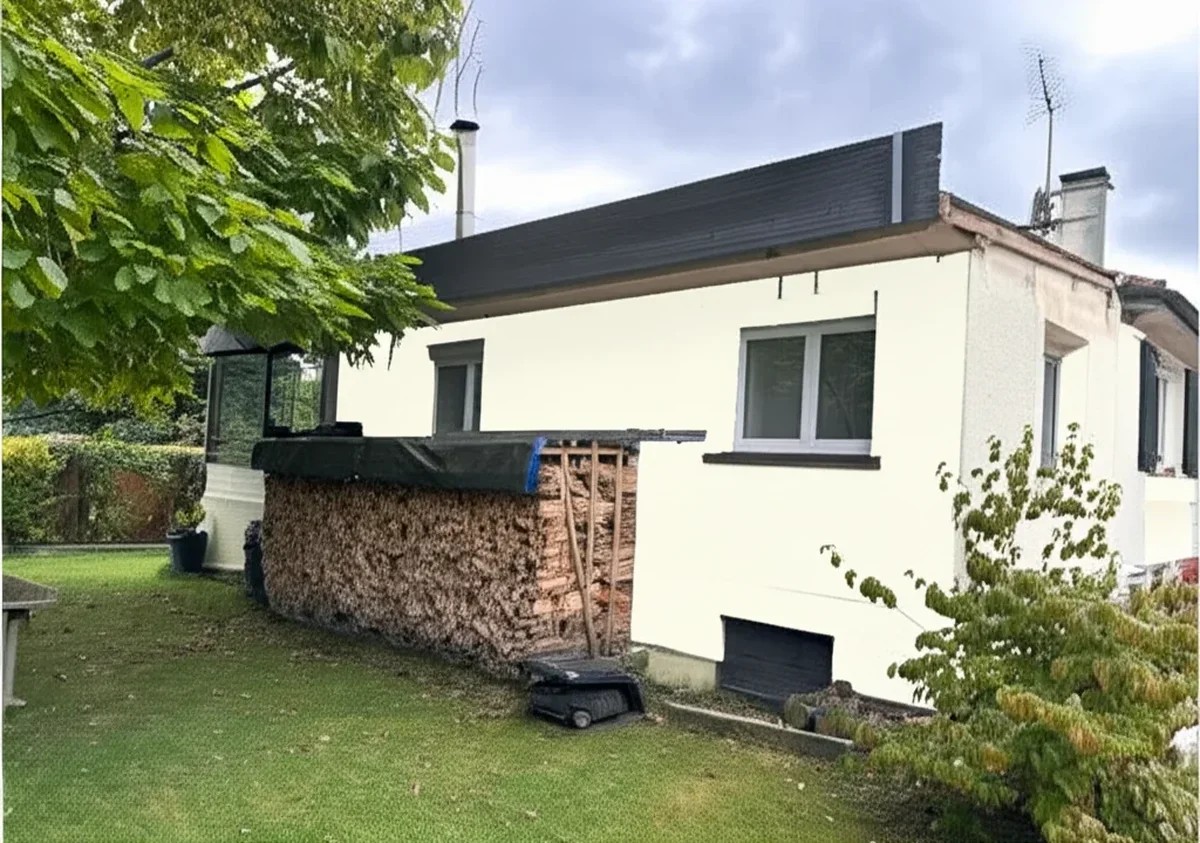
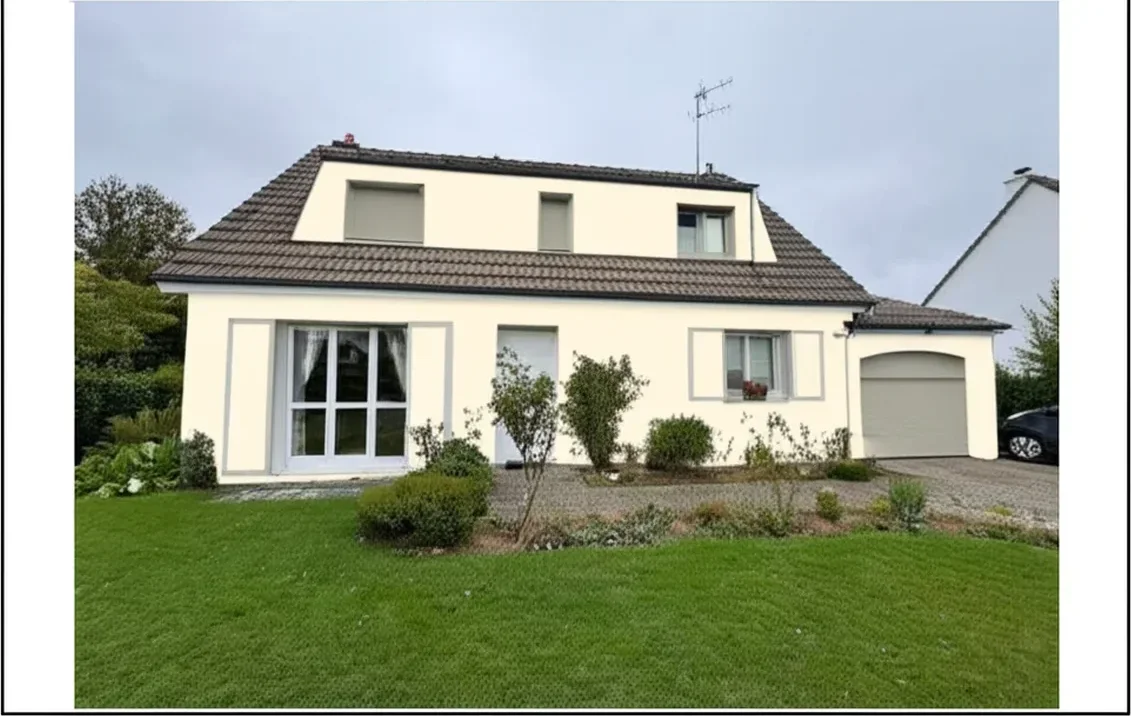
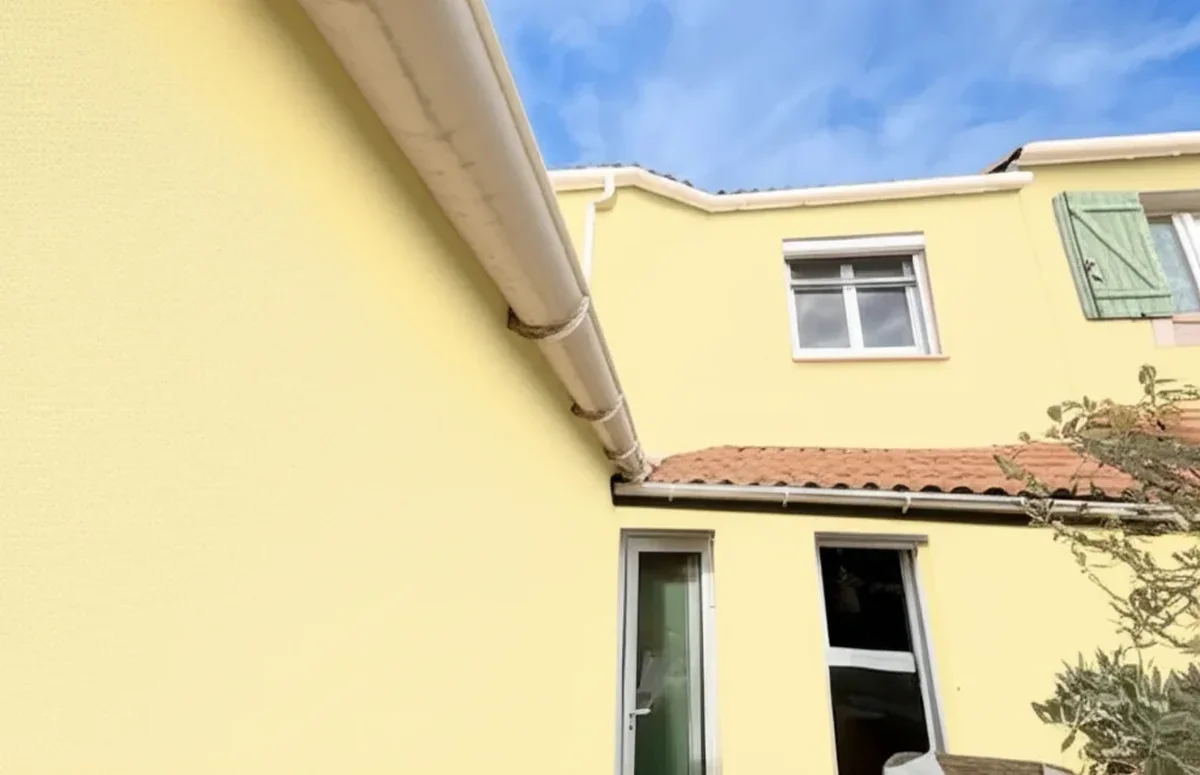
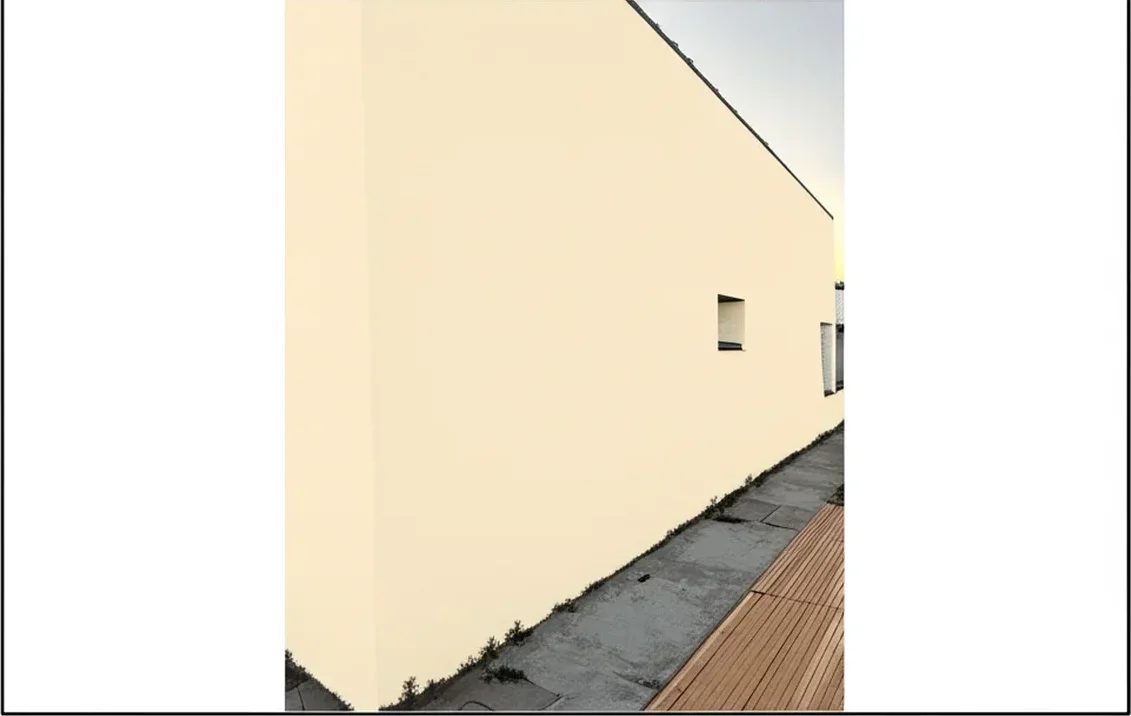
Instead of a swatch, Paul photographed the terrace and ran the image through an AI colour visualiser. He generated three simulations:
- Farrow & Ball Railings (the client's first choice) — dark blue-grey on the render, white on the window surrounds.
- Farrow & Ball Downpipe (a slightly lighter alternative) — mid-grey, less dramatic but equally elegant.
- Little Greene Dark Lead (a heritage-appropriate option) — warm charcoal grey that's been used on listed buildings across the Midlands.
He printed the simulations at A3 and submitted them with the pre-application enquiry. The conservation officer responded within a week: Railings was rejected (too dark for the terrace context), but Downpipe was approved with a condition that the front door remain in a contrasting heritage colour. Paul went back to the homeowner with the simulation of Downpipe and the approval letter. The client signed the £12,400 quote the same day.
"The conservation officer told me it was the first time a decorator had submitted visual evidence rather than just a swatch. He said it made his decision much easier. I've used the same approach on four conservation jobs since — approved every time."
— Paul, Master Decorator, Moseley, Birmingham
The numbers
| Metric | Before (2024) | After (2025) |
|---|---|---|
| Conservation area jobs quoted | 2/year | 6/year |
| Won | 0 | 4 |
| Average job value | N/A | £11,800 |
| Council approval rate | 0% | 100% |
| Time from quote to signature | N/A | 8 days avg |
What you can take from this
Conservation area work is high-value (£8,000-£20,000 per job) and low-competition (most decorators avoid it). The barrier to entry isn't skill — it's the approval process. And the approval process becomes straightforward when you show the officer what the result will look like rather than asking them to imagine it.
Three practical steps:
- Always offer 3 colour options — including one heritage-safe colour the officer can easily approve. This gives the homeowner choice and the officer a fallback.
- Include neighbouring properties in the photo — conservation officers care about context. A simulation that shows the colour alongside the neighbours is far more convincing than one cropped to the single property.
- Use proper heritage colour references — Farrow & Ball and Little Greene have heritage ranges specifically designed for conservation areas. Reference these by name in your submission.
Want to try this approach on your next job? Upload a photo of the property to the free AI visualiser — generate 3 colour options in under a minute and submit them with your planning enquiry.
{"@context":"https://schema.org","@type":"FAQPage","mainEntity":[ {"@type":"Question","name":"Do I need planning permission to paint my house in a conservation area?","acceptedAnswer":{"@type":"Answer","text":"In many cases, yes — or at minimum you should submit a pre-application enquiry to your local conservation officer. The requirement varies by council and depends on whether an Article 4 Direction is in place. Painting a previously unpainted surface (e.g., bare brick) almost always requires consent. Repainting in a similar colour may be permitted development."}}, {"@type":"Question","name":"What colours are approved for conservation areas?","acceptedAnswer":{"@type":"Answer","text":"Conservation officers generally approve colours that are sympathetic to the historic character of the area. Heritage ranges from Farrow & Ball (e.g., Railings, Downpipe, Pavilion Gray), Little Greene (e.g., Dark Lead, French Grey), and Dulux Heritage are commonly accepted. Bright, modern colours are typically refused."}}, {"@type":"Question","name":"How much does exterior painting cost in a conservation area?","acceptedAnswer":{"@type":"Answer","text":"Conservation area work typically costs 20-40% more than standard exterior painting due to additional prep requirements, heritage-grade paint, and planning submission time. Expect to pay £3,500-£6,500 for a terraced house, £6,000-£12,000 for a semi-detached, and £10,000-£20,000 for a detached property (Checkatrade, 2026 data)."}} ]}