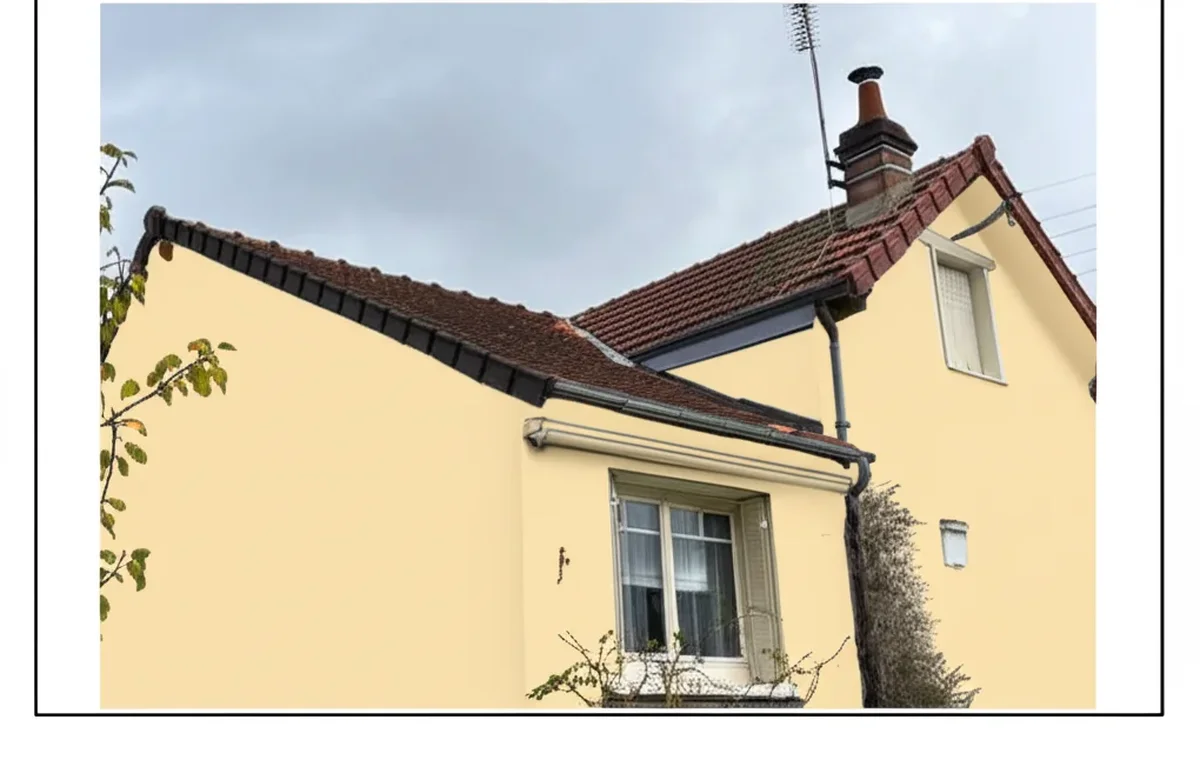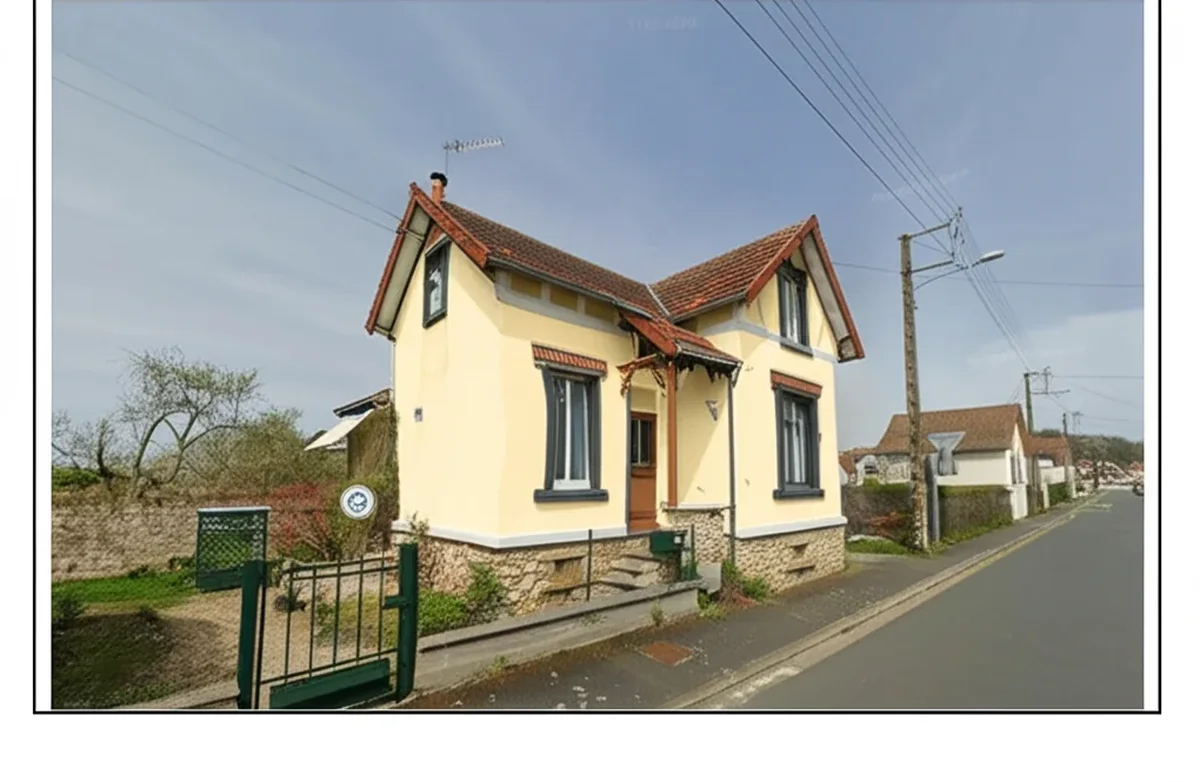
Try it on your house

A single unlicensed interior repaint can cost you the job, the client, and up to $5,000 in civil fines - or a misdemeanor charge in California and Florida. Yet US painter licensing is a patchwork: California requires a C-33 license plus a contractor bond, New York State has no painter license but New York City demands a $1,000 bond, Texas has no state license yet Houston, Dallas and Austin each run their own registration systems. Get it wrong and the CSLB, L&I or your local building department will shut the job down.
This 2026 guide maps the actual licensing and bonding rules state by state for interior painters, explains when a general contractor license kicks in (usually above a $500-$5,000 job threshold), lists the surety companies painters use most, covers the federal and state tax registrations (EIN, DBA, sales tax permit) you need before day one, and gives you a 10-step checklist to go from zero to fully licensed. Sources: CSLB, WA L&I, NYC DCWP, MA Office of Consumer Affairs, TDLR, IRS, and state contractor boards.
The three tiers of US painter licensing
Before diving into the state table, understand that US painter licensing lives at three levels that can stack. You may need one, two, or all three depending on where you operate.
1. Specialty painting license (state-level)
A small number of states issue a dedicated painter or painting-and-decorating license. The clearest example is California's C-33 Painting and Decorating Contractor classification from the CSLB. It requires a written exam, 4 years of journey-level experience, a $25,000 contractor bond, and workers' compensation if you hire. Nevada, Arizona, Utah and Hawaii also issue painter-specific classifications.
2. General contractor license (state or local)
In states with no painter-specific license, interior painting often falls under a general contractor or home improvement contractor registration once the job exceeds a dollar threshold. Massachusetts triggers its Home Improvement Contractor (HIC) registration for any residential job over $1,000. Washington requires a general or specialty contractor registration with L&I plus a $6,000 bond regardless of job size. Oregon's CCB follows a similar model.
3. City or county business license (local)
Even in states with zero state painter license (Texas, Florida for paint-only interior work, Illinois outside Chicago), nearly every municipality requires a local business license or contractor registration. New York City demands a Home Improvement Contractor (HIC) license through DCWP with a $1,000 bond. Chicago requires a general contractor license from the Department of Buildings. Houston, Dallas, Austin and San Antonio each run their own contractor registration with distinct fees and insurance minimums.
State-by-state: interior painter licensing & bonding 2026
The table below summarizes the license type, bond amount and key trigger for interior painters in the ten states that generate the bulk of painting volume in the US. Verify with the linked agency before bidding - rules update yearly.
| State | State License? | Bond Required | Trigger / Notes |
|---|---|---|---|
| California | Yes - CSLB C-33 | $25,000 contractor bond | Jobs $500+ labor & materials. Exam + 4 yr experience. |
| New York | No state license | NYC: $1,000 HIC bond | NYC DCWP registration required for all 5 boroughs. |
| Texas | No state license | City-dependent | Houston, Dallas, Austin, San Antonio each require local registration. |
| Florida | No state license for paint-only | County business tax receipt | Structural work needs CBC/CGC. Miami-Dade & Broward register painters. |
| Washington | Yes - L&I contractor | $6,000 (specialty) / $12,000 (general) | All contractors register. $200K GL + workers' comp. |
| Massachusetts | HIC registration | No bond; $150 contribution to Guaranty Fund | Residential jobs $1,000+. CSL required for structural. |
| Illinois | No state license | Chicago: $10,000 GC bond | Chicago DOB Gen Contractor license; suburbs vary by village. |
| Arizona | Yes - ROC R-7 / CR-34 | $4,250 - $15,000 (volume-based) | Jobs $1,000+ labor & materials, or permit required. |
| Nevada | Yes - NSCB C-4 | $1,000 - $50,000 (monetary limit-based) | All jobs require license regardless of size. |
| Oregon | Yes - CCB | $20,000 residential / $75,000 commercial | All paid construction; 16-hour pre-license training. |
Try it on your house
No photo? Try a sample
Close more bids the day you get licensed - show clients the finished room first
Zoom: the six most common scenarios
California - C-33 license + $25,000 bond
California is the strictest painter-licensing state in the country. Any interior painting job where labor and materials combined exceed $500 requires a CSLB license. The C-33 Painting and Decorating Contractor classification demands 4 years of journey-level experience, a written exam (law + trade), a $25,000 contractor bond (surety premium typically $125-$400/year), workers' compensation if you employ anyone, and a $300+ initial application fee. Expect 8-12 weeks end to end. Operating without a license is a misdemeanor (up to 6 months jail), clients can sue to recover 100% of payments, and CSLB posts sting operations in LA, the Bay Area and San Diego year-round.
New York City - HIC license + $1,000 bond
New York State has no statewide painter license, but the five boroughs of New York City require a Home Improvement Contractor (HIC) license through the Department of Consumer and Worker Protection (DCWP). Requirements: a $1,000 Trust Fund deposit or surety bond, two notarized business references, proof of General Liability insurance, and a $100 application fee. Long Island (Nassau & Suffolk), Westchester and Rockland counties each run their own county-level HIC registration with bonds from $1,000-$25,000.
Texas - no state license, big-city registrations
Texas has no statewide contractor or painter license, but every major city runs its own registration. Houston requires a General Contractor Registration and pulled permit for most residential interior work. Dallas and Austin each demand separate contractor registrations with insurance minimums ($300K-$500K GL). San Antonio requires a Home Improvement Contractor permit for exterior work but most interior-only painting escapes licensing entirely. Always check the city's Development Services Department before your first job.
Florida - county business tax receipt only
Florida does not license paint-only interior contractors at the state level. Any structural, drywall, plaster or stucco work requires a CBC (Certified Building Contractor) or CGC license from DBPR, but pure interior painting needs only a county business tax receipt (formerly "occupational license"), a local business license, and proof of workers' comp (mandatory from one employee in construction). Miami-Dade and Broward add a city-level Contractor Registration for residential painters working in condominium buildings.
Washington - L&I registration + $6,000 bond
Washington's Department of Labor & Industries is one of the most painter-friendly systems in the country: one registration covers the entire state. Requirements: a $6,000 continuous surety bond for specialty contractors (painters qualify), a $200,000 General Liability insurance minimum, a UBI number from the Department of Revenue, workers' compensation through L&I (state-run), and a $113.40 registration fee. The whole process takes 1-2 weeks. Note: general contractors need $12,000 bond and $250,000 GL.
Massachusetts - Home Improvement Contractor (HIC)
Massachusetts requires HIC registration from the Office of Consumer Affairs for any residential repair or improvement job over $1,000. No bond, but a $150 contribution to the Guaranty Fund plus a $100 registration fee. Structural work additionally requires a Construction Supervisor License (CSL), but pure interior painting normally does not. Registration must be renewed every 2 years ($100). The HIC number must appear on all contracts, business cards and advertising.
General contractor license thresholds
In states with no painter-specific license, interior painting can trigger a general or home-improvement contractor requirement once the job value crosses a threshold. Below are the common break points.
- $500 - California (CSLB), all licensed trades including C-33.
- $1,000 - Massachusetts HIC, Arizona ROC, Nevada NSCB lowest tier.
- $2,500 - North Carolina General Contractor (limited classification).
- $3,000 - Virginia Class C contractor license.
- $5,000 - Colorado (municipal), Tennessee Home Improvement license (over $3K in most counties, $25K triggers full GC).
- $7,500+ - Tennessee Residential Limited license.
The pattern: pure interior repaints under $1,000-$2,500 often slip below the licensing threshold in the "permissive" states, but as soon as you package several rooms with prep work, drywall repair, and materials, you clear the threshold and full licensing kicks in. When in doubt, register - a $100-$300 license fee is far cheaper than a stop-work order.
Bonding: how contractor surety bonds actually work
A contractor bond is not insurance. It is a three-party agreement: you (principal), the state or city (obligee), and the surety company. The bond guarantees to the state that you will follow licensing laws, pay subcontractors and suppliers, and satisfy consumer-protection judgments. If a valid claim is paid, the surety pays first - then pursues you to recover every dollar.
In 2026, the go-to painter-friendly surety companies are Surety Solutions (online-first, instant quotes up to $25,000), Old Republic Surety (A+ AM Best, broad state license bond appetite including CA C-33 and WA L&I), and Lexon Surety (competitive pricing for contractors with prior credit challenges). Typical premiums run 1-3% of the bond amount annually for a painter with a 700+ FICO score. A $25,000 California C-33 bond costs $250-$400/year; a $6,000 Washington L&I bond runs $100-$180/year; a $1,000 NYC HIC bond is often $100 flat.
Federal and state registrations before day one
License and bond aside, you cannot legally invoice a client without the business-formation basics. Handle these in parallel with the licensing paperwork - most take minutes online, not weeks.
- Federal EIN (Employer Identification Number) - free from IRS.gov, issued instantly. Required for every LLC, corporation, or any sole proprietor with employees. Replaces using your personal SSN on W-9s.
- LLC or Sole Proprietorship - LLC filings run $50-$500 depending on state (CA: $70 filing + $800/yr minimum franchise tax; TX: $300 filing, no annual tax). An LLC shields personal assets from business judgments.
- DBA ("doing business as") - register your trade name at the county or Secretary of State if you operate under a name other than your legal LLC. Required before opening a business bank account or signing contracts under the trade name.
- State sales/use tax permit - required if you bill materials separately (most states). Free or under $25. In some states (FL, TX) the permit is free but filing is monthly or quarterly.
- Business insurance - General Liability ($1M/$2M), Commercial Auto, and Workers' Comp are typically required for license approval. Budget $2,500-$5,500/year for a 1-2 employee shop.
10-step checklist: zero to licensed interior painter
Follow this sequence and you will be legally operating, fully bonded and ready to bid your first job in 4-12 weeks (state-dependent). Order matters: EIN before business bank account, bond quote before license application, insurance before bond binding.
- Pick a business structure - Sole Proprietor vs. LLC vs. S-Corp. LLC is the 2026 default for 95% of painters: $50-$500 filing, personal-asset protection, pass-through taxes. File through your state's Secretary of State website.
- Apply for your federal EIN - IRS.gov, instant, free. You will use it on every W-9, every state license application, every bank form.
- Register your DBA if needed - if "Johnson Painting LLC" operates as "Sunset Interiors," file the DBA with your county clerk ($10-$100).
- Open a dedicated business bank account - bring your EIN letter, LLC articles, and DBA certificate. Keeps personal and business finances separate - mandatory for the liability shield your LLC provides.
- Get a sales/use tax permit - register with your state Department of Revenue if you invoice materials. Free or under $25 in most states.
- Bind General Liability + Workers' Comp insurance - $1M/$2M GL minimum. Workers' comp the moment you hire. Most bond and license applications require proof of active coverage.
- Quote your contractor bond - Surety Solutions, Old Republic, or Lexon. With a 700+ FICO, expect 1-3% of bond amount per year. Soft-credit quote in 5 minutes; bind only when license agency asks for it.
- Study for and pass the state exam - applies to CA (C-33), AZ (CR-34), NV (C-4), OR (CCB), WA (L&I - no exam but 16-hour RCW 18.27 course exists for CCB in OR). Expect 4-8 weeks of study; most states offer open-book sections for business & law.
- Submit the license application - upload exam result, bond, insurance certificate, proof of experience, fingerprints (CA, NV), and application fee ($150-$450). Processing: 2-12 weeks.
- Register locally and start bidding - add any city/county business license (NYC HIC, Chicago GC, Houston/Dallas/Austin registration), print the license number on contracts, proposals, business cards and truck decals, and start delivering estimates. Use an AI visualizer to show clients the finished room color on their own photo before sign-off - cuts callback risk and supports higher bid pricing.
Frequently asked questions
Do I need a license to paint interiors in my state?
It depends. California requires the CSLB C-33 license for any interior job over $500. Washington, Oregon, Nevada, Arizona and Utah require state contractor registration. Texas, Florida (paint-only), Illinois (outside Chicago) have no state license but nearly every major city requires a local business registration or HIC license. Always check your state contractor board and your city's development services department before bidding your first job.
How much does a contractor bond cost for an interior painter?
Annual premium runs 1-3% of the bond amount for a painter with a 700+ FICO. A $25,000 California C-33 bond costs $250-$400/year. A $6,000 Washington L&I bond runs $100-$180/year. A $1,000 NYC HIC bond is often $100 flat. Credit below 650 can push rates to 5-10%. Surety Solutions, Old Republic and Lexon quote online in 5 minutes with a soft credit pull.
What is the difference between a contractor bond and contractor insurance?
A bond protects the state and the consumer - if you violate licensing law or stiff a supplier, the surety pays the claim and then collects from you. Insurance (General Liability, Workers' Comp) protects you against third-party injury and property-damage claims. You need both. A bond alone is not insurance, and GL alone does not satisfy state licensing requirements.
How long does it take to get a painting contractor license?
It varies by state. Washington L&I registration can be complete in 1-2 weeks once bond and insurance are in hand. New York City HIC is 3-6 weeks. California C-33, with the 4-year experience requirement, exam preparation and application review, typically runs 8-16 weeks end to end. Plan 60-90 days for any state with a written exam.
Free - no signup - close bids faster the day your license arrives
Licensing is not red tape - it is the difference between a business you can sell in 10 years and a side hustle one complaint away from closing. Pick your structure, get the EIN, bind insurance, quote the bond, pass the exam, file the application, and add your local registration. Then show up on every bid with a license number and a visualized mock-up of the client's finished room. Sources: CSLB, WA L&I, NYC DCWP, MA OCA, TDLR, Arizona ROC, IRS. Ready to bid smarter? Open the FacadeColorizer AI interior paint visualizer and lock color approval before the first brush hits the wall.