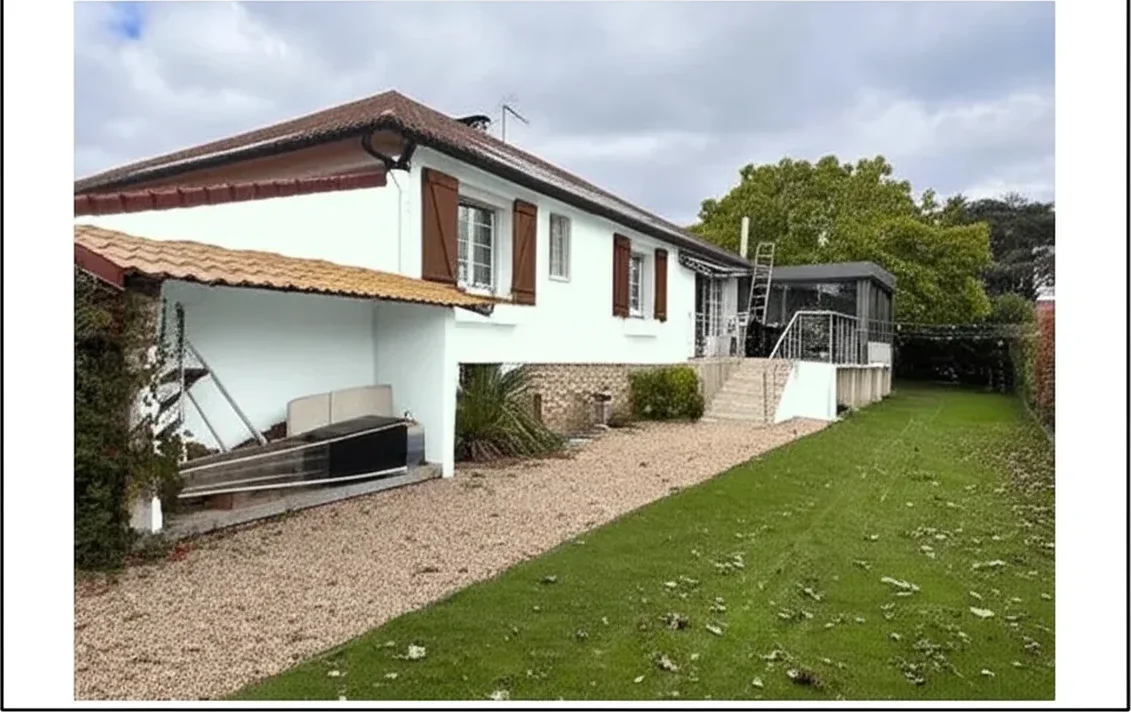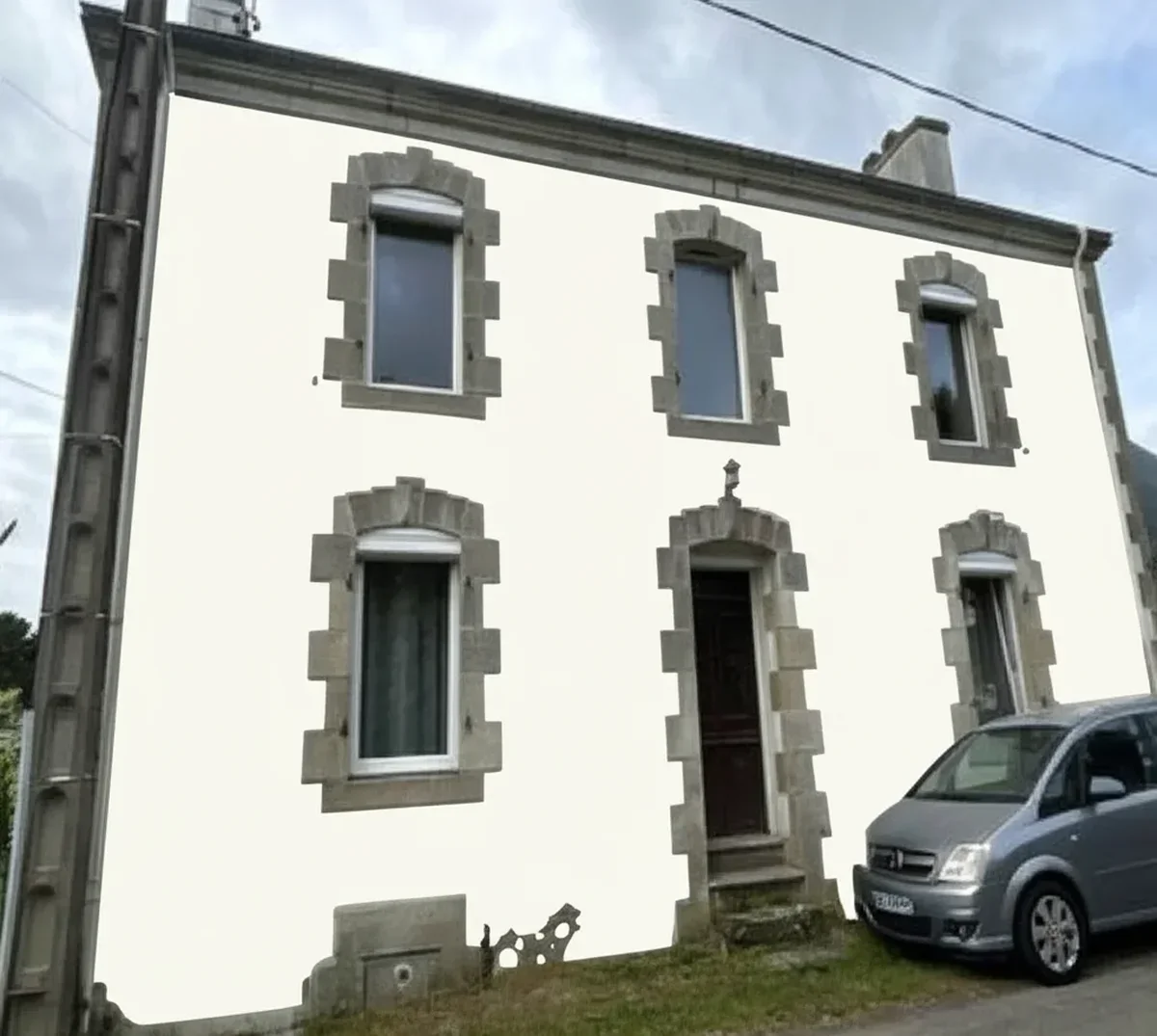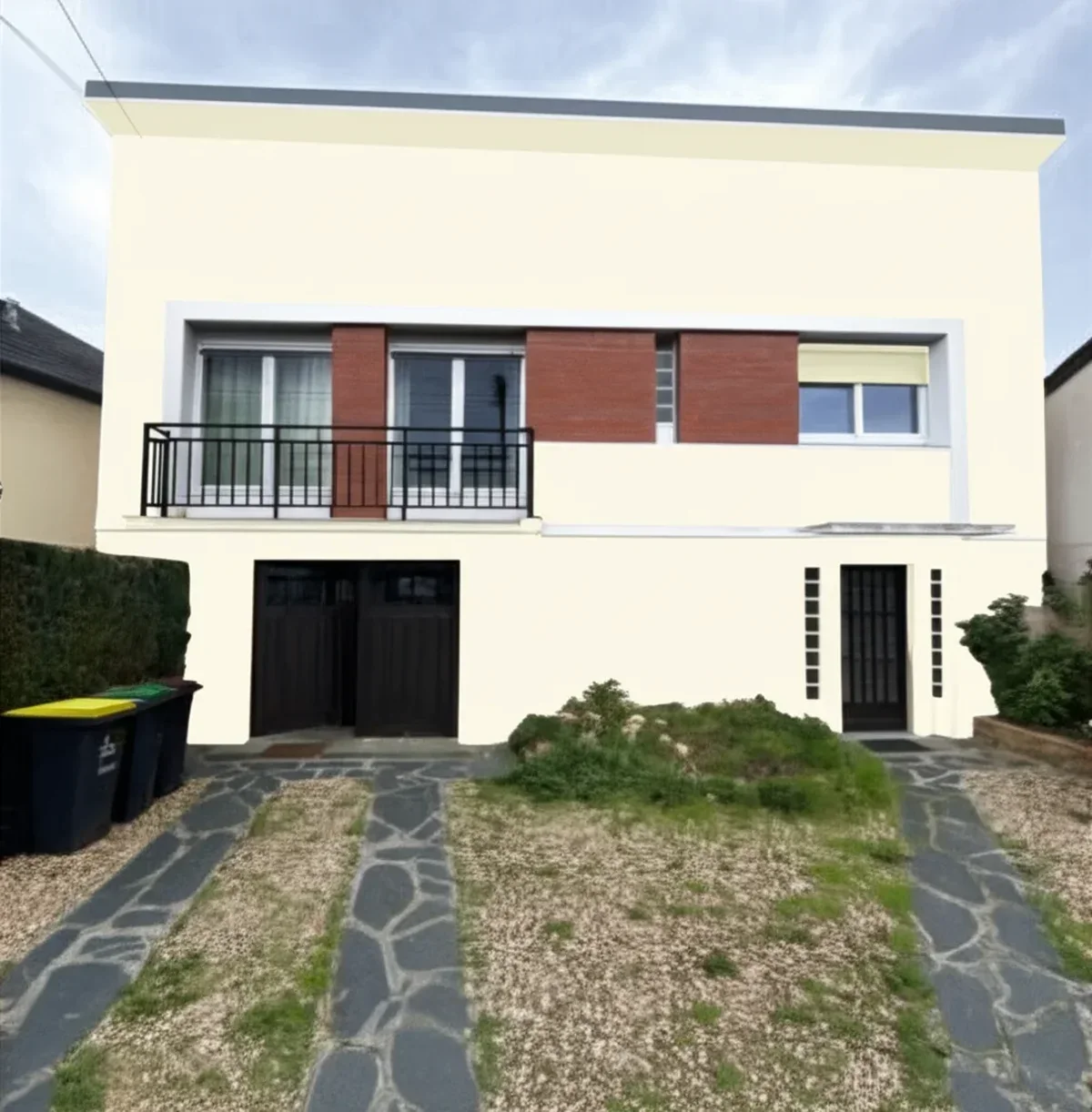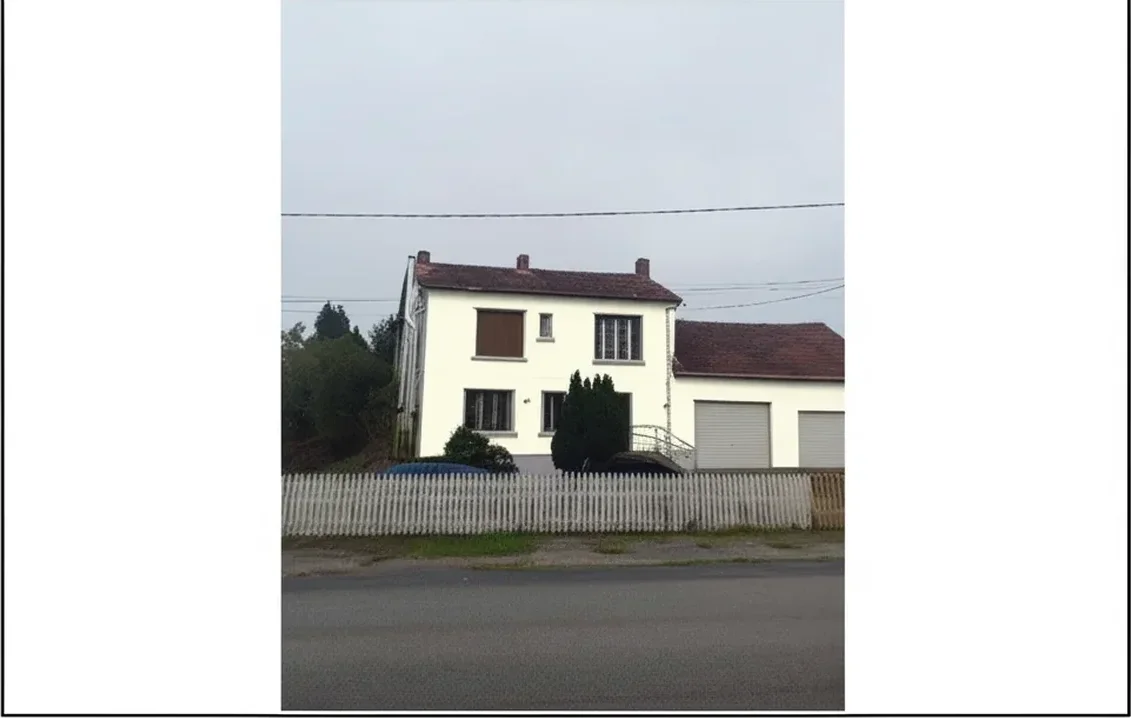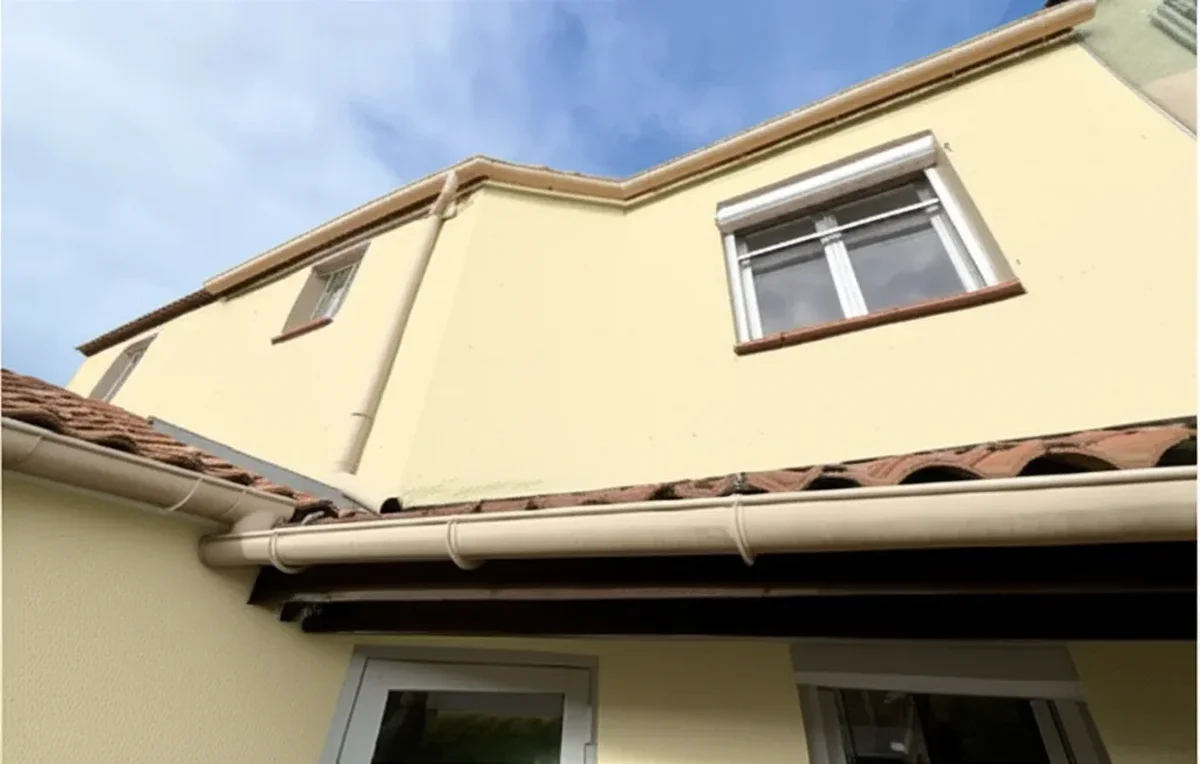
Try it on your house

Knowing how to price a paint job accurately is the difference between a profitable painting contractor business and one that bleeds money on every project. Underbid and you eat the loss; overbid and you lose to the competition. This guide breaks down the proven formulas used by successful contractors in 2026, from cost per square foot calculations and labor rates to material markup, profit margin targets, and how AI tools can help you close more deals. Speed up your client presentation process with our AI paint visualizer for contractors.
The 3-step formula for pricing any paint job
Every accurate estimate starts with three numbers: labor cost, material cost, and overhead + profit. Step 1, Measure. Calculate total paintable square footage (walls, trim, fascia, soffit, doors). Deduct windows and non-paintable areas. Step 2, Estimate labor hours. A skilled painter covers 150–350 sq ft per hour depending on surface condition, paint sheen, and application method (spray, brush, roller). Step 3, Add materials + markup. Paint, primer, caulking, wood filler, tape, drop cloths, plus your overhead percentage and target profit margin.
Cost per square foot benchmarks 2026
| Job Type | Cost/sq ft | Includes |
|---|---|---|
| Exterior painting, basic | $1.50 – $3.00 | Power washing, primer, 2 coats latex |
| Exterior painting, full prep | $3.00 – $5.50 | Scraping, caulking, wood filler, primer, 2 coats |
| Interior painting, walls only | $1.50 – $3.50 | Patching, primer, 2 coats, furniture protection |
| Interior painting, walls + trim | $3.00 – $6.00 | Walls, baseboard, crown molding, doors |
| Stucco painting | $2.00 – $4.50 | Crack repair, elastomeric coating, 2 coats |
| Commercial painting | $1.00 – $3.00 | Large-scale spray, production rates |
Try it on your house
No photo? Try a sample
These benchmarks assume standard conditions. Adjust upward for multi-story homes needing scaffolding (+$0.50–1.50/sq ft), lead paint abatement (pre-1978 homes, +$2–4/sq ft), difficult access, or premium paints like Sherwin-Williams Duration or Benjamin Moore Aura. Market rates also vary sharply by city, and the coastal metros run well above the national average.
How far above is worth pinning down before you quote outside your home market. Our breakdown of the cost to paint an exterior house across 25 US metros puts San Francisco near 65% over the national average and Houston about 20% under it: on the same 1,800 sq ft two-story home that is a spread of more than $4,000 before a single gallon is priced. Bid from the local column, never the national one.
One more number worth carrying into the walkthrough: the one your client already read. Our interior painting cost guide publishes the homeowner-facing figures, $300 to $1,000 per room and $2 to $6 per square foot, and that is the anchor most prospects arrive with. Bidding above it is fine. Not being able to explain the gap on the spot is what loses the job.
Labor rate calculations: hourly vs. production
Most successful painting contractors use production-based pricing rather than hourly billing. A journeyman painter costs $25–45/hr in wages + benefits + taxes, but the bid rate should factor in production speed. If your crew paints 2,500 sq ft of exterior in a day (8 hours, 2 painters), your labor cost is roughly $0.90–1.40/sq ft. Add 40–60% for overhead (insurance, bonded, insured, trucks, marketing) and 15–25% for profit margin.
Surface preparation is where most contractors miscalculate. Scraping peeling paint, fixing cracking and chalking, caulking gaps, and applying wood filler can double the labor hours. Always inspect the property before quoting, never estimate from photos alone for the prep component. A thorough walkthrough with the homeowner builds trust and protects your profit margin.
Material costs and markup strategy
Premium latex paint from Sherwin-Williams (SuperPaint, Duration) runs $55–85/gallon, while Benjamin Moore (Regal Select, Aura) costs $60–90/gallon. Behr Ultra and Marquee from Home Depot offer a $35–55/gallon option. Coverage per gallon ranges from 300–400 sq ft on smooth surfaces to 200–300 sq ft on textured stucco or siding. For a two-coat system on 2,500 sq ft of exterior, budget 15–20 gallons of paint + 5–7 gallons of primer.
Standard material markup for painting contractors is 20–35%. This covers waste, trips to the store, color consultation time, and the expertise of selecting the right product (acrylic paint vs. elastomeric, fade resistance, mildew resistant formulas). Some contractors pass through materials at cost and increase their labor rate instead, either approach works as long as total profit margin hits your 15–25% target.
Winning more bids with AI visualization
The biggest advantage a modern painting contractor has over the competition is visualization. When you show a homeowner a before and after preview of their home in the exact colors you're quoting, your close rate jumps 30–50%. An AI tool like our paint visualizer lets you upload a photo of the property, apply Sherwin-Williams or Benjamin Moore colors, and generate a professional client presentation in under 60 seconds.
This digital tool also enables upselling. Show the homeowner what the trim, front door, and shutters would look like in an accent color, that's an extra $500–2,000 on the quote. Include color preview options in every estimate to differentiate your business and justify premium pricing. Customer satisfaction soars when clients know exactly what they're getting, leading to more referrals and stronger lead generation.
Common pricing mistakes to avoid
Mistake #1: Underbidding prep work. Surface preparation is always more work than it looks. Build in a 20% buffer for unexpected peeling, rot, or cracking. Mistake #2: Ignoring weather delays. Exterior jobs need dry weather conditions and temperatures between 50–85°F. Schedule buffer days in your project management timeline. Mistake #3: Not factoring in HOA rules. Color changes in HOA communities require approval, which can delay the start date and add administrative overhead.
Mistake #4: Competing on price alone. Licensed, bonded, and insured contractors earn their premium. Highlight your warranty, workmanship guarantee, portfolio of past projects, and free estimate service. The homeowners who choose the cheapest bid are rarely the best clients, target value-conscious customers who understand that curb appeal and property value justify professional work.
Start winning more bids today
Ready to close more jobs at better margins? Use our AI paint visualizer for contractors to create stunning before and after presentations that sell. Build your portfolio, impress your clients, and grow your business.
For more contractor resources, read our AI paint visualizer contractor guide and our exterior house painting cost guide 2026.
Frequently asked questions
How do you price a paint job per square foot?
What profit margin should a painting contractor target?
How much should I mark up paint materials?
How can AI visualization help win more paint jobs?
What are the most common paint job pricing mistakes?
Trademarks mentioned (Sherwin-Williams, Benjamin Moore, Behr, Caparol, Brillux, Sto, Alpina, Valspar, PPG, Glidden, Dulux, Crown Trade, Sandtex, Farrow & Ball, Johnstone's, Leyland) are property of their respective owners. FacadeColorizer is independent and not affiliated with any of them. Nominative fair use under Lanham Act §1125.