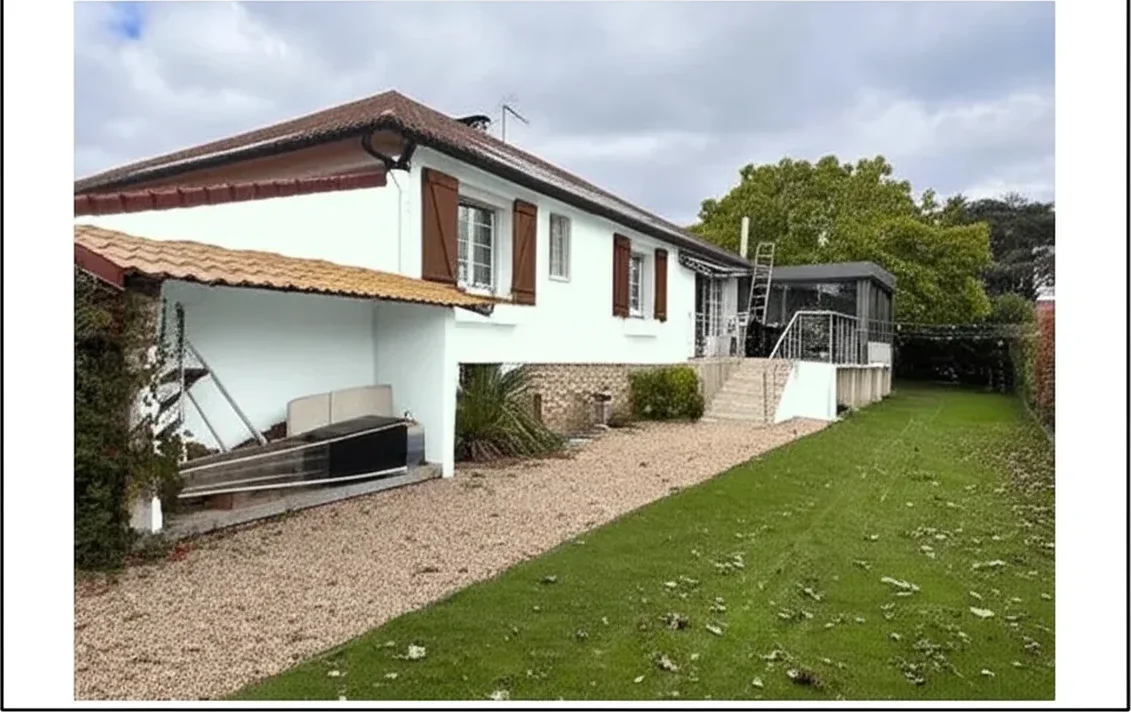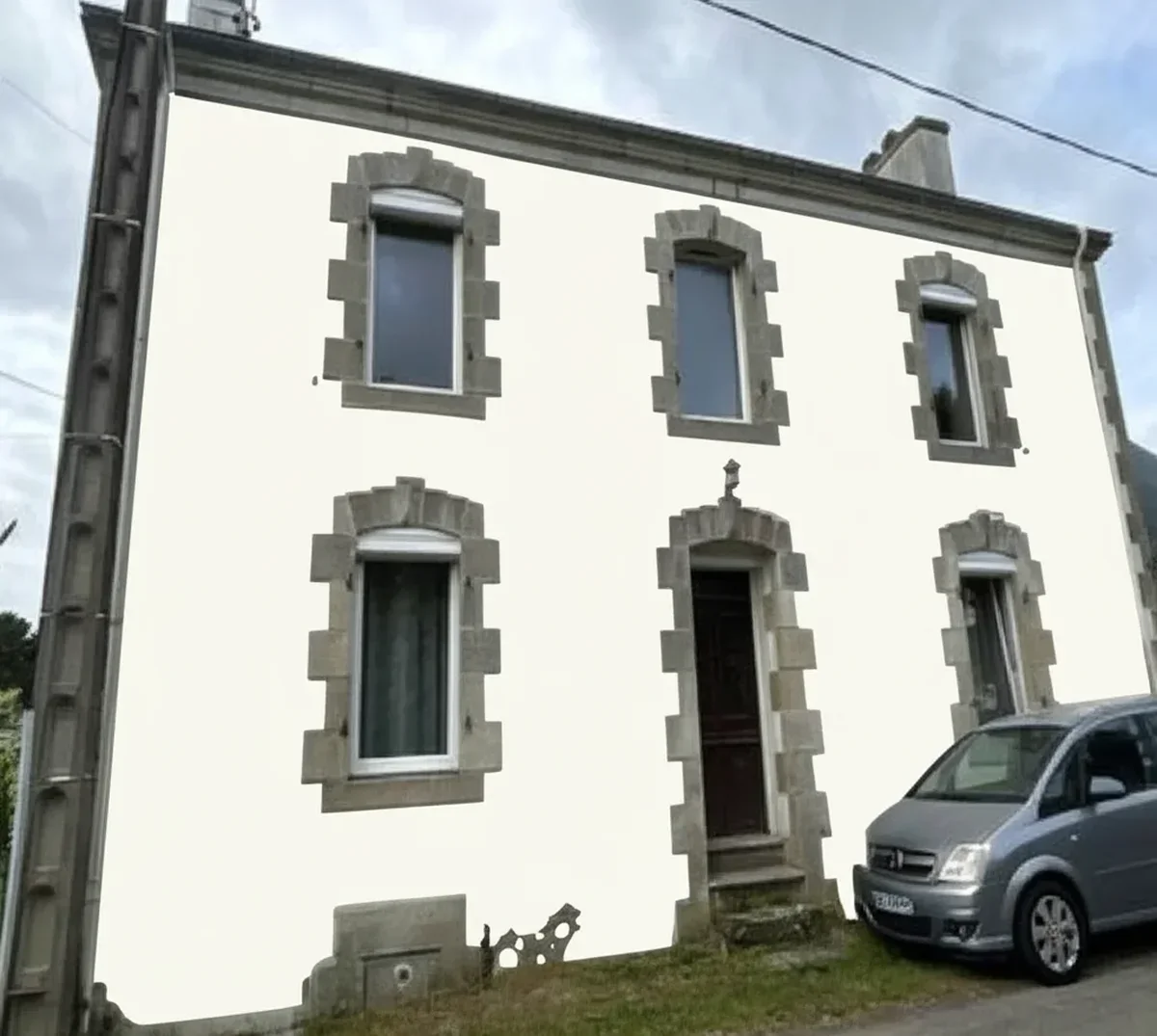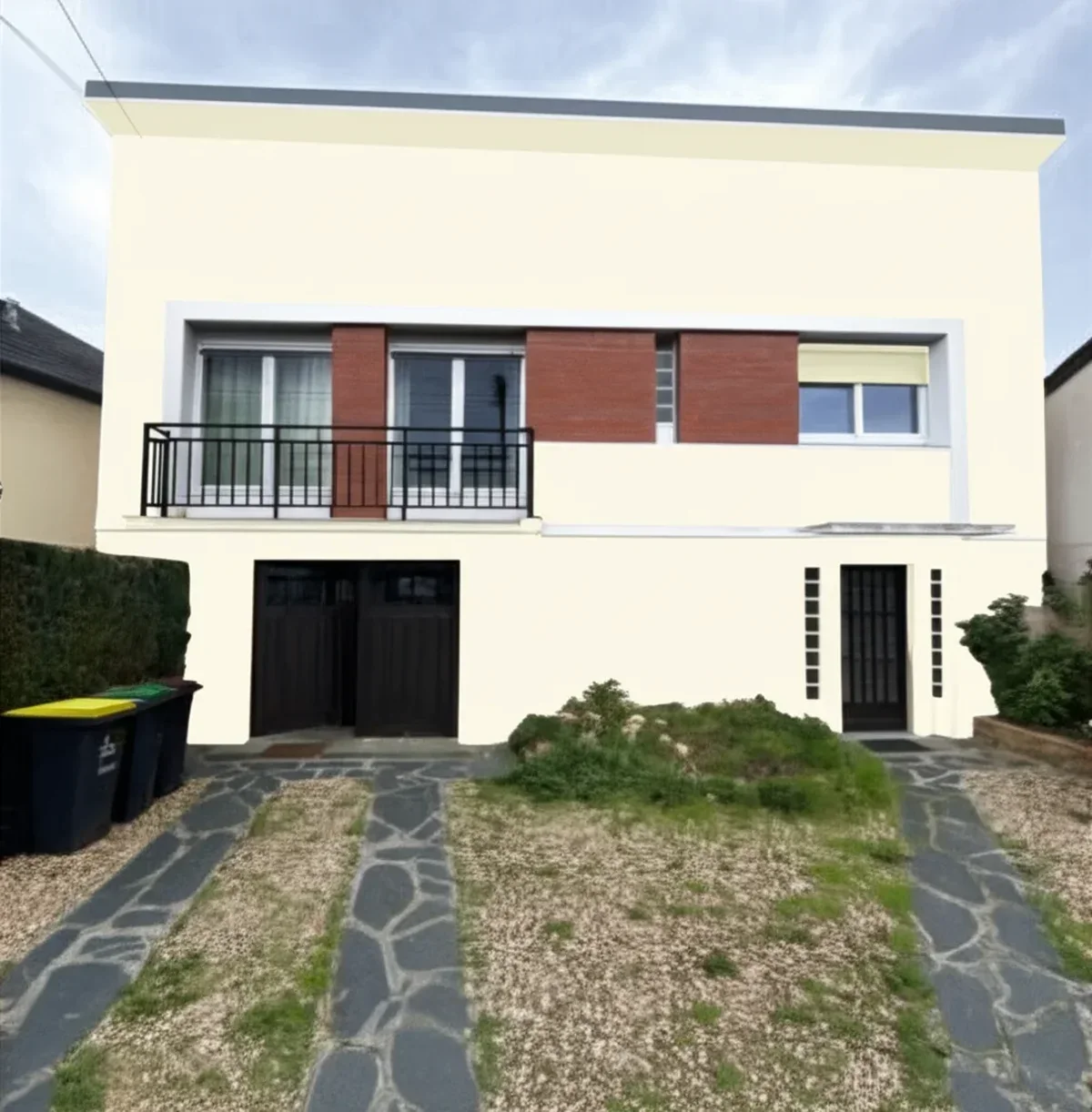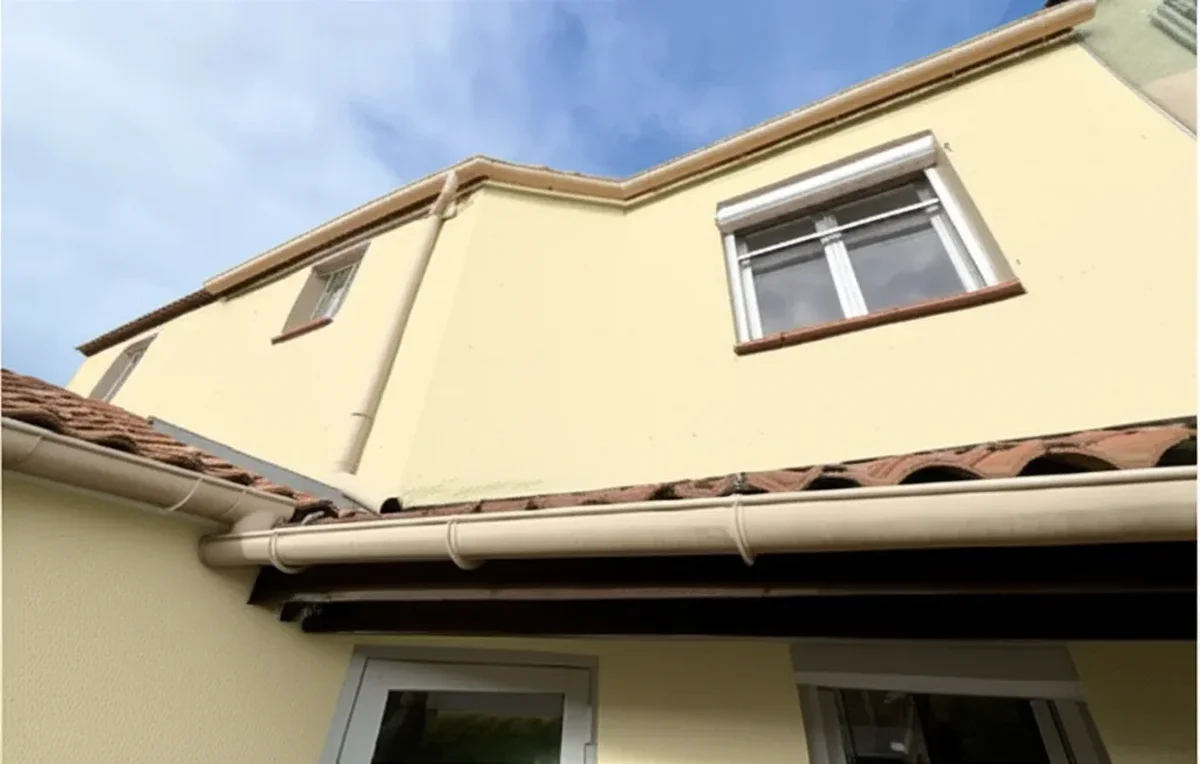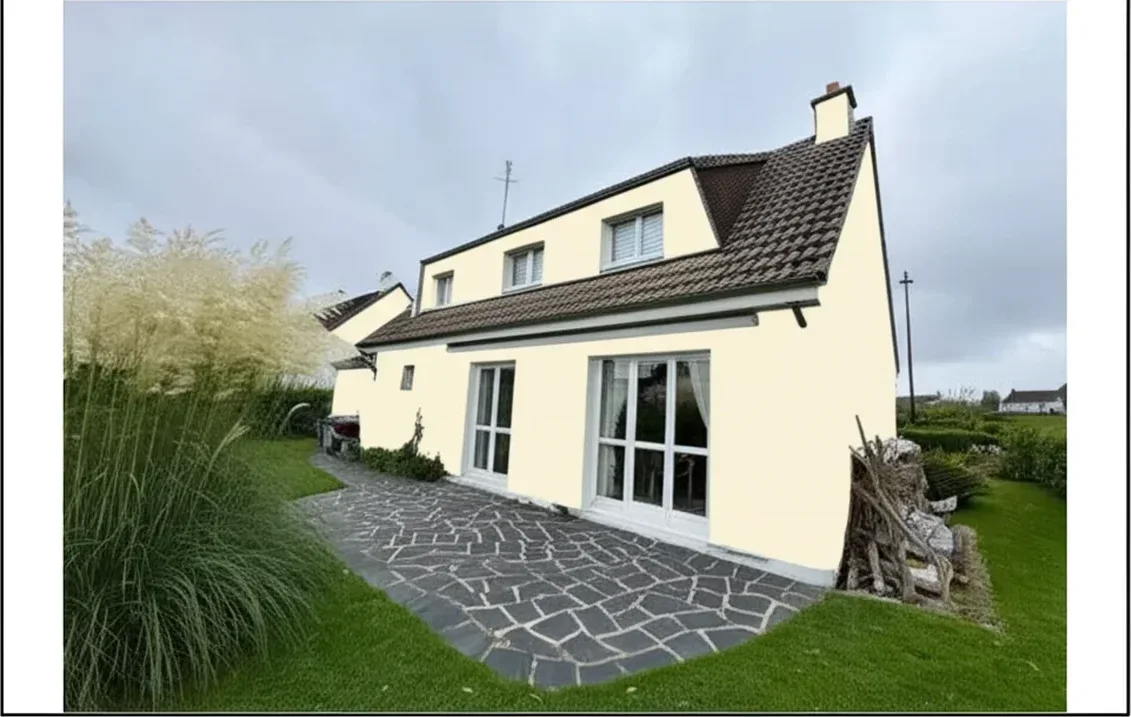
Try it on your house

Tom Henderson still remembers the Tuesday afternoon in March 2025 when he drove home from a failed estimate in Buckhead, Atlanta. He had spent 90 minutes measuring a 3,200-square-foot Colonial, quoted $11,400 for a full exterior repaint, and watched the homeowner do what every painting contractor dreads: glance at a color fan deck, mumble "let me think about it," and close the door. That month Tom's Henderson Painting crew of 12 had converted only 22% of their bids. Annual revenue was stuck at $480,000. The average homeowner took three weeks to sign, if they signed at all. Nine months later, after one quiet change to his sales process, Tom's close rate hit 47%, decisions came in under five days, and he was pacing toward $760,000 in revenue. This is the story of how he did it, and how three other painters across the country pulled off similar turnarounds.
According to the Painting Contractors Association (PCA), healthy painting companies should target close rates between 30% and 55%. The Bureau of Labor Statistics tracks roughly 230,000 painting businesses in the US generating a combined $49 billion in revenue, and PCA guidance suggests that contractors sitting at the lower end of the close-rate range are leaving six figures on the table every year. The painters who break into the 40%+ bracket share one habit: they stopped selling paint and started selling transformations.
The Problem: Why Traditional Sample Boards Lose Bids
Walk through any Sherwin-Williams or Benjamin Moore store and you'll see the same tools painters have used since the 1980s: fan decks, 4x6 color chips, and maybe a painted poster board. These tools ask the homeowner to do something the human brain is genuinely bad at, project a two-inch swatch onto a 2,500-square-foot facade and imagine the result under morning light, afternoon shade, and at 6 p.m. in October. Homeowners freeze because the emotional risk is enormous. Repainting a house costs $4,000 to $15,000 in most American markets. Choosing the wrong color means living with the mistake for 10 years or paying to redo it.
Try it on your house
No photo? Try a sample
That fear is the single biggest killer of painting bids. Industry data from quote-template providers shows that professional, visual quotes win roughly 45% more jobs than verbal or text-only estimates. The reason is simple: homeowners don't buy paint, they buy confidence in the outcome. When you hand them a fan deck and walk away, you're asking them to generate that confidence by themselves, and most can't, so they stall, shop around, or abandon the project entirely.
Tom Henderson learned this the hard way. "For years I blamed my pricing," he told me when we spoke in January. "I'd drop my number $500, $800, a thousand, didn't matter. They still ghosted me. It wasn't about the money. They just couldn't picture it."
The Before/After Revolution: Stats and Tools
The fix that a growing slice of US painters has embraced is before/after marketing: generating a photorealistic rendering of the customer's actual home in the proposed colors, and using that image across every sales touchpoint, in-home consultations, emailed proposals, Instagram posts, and Google Business uploads. The PCA and Benjamin Moore's contractor program both now recommend visual proposals as standard practice for any painter trying to grow above the $500K revenue threshold.
The numbers behind the shift are compelling. Retailers using room visualizer technology report up to 3.7x higher conversions. Instagram is uniquely suited to the format , the platform's algorithm rewards carousels and Reels showing clear transformations, and painting is one of the few trades where the before/after is dramatic enough to stop the scroll. Sherwin-Williams, which allocates roughly $130 million of its marketing budget to the professional painter segment, has doubled down on contractor-facing visual content for exactly this reason.
The tools have caught up to the demand. An AI paint visualizer like FacadeColorizer lets a contractor upload a phone photo, apply any color from the major brands, and produce a photorealistic rendering in under 60 seconds, no Photoshop, no masking, no design degree required.
Tom Henderson's Full Transformation (Atlanta, GA)
The Starting Line: 22% Close Rate, $480K Revenue
When I first pulled Tom's numbers in June 2025, Henderson Painting was running 14 to 16 estimates a week across metro Atlanta, Decatur, Smyrna, Alpharetta, Buckhead. Crew of 12, one estimator, one office manager. Close rate hovered at 22%. Average job value $4,100. Annual revenue was projected at $480,000 and had been flat for two years. The biggest pain point wasn't lead flow, it was the decision window. Homeowners were taking 18 to 22 days on average to sign, and about 40% of those never came back at all.
The Pivot: Visualizer + Instagram in Month One
In April 2025 Tom attended a PCA regional event in Charlotte and sat through a session on AI tools for estimators. He went home, tested three apps on his own house in Brookhaven, and settled on FacadeColorizer because it handled Georgia-typical brick-and-siding combos cleanly. He bought his estimator an iPad Mini. Rule for the crew: every consultation now required a photo of the home and at least two rendered color options shown on-site, before the price was even discussed.
The Instagram piece came second. Tom's daughter, 19, took over the @hendersonpainting_atl account and posted three before/after carousels a week, the rendering first, the finished house last. Within eight weeks the account jumped from 340 to 2,100 followers and started generating DM leads from Decatur and East Cobb.
The Inflection Point: Months 3 to 6
By August 2025 the close rate had climbed to 34%. By October it was 41%. The real shock wasn't the conversion number, it was the speed. Same-visit approvals, which had been essentially zero, now accounted for about 1 in 5 signed contracts. Homeowners were skipping the "I'll think about it" phase because they had already seen the outcome. Decision windows compressed from three weeks to around seven days.
The Upsell Bonus Nobody Expected
What surprised Tom most was the upsell. When he generated a rendering showing a contrasting front door or refreshed trim, clients said yes to the upgrade about 60% of the time. Average job value climbed from $4,100 to $4,950, a 21% lift with zero price increase on the base scope. "Showing them their actual house in the new color closes the deal in the first meeting," Tom told me. "Showing them the door in a second color closes the upgrade."
The same lever exists indoors, on the cheapest surface in the house. A hallway of builder-white hollow doors taken to a deep black costs a quart or two of paint and a day of labor, and it is the change a client notices from the doorway. Put it in the rendering beside the wall color and a wall-only quote becomes a walls-plus-doors quote, with the reason already on screen. Our gallery of black interior doors before and after works as a ready-made reference to pull up on site when the client wants to see it on someone else's house first.
Want to try Tom's exact workflow on your next estimate?
Upload a photo of your client's home at FacadeColorizer's free upload page and generate two color options in under 60 seconds. Show them on your phone before you talk price. No signup required.
The 9-Month Scorecard
By January 2026, nine months after the pivot, Henderson Painting looked like a different business. Close rate: 47%. Average decision window: 5 days. Average job value: $4,950. Revenue tracking: $760,000 for the year. Tom hired a second estimator in December and is scouting a third service area out toward Marietta. "I'm not a tech guy," he said. "I'm a guy who got tired of losing bids I should have won."
3 Quick Wins from Painters Across the Country
Maria Lopez, Lopez Painting (Phoenix, AZ). Maria runs a bilingual residential crew serving the Phoenix and Scottsdale metro. In April 2025 she started posting before/after carousels on Instagram three times a week, pairing each rendering with a short caption in English and Spanish. By October her Instagram-sourced leads had climbed 35% and accounted for 28% of her booked revenue. "The Arizona sun kills paint and it kills color confidence," Maria said. "Clients here need to see what the color does at 110 degrees in July. A rendering shows them."
David Chen, Premier Coat (Seattle, WA). David spent around $2,400 a month printing physical sample boards and driving them to client meetings across King and Snohomish counties. Switching to tablet-based AI renderings eliminated the printing, the driving, and the storage closet full of 8x10 painted MDF boards. He redirected the saved budget into a Google Local Services ads push and picked up 14 additional leads in the first quarter. "The sample board was theater," David said. "The tablet is closing."
Lisa Thompson, Bayou Brushwork (New Orleans, LA). Lisa works the French Quarter-adjacent neighborhoods where historic color palettes and HOA rules are strict. She started sharing her AI renderings directly with clients via text and encouraging them to forward the images to family. In the last six months, 12 of her new bookings came from clients who had seen a rendering shared on a friend's Facebook or iMessage thread, referrals that cost her zero ad spend. "A rendering is shareable," Lisa said. "A written estimate isn't."
How to Start: The 5-Step Before/After Playbook
Rolling this out in your own business doesn't require new hires, new software subscriptions, or new trucks. Here's the exact sequence Tom, Maria, David, and Lisa all converged on:
- Photograph every estimate. Three to five phone photos per property - front, both sides, any area the homeowner mentioned. Do this before you pull out the tape measure, while the homeowner is still walking you around.
- Generate two renderings on-site. Before you say a number, show the client their house in the two colors they said they were considering. This single step collapses the "let me think about it" phase for the majority of prospects.
- Embed the images in your written proposal. Whether you use Jobber, PaintScout, Housecall Pro, or a PDF you built yourself, paste the before/after renderings at the top of the document. Visual proposals win about 45% more jobs than text-only.
- Post three before/afters a week on Instagram. Render first, finished home last, short caption that tells the client's story. Tag the neighborhood. This fuels passive lead generation that compounds over 6 to 12 months.
- Use renderings to upsell trim, doors, and accents. A second rendering showing a premium option is the single highest-leverage upsell move in residential painting. Expect 15–25% lift on average job value.
If you want to go deeper on the software side, CRMs, scheduling, estimating platforms , our painting contractor software 2026 guide walks through the full stack most $500K–$1M painters are running right now.
Ready to scale the workflow across your whole crew?
The FacadeColorizer Artisan plan at $79/month gives your estimators 55 HD renderings/month, brand-specific color libraries (Sherwin-Williams, Benjamin Moore, Behr, PPG), and client-sharing links. See the full plan details at facadecolorizer.com/us/tarifs.
The Bigger Picture: Why This Works in 2026
The American homeowner of 2026 is not the homeowner of 2015. They've been trained by Zillow, Wayfair's room visualizer, and every real estate app on their phone to expect visual previews before committing to a purchase. When a painting contractor shows up with a fan deck and a clipboard, the experience feels dated, and dated feels risky. When you show up with a tablet and a rendering, you're meeting the client where they already are.
That's why Tom Henderson went from 22% to 47% in nine months. It's why Maria's Instagram leads jumped 35%, why David stopped burning $2,400 a month on printed samples, and why Lisa is pulling referrals out of iMessage threads in the Bayou. Before/after marketing isn't a gimmick. It's the new baseline for any painting contractor who wants to compete above the price-war floor.
The painters winning in 2026 aren't necessarily the cheapest or the fastest. They're the ones who make the outcome visible before the contract is signed, and that's a bar any crew, from a solo operator in Boise to a 30-truck shop in Dallas, can clear this month.
Start closing 40% more bids this quarter.
Generate your first rendering free on your next estimate, no credit card, no signup. Upload a photo, pick the colors, show the client.
Frequently asked questions
How much does before/after marketing cost for a painting business?
What's the real ROI of visual quotes for painting contractors?
Is Instagram actually worth it for a painting business in 2026?
AI rendering vs traditional color sampling: which actually wins bids?
Trademarks mentioned (Sherwin-Williams, Benjamin Moore, Behr, Caparol, Brillux, Sto, Alpina, Valspar, PPG, Glidden, Dulux, Crown Trade, Sandtex, Farrow & Ball, Johnstone's, Leyland) are property of their respective owners. FacadeColorizer is independent and not affiliated with any of them. Nominative fair use under Lanham Act §1125.