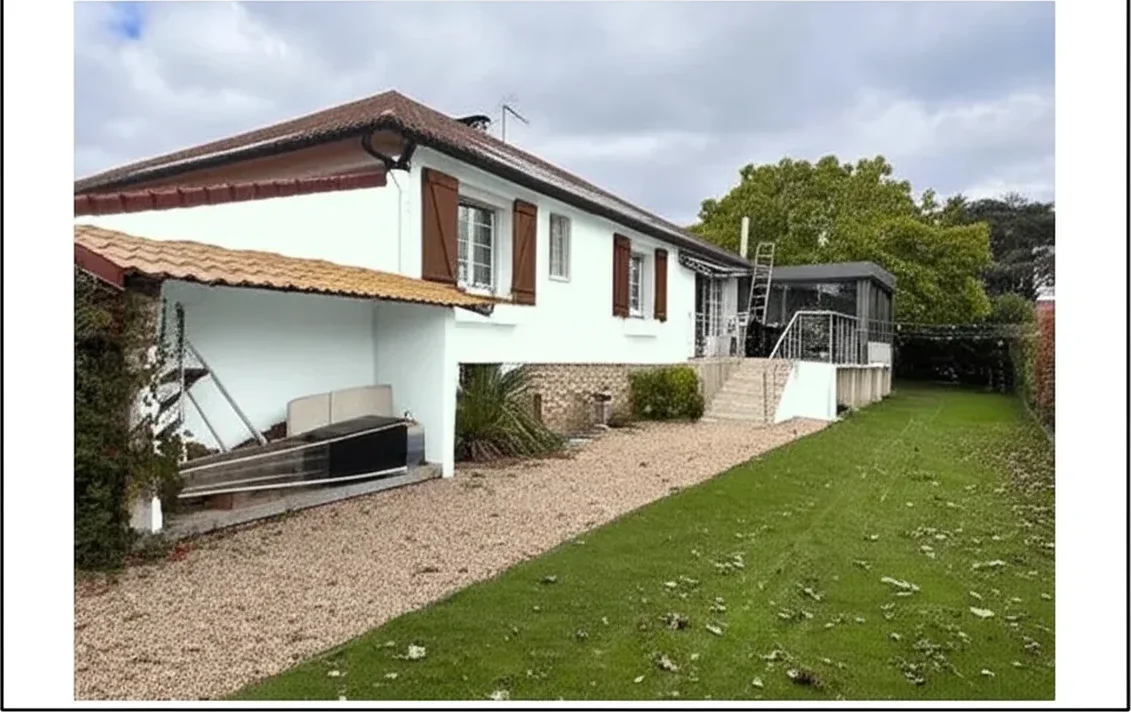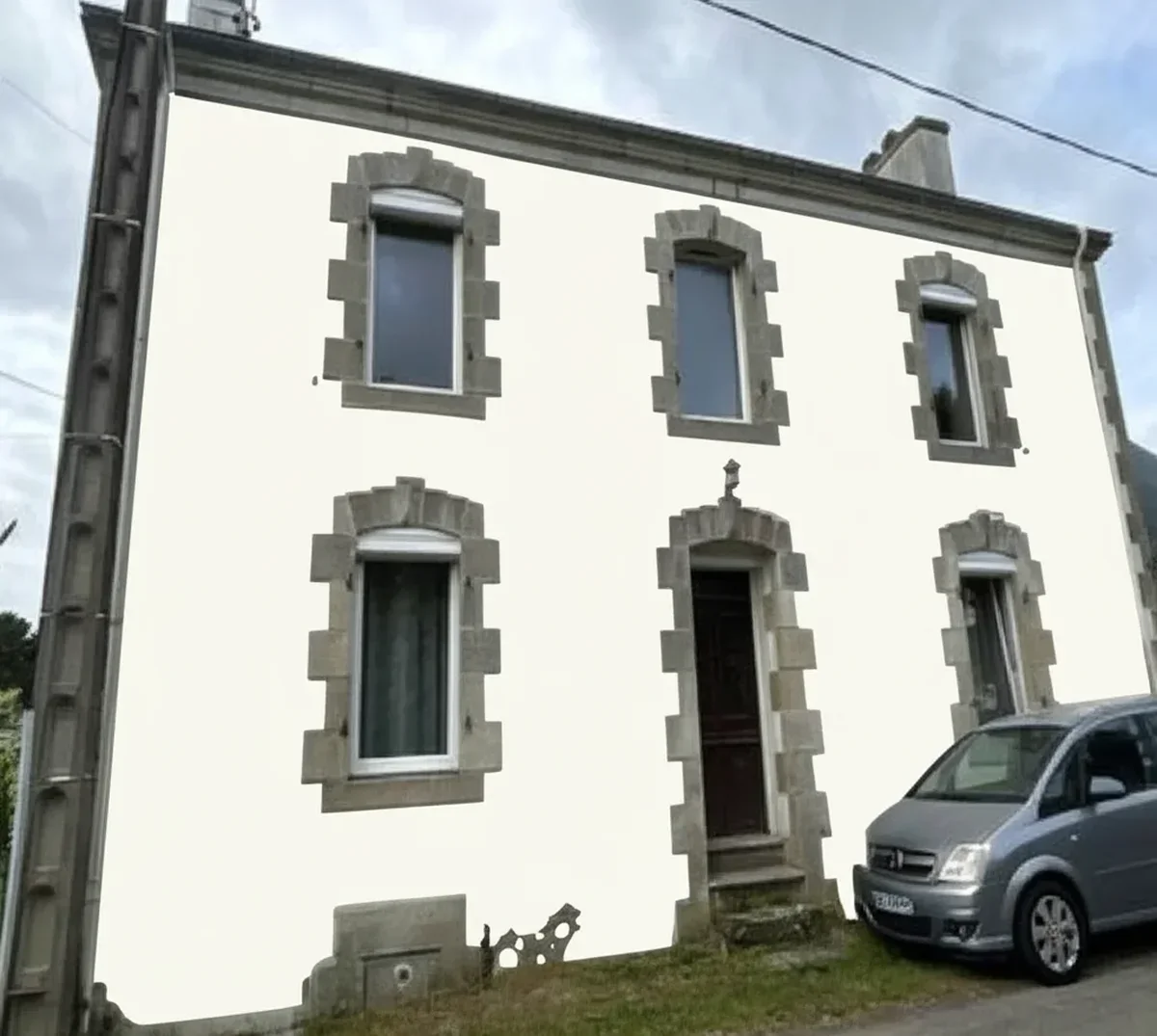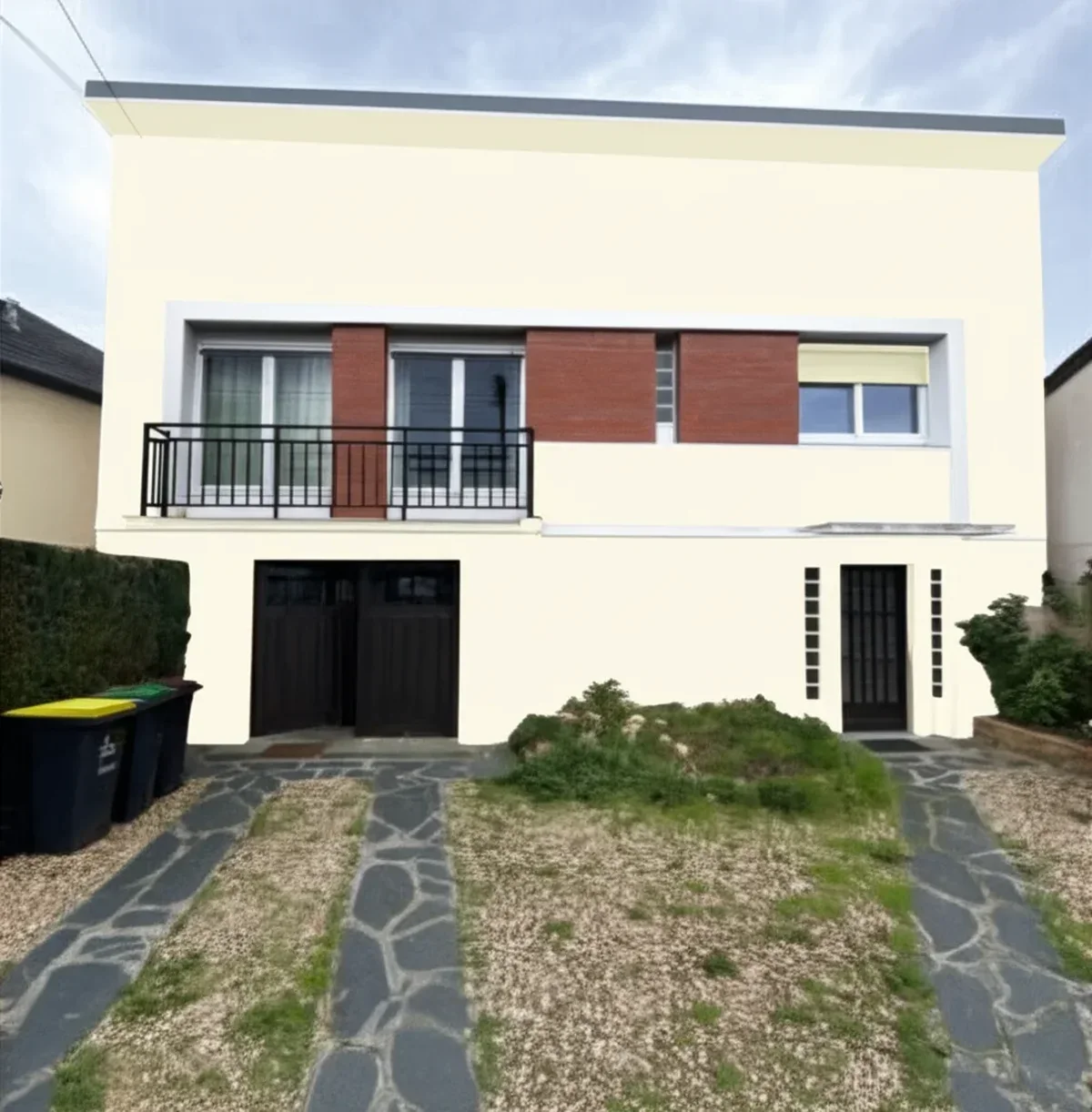
Try it on your house

According to IBISWorld, the U.S. painting contractors industry topped $43 billion in 2025, split roughly 62% residential and 38% commercial. Both segments are growing, but they reward very different business models. Choosing which one to target in 2026, or how to blend them, is one of the most consequential decisions an interior painter will make this year.
This guide compares commercial and residential interior painting across the ten variables that actually move the needle: gross margin, project size, lead time, payment cycle, required certifications, crew structure, sales cycle, seasonality, competitive density and scalability. It closes with a real Ohio case study of a painter who moved from 100% residential to a 60/40 hybrid in 18 months.
The two markets in one minute
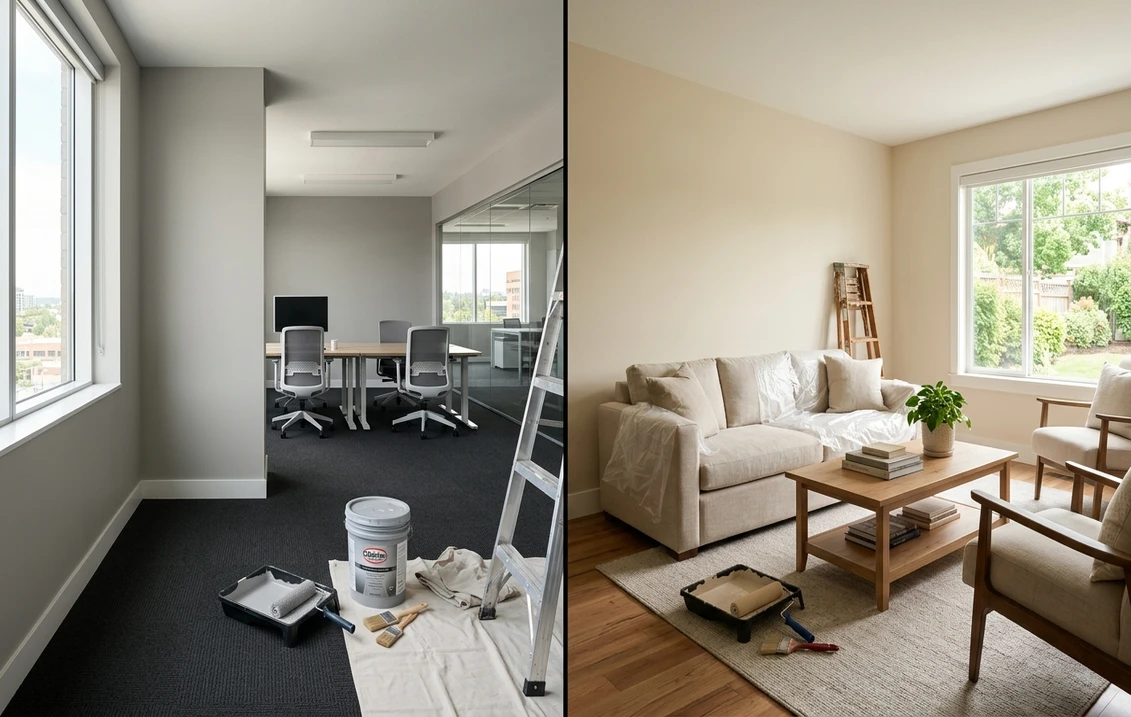
Residential interior painting is what most contractors start with: single-family homes, condos, landlord turnovers. Jobs run $3,000 to $8,000 on average, close in 1 to 3 weeks, and get paid on delivery. Gross margins sit between 25% and 40% when estimating is tight and crews are trained.
Commercial interior painting covers offices, retail build-outs, schools, medical facilities, hotels, multifamily common areas and light industrial spaces. Tickets range from $15,000 to $100,000+, sales cycles stretch 30 to 120 days, and payment terms are typically net 30, 60 or even 90. Gross margins are lower, 15% to 25%, but volume and recurring general-contractor relationships can compound fast.
10-criteria comparison: residential vs commercial interior
The table below summarizes the differences that every painting business owner should weigh before allocating sales effort, capital and crew hours in 2026.
| Criterion | Residential interior | Commercial interior |
|---|---|---|
| Average ticket | $3,000 to $8,000 | $15,000 to $100,000+ |
| Gross margin | 25% to 40% | 15% to 25% |
| Sales cycle | 3 to 14 days | 30 to 120 days |
| Payment terms | Deposit + balance on completion | Net 30 to net 90, AIA G702/G703 |
| Project duration | 2 to 7 days | 1 to 8 weeks |
| Shift pattern | Daytime, weekday | Nights, weekends, occupied spaces |
| Required insurance | GL $1M / $2M aggregate | GL $2M+, umbrella, builder's risk |
| Certifications | EPA RRP (pre-1978 homes) | OSHA 30, EPA RRP, LEED awareness |
| Lead source | Google, referrals, Angi, Nextdoor | GCs, facility managers, bid boards |
| Scalability | Linear with crew count | Non-linear, requires working capital |
Try it on your house
No photo? Try a sample
Margins: why residential looks richer on paper
A clean residential interior repaint priced at $5,500 with $3,300 in direct costs nets roughly 40% gross margin. A 20,000 sq ft office build-out priced at $62,000 with $49,000 in direct costs lands near 21% gross margin. At first glance, residential wins.
The twist is overhead absorption. One commercial job can replace 10 to 12 residential jobs in revenue, with a single superintendent, one insurance certificate and one invoice instead of a dozen of each. When SG&A is included, a well-run commercial painter often ends the year with a higher net margin than a pure residential shop doing the same top line.
Residential margin is also more fragile than it looks. Change orders are informal, scope creep is common, and a single unhappy homeowner can trigger a chargeback, a negative Google review and two weeks of unpaid rework. Commercial jobs run on signed AIA documents, schedule-of-values line items and RFI processes: when scope changes, the change order is priced, signed and billable before work starts.
The painters who protect residential margin at 30%+ year after year have three things in common: production rates in square feet per crew-hour, a tight deposit policy (35% down, 35% at start, 30% on completion), and a color-approval step before any paint is ordered. Skipping any of the three is how shops drift down to 18-22% residential margins without noticing.
Payment cycles and working capital
Residential homeowners typically pay a 30% to 50% deposit and the balance on walk-through. Cash hits the account within days. Commercial work runs on AIA G702/G703 pay applications, retainage of 5% to 10%, and net 60 or net 90 terms with general contractors. A $75,000 job may not fully clear for 120 days.
That gap is where most contractors fail when they scale commercial. Plan on 60 to 90 days of working capital for every dollar of commercial revenue, either through retained earnings, a line of credit, or invoice factoring at 2% to 3% per month.
Upload a client photo, show finishes in 30 seconds, close more bids
Certifications and compliance for commercial work
Commercial general contractors and facility owners will not award painting subcontracts without documented compliance. The baseline stack for 2026 looks like this:
- OSHA 30-hour Construction certification for the supervisor on site. OSHA 10 for every field painter.
- EPA RRP Firm certification for any renovation, repair or painting in target housing or child-occupied facilities built before 1978. Individual Certified Renovator training is required for one person per crew.
- Commercial General Liability of $2,000,000 per occurrence and $4,000,000 aggregate, with additional insured endorsements naming the GC and owner.
- Workers' compensation in every state where crews operate, plus commercial auto with hired and non-owned coverage.
- Umbrella policy of $2M to $5M, often a contract requirement above a certain project value.
- Surety bonding capacity for public, school and municipal work, usually 2% to 3% of contract value.
- LEED and low-VOC product awareness, increasingly specified in medical, educational and Class A office environments.
Budget roughly $4,000 to $8,000 per year in insurance premium increases and $1,500 to $3,000 in training and certification fees to enter the commercial lane seriously.
Lead time, scheduling and crew structure
Residential interior work is booked 1 to 4 weeks out, runs 8am to 5pm, and fits two-painter crews well. Commercial work is booked 6 to 16 weeks out, often runs second shift or weekend only to keep tenants operational, and demands 4 to 8 person crews with a dedicated foreman.
The practical implication: you cannot casually dabble in commercial. It requires a pipeline manager, a bidding rhythm, and the discipline to turn down last-minute residential work that would break a commercial schedule.
Seasonality also flips between the two segments. Residential demand peaks March through October, with a dead zone from late November to mid-February. Commercial tenant improvements, on the other hand, cluster around fiscal year-ends (December and June), holiday retail turnovers (January) and school summer breaks. A hybrid painter who sequences these cycles correctly can hold crew utilization above 85% year-round instead of the industry average near 65%.
Sales motion: homeowner vs general contractor
Selling residential interior painting is a consumer-trust sale. Homeowners care about the person showing up in their living room, the before-after photos, online reviews, and whether they can picture the color on their walls before signing. A strong color-visualization demo on the first visit lifts close rates from a typical 25-30% up to 45-55%.
Selling commercial interior painting is a pricing-and-reliability sale. The general contractor already knows paint; the GC needs a sub who hits the schedule, submits clean pay apps, names them as additional insured, and does not get them written up by the safety manager. Win commercial work by bidding three to five projects per week with the same GC until your pricing pattern is predictable and your sub relationship becomes the default.
Hybrid strategy: the 60/40 playbook
The best-performing mid-market painting companies in 2026 are not pure-play. They run a deliberate 60% residential / 40% commercial blend that smooths cash flow, hedges seasonality and keeps crews productive year-round.
- Residential core funds payroll and overhead weekly. It absorbs slow commercial seasons and pays for sales headcount.
- Commercial layer fills winter, holidays and tenant turnover windows. Two or three anchor GC relationships can deliver $400K to $1M per year.
- Shared back office on one estimating platform, one CRM, one insurance portfolio, and one color-visualization workflow used for both homeowners and commercial designers.
- Crew specialization with a senior foreman on commercial and a lead painter on residential, cross-trained so vacations do not break the schedule.
Which lane should you target in 2026?
If your shop does under $500,000 per year, stay residential and perfect estimating, color consultation and referral systems first. Commercial will eat you alive without the cash cushion.
If you run $500K to $1.5M, start a deliberate 80/20 pilot: one anchor GC, one foreman trained on commercial standards, and a working-capital plan. Move to 60/40 only once commercial revenue is predictable.
Above $1.5M, the question flips. Pure residential is hard to scale past $2.5M without acquiring companies, while a commercial-heavy mix can push a single well-run painting business past $5M with one physical location.
Frequently asked questions
Is commercial painting more profitable than residential?
On gross margin, no: residential averages 25% to 40% versus 15% to 25% for commercial. On net margin and total net profit at scale, commercial usually wins because overhead is absorbed across fewer, larger jobs and crews stay productive in slow residential months. Most painters who clear more than $200K in owner take-home run a blended book.
What certifications do I need to bid commercial interior painting in 2026?
Expect general contractors and facility owners to ask for OSHA 30 for supervisors, OSHA 10 for all painters, EPA RRP Firm certification for pre-1978 renovation, commercial general liability of $2M per occurrence / $4M aggregate, commercial auto, workers' compensation, and often an umbrella policy of $2M or more. Public work typically adds surety bonding, prevailing-wage compliance and E-Verify.
How long does commercial payment take compared to residential?
Residential homeowners pay a deposit upfront and the balance on walk-through, usually within 3 to 7 days. Commercial work runs on AIA pay applications with net 30, net 60 or even net 90 terms, plus 5% to 10% retainage held until project closeout. Plan on 60 to 90 days of working capital for every dollar of commercial revenue and expect DSO to rise from under 15 days to 40-60 days when you shift toward a hybrid model.
Show interior finishes to homeowners and commercial designers in 30 seconds
Whether you stay residential, chase commercial or build a 60/40 hybrid, the single tool that shortens both sales cycles is a fast, accurate color visualization. Upload a photo and share finish options with homeowners, property managers and commercial designers using our AI paint visualizer. Sources: IBISWorld, U.S. BLS, EPA, OSHA, Painting Contractors Association (PCA).