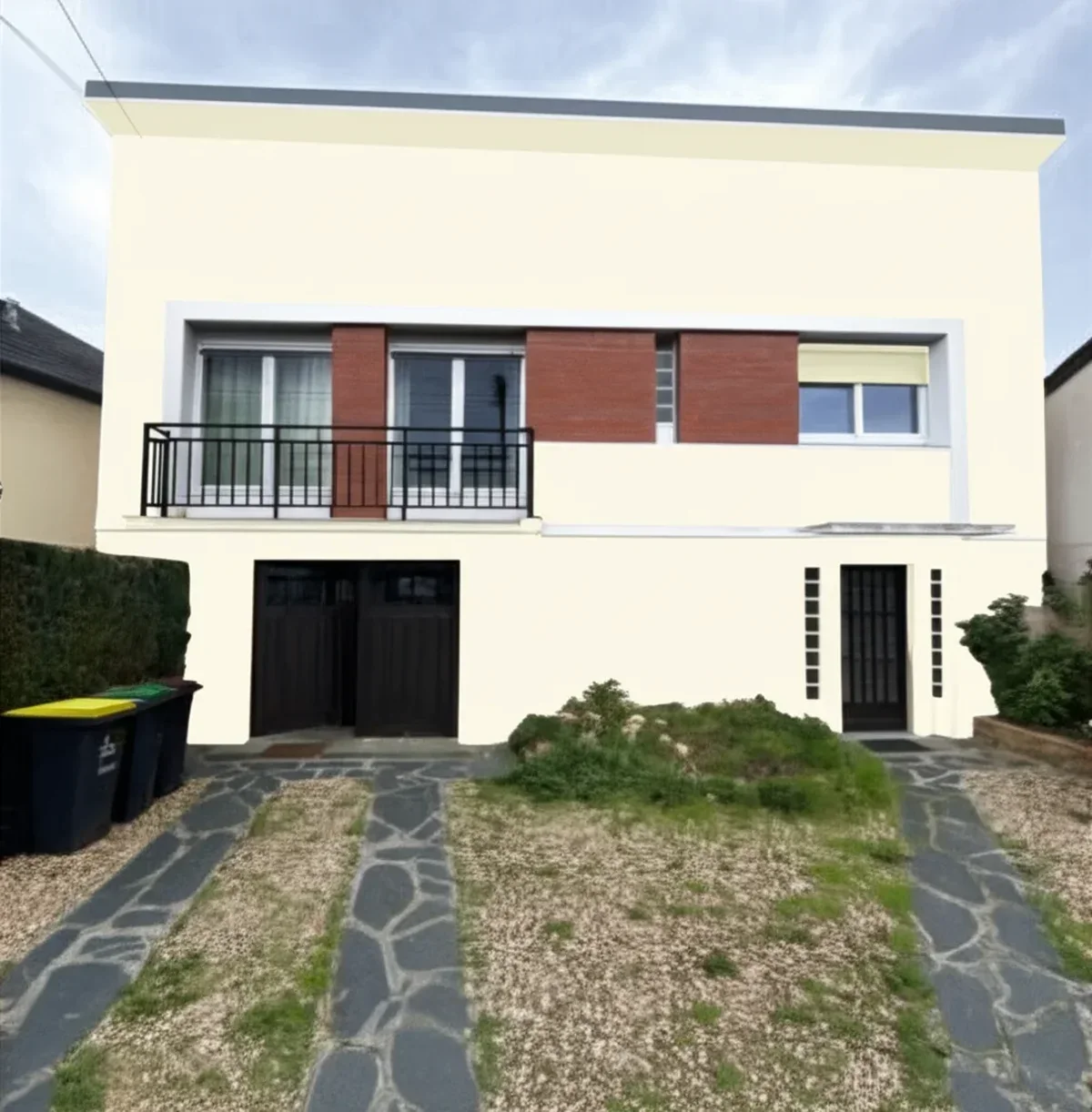
Try it on your house

Why Your Estimate Presentation Matters More Than Your Price
Every painting contractor knows the frustration: you spend an hour measuring, calculating materials, and writing up a thorough estimate, only to lose the job to a competitor who quoted less-and will probably cut corners. The problem is rarely your price. It is how you present it. According to industry data from HomeAdvisor and Angi, the average close rate for painting estimates sits between 20% and 35%. That means most contractors lose two out of every three bids they write. But the top performers-licensed, insured, and bonded professionals who invest in their sales process-consistently close at 50% or higher.
The difference is not just skill or reputation. It is presentation. A professional client presentation that includes visual mockups, tiered pricing options, and a clear scope of work transforms a simple quote into a compelling consultation. When homeowners can see exactly what their home will look like after the project, they stop shopping on price alone and start buying on value. In this guide, we break down the strategies top painting contractors use to turn more bids into signed contracts-whether you handle residential painting, commercial painting, or both.
The Anatomy of a Winning Painting Proposal
A winning bid is more than a number on a piece of paper. It is a structured document that builds trust, communicates value, and makes saying "yes" the easiest option. Here is what every estimate presentation should include:
- Company introduction: Your license number, insurance details, years of experience, and a brief portfolio of similar projects with before and after photos.
- Detailed scope of work: Specify surface preparation (power washing, scraping, caulking, wood filler, primer), the number of coats, paint brand (Sherwin-Williams, Benjamin Moore, or Behr), sheen, and coverage per gallon.
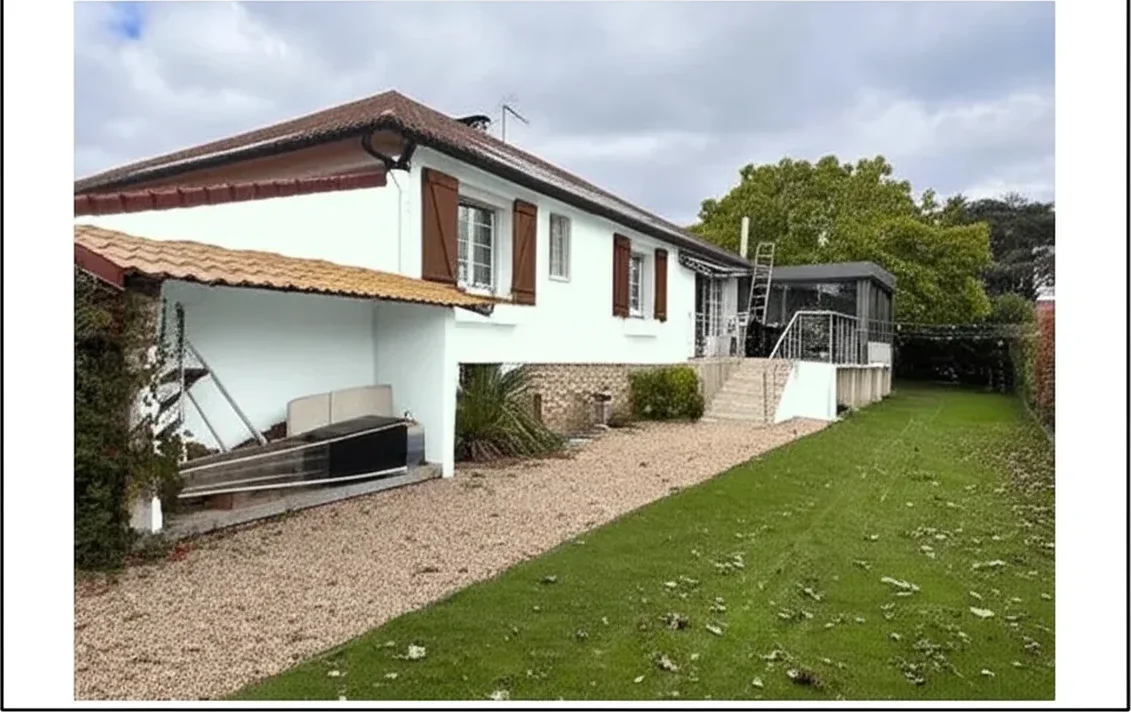
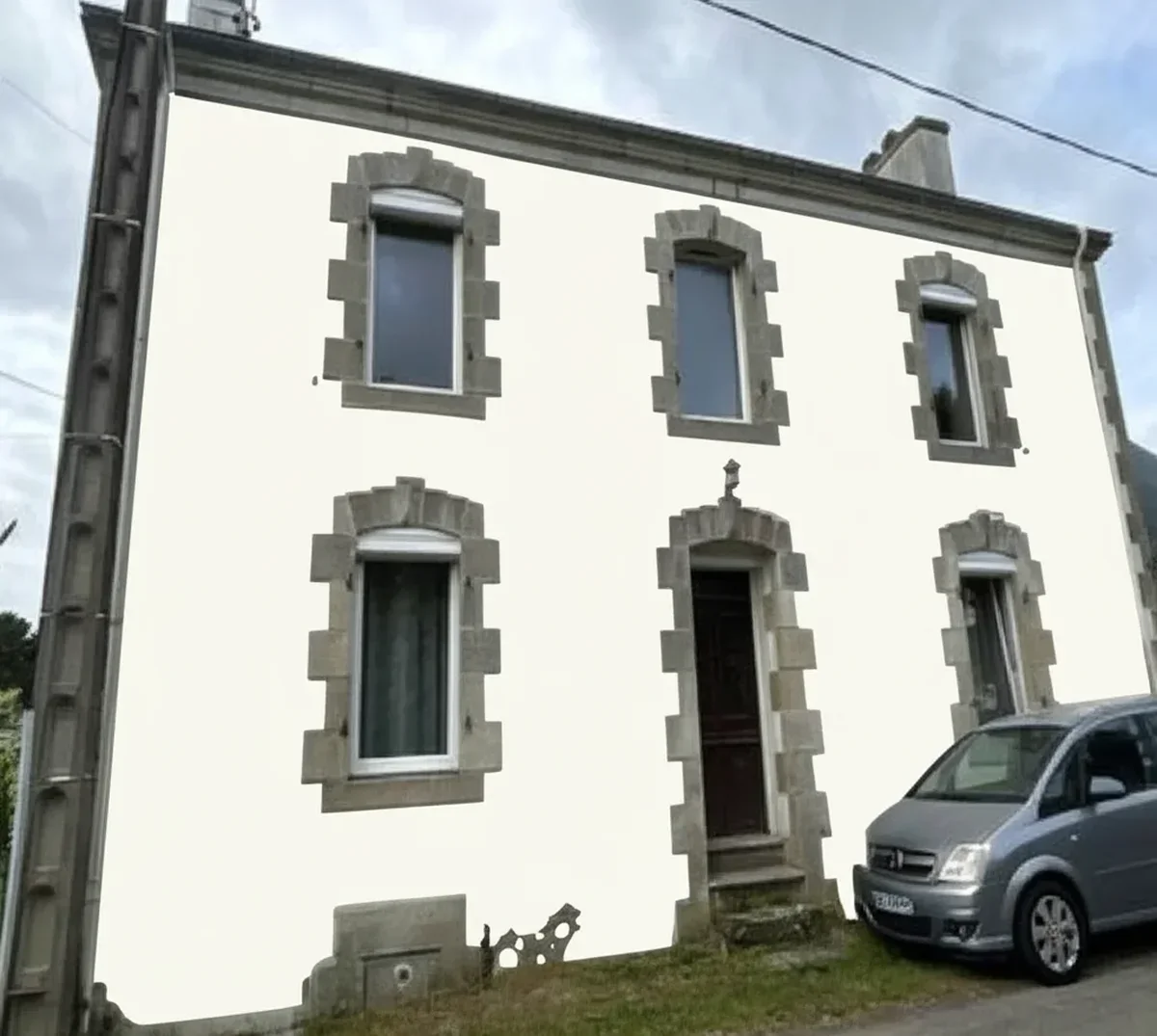
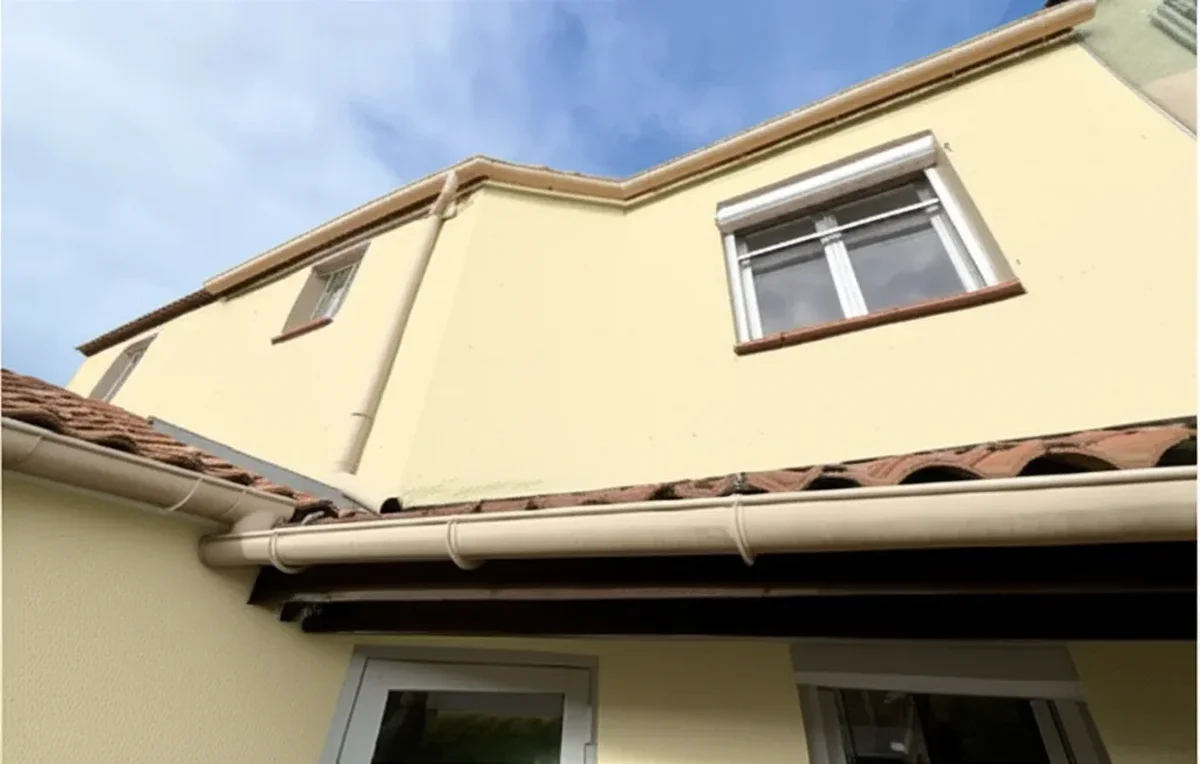
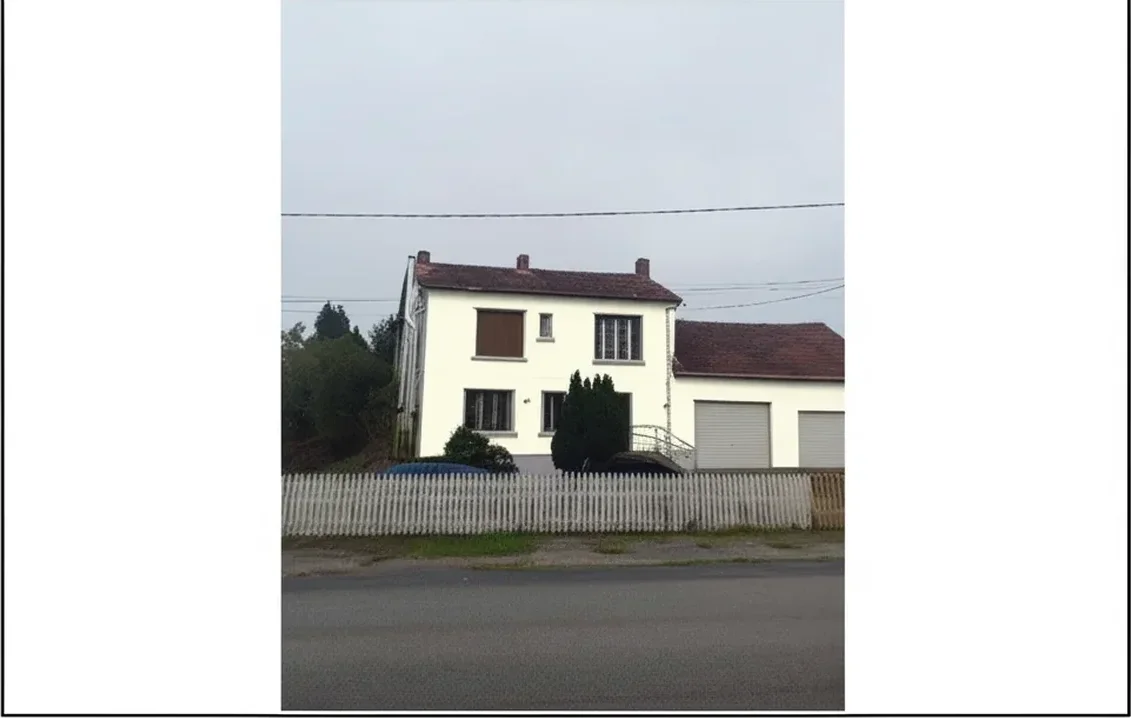
- Visual color preview: Upload a photo of the client's home to an AI tool like FacadeColorizer and generate a realistic color preview showing the proposed palette on their actual property. This single step can dramatically improve customer satisfaction and close rate.
- Tiered pricing: Offer a basic, standard, and premium option so the homeowner feels in control of the color selection and budget.
- Timeline and warranty: Spell out start date, expected duration, weather contingencies, and your workmanship guarantee.
This approach works for exterior painting and interior painting alike. The key is that every element in your proposal reinforces one message: hiring you is the lowest-risk, highest-value decision the homeowner can make. For more on building your contractor toolkit, see our complete AI paint visualizer guide for contractors.
How Visual Proposals Increase Your Close Rate
The biggest obstacle in any painting sale is the homeowner's imagination gap. They know they want a fresh look, but they cannot picture the result. Verbal descriptions like "a warm greige with white trim" mean different things to different people. A paint visualizer eliminates that uncertainty entirely. When you show a client a photorealistic rendering of their own house in the proposed colors, you move the conversation from "I need to think about it" to "When can you start?"
Contractors who integrate visualization into their sales workflow report close rate increases of 15 to 30 percentage points. One painter on the PaintTalk contractor forum shared that his conversion jumped from 40% to 70% after adding AI tool-generated mockups to every proposal.
Beyond closing the initial sale, visuals are the most effective upselling strategy in the business. When a homeowner sees a side-by-side comparison of their home with and without painted shutters, a contrasting front door, or refreshed trim, they almost always add the extras. That means higher profit margin per job with zero additional lead generation cost.
Estimate Presentation Checklist for Painting Contractors
Use this checklist before every client meeting to make sure your estimate hits every mark. Contractors who follow a structured presentation consistently outperform those who "wing it."
| Step | Action Item | Impact on Close Rate |
|---|---|---|
| 1 | Arrive on time with branded materials and a professional portfolio | Builds trust from first impression |
| 2 | Walk the property with the homeowner, photograph every surface | Shows thoroughness; feeds AI tool visualizations |
| 3 | Generate a color preview using the homeowner's actual photos | +15–30% close rate lift |
| 4 | Present 3 tiered options: Good / Better / Best with line-item detail | Clients choose mid-tier 60% of the time |
| 5 | Detail surface prep: power washing, scraping, caulking, primer | Justifies price vs. low-ball competitors |
| 6 | Specify paint brand, sheen, and number of coats | Reduces apples-to-oranges comparisons |
| 7 | Include warranty terms and proof of licensed / insured / bonded status | Eliminates risk objection |
| 8 | Present the estimate on-site-never email it cold | On-site close rate is 2× higher than follow-up |
Try it on your house
No photo? Try a sample
Digital Tools That Give You a Competitive Advantage
The days of scribbling numbers on a yellow notepad are over. Today's top painting contractors use digital tools across every stage of the sales and project management cycle. Platforms like PaintScout, Jobber, and Housecall Pro let you create polished, branded proposals with line items broken down by room and surface. ProEst handles detailed takeoffs for larger commercial painting projects. And estimating apps like ContractorPlus can calculate cost per square foot in the field so you can deliver a quote before you leave the driveway.
But the single most impactful digital tool in your arsenal is a paint visualizer. Unlike generic estimating software, a visualization tool speaks directly to the homeowner's emotions. It turns an abstract "what if" into a concrete "here's what your home will look like." FacadeColorizer is built specifically for this workflow: snap a photo of your client's home, apply colors from Sherwin-Williams, Benjamin Moore, Behr, or any custom palette, and share a professional before and after rendering in under 60 seconds. That is ROI you can measure in closed contracts.
The Three-Option Pricing Strategy That Closes More Jobs
One of the most effective upselling techniques in the painting business is the three-tier bid. Instead of handing the homeowner a single price, you present three clearly differentiated packages. This strategy works because it shifts the conversation from "Should I hire this painter?" to "Which package fits my needs?"
| Package | Scope | Paint Grade | Avg. Price (2,000 sq ft exterior) |
|---|---|---|---|
| Good | Body only, basic prep, 1 coat over primer | Builder-grade latex | $3,200–$4,500 |
| Better | Body + trim, full prep (power washing, caulking, wood filler), 2 coats | Sherwin-Williams Duration or Benjamin Moore Regal | $5,500–$7,800 |
| Best | Body + trim + shutters + front door, complete prep, 2 coats + clear seal | Premium acrylic (e.g. Benjamin Moore Aura) | $8,500–$12,000 |
Notice how each tier adds visible value-not just a higher price tag. The "Better" option is intentionally the sweet spot for profit margin and customer satisfaction. When paired with a color preview showing the "Best" tier (shutters, front door, contrasting trim), many homeowners upgrade on the spot. This is where curb appeal sells itself. To understand how paint quality and prep affect long-term costs, check our breakdown of exterior house painting costs in 2026.
Follow-Up: Turning "Maybe" Into "Yes"
Even with the best presentation, some homeowners need time. The follow-up is where most contractors drop the ball-and where the best ones separate themselves. Within 24 hours of your site visit, send a personalized recap email that includes the before and after visualization you created on-site. Attach your full proposal as a branded PDF. Reference specific details from your conversation ("I know you mentioned wanting the porch ceiling to match the trim color-here is how that looks"). This level of project management and personal attention drives referral business and repeat clients.
If you have not heard back in 48 hours, follow up with a brief phone call. Reiterate your competitive advantage: your warranty, your portfolio of past work, and your willingness to adjust the color selection at no additional charge. Top-performing contractors treat every unsold estimate as a future lead generation opportunity-today's "not yet" can become next season's signed contract if you stay professional and persistent.
Start Closing More Jobs Today
Improving your estimate presentation is the fastest path to business growth without spending a dollar more on advertising. Invest 60 seconds per proposal to generate a visual color preview on your client's actual home and you will see the results in your close rate, your average ticket size, and your referral pipeline. The best part? You can start right now.
Try it on your next client's home-upload a photo, apply colors, and download a professional before and after mockup you can drop straight into your next proposal. It takes under a minute and it is completely free. Your property value-boosting visual presentation starts here.
Frequently asked questions
What is a good close rate for painting estimates?
How do I present a painting estimate to a homeowner?
What should be included in a painting contractor proposal?
Do visual mockups really help painting contractors close more jobs?
What digital tools should painting contractors use for estimates?
Trademarks mentioned (Sherwin-Williams, Benjamin Moore, Behr, Caparol, Brillux, Sto, Alpina, Valspar, PPG, Glidden, Dulux, Crown Trade, Sandtex, Farrow & Ball, Johnstone's, Leyland) are property of their respective owners. FacadeColorizer is independent and not affiliated with any of them. Nominative fair use under Lanham Act §1125.