Marcus ran a three-crew painting company in suburban Atlanta. His work was excellent — five-star reviews, repeat referrals from Realtors, premium Sherwin-Williams products on every job. But at the end of 2024, he sat down with his books and discovered a painful truth: he was closing just 18% of his estimates. For every 100 homeowners who asked for a bid, only 18 signed a contract. The other 82 vanished — ghosted calls, unanswered follow-ups, contracts that sat unsigned for weeks before the homeowner hired someone else. Marcus was not losing on price. He was losing on communication. This is the story of how he fixed it, raised his close rate to 42% in 14 months, and added $280,000 in annual revenue without spending a dollar on advertising.
The Wake-Up Call: Why 82% of Leads Were Dying
Marcus hired a business coach in January 2025 who asked him to record the next 20 estimate appointments. What the recordings revealed was uncomfortable:
- Slow response time: Marcus took an average of 14 hours to return initial phone calls and inquiry-form submissions. Industry data from Housecall Pro shows that the first contractor to respond wins the job 50–78% of the time. By the time Marcus called back, most homeowners had already spoken to two competitors.
- Verbal-only estimates: Marcus gave homeowners a number on the spot — “It'll be about $8,500” — but did not leave a written proposal. Research from Estimate Rocket shows that professional written proposals close at 2–3x the rate of verbal quotes because they demonstrate expertise, detail scope, and create a tangible document the homeowner can review and share with a spouse.
- No follow-up system: After the initial visit, Marcus waited for the homeowner to call him back. He had no structured follow-up cadence — no next-day email, no 3-day check-in, no 7-day nudge. Aside from price, communication is one of the most reported reasons homeowners reject a painting estimate (Basecoat Marketing, 2026).
- No visual presentation: Marcus described colors verbally and sometimes held up a small fan-deck swatch against the siding. Contractors who use visual proposals — before-and-after mockups, color renderings, or AI-generated paint visualizations — close 35–45% of qualified leads, compared to 15–20% for verbal-only presentations (Angi, 2026).
The diagnosis was clear: Marcus had a communication problem, not a pricing problem. Every fix involved changing how he presented himself, not what he charged.
Fix 1: Speed to Lead — The 15-Minute Rule
Marcus implemented a simple rule: every new lead — phone call, website form, email, or Nextdoor message — gets a personal response within 15 minutes during business hours. He achieved this without hiring by:
- Setting up instant text-back auto-replies through his CRM (Jobber) for missed calls: “Hi, this is Marcus from Elite Finish Painting. I'm on a job site right now but wanted to let you know I got your call. I'll reach out within 15 minutes. In the meantime, is there a good time today for me to stop by for a free estimate?”
- Routing web-form submissions to his phone as push notifications so he could respond from the field.
- Blocking 8:00–8:30 AM and 12:00–12:30 PM daily as “lead response windows” to clear any messages that came in overnight or during active painting.
The impact was immediate. Within 60 days, Marcus noticed that homeowners who received a response within 15 minutes were 3x more likely to schedule an on-site estimate than those who waited hours. Speed did not just win leads — it set the tone for the entire relationship, signaling professionalism before he ever showed up with a ladder.
Fix 2: The Estimate Presentation Folder
Marcus replaced his verbal estimates with a physical estimate presentation folder that he assembled for every appointment. The folder included:
- Company overview page: License number, insurance certificates, workers' compensation proof, and a brief history of the company.
- Before-and-after portfolio: 8–10 printed photos of recent projects, organized by home style (Colonial, Ranch, Craftsman, Modern). Each photo included the paint brand, color name, and a one-sentence testimonial from the homeowner.
- Written proposal: A branded, itemized document with scope of work, surface preparation details, paint brand and product line, number of coats, timeline, warranty terms, and payment schedule. The proposal was printed on-site from his tablet using Jobber's proposal template and handed to the homeowner before Marcus left the driveway.
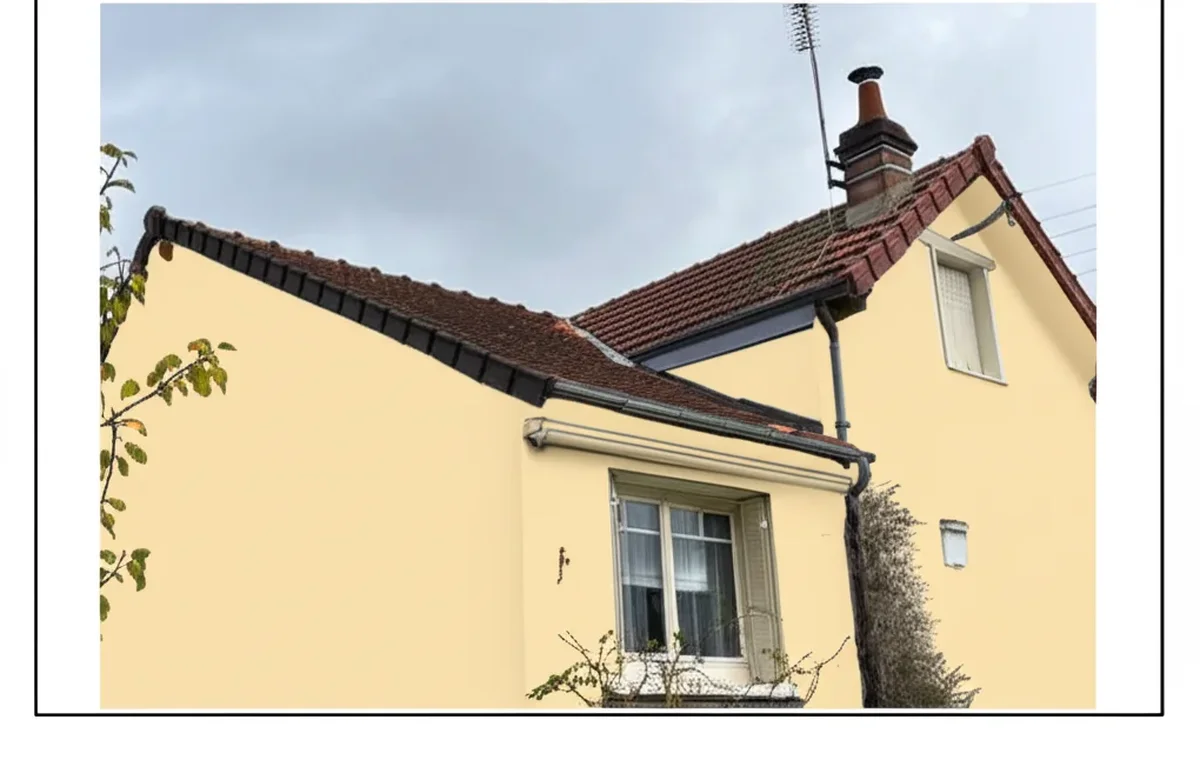
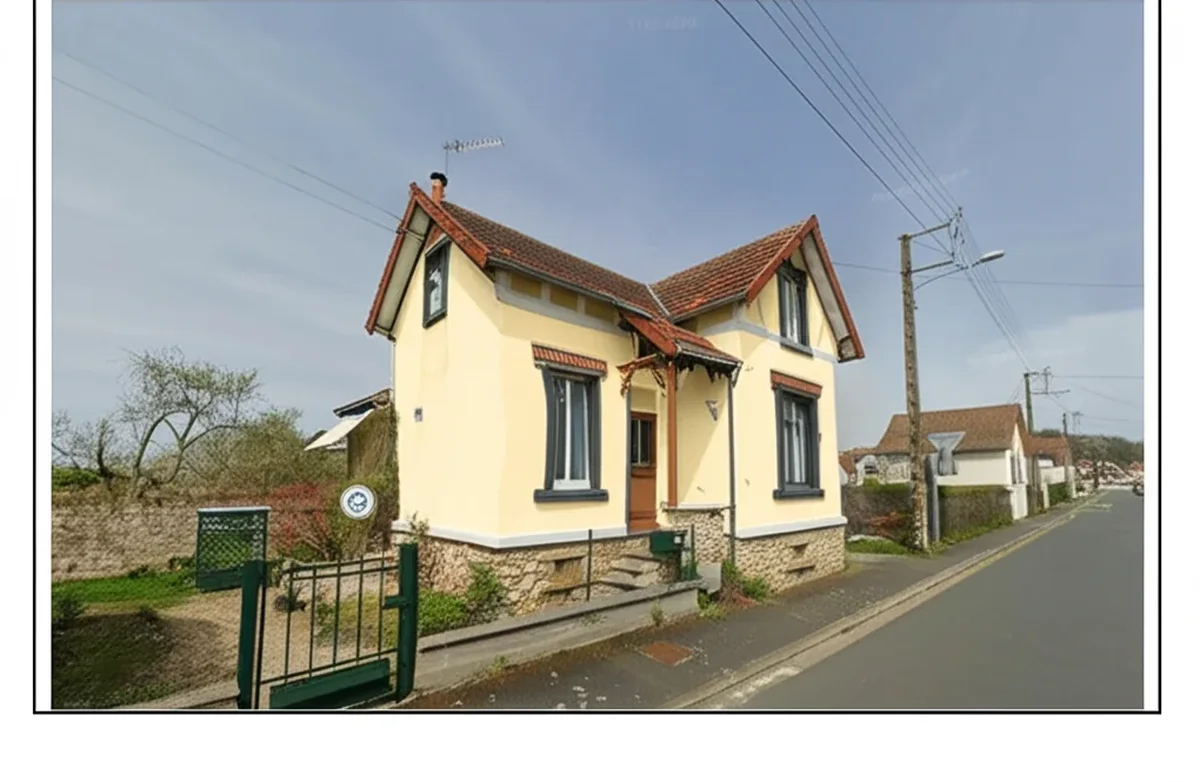
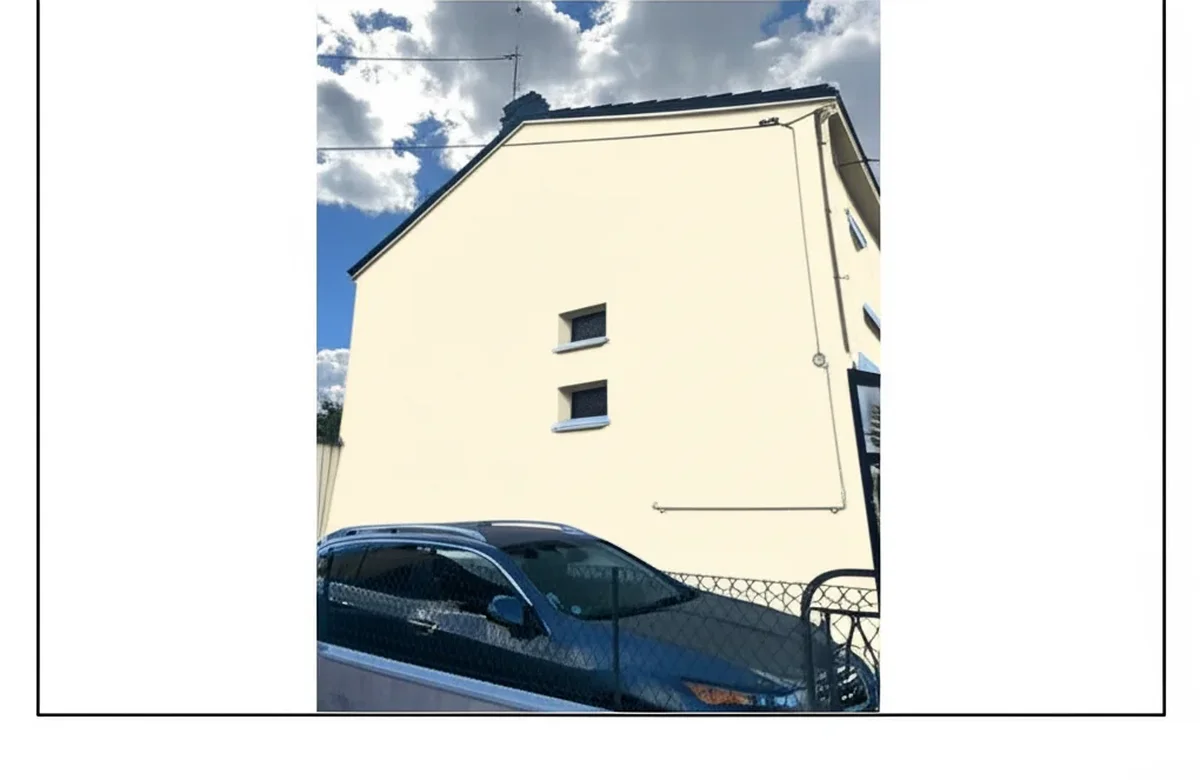
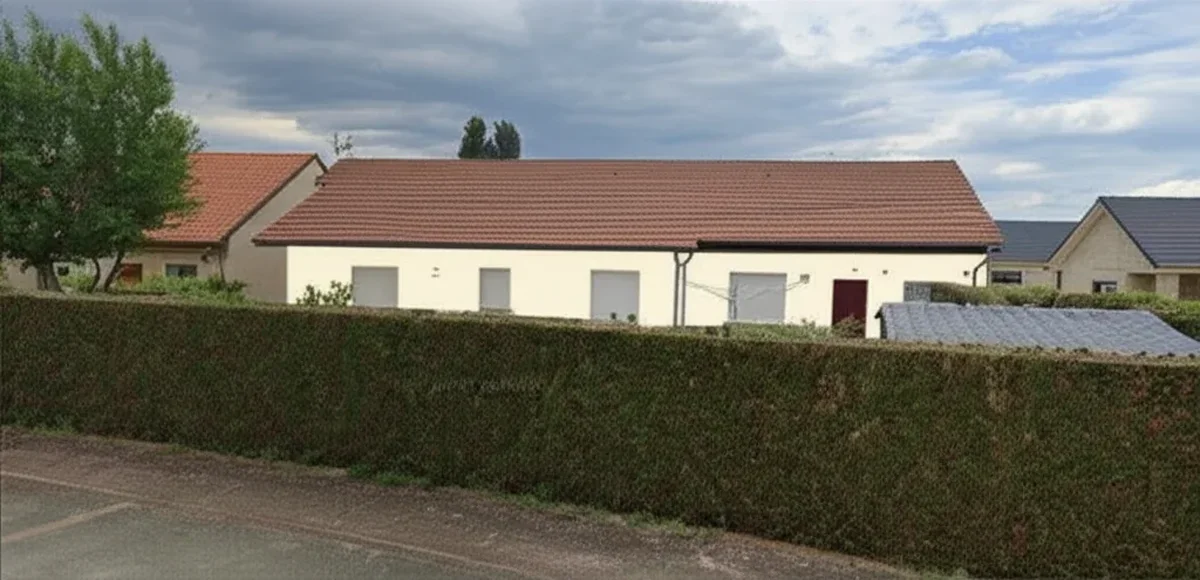
- Color visualization: Using FacadeColorizer, Marcus uploaded a photo of the homeowner's actual home and generated 2–3 color options during the estimate appointment. He printed the visualizations and included them in the folder. This single addition had the biggest impact on his close rate.
- Review summary: A one-page printout of his Google and Nextdoor reviews, with the total star rating and review count prominently displayed.
“The folder changed everything,” Marcus said. “Homeowners used to look at me like I was one of five painters they would see that week. Now they look at the folder and say, 'Wow, nobody else brought anything like this.' Typically, the painter who shows up with the most information gets the job.”
Fix 3: The 3-Touch Follow-Up System
Before the coaching, Marcus had no follow-up system. If a homeowner said “I need to think about it,” Marcus said “Sure, give me a call when you're ready” — and never heard from them again. His coach helped him build a structured 3-touch follow-up cadence:
- Same-day thank-you text (Day 0): “Hi [Name], it was great meeting you today. I've attached your proposal and the color visualizations we reviewed. If any questions come up, I'm a quick text away. — Marcus, Elite Finish Painting.”
- Value-add email (Day 3): A short email with a link to a relevant blog post (e.g., “How to Choose the Right Exterior Paint Sheen”) and a soft nudge: “Just wanted to check in — have you and [spouse name] had a chance to review the color options? Happy to adjust anything.”
- Phone call (Day 7): A brief, friendly call: “Hi [Name], Marcus here. I wanted to follow up on the estimate from last week. I have an opening in my schedule [specific date] and wanted to see if that timing works for you. No pressure at all — just don't want you to miss the window if you're ready to move forward.”
Marcus automated the first two touches through Jobber and kept the Day 7 call personal. The results were striking: 34% of his closed jobs came from the follow-up sequence — homeowners who would have ghosted under his old system. As Basecoat Marketing notes, “You can still secure a job even if the client says they want to speak with another painter before deciding. Before you leave an appointment, tell the potential client you'll give them a call in a day or two.”
Fix 4: On-Site Color Consultations with AI Visualization
The single biggest lever Marcus pulled was adding AI-powered color visualization to every estimate appointment. Instead of holding up a 2-inch paint swatch against a 2,500-square-foot facade and asking the homeowner to “imagine it,” Marcus now pulls out his tablet, snaps a photo of the home, and uses FacadeColorizer's exterior paint visualizer to show Sherwin-Williams, Benjamin Moore, or Behr colors on the homeowner's actual house in real time.
“The moment they see their house in a new color, the conversation changes,” Marcus explained. “It goes from 'How much does it cost?' to 'I love that — can we try a darker trim?' They stop comparison shopping and start designing with me. That's when I know the job is mine.”
The data backs him up. Contractors who use visual proposals report close rates of 35–45% on qualified leads, compared to 15–20% for those relying on verbal descriptions alone (Angi, 2026). Marcus's own close rate on appointments where he used FacadeColorizer was 48% — nearly triple his old average.
The Results: 18% to 42% in 14 Months
By December 2025, Marcus's overall close rate had climbed from 18% to 42%. Here is what changed in hard numbers:
| Metric | Before (2024) | After (Late 2025) | Change |
|---|---|---|---|
| Close rate | 18% | 42% | +133% |
| Avg. response time | 14 hours | 12 minutes | –99% |
| Estimates per month | 22 | 25 | +14% |
| Jobs closed per month | 4 | 10.5 | +163% |
| Annual revenue | $520,000 | $800,000 | +$280,000 |
| Ad spend | $1,800/mo | $1,800/mo | No change |
The most remarkable detail: Marcus did not increase his advertising budget by a single dollar. Every dollar of the $280,000 revenue increase came from converting leads he was already generating but losing through poor communication. His cost per acquisition dropped from $450 to $171 — a 62% improvement — simply because more of his existing leads turned into signed contracts.
What You Can Apply to Your Painting Business Today
Marcus's transformation is replicable. Here are the five communication changes you can implement this week:
- Respond within 15 minutes. Set up auto-text replies for missed calls and push notifications for web leads. The first painter to respond wins 50–78% of jobs.
- Never give a verbal-only estimate. Print or email a written proposal at every appointment. Include scope, paint brand, number of coats, timeline, warranty, and payment terms. Use Jobber, Housecall Pro, or Estimate Rocket for professional templates.
- Build an estimate presentation folder. Include license and insurance proof, a before-and-after photo portfolio, printed color visualizations, and a review summary. The painter who brings the most information wins the job.
- Follow up on Day 0, Day 3, and Day 7. Automate the first two touches; keep the Day 7 call personal. A third of your closed jobs will come from follow-up.
- Show, don't tell. Upload the homeowner's actual home to FacadeColorizer during the estimate appointment. When homeowners see their house in a new color, the conversation shifts from price to design — and that is where jobs get closed.
“Aside from price, communication is one of the most reported reasons for turning down a painting estimate. The painter who shows up prepared, follows up consistently, and makes the homeowner feel heard will outclose a cheaper competitor every time.”
— Basecoat Marketing, 2026
Close more jobs with AI color visualization
Upload a client's home to FacadeColorizer and generate Sherwin-Williams, Benjamin Moore, or Behr color previews in seconds. Print them, include them in your estimate folder, and watch your close rate climb. Contractors using visual proposals close 35–45% of qualified leads — nearly 3x the industry average.
Last updated: April 2026. Close rate benchmarks from Angi, Housecall Pro, Estimate Rocket, and Basecoat Marketing.