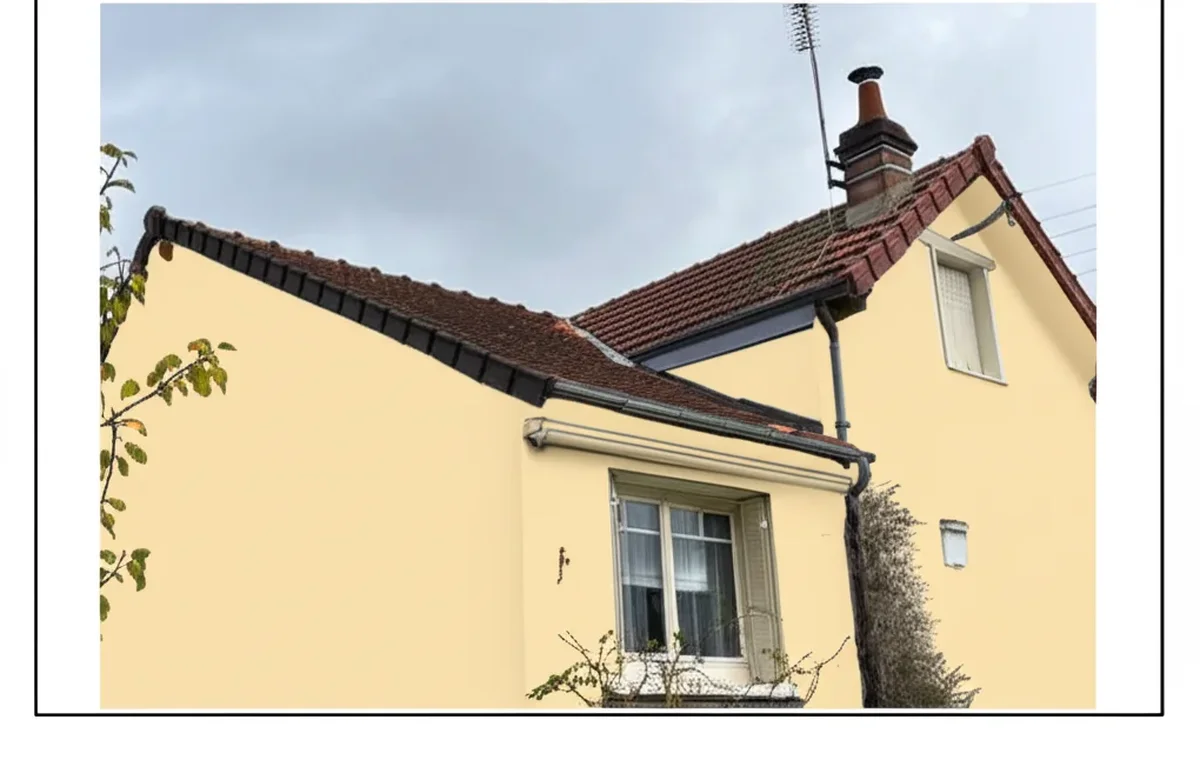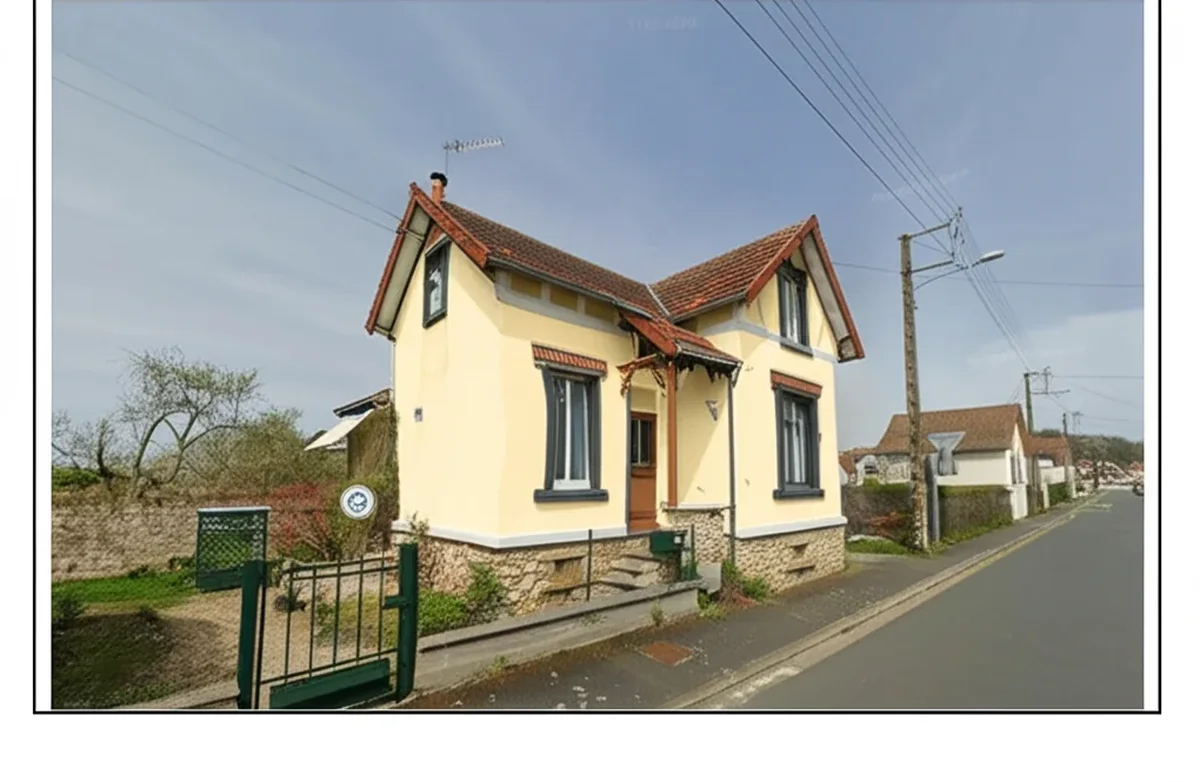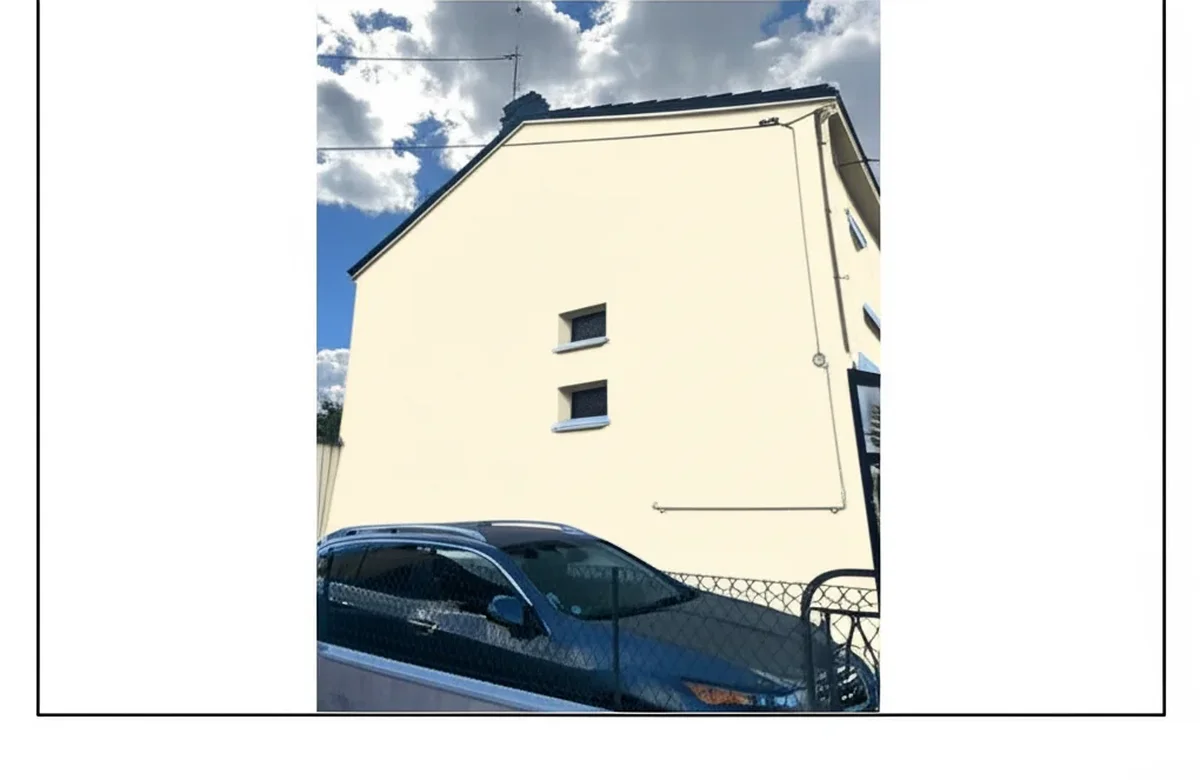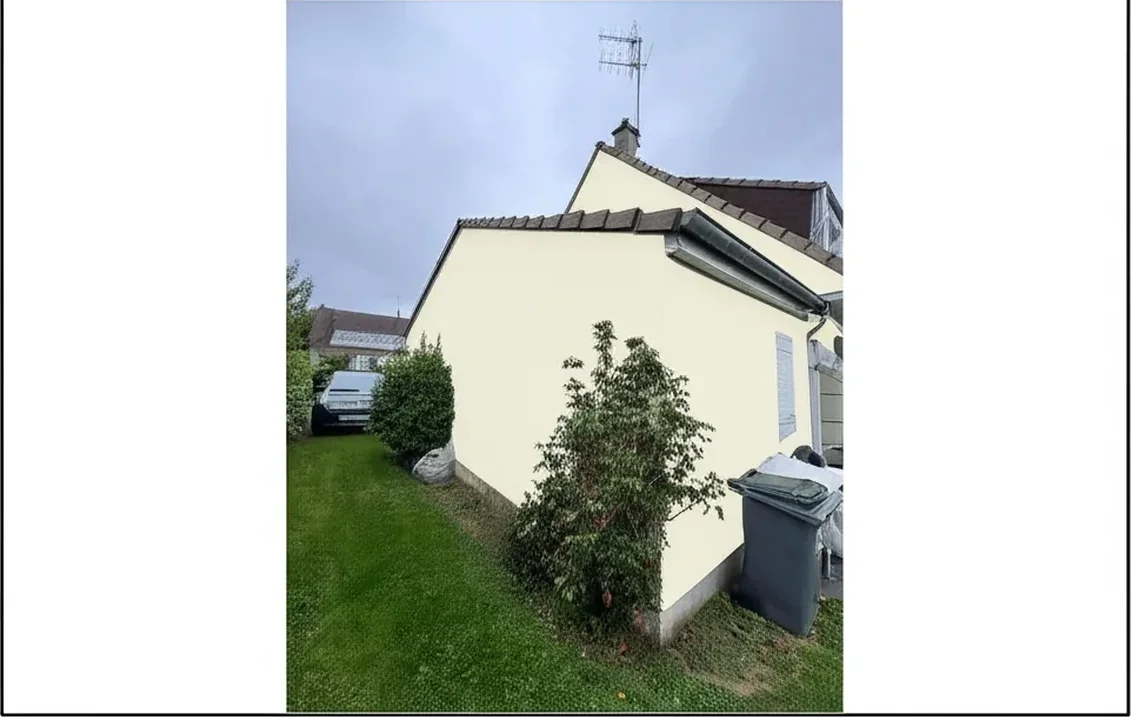
Most painting contractors know their craft inside and out. They can prep a surface blindfolded, cut a clean line without tape, and match a color from memory. But hand them a blank estimate form, and many of the same skilled professionals make mistakes that quietly drain thousands of dollars from their bottom line every year. According to a 2026 analysis by ContractorPlus, the average painting contractor underprices jobs by 5–15% without realizing it. Over a year of 150–200 jobs, that gap can mean $30,000–$75,000 in lost profit — money that was earned on the wall but never collected on the invoice. This guide breaks down the seven most common estimating mistakes and shows you exactly how to fix each one. Level up your client presentations with professional tools like FacadeColorizer's AI paint visualizer for contractors.
Why Estimating Accuracy Is a Profit Problem, Not a Math Problem
Painting contractors typically operate with gross margins of 40–55% and target net profit margins of 15–25%, according to 2026 data from Build-Folio. The gap between gross and net is overhead — insurance, trucks, marketing, office costs — which typically runs 20–45% of revenue. That means your margin for error on any individual estimate is razor-thin. A 10% underestimate on a $12,000 job does not just cost you $1,200 — it can flip the entire project from profitable to break-even once you account for overhead allocation.
The good news: estimating mistakes are systematic, not random. The same seven errors show up in contractor after contractor, which means they are fixable once you know what to look for.
The 7 Estimating Mistakes
1. Using Hourly Wages Instead of Fully Burdened Labor Rates
This is the most expensive mistake in painting contractor estimating, and it is shockingly common. When you estimate labor at $25/hour because that is what you pay your painters, you are ignoring the true cost of that labor hour. The fully burdened rate includes payroll taxes (7.65% FICA), workers' compensation insurance (painting trades average 8–15% of payroll), health benefits, paid time off, vehicle costs, and non-productive time (travel, setup, cleanup).
A painter earning $25/hour typically costs the business $38–$45/hour fully burdened. If you are bidding 200 labor hours per month at $25 instead of $42, you are undercharging by $3,400 every single month — $40,800 per year.
The fix: Calculate your fully burdened labor rate for each crew member. Add employer taxes, insurance, benefits, and non-billable time. Use that number in every estimate. Most estimating software like PaintScout and ServiceTitan let you set burdened rates as defaults so the math is automatic.
2. Underestimating Prep Time by 30–50%
Surface preparation accounts for 60–70% of a quality exterior paint job, yet most contractors estimate it based on best-case scenarios. You walk the property, see some peeling paint, and mentally budget four hours of scraping. On the job, you discover old oil-based paint under the latex, rotted fascia behind the gutters, and mildew under the eaves that requires chemical treatment before painting. Four hours becomes ten. Your crew is on the clock, your materials budget is blown, and you are eating the difference.
The fix: Build a prep checklist into your estimate walkthrough. Check every side of the house, not just the front. Probe trim and fascia with an awl to find soft spots. Ask the homeowner about previous paint jobs — how many coats, what type of paint, when it was last done. Add a 15–20% prep contingency to every exterior estimate. If you do not use it, you make extra profit. If you do, you are covered.
3. Ignoring Material Price Volatility
Paint and material prices have seen swings of 20–80% within months over the past few years. A gallon of Sherwin-Williams Duration that cost $58 in January 2024 runs $65–$80 in April 2026 depending on the store and whether you have a contractor account. Caulk, primer, painter's tape, drop cloths, and sundries add up fast. If you are using price lists from six months ago, you are bidding with yesterday's numbers.
The fix: Update your material price list monthly. Build relationships with your Sherwin-Williams or Benjamin Moore rep and ask about upcoming price increases. Include a material escalation clause in contracts for projects booked more than 60 days out. Most professional estimating software connects to supplier price feeds to keep quotes current automatically.
4. Measuring by Eye Instead of by Tool
Experienced painters develop a feel for square footage, and that feel is usually wrong by 10–25%. Eyeballing a two-story colonial and guessing 2,400 paintable square feet when the actual number is 2,900 means you are giving away 500 sq ft of labor and material — roughly $750–$1,500 on a typical exterior job. Windows, doors, and trim details are especially easy to misjudge.
The fix: Use a laser distance measurer ($50–$150) for field measurements. For faster takeoffs, tools like SnapJobAI and Square Takeoff let you measure from photos or satellite imagery. Deduct windows and doors accurately — do not round. The five minutes you spend measuring precisely protects hundreds or thousands of dollars in margin on every job.
5. Failing to Account for Overhead in Every Bid
Many painting contractors calculate labor + materials + profit markup and call it a bid. The problem: overhead is invisible but relentless. Your truck payment, insurance premiums, phone bill, marketing spend, accounting fees, tool replacement, and office supplies do not stop just because you are on a job. According to Build-Folio's 2026 contractor margin report, overhead typically runs 20–45% of revenue depending on business size and trade. If you are not allocating a proportional share of overhead to every estimate, you are subsidizing your clients with your own profit.
The fix: Calculate your monthly overhead total (every non-job expense). Divide by your average number of monthly jobs or billable hours to get a per-job or per-hour overhead allocation. Bake that into your estimate template. A painting business with $8,000/month in overhead doing 20 jobs per month needs to add $400 per job just to break even on overhead — before any profit margin.
6. Presenting Confusing, Unprofessional Estimates
An estimating mistake is not always about numbers. Contractors who present handwritten quotes on scrap paper, send a single-line text message with a dollar amount, or email a vague PDF are losing jobs to competitors who present polished, detailed proposals — even when the competitor's price is higher. Homeowners associate professional estimates with professional work. A confusing estimate also invites scope disputes: “I thought trim was included” is a conversation that always costs the contractor money.
The fix: Use estimating software that generates professional, itemized proposals. PaintScout, Housecall Pro, and ServiceTitan all produce branded proposals with line-item detail, scope descriptions, photos, and digital signature acceptance. Add before-and-after color visualizations to your proposals using FacadeColorizer to help clients see the finished result and close faster. Our estimate presentation tips guide covers this in detail.
7. Not Tracking Actual vs. Estimated Costs per Job
The most insidious estimating mistake is never learning from past estimates. If you do not compare what you estimated to what you actually spent (labor hours, gallons of paint, sundries, callbacks), you have no way to calibrate your future bids. You will repeat the same errors on every job, and you will never know your true profit per project.
The fix: After every completed project, log actual hours, actual material costs, and any extras that were not in the original scope. Compare them to the estimate. Over 20–30 jobs, patterns emerge: maybe your stucco prep estimates are consistently 30% low, or your interior trim labor is always 10% high. Adjust your templates accordingly. ServiceTitan and Housecall Pro automate this with built-in job costing reports.
The Financial Impact of Fixing These Mistakes
| Mistake | Typical Annual Loss | Fix Difficulty |
|---|---|---|
| Unburdened labor rates | $25,000–$50,000 | Easy — one-time calculation |
| Underestimated prep | $10,000–$25,000 | Moderate — requires checklist |
| Outdated material prices | $5,000–$15,000 | Easy — monthly price update |
| Inaccurate measurements | $8,000–$20,000 | Easy — use laser measurer |
| Missing overhead allocation | $15,000–$40,000 | Moderate — requires tracking |
| Unprofessional presentation | $10,000–$30,000 (lost jobs) | Easy — adopt software |
| No post-job tracking | Compounds all above | Moderate — build habit |
Fixing just the first three mistakes on this list can add $40,000–$90,000 in annual profit to a mid-size painting company doing $500,000–$1,000,000 in revenue. That is money you are already earning on the jobsite but losing on the estimate form.
Estimating Software for Painting Contractors in 2026
The fastest way to eliminate most of these mistakes is to move from spreadsheets and handwritten quotes to purpose-built estimating software. The top platforms for painting contractors in 2026 include:
- PaintScout — built specifically for painting contractors. Generates professional proposals, tracks win rates, and stores production rates so estimates are consistent across your team.
- SnapJobAI — AI-powered estimating from photos. Walk through a house, snap photos, and get an accurate estimate before leaving the driveway.
- ServiceTitan — enterprise-grade CRM with estimating, job costing, and pricebook management. Best for companies doing $1M+ in revenue.
- Housecall Pro — all-in-one field service management with estimates, scheduling, invoicing, and payment processing. Good for mid-size painting businesses.
- The Paint Estimator — straightforward estimating tool that creates proposals, invoices, and work orders with painting-specific production rates.
For a deeper comparison, see our 2026 painting estimate software comparison.
Close More Jobs with Professional Presentations
Accurate estimates are only half the battle. The other half is presenting them in a way that builds trust and closes the sale. Adding color visualizations to your proposals — showing the client exactly what their home will look like with the proposed colors — increases close rates by helping homeowners commit with confidence. Use FacadeColorizer's AI paint visualizer to generate before-and-after previews from a simple photo of the client's home, then embed them directly in your estimate. It takes two minutes and can be the difference between winning and losing a $10,000 job.
Grow your painting business with FacadeColorizer
Show clients their home in new colors before you start painting. FacadeColorizer is the AI paint visualizer built for contractors — generate color previews in seconds, embed them in proposals, and close more jobs at higher margins.
Last updated: April 2026. Margin data from Build-Folio and ContractorPlus. Software information current as of Q1 2026.